
What Do You Feed a Pet Rat?
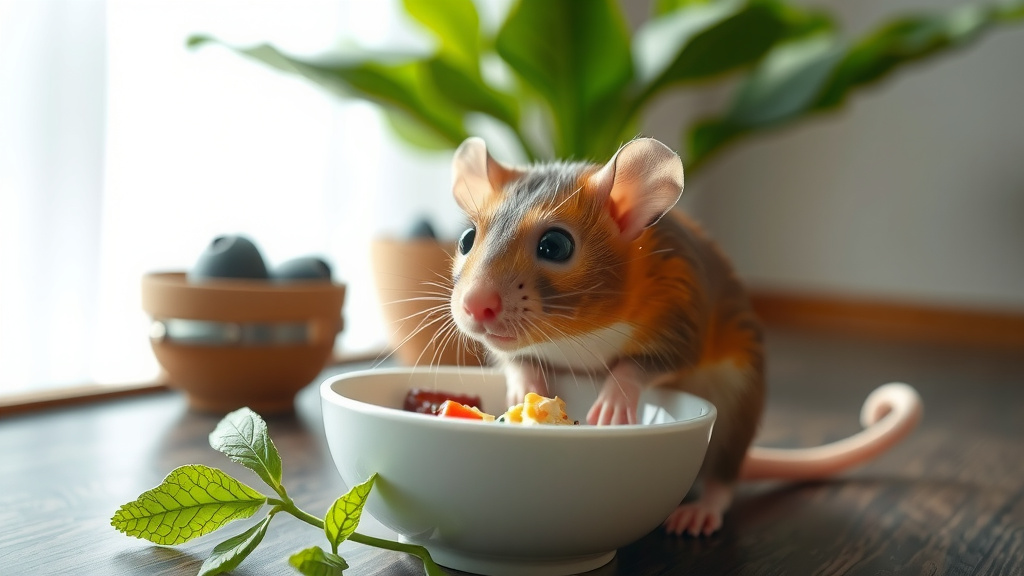
Feeding your pet rat the right diet is key to their health. A pet rat’s diet should mainly consist of high-quality commercial rat food. You can supplement this with small amounts of fresh fruits and vegetables. Always ensure they have access to fresh, clean water daily.
Beyond the basics, variety keeps your rat happy and healthy. While commercial food forms the base, offering tiny treats adds enrichment. Remember, some human foods are safe, while others can be harmful. We found that a balanced approach prevents health issues and supports a long life.
TL;DR:
- Feed your rat a primary diet of commercial rat pellets.
- Offer small portions of safe fruits and veggies as treats.
- Fresh water is essential and should be available always.
- Avoid toxic foods; research what’s safe before offering.
Let’s walk through exactly what makes a healthy rat diet, from staple foods to safe treats.
Nourishing Your Pet Rat: A Guide to Their Daily Diet
Understanding what to feed your pet rat is the first step to a happy, healthy companion. You want to provide a diet that supports their energy levels and long-term well-being. We found that a balanced approach is key for all pet rats.
The Cornerstone of Your Rat’s Diet
The foundation of your rat’s diet should be a high-quality commercial rat food. Look for formulas specifically designed for rats. These foods provide a balanced mix of proteins, fats, vitamins, and minerals. This ensures your pet gets everything they need in every bite. Many experts say this commercial base is non-negotiable for good health (FDA).
Why Commercial Rat Food?
Commercial rat foods are scientifically formulated. They take the guesswork out of nutrition. This means you don’t have to worry about imbalances. Your rat gets the right amount of nutrients for growth and maintenance. It’s like a perfect multivitamin, but for food!
What to Look For in a Commercial Food
When you’re shopping, check the protein content. Young, growing rats and pregnant mothers need more protein. Adult rats typically do well with around 14-16% protein. Also, consider the fat content, aiming for about 4-5%. Fiber is important too, helping with digestion. Avoid foods with added artificial colors or excessive sugar. Many guidelines point to simple, pellet-based foods as the best choice (Pet Food Institute).
Supplementing with Fresh Foods
While commercial food is the staple, offering small amounts of fresh foods adds variety and enrichment. Think of it as giving your rat tiny, healthy treats. This can make mealtime more exciting for them. Remember, variety keeps things interesting and can expose them to different tastes and textures.
Safe Fruits and Vegetables Your Rat Will Love
Many common fruits and vegetables are perfectly safe for rats. You can offer these in moderation, a few times a week. Some excellent choices include:
- Broccoli florets
- Carrot slices
- Apple slices (seeds removed!)
- Berries like blueberries and strawberries
- Peas
- Cooked sweet potato
- Leafy greens like spinach or kale
Always wash produce thoroughly before feeding it to your rat. And, introduce new foods slowly. This helps you see how your rat reacts to them.
Portion Control is Key
Fresh foods should only be a small part of their diet. Too many treats can lead to obesity or nutritional imbalances. A good rule of thumb is to offer no more than a teaspoon or two per rat per day. It’s better to give them tiny pieces. You want them to enjoy them, not fill up on them.
Foods to Avoid at All Costs
Just as some foods are great, others are harmful. It’s crucial to know what to keep away from your rat’s cage. Many experts warn against feeding these:
- Raw beans and uncooked potatoes
- Citrus fruits in large quantities (like oranges, lemons)
- Green bananas
- Avocado
- Chocolate
- Salty snacks like chips or pretzels
- Sugary cereals or candy
These can cause digestive upset or more serious health problems. When in doubt, always research a food item before giving it to your rat.
Hydration: The Unsung Hero
Fresh, clean water is as vital as any food. Your rat needs constant access to water to stay hydrated and healthy. Dehydration can lead to serious health issues very quickly.
Water Bottle vs. Water Bowl
Most rat owners use a sipper water bottle. These keep the water clean and fresh. You just need to check it daily to ensure it’s working and full. Some rats might prefer a ceramic bowl, but these can get dirty easily. If you use a bowl, you’ll need to clean and refill it multiple times a day. We found that water bottles are generally the most convenient and hygienic option.
Daily Water Checks
Make it a habit to check the water source every day. Ensure the sipper tube isn’t blocked. Check that the water level is adequate. Clean the bottle or bowl regularly, at least weekly, to prevent algae or bacteria growth. A clean water source is a sign of a well-cared-for pet.
Special Considerations and Treats
Sometimes, you might want to give your rat something extra special. Small, healthy treats can be rewarding and fun. You can also use them for training purposes.
Healthy Treat Ideas
Beyond fresh produce, consider these occasional treats:
- Small pieces of cooked pasta (plain)
- Unsalted nuts (very small amounts, like a single almond or walnut piece)
- Plain, unsweetened yogurt drops (in moderation)
- A tiny bit of cooked, unseasoned chicken or egg
Remember, these are treats, not staples. They should make up a very small percentage of your rat’s overall diet.
A Quick Checklist for Good Feeding Habits
Here’s a simple way to remember the basics:
- Always have fresh water available.
- Feed a high-quality commercial rat pellet daily.
- Offer small portions of safe fruits and veggies a few times a week.
- Avoid toxic foods; when in doubt, don’t feed it.
- Monitor your rat’s weight and adjust food portions as needed.
- Clean water bottles and food bowls regularly.
Conclusion
You’ve learned that a balanced diet is essential for your pet rat’s health. The cornerstone of their nutrition should be high-quality commercial rat food. Supplementing with small amounts of safe fresh fruits and vegetables adds variety and enrichment. Always remember that fresh, clean water is non-negotiable for their well-being. By avoiding toxic foods and understanding portion control, you can ensure your rat thrives. Start by checking the labels on commercial rat foods to ensure they meet your pet’s nutritional needs.
Frequently Asked Questions
How much commercial rat food should I feed my pet rat daily?
Generally, adult rats eat about 15-20 grams of food per day. Your rat’s exact needs can vary based on age, activity level, and health. It’s a good idea to monitor their weight and adjust portions as needed, ensuring they always have access to their main food source.
Can I feed my rat table scraps?
You can offer small amounts of plain, cooked human foods as treats, but they should never be the main part of your rat’s diet. Always research if a food is safe before giving it to your rat. Avoid anything with added salt, sugar, or spices, as these can be harmful.
What if my rat doesn’t seem interested in their commercial food?
Rats can sometimes be picky, especially if they’ve been offered too many sugary treats. If your rat is avoiding their main food, try gently warming it or mixing in a tiny amount of a safe food they enjoy, like a drop of unsweetened yogurt. However, always prioritize their commercial diet for balanced nutrition.
How often should I clean my rat’s water bottle or bowl?
You should check and refill your rat’s water bottle or bowl daily to ensure it’s clean and full. It’s best to thoroughly clean the water bottle or bowl at least once a week to prevent bacteria or algae buildup. Consistent hygiene is key for preventing illness.
Are seeds and nuts safe for pet rats?
Seeds and nuts can be given as occasional treats in very small quantities. Opt for unsalted and unroasted varieties. Foods like sunflower seeds and small pieces of almonds or walnuts are generally safe. Due to their high fat content, they should be offered sparingly.