What Do You Feed a Pet Salamander?
Feeding your pet salamander the right food is key to their health and happiness. Most pet salamanders thrive on a diet of live insects, like crickets, earthworms, and mealworms. You can also supplement their diet with specially formulated salamander pellets or gels if they are available and appropriate for your specific species. Always ensure their food is gut-loaded and appropriately sized.
Understanding your salamander’s dietary needs goes beyond just knowing what to feed them. It involves considering their natural habitat and species-specific requirements. Offering a varied diet helps ensure they get a wide range of nutrients, preventing deficiencies and keeping them vibrant. We found that a consistent feeding schedule is also important for maintaining good health.
- Salamanders primarily eat live insects.
- Gut-loading insects provides essential nutrients.
- Species-specific needs vary.
- A varied diet is best.
- Consistency is key for health.
Let’s get into the details of what your amphibian friend loves to munch on and how to keep them well-fed.
Understanding Your Salamander’s Diet: What They Love to Eat
So, you’ve welcomed a salamander into your home, and now you’re wondering about their favorite meals. Feeding your amphibian friend is more than just tossing some food their way. It’s about understanding their natural instincts and nutritional needs.
Most pet salamanders are carnivores, meaning they eat meat. Their natural diet consists mainly of small, live creatures found in their environment. Think of them as tiny, graceful predators. This natural inclination guides what we should offer them as pets.
The Staple Diet: Live Insects
The absolute **best food** for most pet salamanders is live insects. These offer the most natural and nutritious diet. Live prey also stimulates their hunting instincts, which is great for their mental and physical well-being. They’re like tiny, adorable hunters in your home!
Common Insect Food Choices
What kind of insects are we talking about? Here are some popular and readily available options that many salamander owners have success with:
- Crickets: These are a go-to for many keepers. They are nutritious and widely available at pet stores.
- Earthworms: A fantastic source of protein and calcium. You can often find them in your garden or buy them from bait shops.
- Mealworms: These are also common, but they can be a bit harder for some salamanders to digest due to their exoskeletons. They are best given in moderation.
- Black Soldier Fly Larvae (BSFL): These are gaining popularity. They are highly nutritious and often have a good calcium-to-phosphorus ratio.
- Fruit Flies: Tiny and perfect for very small or young salamanders.
It’s important that the insects you offer are appropriately sized for your salamander. A good rule of thumb is that the insect should be no wider than the space between your salamander’s eyes. Too large, and they could choke or have trouble swallowing. Too small, and they might not get enough to eat.
The Magic of Gut-Loading
Just feeding live insects isn’t always enough. The nutritional value of the insects themselves depends on what *they* eat. This is where gut-loading comes in, and it’s a game-changer for your salamander’s health.
Gut-loading means feeding the insects a nutritious diet for at least 24-48 hours before feeding them to your salamander. This transfers those good nutrients directly to the insects, and then to your pet. Without it, the insects might be lacking essential vitamins and minerals.
What to Use for Gut-Loading
You can use commercially available gut-load formulas for insects. Alternatively, you can offer them a variety of healthy foods:
- Fresh vegetables like carrots, sweet potatoes, and leafy greens.
- Commercial insect foods and gels.
- Oats or bran.
Make sure to remove any uneaten gut-load food daily to prevent mold and pests. This simple step ensures your salamander gets a more complete nutritional package. It’s like preparing a healthy meal for your pet’s dinner guest!
Beyond Insects: Supplementary Foods and Prepared Diets
While live insects form the backbone of a salamander’s diet, sometimes you might want or need to supplement. This is especially true if your salamander is a picky eater or if obtaining a consistent supply of live insects is difficult.
Commercial Salamander Foods
There are commercially prepared foods designed specifically for amphibians, including salamanders. These often come in pellet or gel forms. We found that these can be a convenient option when used correctly.
When choosing a commercial diet, always look for one appropriate for your specific salamander species. Some are formulated for aquatic salamanders, while others are for terrestrial species. Read the ingredients carefully. Many experts suggest that these should supplement, not entirely replace, a diet of live insects.
Pros and Cons of Prepared Diets
Prepared diets can offer balanced nutrition and are easy to store. However, some salamanders may be reluctant to eat them, especially if they are accustomed to live prey. It’s always a good idea to test different types to see if your pet will accept them. Some research suggests that the palatability can be an issue for certain species (NCBI).
What About Other Foods?
Some keepers might wonder about other food sources. For example, can salamanders eat fish food? Or what about eggs?
Fish Food and Eggs: Use with Caution
Some high-quality, protein-rich fish foods might be acceptable as an occasional treat or emergency food. However, they are not a balanced diet for salamanders. They often lack the correct calcium-to-phosphorus ratio, which is vital for amphibian health. Many guidelines suggest avoiding them for regular feeding (CDC).
Cooked eggs, like scrambled eggs, can also be offered very rarely and in tiny amounts. They are high in protein but can be fatty. Again, this is not a staple food. Always ensure any such food is plain, without salt, spices, or oils.
Feeding Your Salamander: Practical Tips
Knowing what to feed is one thing, but how and when you feed them is just as important. Establishing good feeding habits will keep your salamander healthy and happy.
Frequency and Portion Size
How often you feed your salamander depends on their age and species. Younger, growing salamanders typically need to be fed more often than adults. Many adult salamanders do well with feeding every 2-3 days.
As for how much? Offer a reasonable amount of food that your salamander can consume within about 15-20 minutes. It’s better to slightly underfeed than to overfeed. Uneaten food can spoil in the enclosure, leading to hygiene issues and potential health problems for your pet.
Consider Your Salamander’s Species and Habitat
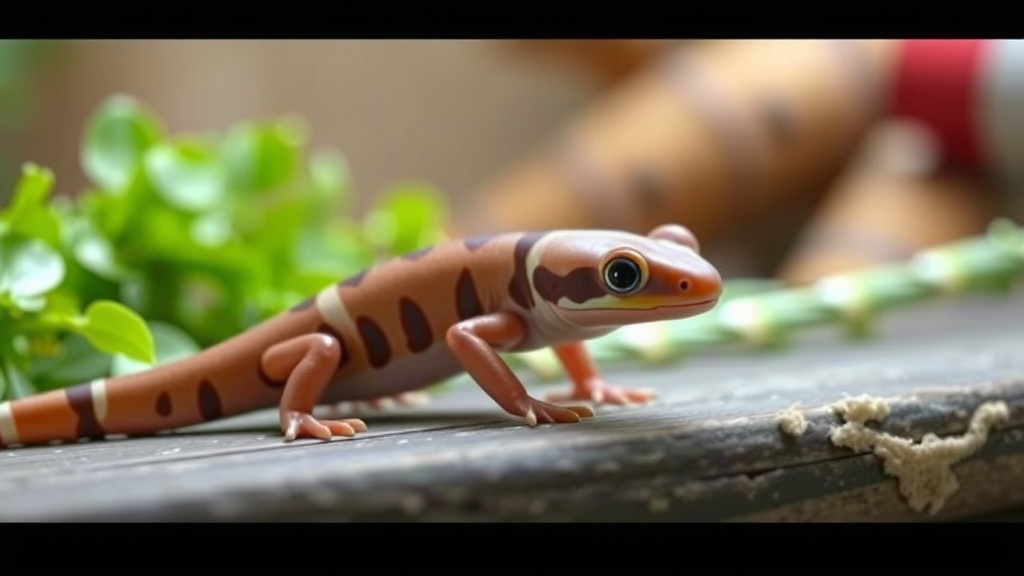
Is your salamander aquatic, semi-aquatic, or terrestrial? This will influence how you offer food. Aquatic species might eat from the substrate or water column, while terrestrial ones will hunt on land. Always research your specific species’ needs.
For example, tiger salamanders are primarily terrestrial and will hunt insects on the substrate. Aquatic species like the Axolotl (though technically a type of salamander) will often accept food directly from tongs or will eat from the bottom of their tank.
Hydration is Key Too
While we’re talking about food, don’t forget hydration! Salamanders absorb water through their skin. A consistently moist substrate for terrestrial species and clean, fresh water for aquatic species are non-negotiable. Dehydration can seriously impact their health and their ability to digest food.
A Quick Feeding Checklist
Here’s a simple checklist to keep your feeding routine on track:
- Offer live insects daily or every other day.
- Gut-load your feeder insects.
- Ensure insect size is appropriate.
- Remove uneaten food promptly.
- Always provide fresh water.
- Research your specific salamander’s needs.
Making sure your salamander receives a balanced and appropriate diet is one of the most important aspects of keeping them healthy and thriving in your care. It takes a little effort, but seeing your little amphibian friend healthy and active is incredibly rewarding!
Conclusion
You’ve learned that a healthy salamander diet focuses on live insects, gut-loaded for maximum nutrition. Remember that variety and appropriate sizing are key. Supplementing with commercial foods can be helpful, but always research your specific salamander’s needs first. By following a consistent feeding schedule and ensuring proper hydration, you’re setting your pet up for a long, vibrant life. Your next step is to review your current feeding plan and make any necessary adjustments to provide the most nutritious diet possible for your amphibian friend.
Frequently Asked Questions
How often should I feed my adult pet salamander?
Most adult salamanders do well with being fed every 2 to 3 days. This schedule allows them to digest their food properly without overfeeding. Always observe your salamander’s behavior and adjust the frequency as needed.
Can I feed my salamander dried insects instead of live ones?
While dried insects can be an option in a pinch, they are not ideal for a regular diet. Dried insects lose much of their nutritional value and don’t stimulate natural hunting behaviors. Live insects are always the preferred and most nutritious choice.
What should I do if my salamander isn’t eating?
If your salamander stops eating, first check their habitat’s temperature and humidity levels, as these can affect appetite. Ensure the food you’re offering is fresh and appropriately sized. If the problem persists, consult with a veterinarian experienced with amphibians.
Is it okay to feed my salamander the same type of insect every time?
Offering the same insect repeatedly can lead to nutritional deficiencies. It’s best to provide a variety of gut-loaded insects like crickets, earthworms, and black soldier fly larvae. This ensures a broader spectrum of nutrients.
Do I need to dust my salamander’s food with vitamins?
Yes, it’s often recommended to lightly dust feeder insects with a reptile and amphibian multivitamin supplement, especially those containing calcium and D3. This is particularly important if you are not consistently gut-loading your insects, as it helps prevent metabolic bone disease.