What to Feed a Pet Frog
Feeding your pet frog the right food is key to their health and happiness. Most pet frogs thrive on a diet of live insects, like crickets, mealworms, and roaches. Always gut-load insects before feeding them to your frog to ensure they get proper nutrition.
Choosing the correct diet depends on your frog’s species, age, and size. Younger frogs, or tadpoles, often need specialized foods like fish flakes or powdered insectivore pellets. We found that offering a variety of appropriately sized prey keeps your frog engaged and well-nourished.
- Feed live insects like crickets and mealworms.
- Gut-load insects for better nutrition.
- Offer species-appropriate food.
- Tadpoles need specialized diets.
- Variety is important for picky eaters.
Let’s hop into the details of what makes a perfect meal for your little amphibian friend!
Choosing the Right Food for Your Amphibian Friend
So, you’ve got a pet frog! That’s awesome. Now, let’s talk about the most important thing: what goes into that cute little froggy mouth. Feeding your frog correctly is super important for their health. It ensures they get all the nutrients they need to be active and happy. We’re going to break down what makes a good frog diet.
The best food for your frog depends on a few things. We need to think about their species, how old they are, and how big they’ve gotten. Just like people, different frogs have different dietary needs. Some frogs are picky eaters, and others will try to eat anything that moves! We’ll cover the basics that apply to most pet frogs.
The Staple Diet: Live Insects
For most adult pet frogs, the foundation of their diet is live insects. Think of them as tiny, protein-packed snacks. Frogs in the wild catch insects, so providing live prey is often best for their instincts and digestion. It also keeps them stimulated and active.
Common Feeder Insects
What kind of insects are we talking about? There are several good options that are readily available. Crickets are a very popular choice. They’re easy to find at pet stores and are a good source of protein and calcium. Mealworms are another common food. They’re small and easy for many frogs to eat. However, mealworms can be a bit fatty, so they’re better as an occasional treat or mixed in with other foods.
Don’t forget about roaches! Species like dubia roaches and red runner roaches are excellent food sources. They are nutritious and less likely to escape your frog’s enclosure compared to crickets. Some frog owners even raise their own feeder insects. This ensures a consistent supply and allows you to control their diet, which brings us to gut-loading.
The Magic of Gut-Loading
This is a really important step that many people overlook. Gut-loading means feeding the feeder insects a nutritious diet for at least 24 hours before you feed them to your frog. Why is this so crucial? Because whatever the insect eats, your frog eats! If the insects are just eating dry bran, they won’t offer much nutrition to your frog.
What should you feed the feeder insects? A balanced diet for them could include commercial gut-load formulas, fresh vegetables like carrots, sweet potatoes, or leafy greens, and even some fruit. We found that a varied diet for the insects leads to a healthier frog. This practice ensures your frog gets essential vitamins and minerals that might be missing from the insects alone (NCBI).
Sizing Matters: Prey Size Guidelines
Offering insects that are too large can cause serious health problems for your frog. It can lead to impaction, which is a blockage in their digestive system. This can be painful and even fatal if not treated. So, how do you know the right size?
A good rule of thumb is that the feeder insect should be no wider than the space between your frog’s eyes. For very small frogs or newly metamorphosed froglets, you’ll need tiny prey like wingless fruit flies or pinhead crickets. As your frog grows, you can gradually increase the size of the prey. We found that observing your frog’s feeding behavior helps you gauge the appropriate size.
Beyond Insects: Specialized Diets
Not all frogs eat the same thing, and not all stages of a frog’s life require just insects. Tadpoles, for example, have very different needs.
Tadpole Nutrition
If you’re raising tadpoles, you’ll need to provide a specialized diet. Many common tadpoles thrive on fish flakes or high-quality fish food. Look for formulas specifically designed for tadpoles or omnivorous fish. These usually contain the right balance of protein, calcium, and other nutrients they need to develop properly.
Some amphibian enthusiasts also use powdered insectivore pellets that have been rehydrated. These can be a good source of nutrients for growing tadpoles. It’s important to note that some tadpoles are strictly herbivorous, while others are omnivorous. Researching your specific tadpole species will tell you exactly what they need. Avoid feeding them human food or anything that could contaminate their water.
Calcium and Vitamin Supplements
Even with gut-loaded insects, it’s a good idea to supplement your frog’s diet. This is especially true for calcium and vitamins. Calcium is vital for bone health, and vitamin D3 helps their bodies absorb calcium. Without enough calcium, frogs can develop metabolic bone disease, a serious condition. Many experts recommend dusting the feeder insects with a calcium supplement powder a few times a week.
You can also use a multivitamin supplement designed for reptiles and amphibians. However, don’t go overboard with the supplements. Too much can be just as harmful as too little. A common recommendation is to dust insects with calcium powder for most feedings and use a multivitamin powder once or twice a week. We found that a balanced supplementation schedule is key to preventing deficiencies.
Variety is the Spice of Life (and Diet)
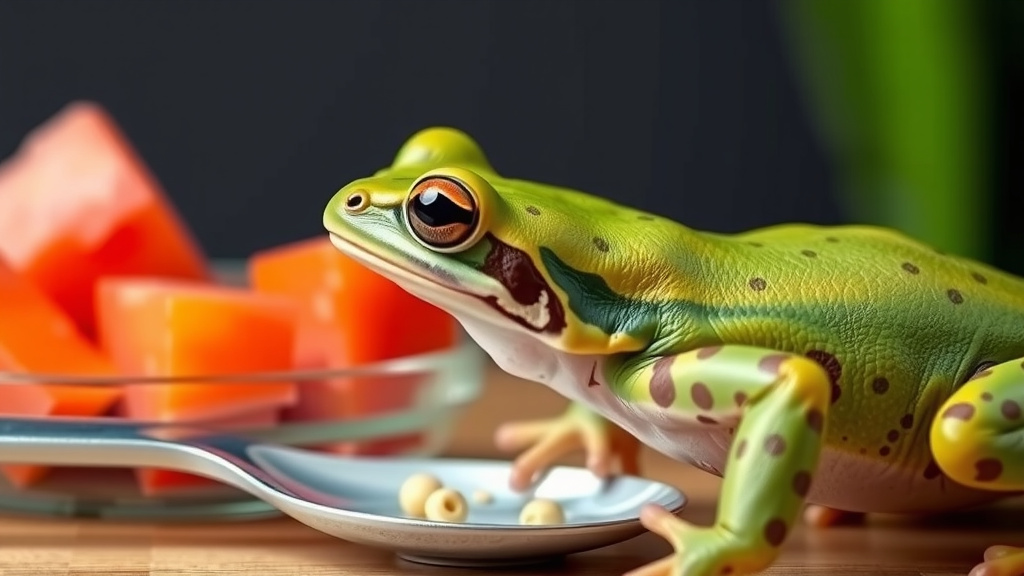
Just like you wouldn’t want to eat the exact same thing every single day, your frog will benefit from dietary variety. Offering different types of feeder insects can ensure they get a wider range of nutrients. For instance, switching between crickets, roaches, and even occasional waxworms (as a treat, they are fatty) can be beneficial.
Some frogs can be quite picky. If your frog seems uninterested in a particular food item, don’t force it. Try offering a different type of insect or a different size. We found that introducing new foods slowly and observing your frog’s reaction can help you discover their favorites and ensure they’re eating well.
What to Avoid Feeding Your Frog
There are certain things you should absolutely never feed your pet frog. Wild-caught insects can carry parasites or pesticides that can harm your frog. So, it’s best to stick to commercially raised feeder insects. Avoid feeding your frog any human food, like bread, cheese, or cooked meats. These foods are not digestible for frogs and can make them very sick.
Also, be cautious with pre-killed or frozen insects. While some amphibians can be trained to eat them, most frogs do best with live prey. The movement of live insects helps stimulate their feeding response. If you must use pre-killed insects, make sure they are specifically designed for amphibian consumption and are properly stored.
A Feeding Checklist for Success
To make sure you’re on the right track, here’s a quick checklist to keep your frog well-fed:
- Always offer live insects.
- Gut-load feeder insects for 24 hours before feeding.
- Choose prey size no wider than your frog’s eyes.
- Dust insects with calcium powder regularly.
- Supplement with vitamins once or twice a week.
- Provide a variety of appropriate feeder insects.
By following these guidelines, you’re well on your way to becoming a pro at feeding your pet frog. A well-nourished frog is a happy and healthy frog!
Conclusion
Feeding your pet frog the right diet is essential for their well-being. You’ve learned that a varied diet of gut-loaded live insects forms the backbone of most frog diets. Remember to always consider your frog’s species, age, and size when selecting their food. Don’t forget the importance of proper supplementation for strong bones and overall health. By offering the correct foods and avoiding those that can cause harm, you’re setting your amphibian friend up for a long, happy life. Start by reviewing your current feeding routine and making small adjustments based on this guide.
Frequently Asked Questions
How often should I feed my pet frog?
Most adult frogs do well with feeding every other day. Younger, growing frogs or tadpoles may need to be fed daily. It’s always best to observe your frog’s appetite and adjust feeding frequency as needed, ensuring you don’t overfeed.
Can I feed my frog anything from my own kitchen?
No, you should avoid feeding your frog any human food. Foods like bread, cheese, or cooked meats are indigestible for frogs and can cause severe health problems. Stick to species-appropriate feeder insects and specialized tadpole foods.
What are the signs my frog isn’t eating enough?
Signs of poor nutrition include lethargy, weight loss, or a dull appearance. If your frog seems uninterested in food or is refusing to eat, it could indicate an issue with their diet, environment, or health. Consult a vet experienced with amphibians if you notice these symptoms.
Is it okay to feed my frog wild-caught insects?
It’s generally not recommended to feed your frog wild-caught insects. These insects can carry parasites, pesticides, or diseases that could be harmful or fatal to your pet. Commercially raised feeder insects are a much safer and more reliable option.
How do I know if my frog is getting enough calcium?
Signs of calcium deficiency, like metabolic bone disease, include weak bones, deformities, or difficulty moving. Regularly dusting feeder insects with a high-quality calcium supplement, especially for younger frogs, helps prevent these issues. Observe your frog for any signs of weakness.