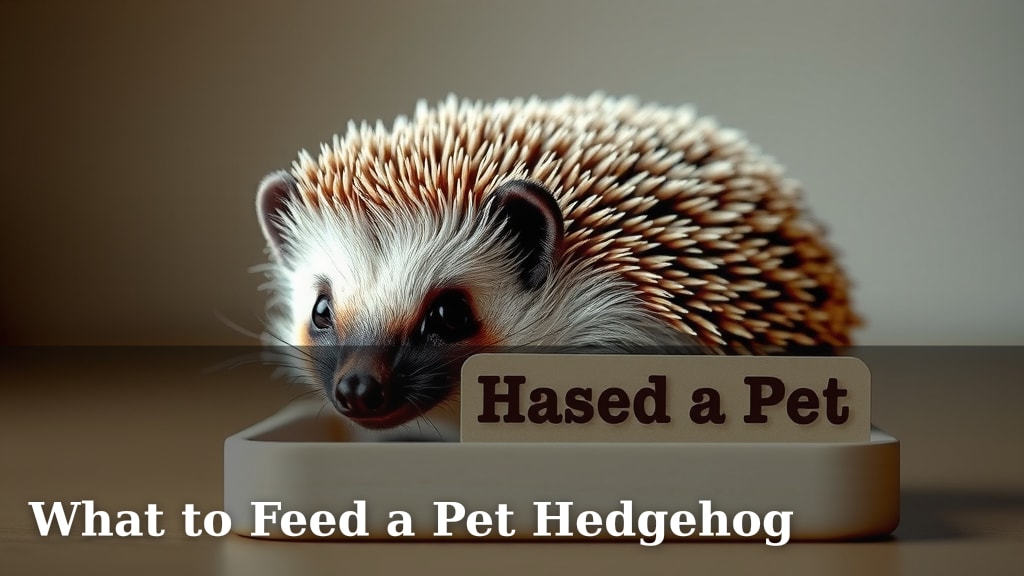
What to Feed a Pet Hedgehog
Your hedgehog needs a diet that’s high in protein and low in fat. A good diet for your pet hedgehog consists mainly of high-quality commercial hedgehog food or a mix of dry cat food (low fat, high protein). You can supplement this with small amounts of insects and certain fruits and vegetables. We found this balanced approach helps keep your spiky friend healthy and happy.
Beyond their main meals, understanding what treats are safe is important. Many hedgehog owners wonder about specific foods, and research shows that a varied, balanced diet is key to preventing health issues. Providing the right nutrition helps ensure your hedgehog has the energy to explore and play. We found that sticking to recommended guidelines is the best way to care for your pet.
- Main diet: High-protein, low-fat commercial hedgehog food or dry cat food.
- Supplements: Small amounts of insects, certain fruits, and vegetables.
- Avoid: Dairy, nuts, seeds, and sugary or fatty human foods.
- Hydration: Always provide fresh, clean water.
- Consult: Talk to your vet for personalized advice.
Let’s walk through exactly what to feed your hedgehog to keep them thriving. We’ll cover the best food options and what to avoid.
Feeding Your Spiky Companion the Right Way
You’re probably wondering about the best foods for your little hedgehog. It’s more than just filling a bowl! We found that a balanced diet is key to keeping your hedgehog healthy and energetic. Think of it like fuel for their tiny adventures. We’ve looked at what hedgehog experts recommend, and it boils down to a few main food groups. Let’s break it down so you can feel confident about what you’re serving.
Understanding Hedgehog Nutritional Needs
Hedgehogs are insectivores, meaning their natural diet consists mostly of bugs. This gives us a clue about what they need in captivity. They require a diet that’s high in protein and relatively low in fat. We found that protein is essential for muscle development and overall body function. Too much fat can lead to obesity and related health problems, which no one wants for their pet!
The Importance of Protein
Protein is the building block for everything in your hedgehog’s body. It helps maintain their skin and fur, which is pretty important for a creature with quills! We found that many commercial hedgehog foods are designed to meet this protein requirement. Look for foods where meat or a meat meal is one of the first ingredients listed. This ensures they’re getting that essential animal protein.
Fat Content: Not Too Much!
While hedgehogs do need some fat for energy, too much can cause issues. We found that obesity can lead to heart problems and make them sluggish. Your goal is to find a food that’s appropriate in fat content. Typically, a fat percentage between 10-20% is often recommended. Always check the guaranteed analysis on your pet food packaging.
Primary Food Sources for Your Hedgehog
So, what exactly should you put in their food dish? We found that there are a couple of go-to options that are widely accepted and recommended.
Commercial Hedgehog Foods: The Easy Choice
The most straightforward option is a food specifically formulated for hedgehogs. We found that these foods are designed to provide a complete and balanced diet. They take the guesswork out of it for you. When choosing a hedgehog food, always read the ingredients and the guaranteed analysis. You want to see meat listed high up and a good protein-to-fat ratio.
High-Quality Dry Cat Food: A Viable Alternative
If you can’t find a dedicated hedgehog food, or if your little one is picky, a high-quality dry cat food can work. We found that this is a common practice among many hedgehog owners. The key is to choose a cat food that is high in protein (around 30-35%) and low in fat (around 10-15%). Avoid cat foods with a lot of corn, artificial colors, or by-products as the main ingredients. We always recommend consulting your vet on specific cat food brands.
Here’s a quick comparison of what to look for:
| Food Type | Protein Level | Fat Level | Key Considerations |
|---|---|---|---|
| Commercial Hedgehog Food | 30-40% | 10-20% | Specifically formulated, check ingredients |
| High-Quality Dry Cat Food | 30-35% | 10-15% | Low ingredient fillers, meat as primary source |
Mixing Food for Palatability
Sometimes, a mix can be beneficial. We found that some owners like to mix a bit of kibble with a small amount of wet cat food or even a specialized hedgehog food. This can encourage picky eaters. Just be sure the wet food is also low in fat and free of artificial additives. Keep portion sizes small to avoid spoilage.
Safe Supplements and Treats
While the main diet is crucial, occasional treats can be a fun part of bonding with your hedgehog. We found that small amounts of certain foods can be offered safely. Always introduce new foods gradually and watch for any digestive upset.
Insects: A Hedgehog’s Natural Delight
Hedgehogs naturally love to eat insects! Feeding them safe, gut-loaded insects can be a great supplement. We found that mealworms, crickets, and waxworms are popular choices. You can buy these from pet stores that sell reptile or small animal supplies. Make sure the insects are appropriately sized – you don’t want them to be a choking hazard. Always offer insects sparingly, as they can be quite fatty.
Fruits and Vegetables: Use with Caution
A tiny bit of certain fruits and vegetables can be offered. We found that small pieces of cooked chicken or turkey (plain, no spices) can also be a good protein boost. Apples (no seeds), berries, carrots, peas, and cooked sweet potato are generally safe in very small quantities. However, we found that vegetables should make up a very small portion of their overall diet. Too much can lead to digestive issues.
What to Absolutely Avoid
Just as important as knowing what to feed is knowing what to avoid. We found that some foods can be dangerous or unhealthy for hedgehogs.
- Dairy: Hedgehogs are lactose intolerant.
- Nuts and Seeds: They are high in fat and can be choking hazards.
- Avocado: This is toxic to many animals.
- Grapes and Raisins: Can cause kidney failure.
- Onions, Garlic, Chives: These are toxic.
- Sugary or Salty Human Foods: These offer no nutritional value and can cause health problems.
Ensuring Proper Hydration
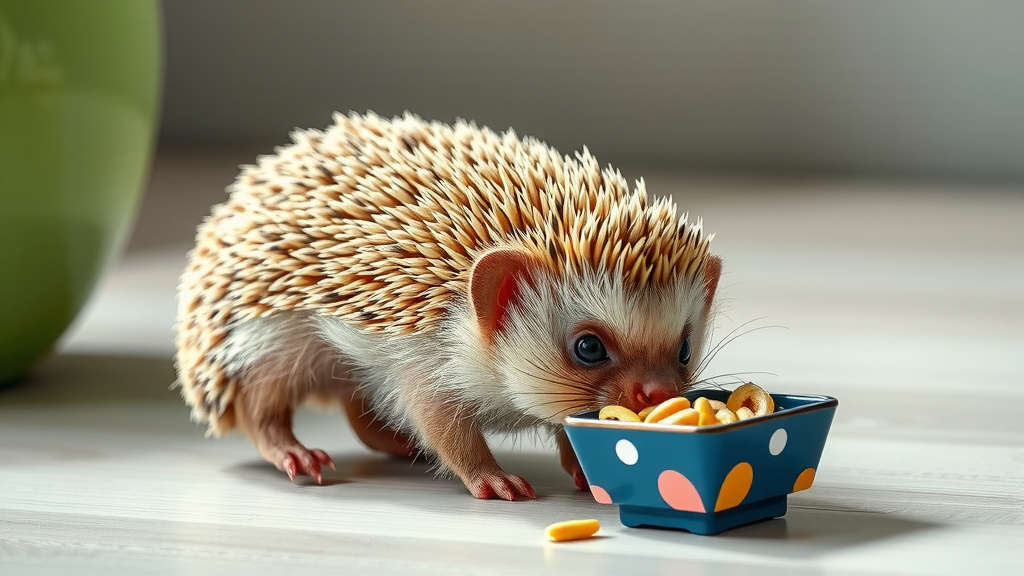
Don’t forget water! It’s as vital as food. We found that fresh, clean water should always be available. Many owners use a sturdy, shallow ceramic bowl. Sipper bottles can also be used, but ensure your hedgehog knows how to operate it. We found that checking the water bowl daily and refilling it is essential for their health.
Creating a Feeding Routine
Consistency helps. We found that feeding your hedgehog around the same time each evening is beneficial, as they are nocturnal. Offer a small amount of food, usually 1-2 tablespoons, depending on the food type and your hedgehog’s size. Adjust as needed based on their activity level and weight. Regular weigh-ins can help you monitor their health.
Quick Feeding Checklist
Here’s a quick rundown to keep your hedgehog fed right:
- Offer high-protein, low-fat main food daily.
- Provide fresh, clean water at all times.
- Introduce new foods slowly and in tiny amounts.
- Offer insects as occasional treats, not a staple.
- Avoid dairy, nuts, seeds, and toxic human foods.
- Monitor your hedgehog’s weight and adjust portions.
Conclusion
You’ve learned the essentials for feeding your hedgehog a healthy diet. Remember, their nutritional needs lean heavily towards high protein and low fat. Sticking to quality commercial foods or carefully selected cat foods will form the core of their meals. Occasional insect treats and tiny portions of safe fruits and veggies can add variety. Always ensure fresh water is available. By providing a balanced diet and avoiding harmful foods, you’re setting your spiky friend up for a happy and energetic life. Your next step is to review your hedgehog’s current food and make any necessary adjustments.
Frequently Asked Questions
How much should I feed my hedgehog each night?
You’ll typically want to offer about 1-2 tablespoons of food per night. This amount can vary based on your hedgehog’s size and activity level. We found that monitoring their weight helps you adjust portions correctly.
Can I feed my hedgehog table scraps?
It’s best to avoid most human table scraps. Foods high in sugar, salt, or fat can be very unhealthy for hedgehogs. Always stick to foods specifically recommended for them to prevent health issues.
What are the best insect treats for hedgehogs?
Mealworms, crickets, and waxworms are popular insect choices. You can buy these from pet stores. Remember to offer them sparingly, as they can be quite fatty. Make sure they are appropriately sized for your hedgehog.
Is it okay to give my hedgehog dairy products like yogurt?
No, you should absolutely avoid giving your hedgehog dairy products. Like many animals, hedgehogs are lactose intolerant. Dairy can cause them digestive upset and other health problems.
How often should I switch my hedgehog’s food?
It’s generally best to stick with a consistent, high-quality food. If you do need to switch, do so gradually over a week. Mix the old food with the new food, slowly increasing the new food’s proportion. This helps prevent digestive upset.