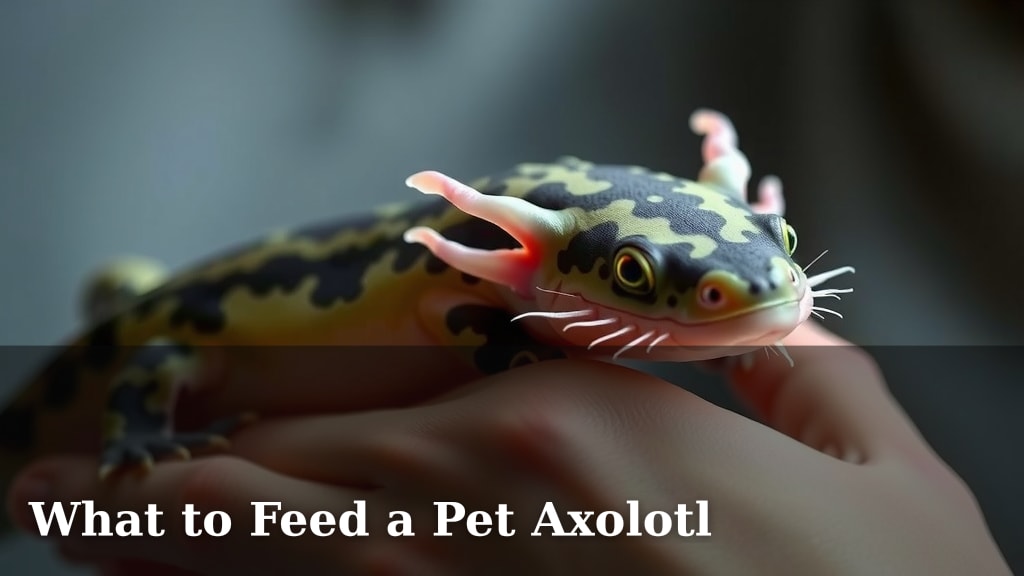
What to Feed a Pet Axolotl
So, what should you feed your adorable pet axolotl? Primarily, you should offer them high-quality protein sources. Think earthworms and specialized axolotl pellets. These form the foundation of a healthy axolotl diet, providing essential nutrients for your aquatic friend.
Beyond the basics, variety is key to a thriving axolotl. We found that introducing things like bloodworms or brine shrimp occasionally can be beneficial. Just remember, their diet should be protein-rich and easy to digest, mimicking what they’d eat in the wild to ensure their long-term health and happiness.
TL;DR:
- Feed earthworms and axolotl pellets.
- Offer variety like bloodworms sparingly.
- Focus on high-quality protein.
- Avoid processed human foods.
- Ensure food is easy to digest.
Let’s dive into the specifics of what makes a perfect meal for your pet axolotl, ensuring they stay healthy and active.
Feeding Your Axolotl: A Protein-Rich Diet Guide
You want to make sure your pet axolotl is happy and healthy, right? A big part of that is giving them the right food. Think of it like feeding a tiny, adorable underwater dragon – they need specific fuel to thrive. The main thing to remember is that axolotls are carnivores. This means their diet should be packed with high-quality protein.
In the wild, axolotls eat small aquatic creatures. Their digestive systems are built for this. So, when you’re choosing food for your pet, you want to mimic that as closely as possible. This isn’t about giving them just anything; it’s about providing balanced nutrition for their unique needs. We found that focusing on protein leads to better growth and overall well-being.
Staple Foods for Your Aquatic Friend
The absolute best foods to feed your axolotl regularly are earthworms and specialized axolotl pellets. These form the backbone of a healthy diet. They provide the essential nutrients your axolotl needs to grow, heal, and stay active.
Earthworms: The Gold Standard
Many axolotl keepers swear by earthworms. They are an excellent source of protein and other vital nutrients. Plus, they’re a natural food for axolotls. You can purchase them from bait shops or garden centers. It’s best to choose red wigglers or nightcrawlers.
Preparing Earthworms
Before feeding, make sure the worms are clean. You can rinse them gently under cool water. Some people like to chop them into bite-sized pieces. This is especially helpful for younger axolotls or smaller adults. It makes them easier to eat and digest.
Always remove any uneaten worms from the tank within 15-20 minutes. Leftover food can foul the water. This is bad for your axolotl’s delicate environment. We found that feeding worms 3-4 times a week works well for most adult axolotls.
Axolotl Pellets: A Convenient Option
Specialized axolotl pellets are a great choice. They are formulated to provide complete nutrition. Many of these are sinking pellets. This is good because axolotls don’t typically swim to the surface to eat. It also keeps your water cleaner.
Choosing the Right Pellets
Look for pellets that list a high protein content. They should also be low in fat. Brands specifically made for axolotls are your best bet. Avoid generic fish or reptile pellets. They might not have the right nutritional balance.
We found that offering pellets a few times a week can complement their worm diet. It’s easy to store and prepare. Just drop a few pellets into the tank. Remember to remove any uneaten food, just like with worms.
Occasional Treats and Variety
While earthworms and pellets are staples, a little variety can be good. Offering different foods now and then keeps things interesting for your axolotl. It also ensures they get a broader range of nutrients. However, always introduce new foods slowly.
Bloodworms and Brine Shrimp
Frozen or live bloodworms can be a tasty treat. They are highly palatable for axolotls. Brine shrimp are another option. Both are good for tempting picky eaters or encouraging young axolotls to start eating.
Moderation is Key
These smaller treats should not be the main part of the diet. They are lower in protein and can be more difficult to digest in large quantities. Think of them as a small snack, not a full meal. Many experts suggest offering these only once or twice a week, if at all.
We found that overfeeding bloodworms can sometimes lead to digestive issues. So, use them sparingly. When feeding live foods, ensure they are from a reputable source. This helps avoid introducing parasites or harmful bacteria.
Foods to Avoid: What NOT to Feed Your Axolotl
Just as important as knowing what to feed your axolotl is knowing what to avoid. Their digestive systems are quite sensitive. Some common aquarium foods are not suitable for them. Feeding the wrong things can cause serious health problems.
Processed Foods and Meats
Never feed your axolotl human food or processed meats. Things like hot dogs, deli meats, or leftover dinner scraps are a definite no. They are too fatty and contain seasonings that are harmful. They offer very little nutritional value for an axolotl.
Live Feeder Fish
While axolotls might seem like they’d eat feeder fish, it’s generally not recommended. Feeder fish can carry diseases and parasites. They may also lack proper nutrition. It’s safer to stick to prepared foods or ethically sourced live foods like worms.
Overfeeding and Food Type
Avoid overfeeding at all costs. It can lead to obesity and digestive problems. Only feed what your axolotl can consume in about 5-10 minutes. Also, remember that axolotls don’t have teeth to chew. Their food needs to be small enough to swallow whole. This is why chopping worms is important.
Feeding Schedule and Quantity: A Quick Guide
How often and how much you feed depends on your axolotl’s age and size. Younger axolotls need to eat more often. Adults can be fed less frequently.
| Axolotl Age | Feeding Frequency | Portion Size |
|---|---|---|
| Juveniles (under 6 months) | Daily | As much as they can eat in 5 minutes (approx. 3-5 small worms or equivalent pellets) |
| Sub-adults (6-12 months) | Every other day | As much as they can eat in 5-10 minutes (approx. 5-7 worms or equivalent pellets) |
| Adults (over 1 year) | 2-3 times per week | As much as they can eat in 5-10 minutes (approx. 2-4 larger worms or equivalent pellets) |
Remember to adjust based on your axolotl’s condition. If they look plump and active, you’re likely doing it right. If they seem thin or listless, you may need to adjust their diet. Always remove uneaten food promptly.
Your Axolotl’s Diet Checklist
To help you keep track, here’s a simple checklist for your axolotl’s feeding routine:
- Always offer high-protein foods.
- Primary foods: Earthworms and axolotl pellets.
- Occasional treats: Bloodworms, brine shrimp (sparingly).
- Avoid: Human food, processed meats, feeder fish.
- Watch out: Remove uneaten food within 15 minutes.
- Observe: Adjust portion sizes based on your axolotl’s health.
Conclusion
Feeding your axolotl a healthy diet is fundamental to their well-being. You’ve learned that a protein-rich diet, centered around earthworms and specialized axolotl pellets, is the way to go. Remember to offer variety sparingly and always avoid human foods and feeder fish. By sticking to these guidelines and observing your axolotl’s needs, you can ensure your unique pet thrives for years to come. Now, go ahead and prepare a nutritious meal that your aquatic friend will love!
Frequently Asked Questions
How often should I feed my adult axolotl?
For adult axolotls over one year old, feeding 2-3 times per week is generally sufficient. You should offer them an amount they can consume within 5-10 minutes to avoid overfeeding.
Can I feed my axolotl regular fish food?
It’s best to avoid regular fish food. Axolotls have specific dietary needs, and most fish foods don’t provide the right balance of protein and nutrients. Stick to specialized axolotl pellets for a guaranteed healthy option.
What if my axolotl doesn’t eat the pellets?
If your axolotl is hesitant with pellets, you can try enticing them with earthworms or bloodworms first. Ensure the pellets are sinking type and of high quality. Sometimes, they just need a little time to adjust to a new food source.
How do I know if I’m overfeeding my axolotl?
Watch your axolotl’s body condition. If they appear plump and are active, you’re likely feeding them the right amount. Listlessness or noticeable fat deposits can be signs of overfeeding, while being too thin indicates they need more food.
Are live bloodworms safe for my axolotl?
Live bloodworms can be a tasty treat but should be given sparingly. Always source them from a reputable supplier to minimize the risk of parasites or harmful bacteria. Frozen bloodworms are often a safer and more convenient alternative.