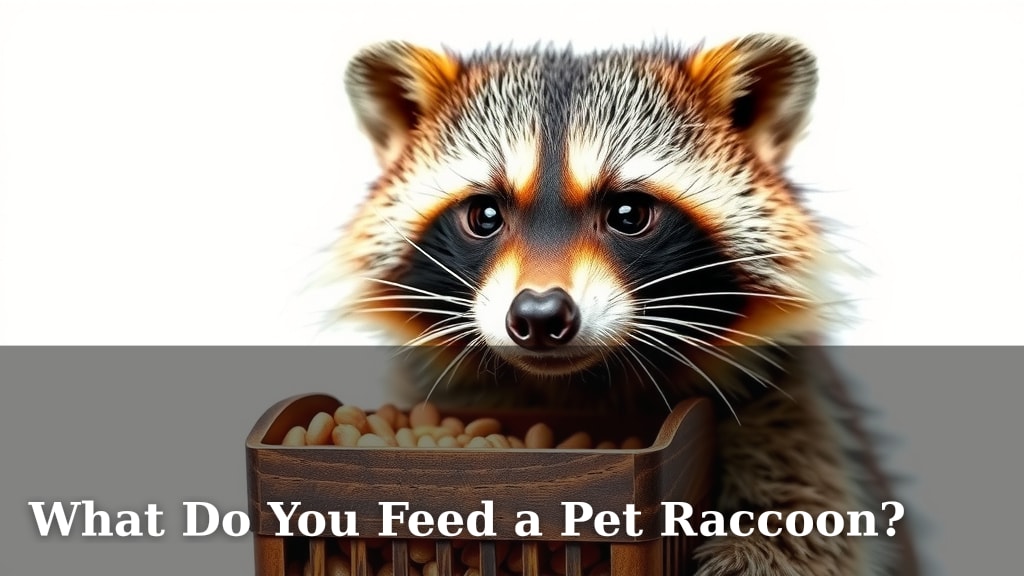
What Do You Feed a Pet Raccoon?
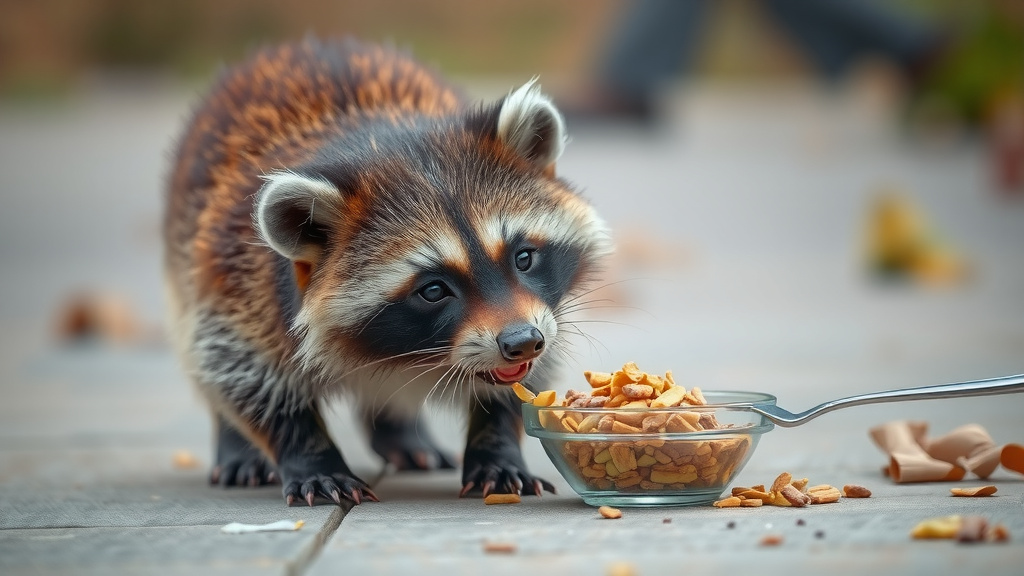
Feeding a pet raccoon involves providing a diet that mimics their natural foraging habits, focusing on a mix of protein, fruits, vegetables, and some grains. While raccoons are opportunistic eaters, their dietary needs are specific, and you cannot simply feed them human leftovers. Ensuring they get the right balance is key to their health and well-being.
Understanding what raccoons eat in the wild can help you create a suitable captive diet. They are omnivores, meaning they enjoy a variety of foods from insects and small animals to berries and nuts. When caring for a pet raccoon, it’s important to avoid foods that can cause digestive upset or long-term health problems, making a balanced and varied diet essential.
- Raccoons need a mix of protein, fruits, and vegetables.
- Mimic their natural foraging diet as closely as possible.
- Avoid feeding them processed human foods or certain toxic items.
- Consult with a veterinarian or wildlife expert for specific advice.
- Water should always be readily available.
Let’s break down the best food options for your pet raccoon to keep them happy and healthy.
Feeding Your Pet Raccoon: A Balanced Approach
So, you’re curious about what to feed your pet raccoon? It’s a question many new raccoon owners ponder. The short answer is a diet rich in variety, much like what they’d forage for in the wild. This means a carefully balanced mix of protein, fruits, vegetables, and some grains. Think of it as creating a gourmet buffet designed specifically for their unique digestive system and nutritional needs.
Understanding the Raccoon Diet
Raccoons are opportunistic omnivores. This means they’ll eat just about anything they can get their paws on! Their natural diet includes insects, small rodents, eggs, fish, and various plant matter like fruits, nuts, and grains. In captivity, you’ll need to replicate this diverse menu to ensure they get all the necessary vitamins and minerals. A diet that’s too heavy in one area can lead to health problems down the line.
Protein Sources: The Building Blocks
Protein is essential for your raccoon’s growth and overall health. You can provide a variety of high-quality protein sources. Think lean meats like cooked chicken, turkey, or lean beef. Small amounts of cooked fish, like salmon or sardines (without bones and packed in water, not oil), can also be a good addition. Remember to avoid heavily seasoned or processed meats; plain and simple is best.
Insects and Eggs: Natural Delights
In the wild, insects make up a significant portion of a raccoon’s diet. You can offer feeder insects like crickets, mealworms, or earthworms. These provide essential nutrients and are a natural part of their foraging behavior. Cooked eggs, whether scrambled or hard-boiled, are also an excellent protein boost. Just make sure they are thoroughly cooked and served plain.
Fruits and Vegetables: A Colorful Array
A wide selection of fresh fruits and vegetables is vital for providing vitamins, minerals, and fiber. Aim for a variety of colors to ensure a broad spectrum of nutrients. Many common fruits and vegetables are suitable for raccoons, but there are a few to be cautious about.
Safe Fruits to Offer
Your raccoon will likely enjoy many of the same fruits you do! Berries like blueberries, raspberries, and strawberries are excellent choices. Apples (cored and seeded), bananas, melons, and peaches are also good options. Always remove pits and large seeds, as these can be choking hazards or cause blockages. Moderation is key, as some fruits are high in sugar.
Recommended Vegetables
Offer a diverse range of vegetables. Leafy greens like kale, spinach, and romaine lettuce are great. Other suitable options include carrots, sweet potatoes (cooked), peas, green beans, broccoli, and squash. You can serve most vegetables raw or lightly steamed. Avoid feeding large amounts of starchy vegetables like potatoes or corn, as they can be harder to digest.
Grains and Other Essentials
While not the primary focus, small amounts of certain grains can contribute to a balanced diet. Cooked oatmeal or rice (plain) can be offered occasionally. Some commercial raccoon or primate diets can also be used as a base, but these should always be supplemented with fresh foods. Many experts suggest using a high-quality, low-sugar commercial kibble designed for primates or ferrets as a component of the diet, ensuring it’s not the *only* food source.
What to Absolutely Avoid
This is incredibly important! There are many human foods that are harmful to raccoons. Processed foods, junk food, sweets, chocolate, and anything with artificial sweeteners are a definite no-go. Dairy products can also cause digestive upset for many raccoons. Never feed them raw or undercooked meat or fish due to the risk of harmful bacteria. Avoid avocado, onions, garlic, and macadamia nuts, which can be toxic. Also, be very careful with bones, as they can splinter and cause internal injury.
Creating a Feeding Schedule and Tips
Establishing a regular feeding routine can help your raccoon feel secure. Most adult raccoons do well with one to two feedings per day. It’s a good idea to divide their daily food into smaller portions. You can scatter their food around their enclosure or use puzzle feeders to encourage natural foraging behaviors. This mental stimulation is just as important as the nutritional content of the food.
Hydration is Key
Fresh, clean water must always be available. Raccoons are known to “wash” their food, so providing water in a sturdy, heavy bowl that they can’t easily tip over is crucial. Some owners even find that raccoons enjoy playing in their water bowls, so make sure it’s something that can withstand a little extra attention!
A Sample Raccoon Diet Breakdown
Here’s a general idea of how you might structure your raccoon’s daily intake:
| Food Type | Percentage (by weight, approx.) | Examples |
|---|---|---|
| Protein | 40-50% | Cooked lean meats, insects, eggs |
| Fruits | 20-25% | Berries, apples, melons |
| Vegetables | 20-25% | Leafy greens, carrots, sweet potatoes |
| Grains/Commercial Diet | 5-10% | Cooked oatmeal, primate kibble |
Remember, this is a guideline, and individual needs can vary. It’s always best to observe your raccoon and consult with a veterinarian.
When in Doubt, Ask the Experts
Caring for a wild animal like a raccoon comes with significant responsibility. Feeding them correctly is a huge part of that. If you’re ever unsure about what to feed your pet raccoon, or if you notice any changes in their appetite or stool, please consult a veterinarian experienced with exotic animals or a wildlife rehabilitation expert. They can provide personalized advice based on your specific raccoon’s age, health, and activity level.
Here’s a quick checklist to keep your raccoon’s diet on track:
- Offer a variety of lean proteins daily.
- Include a colorful mix of safe fruits and vegetables.
- Provide fresh, clean water at all times.
- Avoid all processed human foods and toxic items.
- Consult an exotic vet for personalized dietary plans.
- Monitor your raccoon’s eating habits and adjust as needed.
Conclusion
Feeding your pet raccoon is a rewarding responsibility. You’ve learned that their diet should mimic nature, focusing on protein, fruits, and vegetables. A varied, balanced approach keeps them healthy and happy. Remember to always provide fresh water and avoid harmful human foods. Your next step is to create a personalized feeding plan for your raccoon. Always consult your exotic veterinarian for expert guidance on their specific dietary needs.
Frequently Asked Questions
How much should I feed my pet raccoon each day?
The exact amount can vary based on your raccoon’s age, size, and activity level. Generally, adult raccoons do well with one to two feedings per day. It’s best to divide their daily food intake into smaller portions to manage their digestion and encourage natural foraging behavior.
Can I feed my pet raccoon dog or cat food?
While some owners use commercial primate or ferret kibble as a *component* of the diet, standard dog or cat food is not ideal. These foods lack the specific nutrient balance raccoons need and can lead to health problems. They should never be the sole food source for your pet raccoon.
Are there any fruits or vegetables that are toxic to raccoons?
Yes, absolutely. You should avoid feeding your raccoon avocado, onions, garlic, and macadamia nuts, as these can be toxic. Always remove pits and large seeds from fruits like peaches and apples, as they can be choking hazards.
How often should I offer insects to my pet raccoon?
Insects are a natural and beneficial part of a raccoon’s diet, providing essential protein and nutrients. Offering feeder insects like crickets or mealworms a few times a week can be a great addition to their food rotation. Ensure they are sourced from a reputable supplier and are free of pesticides.
What’s the best way to give my raccoon their food?
To encourage natural behaviors, consider scattering their food around their enclosure or using puzzle feeders. This provides mental stimulation along with their meal. Make sure their food is served plain, without any seasonings or spices, to avoid upsetting their digestive system.