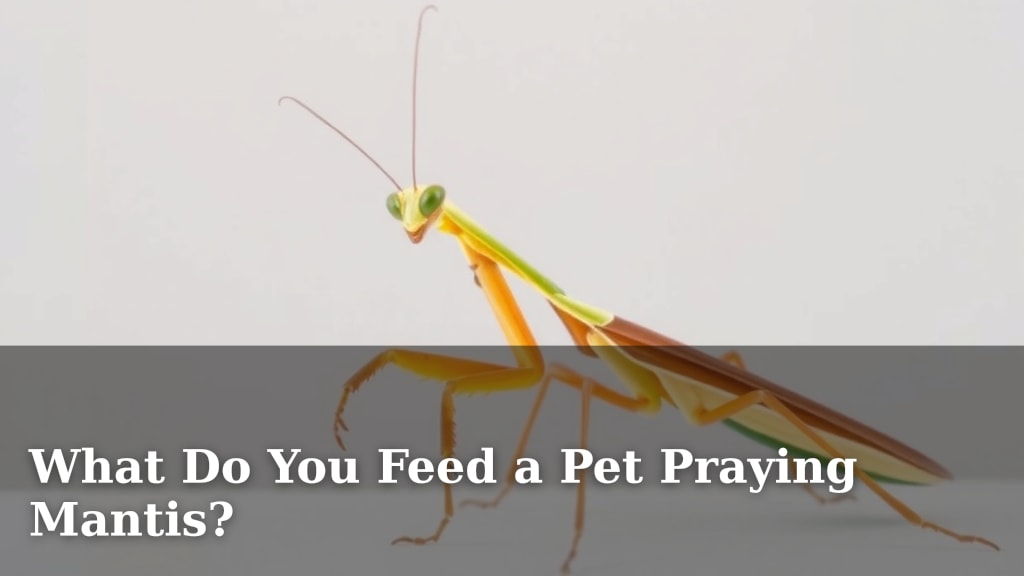
What Do You Feed a Pet Praying Mantis?
Feeding your pet praying mantis is simpler than you might think! You’ll primarily feed them live insects that are appropriately sized for your mantis. This usually includes fruit flies for nymphs and slightly larger prey like crickets or roaches for adult mantises. Remember, a healthy diet is key to a thriving mantis.
What you feed a praying mantis depends heavily on its life stage. Nymphs need tiny food sources to grow, while adults can handle bigger meals. We found that offering a varied diet within safe parameters helps ensure they get all the nutrients they need. Avoid pre-killed prey, as mantises are ambush predators and need to hunt.
- Feed live insects.
- Size matters: use fruit flies for babies, bigger bugs for adults.
- Offer variety when possible.
- Don’t feed dead bugs.
- Research your mantis species for specific needs.
Ready to learn more about keeping your spiky friend happy and well-fed? Let’s dive into the delicious details of what to offer your pet praying mantis.
“`htmlWhat to Feed Your Pet Praying Mantis
Feeding your pet praying mantis is all about mimicking its natural hunting behavior. You need to provide live prey that’s the right size. Think of it like a tiny, fascinating zoo in your home! What you offer will change as your mantis grows. We’ll walk you through the best options for every stage.
The Importance of Live Prey
Praying mantises are ambush predators. This means they rely on sight and movement to catch their meals. They won’t eat dead insects. Their hunting instincts are strong. We found that using live food is absolutely essential for their survival and well-being. It also provides mental stimulation.
Sizing Up the Meal: Nymphs vs. Adults
The biggest factor in what you feed is your mantis’s age and size. A tiny baby mantis needs tiny food. A big adult mantis needs a bigger meal. Offering food that’s too large can be dangerous. It might even lead to injury. On the other hand, food that’s too small won’t provide enough nutrition.
Feeding Baby Mantises (Nymphs)
When your praying mantis is just hatched, it’s incredibly small. These little ones, called nymphs, need the tiniest food items available. The most common and recommended food for very young nymphs is fruit flies. You can buy these at pet stores or cultures to start your own. Make sure they are flightless or have their wings clipped if you’re worried about them escaping. A few fruit flies offered daily is usually enough to get them started.
Feeding Adolescent Mantises (Instars)
As your mantis grows, it will shed its skin multiple times. Each stage between molts is called an instar. With each molt, your mantis can handle slightly larger prey. After the first or second molt, you can introduce pinhead crickets or small roaches. These are still small but offer more substance than fruit flies. Some keepers also use tiny aphids or houseflies if they can source them safely.
Feeding Adult Mantises
Once your mantis reaches its adult size, it can take on much larger prey. This is when you can offer medium to large crickets, dubia roaches (a very popular and nutritious choice), or locusts. The general rule is that the prey item should not be longer than the mantis’s body. Prey that is too large can injure your mantis. We found that variety is key here, as different insects offer different nutrients. Rotating between crickets and roaches is a great idea.
What Prey Items Can You Offer?
Here’s a quick rundown of common and suitable prey insects:
- Fruit Flies: Perfect for the tiniest nymphs.
- Pinhead Crickets: Good for young to adolescent mantises.
- Small Roaches (e.g., Turkestan Roaches): Suitable for adolescent mantises.
- Medium to Large Crickets: Ideal for adult mantises.
- Dubia Roaches: Excellent, nutritious choice for adults.
- Locusts: Another great option for larger mantises.
- Houseflies: Can be used if caught wild, but ensure they haven’t been exposed to pesticides.
It’s important to source your prey insects from a reputable supplier. This helps ensure they are healthy and free from parasites or harmful chemicals. Many people raise their own insect colonies for this purpose.
Prey Size Chart (Approximate)
Choosing the right size prey is critical. Here’s a helpful guide:
| Mantis Size | Recommended Prey Size | Examples |
|---|---|---|
| Nymph (L1-L2) | Very Small (1/8 inch) | Fruit Flies |
| Nymph (L3-L4) | Small (1/4 inch) | Pinhead Crickets, Small Roaches |
| Sub-Adult (L5-L6) | Medium (1/2 inch) | Medium Crickets, Medium Roaches |
| Adult | Large (1 inch or more) | Large Crickets, Large Roaches, Locusts |
Gut-Loading Your Prey
For optimal nutrition, you should “gut-load” your feeder insects. This means feeding the insects a nutritious diet for 24-48 hours before you feed them to your mantis. What the insects eat, your mantis indirectly eats. A common gut-loading diet includes commercial gut-load formulas, fresh vegetables like carrots, sweet potatoes, or leafy greens, and a source of calcium. We found that a well-gut-loaded cricket can be much more beneficial than a plain one. This process adds vital nutrients, especially calcium, which is important for your mantis’s exoskeleton development.
What to Avoid Feeding Your Mantis
There are a few things you should definitely steer clear of:
- Wild-caught insects: These can carry pesticides, parasites, or diseases that can harm your mantis. It’s best to avoid the risk.
- Pre-killed or frozen insects: Mantises need to hunt live prey. They won’t recognize or eat dead food.
- Prey that’s too large: As mentioned, this can cause injury or stress.
- Spiders: While mantises eat spiders in the wild, it’s risky to feed them to your pet. Some spiders are venomous, and you might not be able to identify them correctly.
- Mealworms or waxworms as a staple: These are high in fat and can cause health problems if fed too often. They are better as an occasional treat.
How Often Should You Feed?
The frequency of feeding depends on the mantis’s age and the size of the prey.
- Nymphs: Need to eat almost daily, as they are growing rapidly. Offer a few fruit flies every day.
- Adolescent Mantises: Can be fed every 2-3 days. Offer 1-3 appropriately sized insects.
- Adult Mantises: Typically need to be fed every 3-5 days. Offer 1-2 larger insects.
Always remove any uneaten prey after a few hours. Live insects left in the enclosure can sometimes harass or even injure your mantis, especially if it is about to molt. We found that observing your mantis is the best way to tell if it’s hungry. A well-fed mantis will have a plump abdomen.
Checklist for a Happy, Well-Fed Mantis
Here’s a quick checklist to keep your mantis thriving:
- Always feed live insects.
- Match prey size to your mantis’s size.
- Gut-load feeder insects for better nutrition.
- Remove uneaten live prey promptly.
- Offer variety in your mantis’s diet.
- Monitor your mantis for signs of hunger or distress.
Conclusion
You’ve learned that feeding your pet praying mantis is all about patience and observation. Providing the right live insects at each life stage ensures your mantis stays healthy and happy. Remember to always match prey size to your mantis, gut-load your feeders for extra nutrition, and never offer dead prey. By following these simple guidelines, you can successfully care for your fascinating insect companion. Your next step is to identify a reliable source for live feeder insects so you’re ready to provide meals as soon as your mantis needs them!
Frequently Asked Questions
Can I feed my praying mantis anything other than insects?
No, your praying mantis exclusively eats live insects. They are specialized predators that rely on the movement of live prey to trigger their hunting instincts. Anything other than live insects won’t be recognized as food and can make your mantis sick.
How do I know if my mantis is hungry?
You can tell your mantis is hungry by observing its abdomen. A well-fed mantis will have a plump, rounded abdomen. If the abdomen is thin and appears shrunken, it’s likely time to offer a meal. You can also watch for signs of increased activity, as hungry mantises tend to be more restless.
What should I do if my mantis doesn’t eat a cricket I offered?
If your mantis doesn’t eat a cricket, it might not be hungry, or the cricket might be too large or too quick. You can try offering a smaller insect later or the next day. If your mantis is close to molting, it will likely refuse food, which is perfectly normal. Always remove uneaten prey after a few hours to prevent it from bothering your mantis.
Is it okay to feed my mantis insects caught from my garden?
It’s generally not recommended to feed your mantis insects caught from your garden. Wild-caught insects can carry pesticides, herbicides, parasites, or diseases that can be harmful or even fatal to your pet praying mantis. It’s safest to buy feeder insects from a reputable supplier.
How can I make sure the feeder insects are healthy for my mantis?
To ensure your feeder insects are healthy, always purchase them from a reputable breeder or pet store. Additionally, “gut-loading” the insects for 24-48 hours before feeding them to your mantis is crucial. This means feeding the insects a nutritious diet of fruits, vegetables, and commercial gut-load formulas so they pass those nutrients to your mantis.