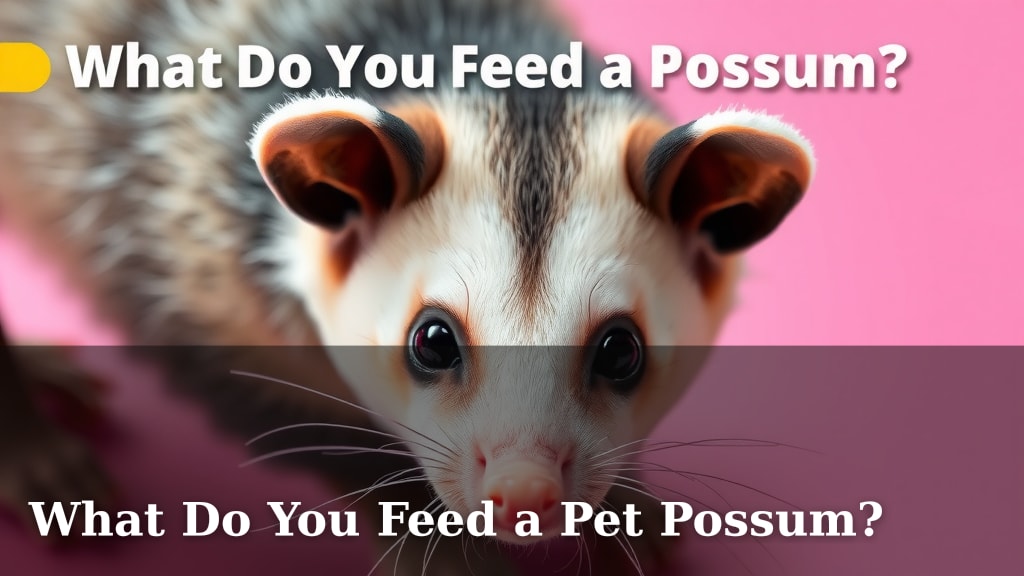
What Do You Feed a Pet Possum?
Feeding a pet possum means offering a diet that’s diverse and balanced. You’ll want to include plenty of fresh fruits, vegetables, and protein sources. Think of them as tiny, furry omnivores with specific tastes and needs.
Understanding what possums eat in the wild is a great starting point. They forage for insects, small prey, and plant matter. Replicating this variety at home is key to their health and happiness. We found that a consistent feeding schedule also helps them adjust.
- Offer a mix of fruits and veggies.
- Include protein sources like insects or cooked eggs.
- Avoid processed human foods.
- Always provide fresh water.
- Consult a vet for specific needs.
Let’s walk through exactly what you should be putting in your pet possum’s bowl.
Caring for Your Pet Possum’s Diet
Figuring out what to feed your pet possum can feel like a puzzle. You want to give them the best. A happy possum is a well-fed possum. We found that a varied diet is the most important factor for their health.
Understanding Possum Nutrition Basics
Possums are omnivores. This means they eat both plants and animals. In the wild, their diet changes with the seasons. They might eat insects one day and berries the next. Your goal is to mimic this natural variety at home. This keeps their digestive system happy and provides all the nutrients they need. We found that many owners overlook the importance of a balanced protein source.
Protein: The Building Blocks
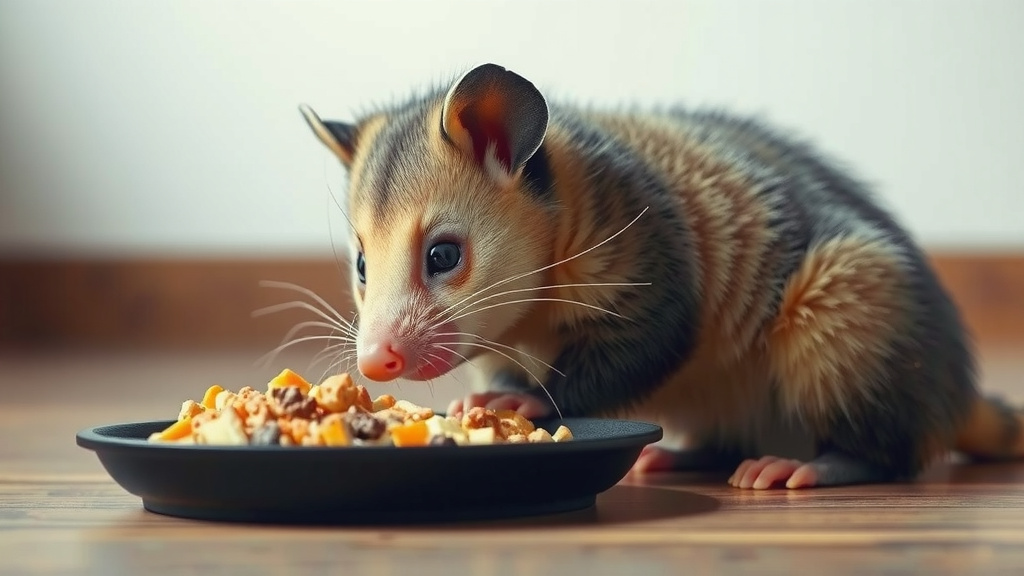
Protein is vital for your possum’s growth and energy. Insects are a natural and excellent source. You can offer gut-loaded crickets, mealworms, or earthworms. Gut-loading means feeding the insects nutritious food before offering them to your possum. This passes those nutrients along. Cooked, unseasoned lean meats can also be given occasionally. Think small pieces of chicken or turkey. Eggs are another good protein boost. A small amount of scrambled or hard-boiled egg works well.
Fruits and Vegetables: Vitamins and Fiber
Fruits and vegetables should make up a large part of their diet. Offer a wide range to ensure they get a good mix of vitamins and minerals. Most common fruits are safe. Apples, bananas, berries, melon, and grapes are good choices. For vegetables, think dark leafy greens like spinach and kale. Sweet potatoes, carrots, and peas are also excellent. Always wash produce thoroughly before serving. Some fruits and veggies are best given in moderation.
What to Avoid Feeding Your Possum
Just as important as knowing what to feed is knowing what to avoid. Some common human foods can be harmful or even toxic to possums. Processed foods are a definite no-go. This includes things like bread, crackers, and sugary snacks. They lack the nutrients your possum needs and can cause digestive upset. High-fat foods should also be avoided.
Dangerous Foods for Possums
Certain plants and ingredients are toxic. Onions, garlic, and avocados can be dangerous. Avoid anything heavily seasoned or fried. Dairy products can also be problematic as many possums are lactose intolerant. We found that owners sometimes give their possums chocolate, which is toxic and must be avoided at all costs. Always double-check if you’re unsure about a specific food item.
Creating a Balanced Possum Diet Plan
So, how do you put this all together? Variety is your best friend. We found that a daily feeding schedule helps your possum feel secure. Offer a mix of food items each day. Think of it like creating a healthy meal plan for yourself.
A Sample Daily Feeding Schedule
Start with a base of fruits and vegetables. About 60-70% of their diet should be produce. Then, add a protein source. This could be insects or a small portion of egg or lean meat. Around 20-30% of their diet should come from protein. The remaining 10% can be fortified grains or specialized possum food if recommended by a vet. Always ensure fresh, clean water is available 24/7.
Portion Sizes Matter
Don’t overfeed your possum. They are small creatures. A good starting point for a daily amount is about two tablespoons of mixed food. Observe your possum’s weight and adjust as needed. If they seem to be gaining too much weight, reduce the amount slightly. If they appear too thin, you might need to increase it. We found that consulting with a veterinarian specializing in exotic pets is wise.
Hydration is Key
Access to fresh water is non-negotiable. Your possum needs to stay hydrated just like any other animal. A shallow, heavy water dish is best. This prevents tipping. Clean it daily to prevent bacteria growth. Some possums also enjoy a bit of fresh, clean water from a sipper bottle, but a dish is generally preferred for ease of use.
Special Considerations and Vet Advice
Every possum is an individual. Some might have specific dietary needs or preferences. If you notice your possum isn’t eating well or shows signs of illness, contact a vet immediately. They can help diagnose issues and recommend adjustments to the diet. Many vets suggest specific supplements or commercial diets for possums, especially if their wild diet can’t be perfectly replicated.
Your Possum’s Diet Checklist:
- Offer a diverse mix of fresh fruits daily.
- Include a variety of vegetables, especially dark leafy greens.
- Provide a good protein source like insects a few times a week.
- Ensure constant access to clean, fresh water.
- Avoid all processed human foods and known toxins.
- Consult your veterinarian for personalized advice.
| Food Type | Approximate Percentage of Diet | Examples |
|---|---|---|
| Fruits | 30-40% | Berries, melon, apple, banana |
| Vegetables | 30-40% | Sweet potato, carrots, spinach, peas |
| Protein | 20-30% | Crickets, mealworms, cooked egg, lean chicken |
| Other (Grains/Supplements) | 0-10% | Fortified grains, vet-recommended supplements |
Conclusion
Providing your pet possum with the right food is essential for their well-being. Remember, variety is key! A diet rich in fresh fruits, vegetables, and lean protein sources will keep them healthy and happy. Always avoid processed human foods and known toxins. By following a balanced feeding plan and ensuring constant access to fresh water, you’re giving your little companion the best possible life. Your next step? Review your current possum’s diet and make any necessary adjustments to ensure it’s as diverse and nutritious as possible.
Frequently Asked Questions
How often should I feed my pet possum?
We found that a consistent daily feeding schedule works best for most pet possums. Offer a mix of their food items once a day, usually in the evening when they are most active. This routine helps them feel secure and aids digestion. Always ensure fresh water is available at all times.
Can I feed my possum leftovers from my meals?
It’s best to avoid feeding your possum human leftovers. Processed foods, seasonings, and fats in our meals can be harmful to their digestive systems. Stick to the fresh fruits, vegetables, and lean protein sources discussed in the article. This ensures they get the nutrients they need without the risks associated with human food.
What are the best insect options for my possum?
Gut-loaded crickets, mealworms, and earthworms are excellent natural protein sources for possums. Gut-loading means feeding the insects nutritious food before offering them to your possum, passing those nutrients along. Offer insects a few times a week as part of their balanced diet. Ensure they are sourced from a reputable supplier.
Is it okay to give my possum dairy products?
Generally, it’s best to avoid dairy products. Many possums are lactose intolerant, meaning they can’t properly digest lactose. This can lead to digestive upset and other health issues. Stick to water for hydration and focus on the recommended fruits, vegetables, and protein sources for their diet.
What signs indicate my possum isn’t eating the right food?
Look out for changes in appetite, weight loss, dull fur, or digestive issues like diarrhea or constipation. If you notice any of these signs, it’s important to consult a veterinarian who specializes in exotic pets. They can help determine if dietary changes are needed and provide personalized advice for your possum.