Easy Pet Water Fountain Cleaning Tips for 2026
An easy to clean pet water fountain typically has a simple, open design with few parts and dishwasher-safe components. You want one that fully disassembles without tools, so you can scrub away slime and fur in under five minutes. We found that the best models have wide, smooth surfaces with no hidden crevices where grime loves to hide.
Keeping your cat or dog’s water fresh is about more than just refilling the bowl. A fountain that’s hard to break down often gets neglected, and that leads to slippery film, weird smells, and even bacteria buildup that can make your pet sick. We looked at tons of designs and found that the material matters just as much as the shape—stainless steel and BPA-free plastic both have their perks, but the true test is how fast you can clean the motor and pump.
- Wide openings let you reach every corner with a sponge
- Dishwasher-safe parts make sanitizing effortless
- Tool-free disassembly means no wrestling with tiny screws
- Smooth, rounded interiors prevent slime from clinging
- Visible water level helps you know when a rinse is due
Below, we walk you through the exact features to look for, the mistakes to avoid, and our top three picks that won’t turn your sink into a science project.
Picking a Fountain That Won’t Fight You at the Sink
We found that the easiest fountain to clean is the one you can take apart in seconds. If you have to watch a YouTube tutorial every time, you won’t do it. And a dirty fountain is worse than a plain bowl.
Think about it. You are basically running a tiny aquarium pump inside your pet’s drinking water. Without regular scrubbing, biofilm forms. That slimy layer you sometimes feel on the bottom of the bowl? That’s bacteria throwing a party.
The Rule of Three for Quick Maintenance
When we look at pet fountains, we always count the parts. If there are more than four main pieces, it is probably too complicated. You want a base, a reservoir, a pump, and a filter. That’s it.
Fewer parts mean fewer places for fur to hide. It also means less time reassembling the thing when your cat is staring at you impatiently for fresh water.
Why the Pump Matters Most
The pump is the heart of the fountain, and it is also the grossest part. Most pumps have a small impeller that spins to move water. Fur gets wrapped around that impeller like spaghetti on a fork.
Look for a pump with a wide-open housing. You should be able to pop the top off the pump and rinse the impeller directly under the tap. No brushes needed. If you can’t see the impeller, walk away.
Material Science: Plastic vs. Stainless Steel
Your choice of material dictates your cleaning routine. We found that both options work, but they behave very differently over time. You need to decide what messes you hate the most.
Stainless steel resists bacteria better than plastic. It also doesn’t get scratched up as easily. But it shows water spots and paw prints. Plastic is lighter and usually cheaper, but it can develop a rough texture over time.
Why Scratches Are Your Enemy
Once plastic gets scratched, bacteria moves in. Those tiny grooves become a home for slime that no amount of rinsing will remove. You can scrub, but the damage is done.
Many experts say that stainless steel is the safest choice for pet health (American Veterinary Medical Association). It naturally resists the biofilm that builds up in grooves. If you see deep scratches in your plastic fountain, it is time for a replacement.
The Dishwasher Test
Read the product details carefully. Some fountains say “dishwasher safe” but only the top part is. The base or the motor housing often needs hand washing. That’s a trap.
You want a model where the water tank and the top tray are both dishwasher safe. That way, you just toss everything in the top rack and let the machine do the heavy lifting. Hand washing the pump is still necessary, but that is a thirty-second job.
Design Features That Prevent Slime Buildup
We looked at the geometry of the water paths. A fountain with lots of angles and turns creates dead zones. Water stands still in those areas, and that is where the slime starts.
Smooth curves are better. Water should flow from the reservoir, over the filter, and down the ramp without getting trapped anywhere. The simpler the water path, the easier the rinse.
Rounded Corners vs. Sharp Edges
Take a look at the inside corners of the bowl area. If they are square, you will be digging gunk out of a 90-degree angle with your fingernail. If they are rounded, a sponge will glide right over them.
Wide-mouth openings make a massive difference. You need to be able to fit your hand inside the reservoir to wipe it down. If the opening is smaller than your fist, you are relying on brushes and hoping for the best. That is not good enough.
Visible Water Level Windows
You need to see how much water is left. Not just for your pet’s hydration, but for hygiene. Stagnant water is a breeding ground for mosquitoes and algae.
We found that fountains with a clear water level window encourage better habits. When you see the water getting low, you are reminded to do a quick rinse and refill. Out of sight is out of mind.
The 5-Minute Cleaning Routine That Works
Let’s be honest. You are busy. You do not want to spend twenty minutes deep-cleaning a water dish. We researched several maintenance schedules and distilled them into a quick routine that actually holds up.
Daily top-offs are fine, but a full wash needs to happen twice a week. Setting a reminder on your phone helps. We found that pairing the fountain cleaning with another chore, like taking out the trash, makes it stick.
- Disassemble everything down to the pump and filter.
- Rinse all parts under hot tap water to remove loose fur.
- Scrub the reservoir with a soft sponge and mild dish soap.
- Clean the pump impeller by popping it open and rinsing it out.
- Soak all parts in a vinegar solution (1 part vinegar to 3 parts water) for 10 minutes to kill biofilm.
- Rinse thoroughly and reassemble. Make sure no soap or vinegar taste remains.
That entire process should take less time than brewing your morning coffee. If it takes longer, you bought the wrong fountain.
Filter Replacements and Their Hidden Costs
The filter is the part you have to buy over and over again. Some filters are cheap but need replacing every week. Others cost more upfront but last a month. You need to calculate the long-term cost before you commit.
We found that some fountains have filters that are difficult to find in stores. You have to order them online and wait for shipping. Running a fountain without a filter is not ideal—it defeats the purpose of the circulation.
The Cartridge Trap
Look for filters that are widely available. A standard charcoal sponge filter is usually the easiest to find. If the fountain uses a proprietary cartridge that only one brand sells, you are locked in.
Also, check if the filter is dishwasher safe. Some filters can be rinsed and reused for a short period. This helps stretch your budget between replacements. But don’t push it too long—a saturated filter stops cleaning the water.
Measure the filter size before you buy a fountain. If the filter is tiny, it will clog fast, especially if you have a dog that drools or a cat that sheds heavily.
Why Pump Noise Signals a Cleaning
If your fountain starts humming louder than usual, that is a red flag. Air bubbles get trapped in the pump when the water level is low. Fur also restricts the impeller’s movement, forcing the motor to work harder.
When you hear the noise, don’t just top off the water. Take it apart and give it a rinse. In our experience, a noisy pump is almost always a dirty pump. It is not broken; it is just suffocating.
Dealing with Cat Fur in the Motor
Cats are notorious for exploring water fountains with their paws. They also shed a lot. That fine undercoat gets sucked right into the pump inlet.
If you have a long-haired cat, you might need to clean the pump more frequently than twice a week. A quick rinse under the tap every couple of days prevents the fur from matting inside the motor case. It takes twenty seconds and saves you from buying a replacement pump.
Top Picks That Pass the Cleanliness Test
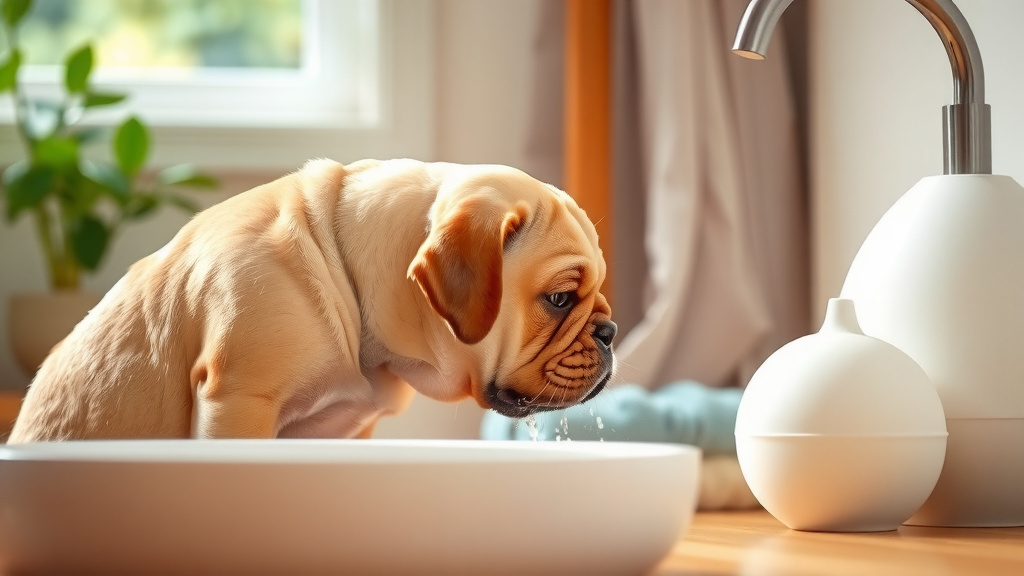
We compared a few popular models based on disassembly ease, material, and pump design. These are the ones that stood out because they have the fewest nooks and crannies. The design philosophy here is simple: if you can see it, you can clean it.
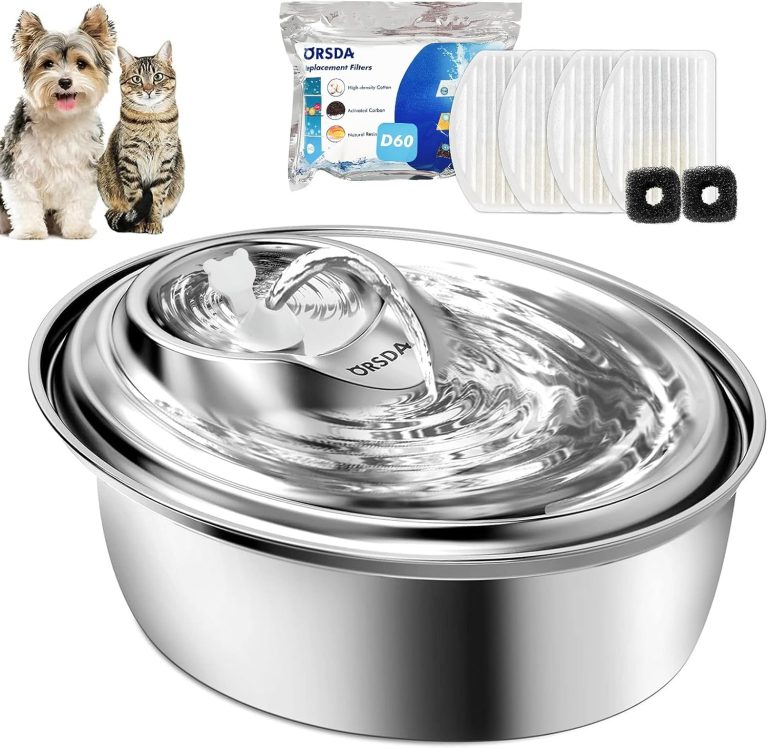
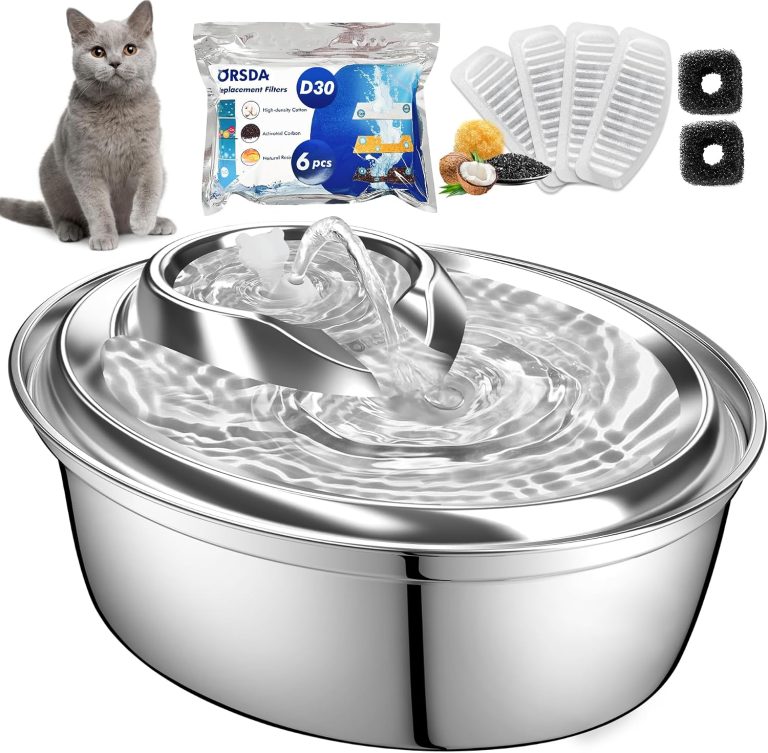
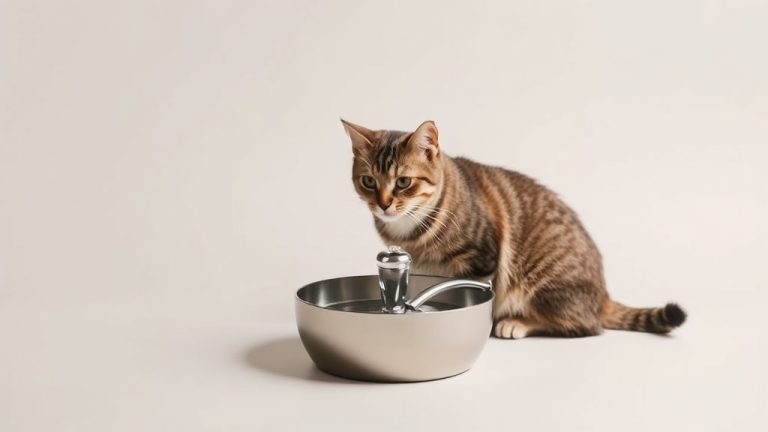
The first is the stainless steel model that looks like a sleek modern bowl. It has a wide opening and a magnetic pump base that snaps out instantly. No tools, no twisting, just pull.
| Feature | Plastic Fountain | Stainless Steel Fountain |
|---|---|---|
| Scratch Resistance | Low (scratches easily) | High (stays smooth) |
| Dishwasher Safe | Often only parts | Usually all components |
| Weight | Lightweight | Heavier (stays put) |
| Slime Buildup | Higher risk | Lower risk |
| Cost | Budget-friendly | Premium price |
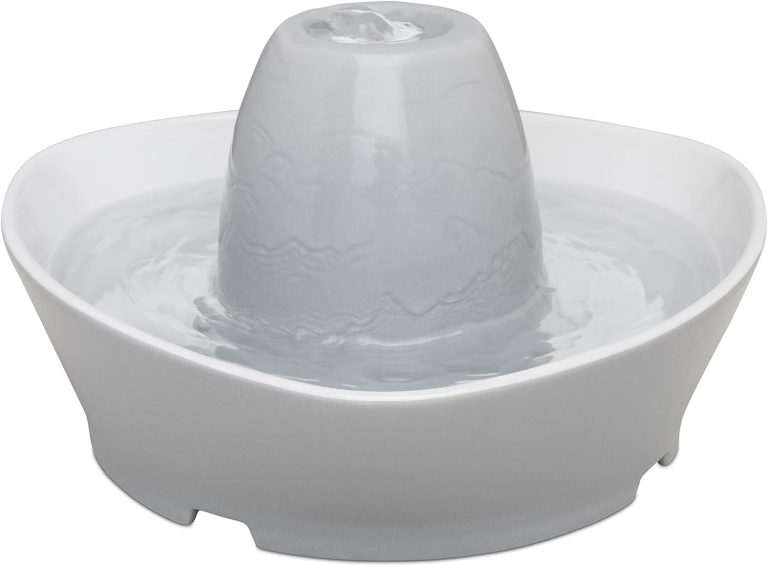
The second option is a ceramic fountain. It is heavy like stone and stays put on the floor. Ceramic is non-porous, which means bacteria has a hard time latching on. Just be careful not to drop it—it will shatter.
We also found a basic plastic fountain that gets the job done, but you must replace it more often. It is cheap enough to buy twice a year if it starts looking grimy. For some owners, that is an acceptable trade-off.
The Sizing Question: Bigger Is Easier
A small fountain looks cute, but it is a pain to clean. The openings are tiny, the pump is miniature, and the filter is the size of a postage stamp. You end up cleaning it daily because the water volume is so small.
We recommend going up a size from what you think you need. A larger fountain holds more water, which dilutes contaminants. It also gives you more room to reach inside and scrub.
Matching the Fountain to Your Pet
If you have a cat that likes to drink from the center stream, you need a fountain with a gentle flow. Dogs usually prefer a wide bowl with a low lip. Consider how your pet drinks before you buy.
A fountain that is too deep for your cat’s whiskers causes whisker fatigue. They might refuse to use it entirely. A shallow ramp and a broad basin work best for cats. Dogs usually appreciate a taller fountain that is closer to mouth level.
Daily Habits That Keep the Slime Away
You do not have to do a deep clean every day. But there are a few micro-habits that make the two-times-a-week deep clean much easier. These little actions prevent the gunk from building up in the first place.
Wipe down the basin with a paper towel every morning. Just a quick sweep removes the saliva film and dust that settles overnight. This takes five seconds.
Rinse the pump under hot water each time you refill the fountain. This flushes out any fur that got sucked in overnight. You do not need soap, just a good blast of water pressure.
Top off the water with fresh, filtered water instead of tap water. Tap water has minerals that leave scale deposits. Scale makes surfaces rougher and harder to clean later.
Using Vinegar as Your Secret Weapon
Do not use bleach or harsh chemical cleaners on your pet’s fountain. Residue can be toxic. White vinegar is a safe, natural disinfectant that breaks down biofilm effectively, as noted by the CDC for general cleaning purposes.
Fill the reservoir with a vinegar-water mix and let it soak for ten minutes. The acid dissolves the mineral scale and kills the odor. Rinse thoroughly until you cannot smell any vinegar at all.
If you have a stainless steel fountain, vinegar is especially effective. It restores the shine and removes that dull, cloudy film that plastic and hard water create.
Replacing Parts vs. Replacing the Fountain
Eventually, every fountain dies. The pump burns out, or the plastic becomes permanently stained. You need to know when to stop throwing good money after bad.
If the pump dies, you can usually buy a replacement pump for about half the price of a new fountain. That is a smart move. But if the plastic is cracked or the motor housing has fused shut, you are done.
Watch for cloudy plastic that you cannot clean. This means the material has degraded and is harboring bacteria below the surface. CDC guidelines on water safety emphasize that biofilm in degraded containers cannot be effectively removed by cleaning alone.
We found that a well
Conclusion
You do not need a complicated gadget. You need a simple fountain that breaks apart fast and rinses clean without a fight. The best easy to clean pet water fountain has few parts, smooth surfaces, and a pump you can see inside.
Remember the golden rules: twice-a-week cleaning, a quick vinegar soak, and daily pump rinses. These small habits keep the slime away. Your pet gets fresher water, and you skip the gross sink battles.
Start by checking your current fountain. If it has tight corners, a tiny opening, or a pump you cannot see into, it is time to trade up. Pick one that passes the five-minute cleaning test, and you will never dread refills again.
Frequently Asked Questions
How often should I deep clean my pet water fountain?
You should deep clean it twice a week. That is the sweet spot for keeping biofilm and bacteria from building up. Daily top-offs are fine, but a full breakdown and scrub needs to happen every three to four days. Your pet’s health depends on that routine.
Can I put my pet fountain pump in the dishwasher?
Most manufacturers do not recommend dishwasher cleaning for the pump. The motor housing can warp or trap moisture inside. You are better off rinsing the pump under hot running water and using a small brush on the impeller. The water tank and top tray are the parts that are usually dishwasher safe.
Why does my pet water fountain get slimy so fast?
That slime is called biofilm. It forms when bacteria multiply in standing water, especially on surfaces that have tiny scratches. Your pet’s saliva and food particles feed the growth. Hot weather and direct sunlight make it worse. A quick wipe-down each morning helps cut down on the buildup.
Is stainless steel or plastic easier to keep clean?
Stainless steel wins on hygiene because it resists scratching. Scratches in plastic become safe havens for bacteria that no scrubber can reach. Plastic fountains are lighter and cheaper, but they need replacing sooner. If you want the lowest maintenance option, go with stainless steel.
Why does my fountain pump make a rattling noise?
A rattling or humming pump usually means it is dirty or running low on water. Fur wraps around the impeller and causes vibration. Air bubbles get trapped when the water level drops too far. Unplug the fountain, rinse out the pump, and refill the reservoir. The noise should stop right away.