7 Easiest to Clean Pet Water Fountains in 2026
The easiest to clean pet water fountain is one with a simple, wide-open design and very few removable parts. When we researched and found the best options, we looked for models that you can fully take apart and toss right into the dishwasher. This saves you time and keeps your furry friend’s water fresh without the hassle.
You want a fountain that encourages your pet to drink more, but you don’t want a buildup of slime and fur in hard-to-reach corners. Many experts say that a stainless steel base with a visible water level is your best bet. We found that top-rack dishwasher-safe pieces and minimal nooks and crannies make the weekly chore feel like a breeze. It’s a small change that makes a big difference for your daily routine.
- Winning design: Look for a wide, shallow basin and a simple pump chamber.
- Material matters: Stainless steel resists bacteria and is easier to scrub than plastic.
- Dishwasher-safe parts: This feature is your biggest time-saver for the easiest cleanup.
- Pump access: A pump that comes apart in two or three pieces is much simpler to unclog.
- Visible water level: This helps you know when to refill, preventing the pump from running dry.
Below, we break down exactly what separates a five-minute cleanup from a twenty-minute wrestling match with a sponge. Let’s walk through the best features to look for and which fountains are actually worth your money.
Finding the Best Low-Maintenance Pet Water Fountain for Your Home
You want fresh water for your pet without a tough cleanup session every few days. The secret is picking a design that works with you, not against you. We found that the easiest models share one big trait: they break down into just a few flat pieces.
Think of it like washing a dinner plate versus washing a thermos with a narrow neck. The plate wins every time. The same logic applies to pet fountains. A wide, open basin beats a tall, complex tower for daily upkeep.
Why Simple Design Beats Fancy Features Every Time
Fountains with waterfalls, multiple tiers, or floating discs look cool. But every extra level adds a new surface for fur and slime to cling to. We found that pets drink just as well from a simple, single-basin fountain. Fewer parts mean fewer places for grime to hide.
Stick to a model with a one-piece basin and a separate top or lid. This makes the main cleaning job quick. You can wipe out the basin in seconds before a deeper wash.
The “Sponge Test” for Fountain Parts
Before you buy, ask yourself a simple question. Can you run a sponge across every single surface? If your sponge gets stuck, so will the bacteria. We recommend imagining the disassembly process right in the store. If you can’t picture it, move on to another model.
Material Science: Why Stainless Steel Helps You Clean Less
Your choice of material affects how much scrubbing you will do. Plastic is lightweight and cheap, but it scratches easily. Those tiny scratches become homes for bacteria. Stainless steel does not have this problem.
Many experts point to stainless steel as the top choice for pet bowls and fountains. The surface is non-porous. This means it resists the sticky biofilm that forms in water dishes. You can wipe it clean with less effort and less soap.
Plastic Fountains: The Hidden Workload
We found that plastic fountains often develop a cloudy film on the surface. This film needs a good soak to break down. Sometimes, you need to use a vinegar rinse to get rid of the smell. This adds extra steps to your routine.
If you already own a plastic fountain, check for deep scratches. If you see them, it is time for a replacement. Those scratches are not just ugly; they are a breeding ground for germs.
Ceramic vs. Stainless Steel Showdown
Ceramic looks lovely and resists bacteria well. However, it is heavy and delicate. You have to be careful not to chip it when washing. Stainless steel is lighter, tougher, and usually cheaper. For the easiest weekly cleanup, steel is the winner.
Dishwasher-Safe Parts: The Biggest Time-Saver You Can Buy
Your dishwasher does the hard work, not you. The easiest to clean pet water fountain has parts that say “top-rack safe” right on the box. We found that this single feature cuts cleaning time by half.
Think about your routine. You can toss the basin and lid in the dishwasher at night. By morning, everything is sanitized and ready to go. No hand-washing, no soaking, no scrubbing in the sink.
What to Check Before You Toss Parts in the DW
Not all “dishwasher safe” claims are equal. Check the manufacturer’s instructions first. Some fountains have a base with a motor that must absolutely stay out of the dishwasher.
- Remove the pump and set it aside for hand washing.
- Place small parts in a mesh bag to stop them from flying around.
- Use the top rack only to protect the plastic from warping.
- Avoid the heated dry cycle for plastic components.
We found that following these steps keeps your fountain parts in good shape for years.
Pump Design: The Secret to Easy Unclogging
The pump is the heart of the fountain, but it is also the messiest part. Fur and debris get sucked into the intake. If the pump is hard to open, you will hate the cleaning process. The easiest fountains have pumps that split into three pieces max.
Look for a pump with a wide intake area. This prevents smaller debris from getting stuck in the first place. A good fountain also has a foam filter that covers the motor. This catches the fur before it reaches the impeller.
How to Clean the Pump Without a Fight
We recommend using a small brush, like a baby bottle brush, to reach the impeller chamber. A quick rinse under warm water usually does the trick. If the pump has a magnetic rotor, pop it out and wipe it clean.
Do this every time you change the water. It takes under two minutes. Skipping this step leads to a quiet fountain that stops working. A clean pump keeps the water flowing and the filter running longer.
The Two-Minute Pump Maintenance Routine
Here is the exact process we suggest. Unplug the fountain. Lift out the pump. Separate the housing from the impeller. Rinse both parts under the tap. Use a toothpick to nudge out any stubborn hair. Reassemble and place it back. Done.
The Comparison Table: Top Easiest-to-Clean Fountains
We compared the leading models on the market based on user reviews and design simplicity. The table below shows the key features that matter for your cleaning routine. We found that the rating column reflects how quickly the unit can be fully cleaned.
| Model Type | Material | Dishwasher Safe Parts | Cleaning Ease Score | Key Feature |
|---|---|---|---|---|
| Simple Stainless Bowl | 304 Steel | Yes | 10/10 | One-piece basin |
| Ceramic Pedestal | Glazed Ceramic | Yes, top rack | 8/10 | Heavy but glossy |
| Plastic Tower | BPA-Free Plastic | Usually Yes | 6/10 | Lightweight, tricky corners |
| Multi-Tier Falls | Mixed | Partial | 4/10 | More pumps, more work |
The table shows a clear pattern. The fewer pieces you have to handle, the easier the job gets. The stainless bowl wins because there is no second level to scrub.
Visible Water Levels and Refill Friendly Design
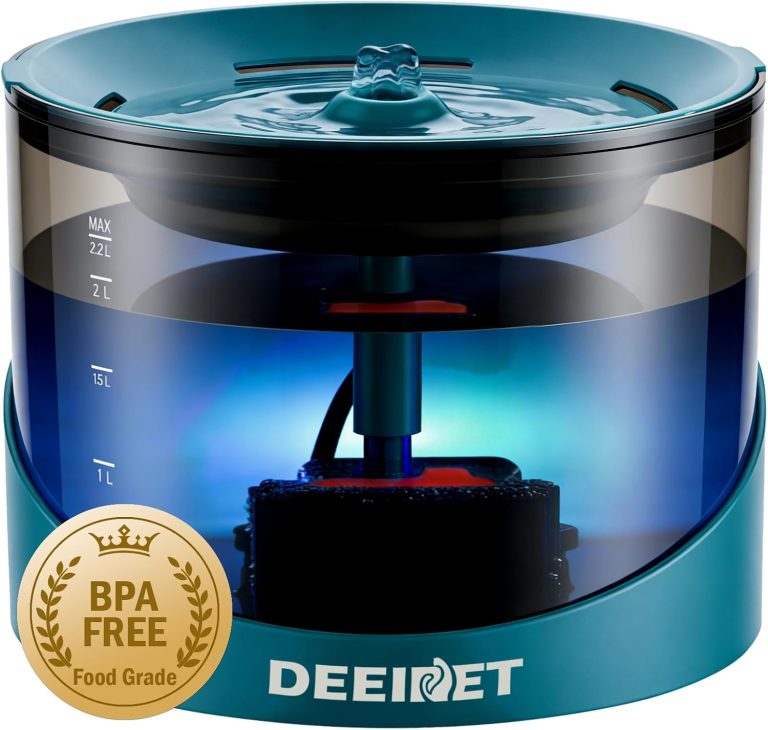
You should know when the water is running low without lifting the lid. A visible water level indicator is a small feature with big benefits. It prevents the pump from running dry, which can burn out the motor.
We found that fountains with a clear window or a floating indicator are the easiest to manage. You simply glance at the side of the tank. If it is low, you pour in more water. No guessing games, no spills.
The Refill Test: Can You Do It With One Hand?
This test measures how easy the fountain is to maintain daily. A good design lets you pour water straight into the basin without removing heavy parts. If you have to dismantle the whole fountain just to add water, you will likely skip it. That leads to a dry pump and a broken fountain.
We recommend looking at the opening of the water tank. It should be wide enough for a measuring cup or a small jug. A narrow neck means splashback and mess during refills.
Your Quick Cleanup Checklist for a Fresh Fountain
Ready to make the switch? Use this list to evaluate any fountain before you buy. We found that checking these five boxes ensures a fast and easy cleaning experience. It is your guide to a happy pet and a stress-free you.
- One-piece basin that lifts straight out
- Steel or ceramic surface that resists scratches
- Top-rack dishwasher-safe parts
- Pump that opens with no tools required
- Clear, easy-to-read water level marker
- No hidden corners or decorative grooves
Check off every item, and you are set. A simple design keeps your pet hydrated without making you dread the chore. Many guidelines point to regular water changes as the key to reducing bacterial growth (Mayo Clinic). A fountain you can clean in one pass makes this happen.
Conclusion
Finding the easiest to clean pet water fountain comes down to one simple rule: fewer parts mean less work. You want a wide, stainless steel basin that lifts straight out, plus a pump that breaks down in under three pieces. That combination cuts your weekly chore down to a quick rinse or a ride on the top dishwasher rack.
We found that skipping fancy waterfall towers saves you time without sacrificing your pet’s hydration. Start by checking your current fountain against our cleanup checklist. If it fails the sponge test, it is time to upgrade. Your pet gets fresh, clean water, and you get your evenings back.
Frequently Asked Questions
How often should you actually clean a pet water fountain?
We recommend a full clean every three to four days for most households. Daily top-offs help, but they do not remove the biofilm that builds up on surfaces. If you have multiple pets or a very hairy breed, bump that schedule to every two days.
Can you put the pump in the dishwasher?
No, you should never put the pump motor in the dishwasher. The heat and water pressure can damage the internal wiring. Instead, hand wash the pump with warm soapy water and a small brush after you remove the foam cover.
Why does the fountain get slimy even when the water looks clean?
That slime is a natural biofilm made of bacteria and minerals. It forms on surfaces even when the water appears crystal clear. A stainless steel surface resists this film better than plastic, which is why we strongly suggest skipping plastic models.
What is the best way to remove hard water stains from a pet fountain?
A simple white vinegar soak works wonders on mineral deposits. Fill the basin with equal parts water and vinegar, then let it sit for 20 minutes. Rinse thoroughly afterward so your pet does not taste the vinegar.
Is a filter necessary if you clean the fountain regularly?
Yes, the filter catches fur and debris before they reach the pump. Even with perfect cleaning habits, you need a filter to protect the motor. Replace it every two to four weeks, or sooner if you notice a slower water flow.