Pet Water Fountain Cleaning: How Often to Do It
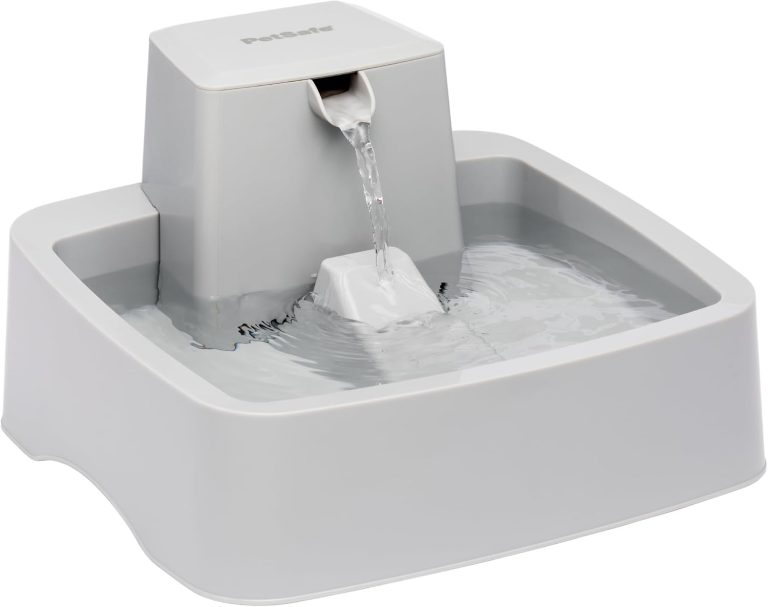
You should clean your pet water fountain every 1 to 2 weeks, but you must rinse and refresh the water every 2 to 3 days. This simple schedule keeps slime, bacteria, and pet hair from building up in the water your furry friend drinks. Skipping this routine can quickly turn a fresh water source into a hidden breeding ground for germs.
We found that most fountains come with a filter, but the filter isn’t a magic fix. It traps hair and debris, yet it can’t stop biofilm—that slippery, slimy layer—from forming on the pump and bowl. The right cleaning rhythm depends on how many pets you have, their water intake, and whether you use tap or filtered water. A quick once-a-week deep clean is the sweet spot for most households to keep the motor running smoothly and the water crystal clear.
- Rule of thumb: Refresh water every 2-3 days; deep clean every 1-2 weeks.
- Multi-pet homes: Clean more often—every 5-7 days—since more fur and drool end up in the bowl.
- What to use: Mild dish soap and a soft brush; never put parts in the dishwasher unless the manual says it’s safe.
- Bleach warning: Avoid harsh chemicals; they can damage the pump or leave harmful residue.
- Filter care: Rinse the filter monthly and replace it every 2-4 weeks for best performance.
Below, we break down exactly how to tackle this chore step by step, including the best way to clean the pump and what signs tell you it’s time for a deeper intervention.
Finding the Right Cleaning Rhythm for Your Fountain
The short answer to the “how often” question is usually every seven days. But that’s just the starting line, not the finish line. Your household might need a faster schedule, especially if you have multiple cats or a very thirsty dog.
We found that the perfect schedule depends on a few simple factors. The number of pets, their size, and even the type of food they eat all play a part. A wet-food diet adds more debris to the water than a dry-food diet does. So, you have to watch how the water looks and smells to get it right.
Signs Your Fountain Needs a Cleaning Right Now
You don’t have to wait for a specific date on the calendar. Your fountain will actually tell you when it’s dirty if you look closely. Learning these signs is the fastest way to keep your pet safe. If you’re wondering whether a fountain is worth the maintenance, our guide on whether a cat water fountain worth it explains the key facts.
- Slippery film: If you touch the inside of the bowl and it feels slimy, that is biofilm. It is a living layer of bacteria that needs immediate removal.
- Visible floating particles: Hair, dust, and food crumbs floating on top mean the filter is overwhelmed and the water is degrading.
- Weak water flow: A slow trickle from the spout usually means the pump is clogged with gunk. You can’t fix that by just adding more water.
- Unpleasant odor: If you smell a musty or sour scent, bacteria are having a party in there. Don’t wait another day.
- Cloudy water: Water should be crystal clear. If it looks milky or discolored, it’s time to intervene.
Why Tap Water Quality Changes the Game
The type of water you use matters more than most people think. Tap water contains minerals that can build up as scale on the pump. Filtered water treats your fountain better, but it doesn’t solve the bacteria problem alone.
We found that using filtered water helps reduce mineral buildup. That means less scale on the pump and fewer cloudy water issues. However, even the cleanest water still needs regular swapping. Stagnation is the enemy here, and filters can’t create movement; the pump does that.
An Exact Schedule Based on Household Size
Let’s get specific about your calendar. We found that a simple breakdown by pet count is the easiest way to plan your chores. This isn’t a one-size-fits-all approach. It adapts to the chaos of your daily life.
For Single-Pet Households
If you have one cat or one small dog, you have the easiest schedule. You can refresh the water every three days. The deep clean can happen every seven to ten days without any issues.
Many guidelines point to this frequency as the minimum for a healthy motor and clean water (CDC). The key is that the fountain is used less, so it accumulates debris slower. You still have to be consistent, but you get a bit more flexibility here.
For Multi-Pet Homes
Two pets drinking from one bowl means double the drool, double the fur, and double the dander. That demands a stricter routine. You should refresh the water every single day or every other day. The deep clean needs to happen every five days.
We found that more pets also lead to more “hairballs” around the pump intake. A hairball can burn out the motor fast. If you have three or more pets, consider cleaning every three to four days just to keep the pump safe.
For Heavy Drinkers and Big Dogs
Some pets just love water. Big dogs splash a lot, and their slobber mixes into the bowl. This introduces saliva and food particles at a rapid pace.
If you have a large dog, you are basically asking the fountain to filter a swimming pool. You need to check it daily. We recommend a deep clean twice a week—every Wednesday and Sunday, for example. This prevents the motor from working too hard and overheating.
The Step-by-Step Deep Clean Process
Cleaning a fountain isn’t the same as washing a bowl. You can’t just wipe it out and call it a day. The pump has tiny parts that hide bacteria and grime. Use this simple process to get it factory-fresh.
Disassembling the Unit Safely
First, unplug the fountain. Never handle the pump with wet hands while it’s connected to power. Then, take the unit apart completely. Remove the top cover, the reservoir, the pump, and the filter.
You should remove the filter and set it aside. Do not wash the filter with soap. That kills the activated carbon and ruins its ability to remove odors. Just set it on a paper towel for now.
Scrubbing the Bowl and Top
Use warm water and a mild dish soap for this step. Harsh chemicals like bleach or vinegar can damage the plastic over time. They can also leave a residue that deters your pet from drinking.
Use a soft sponge or a bottle brush to reach all the corners. The slime hides in the seams and corners where the water pools. We found that a dedicated toothbrush works wonders for these tight spots. Rinse every piece thoroughly until no soap bubbles remain.
Cleaning the Water Pump Deeply
The pump is the heart of the system. If it fails, your pet doesn’t get water. Take the pump apart according to your manual. Usually, the front cover pops off to reveal the impeller and the magnet.
Here’s where the grime hides. Use a cotton swab or a small pipe cleaner to remove the gunk from the magnet and the shaft. This is the secret step that most people skip. A clogged impeller is the number one reason fountains stop working.
Dealing with Stubborn Scale Buildup
If your water is hard, you might see white crusty scale on the pump. Soap alone won’t fix this. You can use a solution of one part white vinegar to three parts water for just the pump.
Soak the pump parts in this solution for five minutes. Then, scrub with a toothbrush. Rinse very thoroughly to make sure no vinegar smell remains. If the vinegar smell is too strong, your pet might refuse to drink. We found that rinsing under hot running water for a solid minute eliminates the smell.
Reassembling and Refilling
Once everything is dry or rinsed, you can put the fountain back together. Place the cleaned filter back into its slot. We found that it helps to run a cycle of plain water for a few minutes and then dump it out.
This final rinse cycle removes any lingering soap or debris from the lines. Then, fill it with fresh water and plug it back in. Your pet now has a sparkling clean source of hydration.
Maintaining the Filter for Peak Performance
The filter is your second line of defense, but it isn’t immortal. Many people stretch their filters for months to save money. That actually leads to more frequent cleaning and potential health issues for your pet.
When to Rinse vs. When to Replace
You should rinse the filter with plain water every two weeks. This removes the big debris caught on the surface. However, rinsing doesn’t remove the bacteria living inside the filter material.
We found that replacing the filter every two to four weeks is the best practice. It sounds expensive, but it’s the only way to keep the water actually clean. A used filter becomes a breeding ground for bacteria that then flows directly into the bowl.
Choosing the Right Replacement Cycle
The exact replacement timing depends on your filtration needs. If you have hard water, you’ll need to replace it more often to handle the minerals. If your home is dusty, the filter will clog faster.
Here is a simple checklist to keep you on track:
- Rinse the filter every 14 days to remove surface hair.
- Replace the filter every 30 days as a baseline.
- Replace sooner if the water tastes or smells metallic.
- Replace if the water flow visibly slows down.
- Check the manual for brand-specific filter recommendations.
Many experts say that a fresh filter cuts your cleaning time in half. It catches more debris, so less settles on the pump. This saves you time and protects the motor from excessive wear and tear.

Cleaning Frequency Comparison Table
Sometimes it helps to see it all in black and white. Use this table to find your situation and follow the recommended schedule. This is a solid baseline that we found works for most homes, but adjust based on your pet behavior.
| Situation | Water Refresh | Deep Clean | Filter Replace |
|---|---|---|---|
| Single Cat | Every 3 days | Every 7-10 days | Every 4 weeks |
| Two Cats | Every 2 days | Every 5-7 days | Every 2-3 weeks |
| One Dog (small) | Every 3 days | Every 7 days | Every 3 weeks |
| One Dog (large) | Daily | Every 3-4 days | Every 2 weeks |
| Multi-Pet Mix | Daily | Every 3-5 days | Every 2 weeks |
Keep in mind that these are starting points. If you touch the water and it feels slimy before the scheduled day, just clean it early. Trusting your senses is always the most reliable guide.
Common Mistakes That Ruin Fountains
You might be doing more harm than good without realizing it. We see a few patterns that continuously cause problems for pet owners. Knowing what to avoid is just as important as knowing what to do.
Dishwasher Safety Myths
Many plastic fountains say “top-rack dishwasher safe.” That’s true for some, but the heat can warp thin plastic over time. The high heat also wears down the protective coating on the plastic, making it more porous.
We found that hand washing is always the safest route for the longevity of your fountain. It takes five minutes and gives you a chance to inspect the parts for wear and tear. If the manual explicitly states it’s dishwasher safe, you still might want to skip it to save the motor parts.
Using Soap on the Filter
Soap on the filter seems logical, but it’s a major mistake. The soap gets trapped deep inside the porous material. When you run the fountain, soap leaches into the water.
This can cause digestive upset for your pet and creates foam in the water. We recommend only rinsing the filter under running water. When it looks stained or dingy, that’s your signal to throw it away and install a new one.
Ignoring the Pump Motor
The motor cannot be cleaned with a spray hose. Water gets into the sealed motor casing and destroys it. You must only clean the detachable parts around the motor shaft.
Always double-check that the motor unit is fully dry on the outside before plugging it in. Running a wet motor is a fast track to a fried appliance. Pat it down with a dry towel if needed.
The Final Checklist for Fountain Maintenance
To wrap everything up, here’s a quick checklist you can stick to your fridge. This combines all the habits we covered into one simple list. Follow this and your pet will always have fresh, clean water available.
- Daily check: Top off the water level and remove any floating debris.
- Every 2-3 days: Dump old water, rinse the bowl, and add fresh water.
- Weekly deep clean: Disassemble the unit and scrub with mild soap and warm water.
- Clean the pump: Take the pump apart and scrub the impeller and magnet with a cotton swab.
- Rinse the filter: Run plain water over the filter to remove hair and particles.
- Schedule a replacement: Set a calendar reminder to replace the filter every 2-4 weeks.
Keeping a consistent schedule ensures that your fountain works efficiently and your pet stays healthy.
Conclusion
Keeping your pet water fountain clean doesn’t have to be a chore you dread. The golden rule is simple: refresh the water every 2 to 3 days and do a full deep clean every 1 to 2 weeks. You’ll adjust that rhythm based on how many pets you have and how messy they get. If you’re still deciding whether a fountain is right for your pet, our guide to cat water fountain benefits covers the pros and cons.
You now have all the steps to make this a quick five-minute habit. Your pump will last longer, your filter will work better, and your pet will actually drink more water. That’s the whole point, right?
Set a recurring reminder on your phone right now for this weekend. Grab some mild dish soap, a soft brush, and give your fountain the reset it deserves. Your furry friend will thank you with every fresh sip.
Frequently Asked Questions
Can I clean my pet water fountain with vinegar?
You can use a diluted vinegar solution, but only on the pump parts, not the plastic bowl. Mix one part white vinegar with three parts water and soak the pump pieces for five minutes. Rinse everything thoroughly under hot water so no vinegar smell lingers. Your pet might refuse to drink if the scent is too strong.
Why does my pet water fountain get slimy so fast?
That slimy layer is called biofilm, and it forms when bacteria multiply in stagnant water. It grows faster in warm rooms, with wet food diets, and when pets drool into the bowl. The filter can’t stop biofilm, so you have to scrub it away by hand. If you’re seeing slime within two days, bump up your cleaning schedule.
Is it okay to leave my pet water fountain running all day?
Yes, leaving it running 24/7 is actually the best way to keep water oxygenated and fresh. The constant circulation slows down bacterial growth and keeps the water cool. Just make sure you top off the water level daily so the pump never runs dry. Running the pump without water is the fastest way to burn out the motor.
What happens if I don’t clean my pet water fountain for a month?
A month of neglect turns your fountain into a breeding ground for bacteria, mold, and algae. The pump will likely clog with hair and debris, causing weak flow or complete failure. Your pet may also develop digestive issues or refuse to drink, leading to dehydration. If you’ve hit the one-month mark, do a full deep clean today and check if the filter needs replacing.
Do I need to clean the water fountain differently for cats versus dogs?
Yes, the cleaning frequency shifts based on the pet type. Cats tend to be cleaner drinkers, so a weekly deep clean works fine. Dogs introduce more saliva, food particles, and outdoor debris, so you’ll want to clean every 3 to 5 days. Big dogs with lots of slobber might even need a clean every other day to stay ahead of the grime.