Cat Water Fountain Filters: When to Replace Them
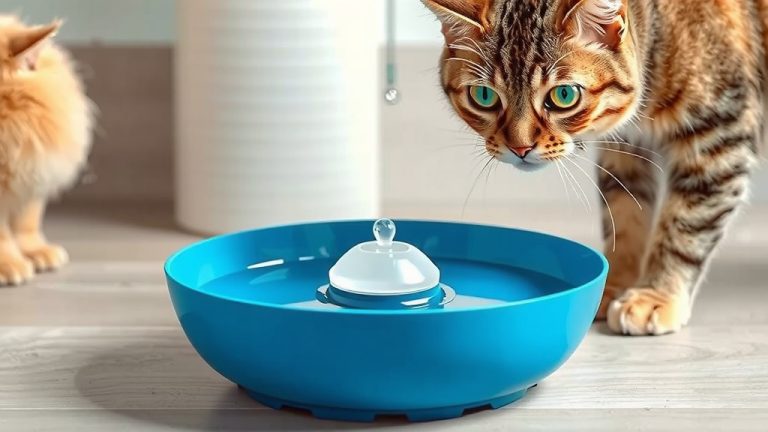
You should replace your cat water fountain filter every 2 to 4 weeks. That’s the simple answer. Most experts agree that a monthly swap keeps the water fresh, clean, and safe for your cat. Sticking to this schedule is the best way to prevent slimy buildup and bad odors.
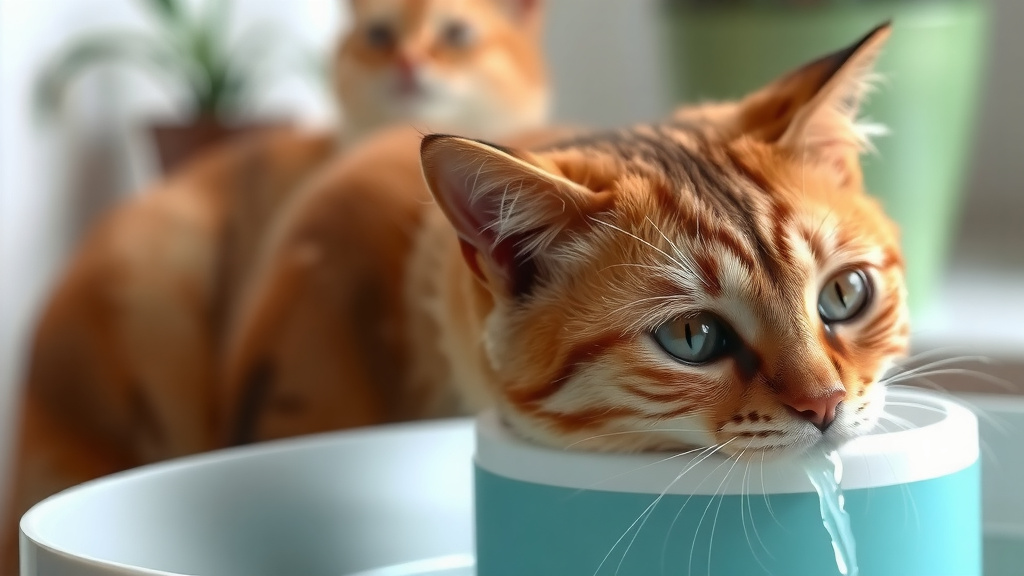
Changing the filter is just one part of the job. Regular filter replacements keep the fountain pump working and reduce harmful bacteria. We found that a clean filter also encourages your cat to drink more water, which supports their kidney and urinary health. It’s a small task with big benefits for your furry friend.
- How often: Swap the filter every 2 to 4 weeks for best results.
- Why it matters: Old filters trap hair, dirt, and bacteria that can make your cat sick.
- Signs you need a new one: If the water smells, tastes funny, or the flow slows down, it’s time.
- Extra tip: Rinse the new filter under cold water for a minute before installing it.
- Buying advice: Get the exact brand filter that matches your fountain for a perfect fit.
Below, we break down everything you need to know about cat water fountain filter replacement. We’ll walk you through the signs, the steps, and the best tips to keep your kitty happily hydrated.
Replacing Your Cat’s Fountain Filter the Right Way
You want the best for your cat, and clean water is a huge part of that. Swapping the filter on a regular schedule is the single most effective habit you can build. We found that cats drink more when the water tastes fresh, and that keeps them healthier overall.
Think of the filter like the oil filter in your car. You wouldn’t drive thousands of miles without changing it. Your cat’s fountain works the same way. A clogged filter forces the pump to work harder, and it stops catching the junk you don’t want your cat drinking.
Why Timely Swaps Matter for Fresh Water
The filter is your first defense against floating fur, food crumbs, and dust. Over time, that trapped debris turns into a breeding ground for bacteria. According to the Centers for Disease Control and Prevention, biofilm and bacteria can form in pet water bowls if they aren’t cleaned regularly. A fountain with a dirty filter multiplies that risk.
You are not just changing a piece of foam. You are resetting the entire water system for your pet. A fresh filter keeps the water moving and oxygenated, which slows down bacterial growth. Many experts say that a clean filter is just as important as the water you pour in.
The Hidden Dangers of a Soggy, Old Filter
When a filter sits in water for too long, it starts to break down. The carbon inside loses its power to trap odors and chemicals. The foam gets matted with slime. We found that this slime can stick to the sides of the pump and cause it to whine or stop working.
You might notice a film on the water surface. That is a clear sign the filter is exhausted. It is no longer doing its job, and the water quality is dropping by the hour. Your cat knows it too, even if you don’t. Felines have a powerful sense of smell, and they will often walk away from water that tastes stale.
How to Spot a Filter That’s Past Its Prime
Your cat’s water fountain gives you hints when it is time for a change. You just need to know what to look for. We found that checking the filter once a week helps you catch issues before they become a bigger problem.
It is a simple habit. Every time you top off the water, give the filter a quick glance. If something looks off, it probably is. Trust your eyes and your nose.
Visual Signs You Can’t Miss
- Discoloration: The white foam turns yellow, brown, or gray. That is trapped dirt and bacteria.
- Visible debris: You see fur, litter dust, or food bits stuck on the surface.
- Shrinking or swelling: The filter looks warped, or it doesn’t fit snugly in its slot anymore.
- Mineral buildup: White flakes or crusty spots appear on the filter edges.
Any of these visual clues mean the filter is exhausted. Do not wait for the calendar date. Swap it out right then to protect your cat’s health.
Smell and Sound: Your Other Clues
Walk up to the fountain and take a whiff. If you smell a musty, earthy, or slightly sour odor, the filter is done. Fresh water should smell like nothing at all. The carbon in the filter is what removes those smells, and it loses its power after a few weeks.
Now listen closely. The pump should hum quietly. If you hear a gurgle, a whine, or a sputtering noise, the pump is struggling. That struggle is almost always caused by a clogged filter restricting water flow. Many experts say that a quiet pump equals a happy filter.
Step-by-Step Guide to Swapping the Old Filter
Changing the filter takes less than five minutes. You do not need any special tools or skills. We found that breaking it down into small steps makes the whole process foolproof, even if you are doing it half-asleep.
Before you start, make sure you have the correct replacement filter on hand. Check your fountain’s manual or the brand’s website to confirm the model number. Using the wrong size can cause leaks or poor filtration.
Getting the Fountain Ready
First, unplug the fountain and take it to the sink. Carefully remove the pump and set it aside on a clean towel. Pour out the old water and remove the motor cover and any plastic parts that sit near the filter.
Take out the old filter and throw it in the trash. Do not try to wash and reuse it. The foam and carbon cannot be fully cleaned once they are saturated with bacteria and debris.
Cleaning the Fountain Basin Properly
Before you put the new filter in, you must clean the basin. Wash every plastic piece with warm water and mild dish soap. Avoid using harsh chemicals or bleach, as they can leave a residue that is harmful to your cat.
Rinse everything thoroughly until the water runs clear. According to the American Veterinary Medical Association, pet bowls should be washed regularly to prevent bacterial growth. The fountain basin is no exception. A clean home for the filter makes the filter last longer and work better.
Do You Need to Clean the Pump?
Yes. A quick pump rinse goes a long way. Remove the impeller cover and rinse the inside to flush out any hair or grit. Reassemble the pump and place it back in the basin. This prevents the pump from pushing old debris onto your brand-new filter.
It takes an extra minute, but we found that cleaning the pump every other filter change keeps the motor running smoothly for years. It also helps maintain a steady flow of water, which encourages your cat to drink.
The Golden Rule: Rinse New Filters Before Installing
Here is a tip that many pet owners miss. When you take a fresh filter out of the package, it may have loose carbon dust on it. That dust is safe, but it can cloud the water for the first few hours. A quick rinse prevents that.
Hold the new filter under cold running water for about 60 seconds. Gently squeeze it a few times to work the water through the foam, but do not twist or wring it. You want the water to run clear before you place it in the fountain.
We found that skipping the rinse leads to dark, murky water that scares some cats away. A rinsed filter keeps the water crystal clear from the very first second.
Installing the Fresh Filter Correctly
Slide the rinsed filter into its designated slot. Make sure it sits flat and snug. If your fountain uses multiple filters, like a foam and a carbon block, install them in the correct order. Most models have a specific order printed near the filter slot.
Now fill the fountain with fresh, cool water. Plug it back in and let it run for a few minutes. Check that the water flows smoothly and that there are no leaks around the filter area. You are done.
Choosing the Right Replacement Filter for Your Fountain
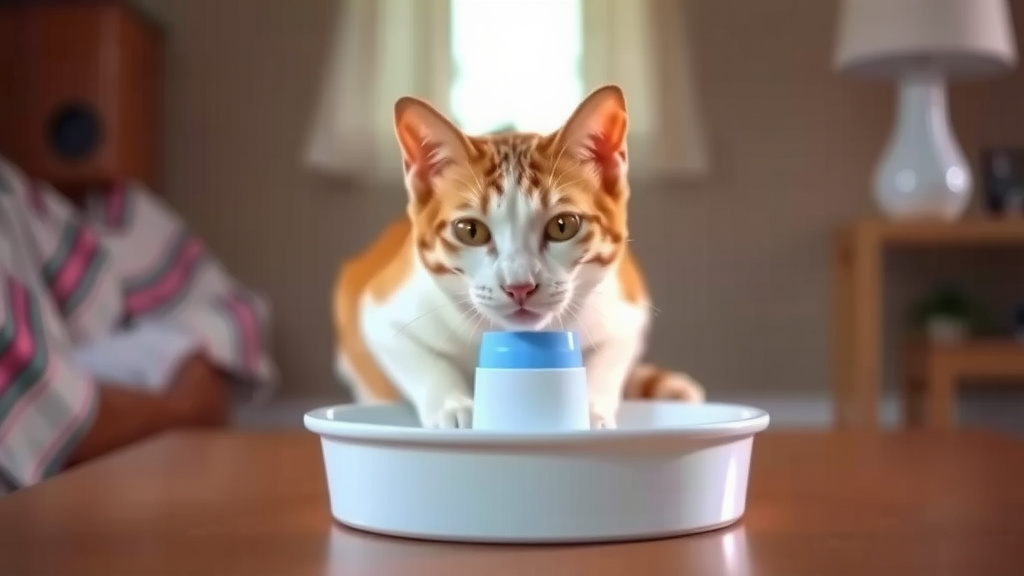
Not all filters are made the same. Using a generic or off-brand filter can save a little money, but it might not fit right or filter as well. We found that sticking with the brand that matches your fountain is the safest bet.
Check the packaging for the word “compatible” if you are looking for a budget option. Look at the dimensions and compare them to your old filter. A filter that is too small will allow unfiltered water to pass around it.
Comparing Filter Types: Carbon vs. Foam
Most fountains use a combination of materials. Carbon filters remove chemicals, odors, and bad tastes. Foam filters catch larger particles like hair and dust. Some premium filters add an ion-exchange resin to soften hard water.
Here is a quick breakdown of what you get with common filter types:
| Filter Type | Main Job | Best For |
|---|---|---|
| Activated Carbon | Removes odors and chlorine | Picky drinkers who dislike tap water taste |
| Foam Pre-Filter | Traps hair and large debris | Homes with long-haired or heavy-shedding cats |
| Ion-Exchange Resin | Removes minerals and heavy metals | Areas with hard tap water |
| Multi-Layer Combo | Catches debris and cleans chemicals | Most cats and owners looking for all-in-one ease |
Think about your home environment when you buy. If you have dusty litter near the fountain, a stronger foam pre-filter helps. If your tap water has a strong mineral taste, a carbon filter makes it more appealing to your cat.
Where to Buy Without the Guesswork
You can find replacement filters at most pet supply stores and online marketplaces. Buy two or three packs at a time so you never run out. Setting a reminder on your phone for every 30 days helps you stay on schedule.
Many brands offer a subscription service. We found that a subscription saves you the mental load of remembering to buy filters. It shows up at your door right when you need it, and that means your cat always has clean water.
Building a Filter Replacement Routine That Sticks
Consistency is the secret to keeping your cat’s fountain running perfectly. A calendar reminder is the easiest way to build this habit. Pick a specific day of the month, like the first Monday, and link it to another chore you already do.
You can also keep a marker on the fountain lid. Many owners write the installation date on the filter itself with a permanent marker. That way, you always know exactly when it needs to be changed next.
Simple Checklist for Maintenance Day
- Unplug the fountain and disassemble all removable parts.
- Throw away the old dirty filter in the trash bin.
- Wash the basin and plastic pieces with warm, soapy water.
- Rinse the pump and check the impeller for hair tangles.
- Rinse the new filter under cold water for one full minute.
- Reassemble everything and refill with fresh water.
Follow this list every time, and the process becomes second nature. You will be done in less than five minutes. Your cat will hear the fountain bubbling and come running for a fresh drink.
What Happens If You Skip Filter Changes?
Skipping a week is not a big deal. Skipping a month is where the trouble starts. We found that a neglected filter stops filtering entirely and just becomes a wet sponge sitting in bacteria-filled water.
The water flow slows to a trickle, which annoys many cats. Some cats start drinking from the toilet or a dripping sink instead. That is a clear sign your fountain has lost its appeal and your filter is completely clogged.
Dirty water can also stress your cat’s kidneys. According to the National Institutes of Health, proper hydration is key to preventing urinary tract issues in felines. Keeping the fountain pristine helps ensure your cat drinks enough to stay healthy.
The Cost of Waiting Vs. The Cost of a Filter
A replacement filter costs a few dollars. A veterinary visit for a urinary blockage can cost hundreds. We found that the math is simple. Spending a tiny amount on a new filter every month is one of the smartest, cheapest ways to protect your cat from expensive health problems.
You do not need to be a pet health expert to understand the value. Clean water supports digestion, kidney function, and overall vitality. A simple monthly swap is a small investment in your cat’s long, happy life.
Conclusion
Keeping your cat’s water fountain filter fresh is one of the easiest ways to protect their health. We covered why a 2 to 4 week schedule works best, how to spot a tired filter, and the simple steps to swap it out. Rinsing new filters, cleaning the pump, and buying the right size all make a big difference.
Your cat depends on you for clean water. A dirty fountain can lead to picky drinking habits or even costly vet visits. Set a monthly reminder on your phone right now. Grab a pack of replacement filters and mark your calendar. That five-minute task keeps your furry friend hydrated, happy, and healthy for years to come.
Frequently Asked Questions
Can I wash and reuse my cat fountain filter?
No, you should not wash and reuse a fountain filter. Once the foam and carbon are saturated with bacteria, they cannot be fully cleaned. Toss the old filter in the trash and install a fresh one.
Why does the water in my cat fountain taste bitter?
That bitter taste usually comes from carbon dust on a brand-new filter. You need to rinse the filter under cold water for a full minute before installing it. This washes away loose dust and keeps the water tasting clean.
Do all cat water fountain filters fit every fountain?
No, filters are not universal. Each brand and model has a specific size and shape. Check your fountain’s manual or measure your old filter to find the exact match for your unit.
Should I change the filter more often in the summer?
Yes, warmer weather can speed up bacteria growth in standing water. We recommend checking the filter at the two-week mark during hot months. If the water looks cloudy or smells stale, swap it out early.
My cat stopped drinking from the fountain. Is the filter the problem?
It might be. Cats have sensitive noses and can detect stale water quickly. Replace the filter, clean the whole unit, and refill with fresh water. If your cat still refuses, check the pump flow, as some cats dislike weak water streams.