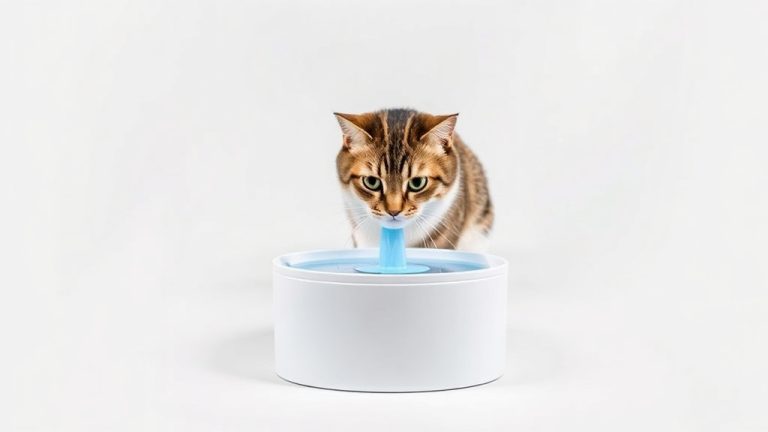
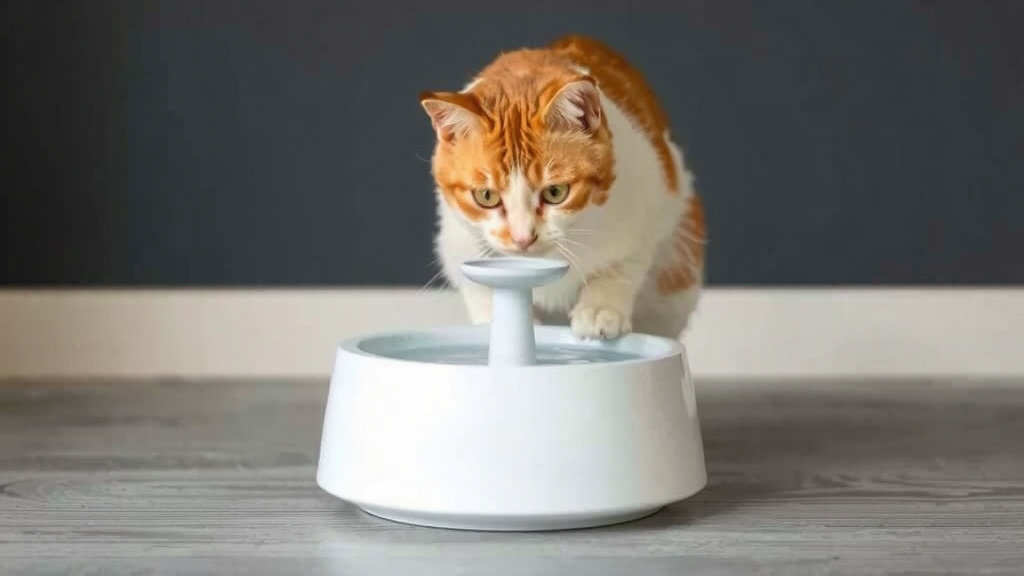
Using a Cat Water Fountain Without a Filter: Is It Safe?
Yes, you can use a cat water fountain without a filter, but you’ll need to clean it much more often. The filter’s main job is to catch hair, dust, and debris while softening the water for your cat. Running it filter-free is totally safe, as long as you’re ready to swap the water daily and scrub the fountain every few days.
We found that many pet owners ditch the filter because replacements are pricey or hard to find. Without one, your fountain still circulates and aerates the water, which encourages your cat to drink more. The trade-off is more maintenance, since food bits and fur will float freely without the filter to trap them.
- Yes, it works fine without a filter — the pump keeps water moving.
- Change the water daily to prevent slime and bacteria buildup.
- Clean the bowl and pump every 2–3 days if you skip the filter.
- Watch for fur clogs in the pump intake — that’s the biggest risk.
- Buy a spare filter if you can, since it cuts cleaning time in half.
Below, we’ll walk you through exactly how to run your fountain filter-free, what to watch out for, and when it’s worth keeping the filter in place. Let’s get your cat’s water flowing the smart way.
Running Your Cat Fountain Without a Filter: The Real Story
You can absolutely run your cat water fountain without a filter. We found that many cat owners choose this route when replacement filters are backordered or simply too pricey. The fountain will still pump and aerate the water, which keeps it moving and fresh-tasting for your feline friend.
What changes is your workload. Without a filter, you become the filter. Every piece of fur, dust, or food crumb stays in the water until you remove it manually. That means daily water changes and frequent scrubbing sessions. If you can commit to that schedule, your cat will be perfectly fine drinking filter-free water.
Why the Filter Matters in the First Place
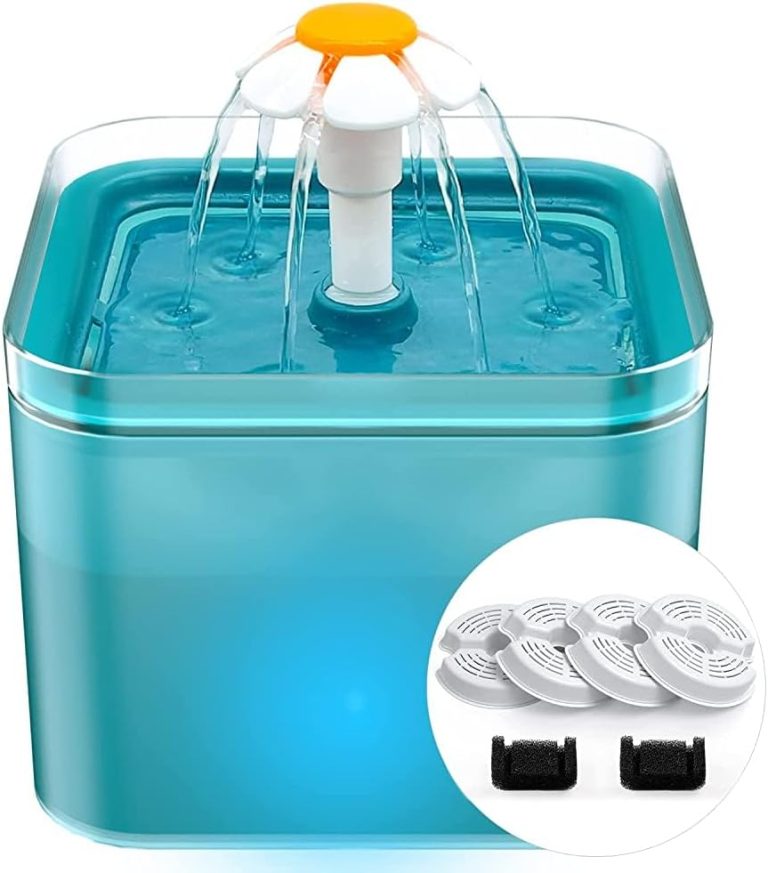
Most fountain filters contain activated carbon, which does two jobs. First, it traps physical debris like cat hair and litter dust. Second, it absorbs odors and some impurities that make water taste stale. Research on pet hydration points out that cats prefer fresh-tasting water (many veterinary guidelines note this preference).
The filter also helps keep the pump clean. When fur slips past the filter, it wraps around the pump impeller. This can slow water flow or stop the fountain entirely. Running without a filter means the pump has no protection, so clogs become your main enemy.
What Happens to the Water Without a Filter
Here’s the short version: the water gets dirty faster. In a filtered fountain, you can often go 5 to 7 days between full cleanings. Without a filter, that window shrinks to 2 or 3 days. Stagnant water, leftover food particles, and warm pump temperatures create a breeding ground for bacteria.
The Centers for Disease Control and Prevention warn that biofilm — that slimy layer you feel on wet surfaces — can harbor harmful germs. Cats drinking from a slimy fountain are exposed to these microbes. Daily water changes dramatically reduce that risk, but you must stay consistent.
How to Run a Filter-Free Fountain Safely
If you’re determined to skip the filter, follow this routine. It takes about five minutes a day, but your cat’s health depends on your consistency. We found that cat owners who stick to a daily schedule rarely have problems.
Daily Water Swaps Are Non-Negotiable
Dump the old water every single morning. Rinse the bowl with warm water — no soap needed unless it feels slimy. Refill with fresh, cool water. This simple habit removes floating fur, dust, and any bacteria that grew overnight.
Using tap water is fine for most cats. If your tap water has a strong chlorine taste, let it sit in a pitcher for a few hours or use filtered water from your fridge. The goal is to make the water as appealing as possible so your cat drinks enough.
Deep Clean Every Two to Three Days
Every other day, take the fountain apart completely. Wash the bowl, the pump housing, and the fountain lid in warm, soapy water. Use a small bottle brush to scrub the pump intake and the nooks where slime hides. Rinse everything thoroughly so no soap residue remains.
This deep clean prevents biofilm from forming on the surfaces your cat drinks from. Many veterinarians recommend this frequency when filters are not in use (American Veterinary Medical Association guidance on water hygiene supports regular cleaning).
Watch the Pump Like a Hawk
Without a filter, hair gets sucked directly into the pump. Check the intake every day. If you see fur wrapped around it, pull it off immediately. A clogged pump can overheat or burn out, leaving your cat with no water source at all.
Keep a spare pump on hand if you plan to run filter-free long-term. Replacement pumps are usually under $20 and save you from a mid-summer emergency. A dead pump means a thirsty cat, and nobody wants that.
Signs Your Pump Is Struggling
- Water flow looks weaker than when the fountain was new
- You hear a grinding or rattling noise
- The pump gets warm to the touch
- Water stops flowing even though the bowl is full
- Your cat starts drinking from other places instead
Filter-Free vs. Filtered: A Quick Comparison
Still on the fence? Let’s break down the differences side by side. This table shows what you’re really choosing between when you decide on filter usage.
| Factor | With Filter | Without Filter |
|---|---|---|
| Water change frequency | Every 3–5 days | Daily |
| Full cleaning | Weekly | Every 2–3 days |
| Pump clog risk | Low | High |
| Cost per month | $8–15 for replacements | $0, plus possible pump replacement |
| Water taste | Neutral, odor-free | Depends on your tap water |
| Time commitment | Low | Medium-high |
When It’s Worth Keeping the Filter
Honestly, there are times when filter-free just doesn’t make sense. If your cat has health issues, a compromised immune system, or is a senior, skip the filter-free experiment. The reduced bacterial load from a filter is worth the cost for vulnerable pets.
Also, if you travel often or have a busy schedule, filters are your safety net. Missing a daily water change while you’re out of town could make your cat sick. A filter gives you more leeway without putting your pet at risk.
Cheaper Filter Alternatives Worth Trying
If cost is your main reason for going filter-free, consider these budget hacks. You can buy generic filters that fit popular fountain models — they’re often half the price of brand-name ones. Look for charcoal filter pads that you can cut to size with scissors.
Some owners rinse and reuse carbon filters for a second cycle. This doesn’t work as well as a fresh filter, but it beats going without. Simply rinse the filter under running water, let it dry completely, and pop it back in for one more week.
When to Ditch the Fountain Altogether
Sometimes a fountain causes more problems than it solves. If your pump keeps dying, the motor is too loud for your cat, or you hate the cleaning routine, a simple ceramic bowl might be better. Many cats drink plenty of water from a wide, shallow bowl changed twice a day.
Research shows that some cats prefer still water to moving water, even though moving water often attracts them initially. Pay attention to your cat’s drinking habits. If they drink more from a bowl, go with that. The fountain is a tool, not a requirement.

The Bottom Line on Filter-Free Fountains
Using a cat water fountain without a filter is a legitimate option for committed owners. The pump keeps water moving and oxygenated, which encourages drinking. The real work is staying on top of daily water changes and thorough cleaning.
We recommend trying the filter-free method for one week. Track how much time you spend cleaning and whether your cat drinks normally. If the routine feels manageable and your cat stays hydrated, you’re good to go. If not, order filters and call it a day. Either way, your cat gets fresh water, and that’s the whole point.
Quick Checklist for Filter-Free Fountain Success
- Change the water completely every 24 hours
- Rinse the bowl with warm water each morning
- Deep clean the whole fountain every 2–3 days
- Check the pump intake daily for fur clogs
- Keep a spare pump in case of burnout
- Watch your cat’s water intake for any drop-off
Conclusion
Running your cat water fountain without a filter is completely doable. You just have to trade a little money for a lot more elbow grease. The fountain still moves and oxygenates the water, which your cat will love. But you are the filter now, so daily water swaps and scrubbing every couple of days are non-negotiable.
Keep a close eye on the pump, because fur clogs are your biggest enemy. If you travel often or your cat is older, a filter is the safer bet. Our advice? Try the filter-free method for one week. Track your cleaning time and watch your cat’s drinking habits. If it feels like too much work, order replacement filters and call it done. Fresh water is the goal, and you can hit it either way.
Frequently Asked Questions
Will my cat drink less water without a filter?
Most cats won’t notice the difference, since the moving water is what attracts them. The filter mainly affects taste and odor. If your tap water has a strong chlorine smell, your cat might drink less. Let the water sit out for a few hours before filling the fountain to help reduce that smell.
Can I just use a sponge or cloth as a DIY filter?
We don’t recommend it. Sponges and cloths can harbor bacteria quickly and might break apart in the pump. They also don’t have activated carbon, so they won’t remove odors. You’re better off running the fountain with no filter at all and cleaning it more often than using a makeshift one.
How long can a cat fountain pump last without a filter?
It really depends on how much fur your cat sheds. Some pumps last months, while others burn out in weeks. The key is checking the intake daily and pulling off any wrapped hair. Keeping a spare pump on hand is a smart backup plan if you run filter-free long-term.
Is it safe for kittens to drink from a filter-free fountain?
Kittens have developing immune systems, so we’d be cautious. The higher bacteria risk without a filter could upset their stomachs. If you go filter-free, you must be extra strict about daily water changes. For peace of mind, a filter is worth the cost for kittens.
Can I put ice cubes in the fountain to keep the water fresh?
Sure, adding a few ice cubes is a great way to keep water cool and appealing, especially in summer. Cold water slows bacteria growth a bit, but it doesn’t replace your cleaning routine. Your cat might even enjoy playing with the ice cubes floating around, which encourages more drinking.