How Pet Water Fountains Work: A Simple Guide
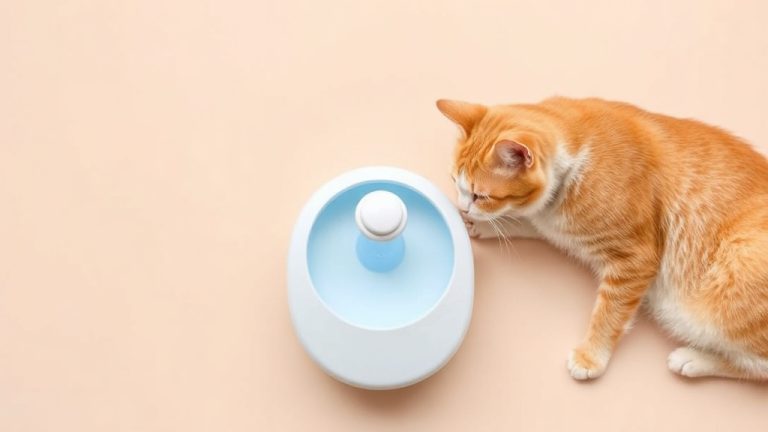
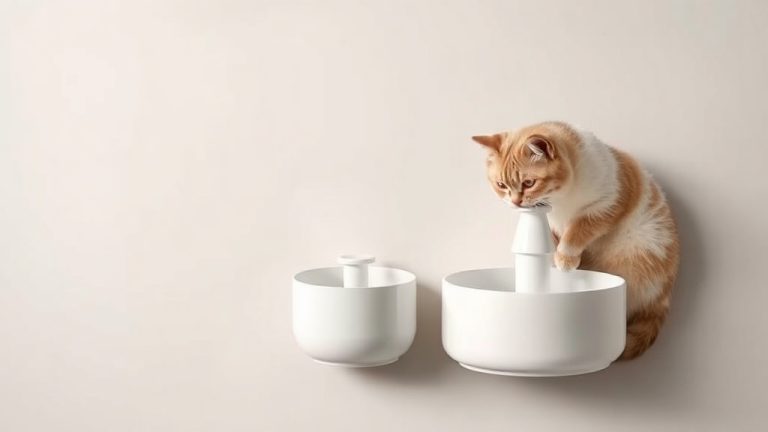
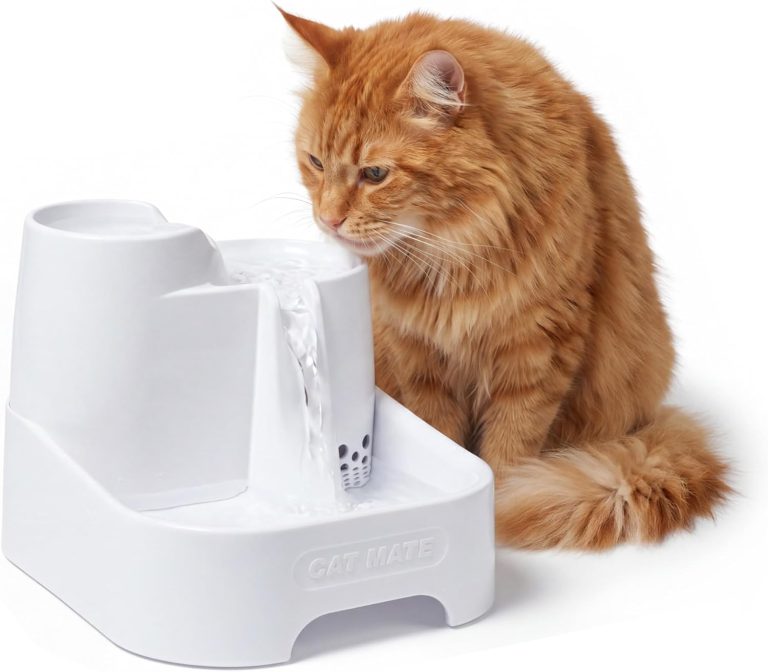
A pet water fountain works by using a small electric pump to continuously recirculate water from a built-in reservoir up through a tube and out a spout, creating a fresh, flowing stream. The water then falls back into the bowl, passing through a filter that catches hair, food, and debris before being pumped around again. This simple cycle keeps the water moving and oxygenated, which makes it far more appealing to your cat or dog than a stagnant bowl.
You might be wondering if the constant noise or the pump itself is safe and worth the effort. We found that these fountains are designed with pets in mind, using low-voltage pumps and food-safe materials. Many experts say the moving water instinctually attracts pets because, in the wild, running water is usually cleaner and safer to drink. That’s why you often see cats staring at a faucet instead of lapping up their still water bowl.
- Core mechanics: A submersible pump pushes water up and out, while gravity brings it back down.
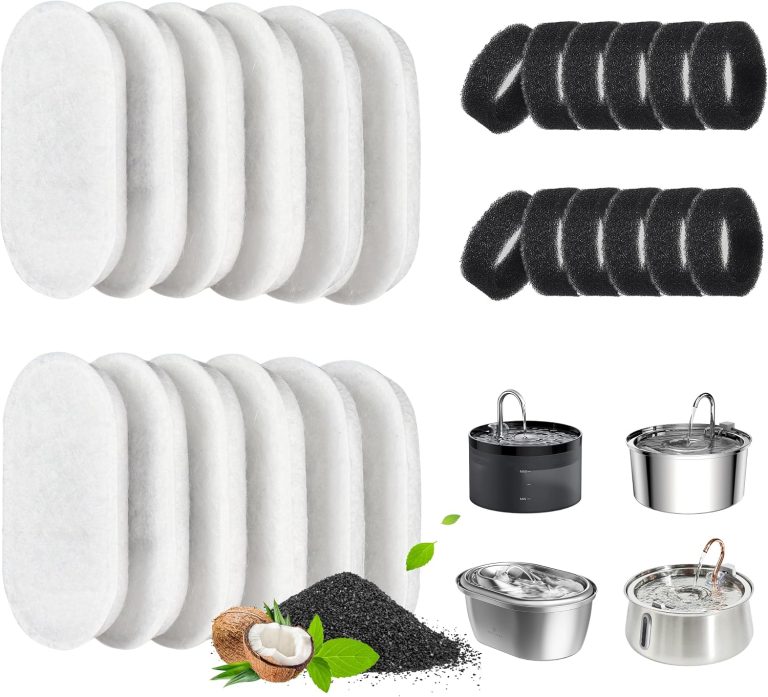
- Filtration system: Activated carbon and foam filters trap fur and remove bad tastes and odors.
- Oxygenation benefits: The falling water adds oxygen, which inhibits bacterial growth.
- Health perks: Increased water intake helps prevent urinary tract issues and dehydration in pets.
- Maintenance needs: You’ll need to clean the pump and replace filters every 2 to 4 weeks for optimal performance.
Below, we break down exactly how each part of the fountain works together, so you can understand what to look for when buying one and how to keep it running smoothly for your furry friend.
Understanding the Mechanics of a Pet Water Fountain
Let’s open up the hood, so to speak. A pet water fountain is not a complicated machine. It relies on a few simple parts that work together in a continuous loop.
The main parts you will find inside are a reservoir (the water tank), a submersible pump, a spout or stream opening, and a filtration system. Some models also have a carbon filter pad and a foam pre-filter. The magic happens when the pump pushes water up a small tube to the top. Gravity then pulls the water back down into the bowl. It is a simple, elegant cycle that keeps water moving all day long.
We found that this constant motion is the secret sauce. It mimics a natural spring or stream. For your pet, it signals that this water is fresh and safe. Stagnant water in a regular bowl can harbor bacteria and dust, but the movement in a fountain prevents that film from forming on the surface.
Where Does the Water Actually Go?
Think of the fountain like a tiny amusement park ride for water. The pump is the motor that carries the water up the hill. Once it reaches the top, it flows out the spout. It splashes down into the basin. That basin is connected to the reservoir below. The water filters through a series of screens before the pump grabs it again.
This path is designed to be short. The shorter the path, the less work the pump has to do. Less work means less noise and less energy use. Most pumps run on low voltage, which is safe if your pet decides to paw at the water stream.
The Role of Gravity in the Cycle
Gravity does half the work for you. Once the water leaves the spout, it doesn’t need any help getting back to the base. It falls naturally. This falling motion is what creates the bubbling sound that cats love. It also helps pull debris down into the filter rather than letting it float on top.
If the fountain didn’t use gravity, you would need a massive pump. That would be noisy and use a lot of electricity. By letting gravity handle the return trip, manufacturers can use small, quiet pumps that are nearly silent.
The Filtration Process Explained
Moving water is great, but it isn’t enough on its own. If you just recirculated the same dirty water, you would eventually have a fountain full of germs. That is where the filter comes in. The filter is the unsung hero of the whole system.
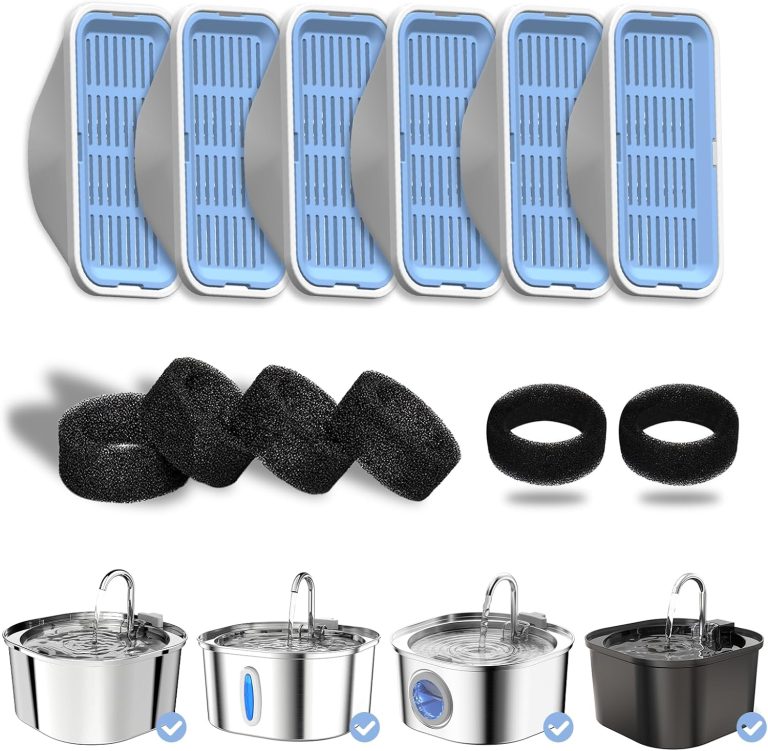
Most fountains use a multi-stage filtration setup. The first stage is usually a physical barrier. This catches hair, food crumbs, and dust that falls into the bowl. The second stage is activated carbon. This is the same stuff used in fancy water pitchers for humans. It removes bad tastes and odors, like chlorine from tap water.
Activated Carbon vs. Foam Filters
You will often see two types of filters listed on the box: foam and carbon. They serve different purposes, and you need both for best results.
- Foam pre-filter: Catches large particles. It protects the pump from getting clogged with fur.
- Carbon filter: Removes chemicals, bad tastes, and odors. It makes the water taste fresh.
- Ion-exchange resin: Some premium filters have this to soften hard water.
We found that if you skip the foam filter, the carbon one gets clogged faster. That means you will be buying replacements more often. It is a small step that saves you money in the long run.
Why Does Filter Replacement Matter?
A dirty filter is worse than no filter at all. It becomes a breeding ground for bacteria. The water passes right over the gunk, picking up germs as it goes.
Many guidelines suggest changing the filter every two to four weeks. This depends on how much your pet drinks and how much hair they shed. If you notice the water flow slowing down, that is a sign the filter is full. Don’t wait for the smell to tell you it’s time to change it.
Oxygenation and Why It Keeps Water Fresh
You might not think about oxygen in your pet’s water bowl. But it makes a big difference. When water falls and splashes, it traps air bubbles. These bubbles dissolve into the water. This process is called oxygenation.
Bacteria that cause slime and bad smells thrive in low-oxygen environments. A stagnant bowl has very little dissolved oxygen. The moving water in a fountain constantly replenishes its oxygen supply. This makes it much harder for harmful microbes to survive.
This is one of the key health benefits you can’t see with your eyes. Your pet might just think the water tastes better. But scientifically, it is cleaner because of the aeration process.
Why Your Pet Prefers Running Water
Have you ever seen your cat staring at the bathroom faucet? It is not just being weird. This behavior is hardwired into their brains. In the wild, running water is safer. Stagnant pools often harbor parasites and bacteria. Instinct tells them to seek out moving sources.
Many experts say that cats have a low thirst drive. They evolved from desert animals. They don’t always remember to drink enough. When they see a fountain, the movement triggers their interest. It encourages them to drink more frequently.
Dogs benefit too. Some dogs are picky about the temperature or taste of their water. The constant flow keeps the water cooler than a bowl sitting in a sunny room.
Encouraging Picky Drinkers
If your pet has been ignoring their bowl, a fountain can be a game-changer. We found that the sound and sight of moving water acts like an invitation. It says, “This is safe, come take a sip.”
For older pets, the elevated stream is easier to see. For kittens and puppies, it is a fun toy to play with. Just make sure you supervise playtime so they don’t tip the whole thing over.
Key Maintenance Tasks for Longevity
To keep the fountain running smoothly, you have to do a little housekeeping. It is not a set-it-and-forget-it device. But the maintenance is quick and simple.
The most important task is cleaning the pump. The pump has a small impeller that spins to move water. Hair can get wrapped around this and stop it from spinning. Once a week, take the pump apart and rinse it under warm water. You don’t need soap, just a good rinse and maybe a soft brush.
Weekly Cleaning Checklist
Here is a simple checklist to keep your fountain in top shape. Following these steps will extend the life of the pump and keep the water crystal clear.
- Rinse the pump: Disconnect it and flush out any debris from the intake area.
- Wipe down the basin: Use a soft cloth to remove the slippery biofilm that forms.
- Refill with fresh water: Top off the tank every day or two to keep the pump submerged.
- Check the water level: Never let the pump run dry. It can burn out quickly.
- Clean the spout: Sometimes mineral deposits build up and block the flow.
- Dry all parts: Before reassembling, let everything air dry to prevent slime.
Comparing Fountain Styles and Features
Not all fountains are built the same. Some are designed for cats, others for big dogs. The size of the reservoir matters. A small cat fountain might only hold 50 ounces. A dog fountain could hold over a gallon.
You also have options for the water stream. Some fountains have a single falling stream. Others have a bubbling dome on top. There are also “flower” fountains where water comes up through a petal and falls down the sides. The style affects the noise level and how much water splashes out.
| Feature | Cat Fountain | Dog Fountain |
|---|---|---|
| Reservoir Size | 50-70 oz | 100+ oz |
| Stream Type | Gentle stream | Taller spout |
| Noise Level | Very quiet | Low hum |
| Filter Type | Carbon + foam | Carbon + foam |
| Material | Plastic or ceramic | Stainless steel |
We found that stainless steel is the best choice for hygiene. It is non-porous. That means bacteria can’t hide in tiny scratches. Plastic is lighter and cheaper, but it can get scratched over time. Those scratches become safe havens for germs.
Common Pump Issues and Quick Fixes
Sometimes the fountain just stops working. Before you throw it away, check the pump. Nine times out of ten, it is a simple clog.
The most common issue is a loud buzzing noise. This usually means the impeller is stuck. Hair or grit has jammed it. Turn off the fountain, take the pump apart, and clean the impeller with a toothbrush. That usually solves the problem right away.
Another issue is low water flow. This points to a clogged filter or a blocked intake. Replace the filter if it is old. If the intake is blocked, you will see a lot of debris gathered around the bottom of the pump. Rinse it out thoroughly.
Signs Your Pump Needs Replacement
Eventually, every pump wears out. It has moving parts that spin constantly. Most pumps last about a year or two with good care.
If you have cleaned the pump and it still runs hot or makes grinding noises, it is time to order a new one. Replacement pumps are widely available and easy to install. They just unplug from the fountain base and a new one snaps in.
Safety Considerations for Your Pet
Safety is a natural worry. You are plugging something into the wall near your pet. But these fountains are designed with safety in mind.
All pumps use low-voltage adapters. They convert the 120-volt wall current down to a safe 12 volts or less. That is the same voltage as a phone charger. Even if your pet chews the cord, the low voltage minimizes the risk of a dangerous shock.
However, you should still discourage cord chewing. The cord itself can be a choking hazard. Many owners use cord protectors or hide the cord under the counter. Place the fountain on a flat, stable surface to prevent tipping.
We found that ceramic and stainless steel models are heavier. They are harder to tip over than lightweight plastic ones. If you have a rambunctious puppy, opt for a heavier base.
How Many Pets Does It Serve?
If you have multiple pets, you might wonder if one fountain is enough. It depends on the capacity. The fountain needs to hold enough water for everyone to drink without running dry.
A general rule is to get a fountain that holds at least 1.5 times the daily water intake of all your pets combined. Most cats drink about 3-4 ounces a day. Dogs drink more, especially if they are active. Check the reservoir size before you buy.
Also, think about the surface area of the bowl. Some fountains have a small drinking area. That is fine for one cat. But if you have two dogs with wide mouths, they will appreciate a larger basin.
Choosing the Right Location for the Fountain
Where you place the fountain matters more than you think. You want it somewhere quiet and away from heavy foot traffic. If you put it next to the washing machine, the noise might scare your pet away.
Keep it out of direct sunlight. Sunlight promotes algae growth. You want a cool, shaded spot in the kitchen or living room.
Make sure the area is easy to clean. The fountain will have some splashes around it. Place a mat underneath to catch drips and protect your floors. This keeps the area tidy and prevents slips.
Most importantly, make sure your pet can find it. If you are switching from a bowl to a fountain, keep the fountain in the same spot as the old bowl. This helps with the transition. Your pet already knows that corner is the water station.
Conclusion
You now know the full picture. A pet water fountain works with a simple pump and gravity loop. That cycle keeps water moving, filtered, and oxygenated. It fights bacteria and encourages your pet to drink more. That single habit can make a real difference for their kidney health and hydration levels.
The best move you can make right now is to pick a fountain that fits your pet’s size and your home. Look for stainless steel or ceramic. Check the reservoir capacity. And commit to a simple weekly cleaning routine.
Your pet won’t know why the water tastes better. They will just know they like it. And you will enjoy the peace of mind that comes with knowing you are giving them fresh, clean water every single day.
Frequently Asked Questions
Will a pet water fountain increase my electricity bill?
No, not in any noticeable way. Most pumps use only 2 to 5 watts of power. That is less than a nightlight. You can run it 24/7 for just a few dollars a year.
Can I use tap water in my pet’s fountain?
Yes, tap water is perfectly fine for most pets. The activated carbon filter will remove chlorine and improve the taste. If your tap water is very hard, you might notice mineral buildup. In that case, filtered or bottled water can help reduce scale.
How often should I change the water in the fountain?
You should top it off every day or two. A full water change should happen every two to three days. This keeps the water fresh and stops biofilm from forming on the surfaces.
Why is my pet afraid of the water fountain?
Some pets are cautious about new sounds and movements. Start by placing the fountain next to their old bowl. Let them investigate it while it is off. After a few days, turn it on and let them get used to the sound.
Are plastic water fountains safe for pets?
Plastic fountains are safe, but they can develop scratches over time. Those scratches can trap bacteria. If you choose plastic, inspect it regularly and replace it if you see deep scratches. Stainless steel and ceramic are more hygienic long-term options.