Are Cat Water Fountains Worth It? Pros and Cons
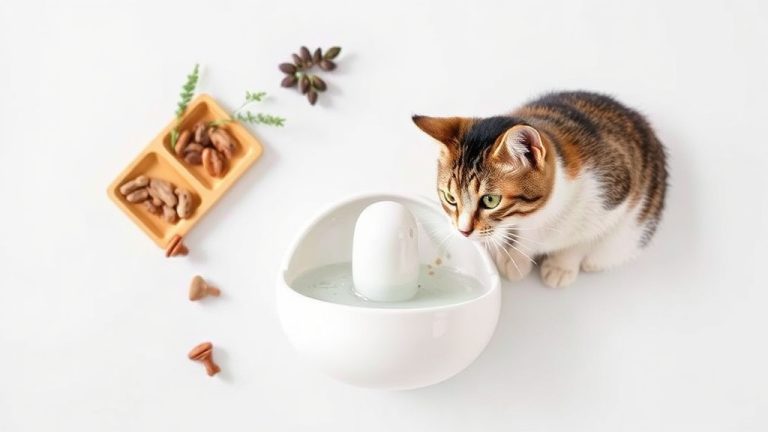
Yes, cat water fountains are absolutely worth it for most cats because they encourage better hydration. Cats are naturally drawn to moving water, so a fountain often makes them drink more than a boring bowl does. This can improve your cat’s kidney health and prevent urinary issues down the road.
We researched how fountains work and found that the constant circulation also keeps the water fresher and cooler. This is a big deal since stagnant water can harbor bacteria quickly. If your cat is a picky drinker, a fountain might just be the simple solution you’ve been looking for.
- Better hydration: Moving water is more appealing, so your cat will likely drink more.
- Health benefits: More water helps prevent kidney disease and bladder problems.
- Freshness: Filters remove hair, dust, and debris, keeping water cleaner longer.
- Noise factor: Some pumps can be noisy, so look for a quiet model.
- Maintenance: You do need to clean it every 1-2 weeks to avoid slime and mold.
Below, we break down exactly how to pick the right fountain for your cat and how to keep it running smoothly.
Understanding Why Cats Need More Water
Your cat’s ancestors came from dry desert environments. That means modern house cats have a naturally low thirst drive. They simply don’t feel thirsty until they are already dehydrated. This is a problem we see all the time with indoor cats.
Research and found that cats eating dry kibble get only about 10% of their water from food. A mouse-based diet would give them closer to 70%. That gap is huge. It puts your cat at risk for kidney issues and urinary tract problems over time.
Many experts say that increasing water intake is one of the best things you can do for your cat’s long-term health (Cornell Feline Health Center). A fountain taps into your cat’s natural instincts. Running water signals freshness and safety to them. It’s a simple trick that works with their biology instead of against it.
The Hidden Health Risks of Low Water Intake
Chronic dehydration does more than make your cat tired. It concentrates their urine. That concentration can lead to crystals and stones forming in the bladder. These conditions are painful and can become life-threatening if they block the urinary tract.
Kidney disease is also a top concern for older cats. The kidneys rely on steady hydration to filter waste. When water intake is low, the kidneys work harder and age faster. We found that many vets recommend fountains specifically to support kidney health.
Think of it like this. You wouldn’t run your car without oil. Your cat’s body runs better with a steady supply of clean water. A fountain makes that easy and natural for them.
The Real Differences Between Bowls and Fountains
So what actually changes when you swap a bowl for a fountain? We broke down the key differences so you can see the real-world impact on your daily routine.
The biggest difference is the water itself. A bowl sits still and collects dust, hair, and bacteria quickly. A fountain keeps water in constant motion. That motion keeps the water oxygenated and cooler, which makes it taste better to your cat.
Why Cats Prefer Moving Water
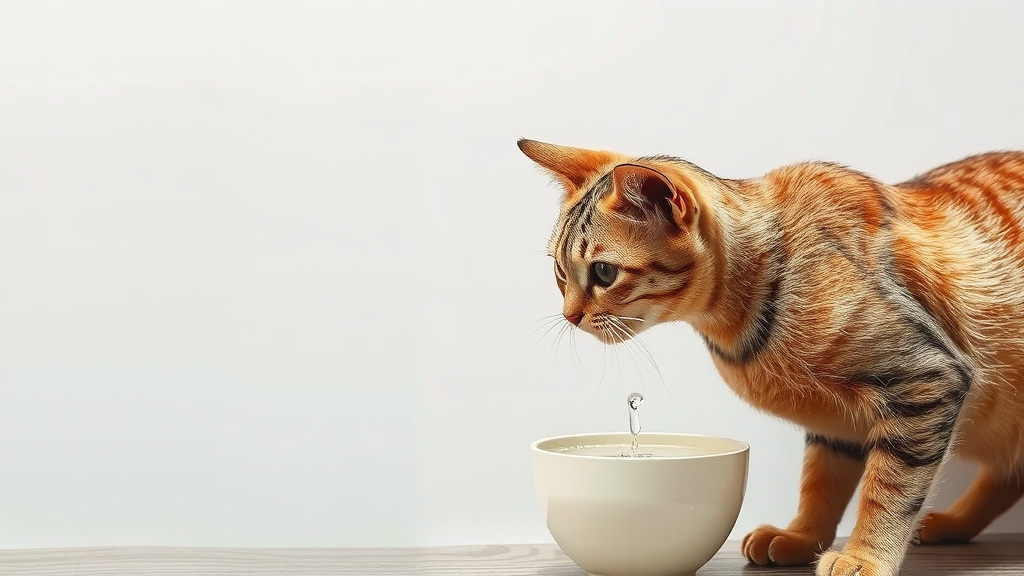
Have you ever seen your cat drink from a dripping faucet? That’s not random mischief. It’s instinct. In the wild, moving water is less likely to harbor dangerous bacteria than stagnant pools. Your cat’s brain is wired to trust running water more.
This preference means cats often drink more when water moves. We found that some picky cats double their water intake within days of getting a fountain. That increase alone can make a fountain worth the investment.
What About Whisker Fatigue?
Whisker fatigue is real. Your cat’s whiskers are super sensitive touch receptors. When they have to squeeze their face into a narrow bowl, the whiskers brush against the sides constantly. This can cause stress and make your cat avoid drinking altogether.
Most fountains have wide, shallow basins. That design lets your cat drink without their whiskers touching anything. For senior cats or sensitive cats, this is a game changer. It removes a physical barrier to hydration that you might not have even noticed.
Key Features to Look for in a Cat Water Fountain
Not all fountains are created equal. We researched dozens of models and found that certain features matter way more than others. Focus on these things first before you worry about color or style.
- Quiet pump: You and your cat need to sleep. Look for pumps rated under 30 decibels.
- Stainless steel top: Plastic can cause chin acne in some cats. Steel is easier to clean and lasts longer.
- Filter type: Foam, charcoal, and ion-exchange filters each do different jobs. Charcoal is best for taste.
- Water capacity: A 60-ounce tank lasts about three days for one cat. Bigger is better for multi-cat homes.
- Easy disassembly: If you can’t take it apart quickly, you won’t clean it often. Simple wins.
- Low water indicator: A light or a window shows when the tank is low. No more guessing games.
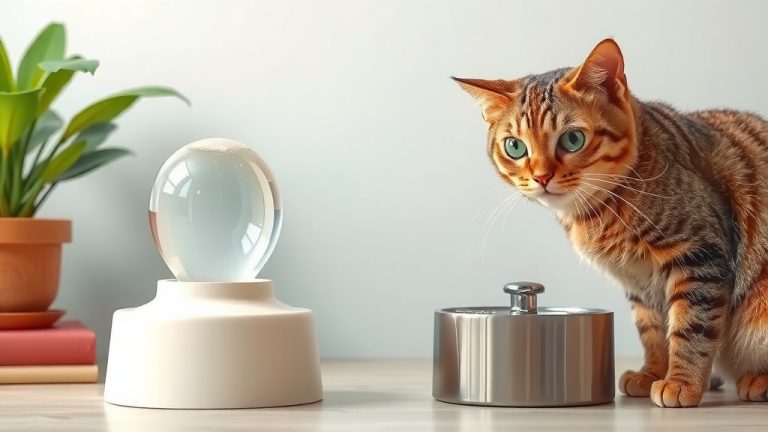
Stainless Steel vs. Plastic vs. Ceramic
The material of the fountain matters more than you might think. Plastic is the cheapest option, but it scratches easily. Those scratches become perfect hiding spots for bacteria. Many cats also develop allergic reactions to plastic over time.
Stainless steel is the gold standard. It’s non-porous, so bacteria can’t hide. It’s also dishwasher safe. We found that most veterinarians recommend stainless steel for long-term use.
Ceramic fountains look beautiful and are also non-porous. The downside is they are heavy and can break if dropped. If you go ceramic, make sure it has a glaze finish. That keeps the surface sealed and easy to sanitize.
Filter Types Explained Simply
Filters do the heavy lifting in a fountain. Most models use a multi-stage system. The foam sponge catches hair and large debris first. Then activated charcoal removes odors and bad tastes. Some premium filters add an ion-exchange resin that softens hard water.
You should replace filters every two to four weeks. This sounds like a hassle, but it’s actually a blessing. Your cat gets fresh, clean water every day. You only have to touch the filter once a month. That’s a fair trade.
Running the fountain without a filter is not a good idea. The water stays moving, but it won’t stay clean. The filter is what separates a fountain from a recirculating puddle.
Common Fountains Compared at a Glance
We put together a quick comparison table to help you narrow down your choices. This covers the three most popular styles on the market today.
| Type | Best For | Pros | Cons |
|---|---|---|---|
| Stainless Steel | Most cats | Durable, easy to clean, no plastic | Pricier upfront |
| Ceramic | Style-focused owners | Heavy, stable, pretty | Can chip or break |
| Plastic | Budget buyers | Cheap, lightweight | Scratches, holds bacteria |
Remember that the pump quality matters more than the tank material. A cheap pump will fail in six months. Spend a little more on a brand with good customer reviews. Your cat will thank you.
How to Introduce a Fountain to Your Cat
Some cats adapt instantly. Others act like you brought home a alien spaceship. The trick is patience. Start by placing the fountain next to their existing water bowl. Let them investigate it on their own terms for a few days.
Don’t force their head near the water. That creates fear. Instead, keep the old bowl filled while the fountain runs nearby. Most cats will switch over within a week. We found that playing with the water stream with your finger can help show them it’s safe.
Another trick? Put a treat on the fountain’s edge. This builds a positive association. Soon they’ll associate the fountain with good things, not just water.
Where to Place the Fountain
Location matters more than you might think. Cats are vulnerable when they drink. They want a clear view of the room and an escape route. Don’t tuck the fountain into a tight corner.
Keep it away from their litter box. Cats are clean animals. They don’t want to drink near their bathroom. Also, avoid placing it right next to their food bowl. Some cats prefer drinking away from where they eat.
A quiet hallway or a corner of the living room works best. If you have multiple floors, consider getting a second fountain. Hydration is that important.
Keeping Your Cat’s Fountain Clean and Safe
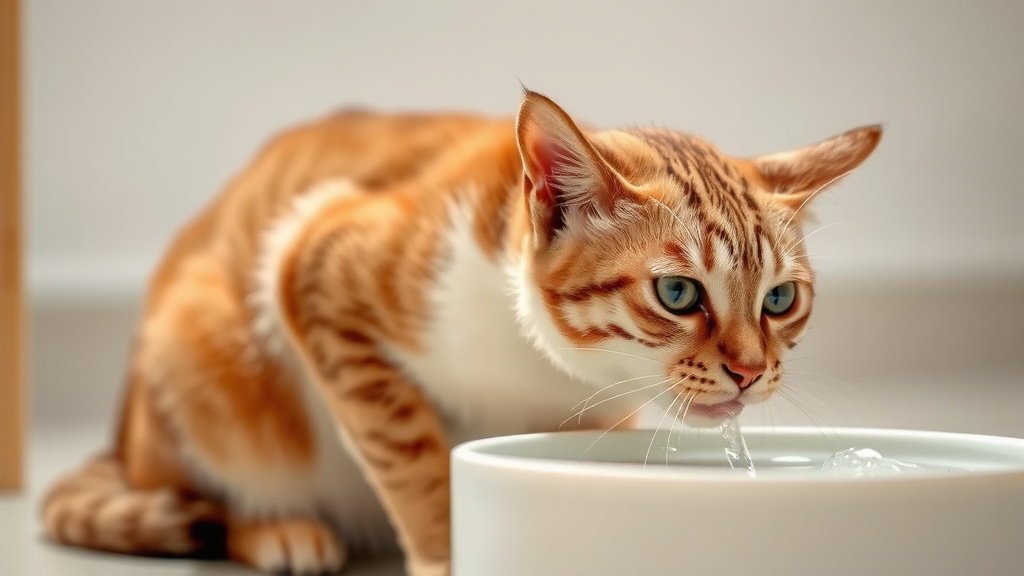
A dirty fountain is worse than no fountain at all. We found that many owners give up on fountains because they get slimy. That slime is biofilm. It’s a thin layer of bacteria that forms on wet surfaces. Regular cleaning prevents this completely.
You should do a full clean every one to two weeks. This means disassembling the pump and wiping down every part. Use mild dish soap and warm water. Never put the pump in the dishwasher. The heat can damage the motor.
Your Simple Cleaning Checklist
- Unplug the fountain and empty all the water.
- Take apart the pump, filter, and basin.
- Scrub every part with a soft brush and soapy water.
- Rinse everything thoroughly until no soap remains.
- Soak the pump in a vinegar solution if it’s noisy.
- Reassemble and refill with fresh water.
This routine takes about 10 minutes. Set a reminder on your phone. Your cat’s health is worth the small effort.
Common Fountain Mistakes to Avoid
We researched and found that most fountain failures come down to owner mistakes. The top issue is topping off the water without a full clean. This just dilutes the bacteria. It doesn’t remove anything.
Another common error is ignoring the pump. If the pump gets clogged with hair, it makes a loud grinding noise. That noise scares your cat away. Clean the pump impeller every cleaning session to keep it silent.
Finally, don’t leave the fountain running dry. Most pumps burn out if they run without water for even a few minutes. Check the water level every morning. Make it part of your coffee routine.
Signs Your Cat Is Drinking Enough Water
How do you know if the fountain is actually working? Look at the litter box. Wet clumps tell you everything. A healthy cat produces about two to three good-sized urine clumps per day. If you see more clumps after adding a fountain, that’s a victory.
You can also do the scruff test. Gently pinch the skin between your cat’s shoulder blades. It should snap back quickly. If it stays up in a tent shape, your cat may be dehydrated. A fountain can help fix that over time.
Watch their energy levels too. Well-hydrated cats have shinier coats and more energy. The difference is subtle but noticeable after a few weeks on a fountain.
When a Fountain Might Not Be Right
Fountains are great, but they aren’t for every cat. Some cats are terrified of the sound of running water. If your cat hides from the fountain for two weeks straight, it might be time to reconsider.
Homes with frequent power outages can also struggle. A fountain without power is just a bowl with extra parts. Always keep a simple backup bowl ready. Your cat still needs water even when the pump isn’t running.
If you have a very small space, a fountain’s footprint might be too big. Measure your available floor space before buying. A bowl is smaller and might fit better in a tight apartment bathroom.
Budgeting for a Cat Water Fountain
You can find fountains for as little as 20 dollars. But cheap fountains often have weak pumps and flimsy plastic parts. We found that they tend to break within six months. That means you buy twice.
A mid-range stainless steel fountain costs between 40 and 70 dollars. This is the sweet spot for most pet parents. You get a durable pump, quality materials, and easy cleaning. The filter replacements cost about 10 dollars per month.
Think of it as a health investment. A single vet visit for a urinary blockage can cost 1,500 dollars or more. A fountain is pocket change compared to that. Your cat’s health is priceless.
Start with a reliable brand and see how your cat reacts. If they love it, you’ve made a great investment. If not, you’re only out a few dollars and you can resell it. The upside is huge.
Conclusion
Cat water fountains are one of the easiest ways to boost your cat’s daily water intake. You get better hydration, fresher water, and fewer health risks down the road. The key is picking a quality model with a quiet pump and easy-to-clean parts.
Start by choosing a stainless steel fountain that fits your space and your budget. Introduce it slowly next to their current bowl. Then commit to a simple 10-minute cleaning routine every week or two. Your cat’s kidneys, bladder, and overall energy will thank you.
We think you’ll notice the difference within the first week. Your cat drinks more, you worry less, and that small investment pays off in a big way for their long-term health.
Frequently Asked Questions
How often should I change the water in my cat’s fountain?
You should replace the water every two to three days. This keeps it fresh and prevents bacteria from building up between full cleanings. Top off the tank daily if needed, but don’t skip the full water change.
Can I use tap water in my cat’s water fountain?
Yes, tap water is fine for most cats. The fountain’s charcoal filter will remove chlorine and improve the taste. If your tap water is very hard, you can use filtered water instead to reduce mineral buildup.
Why is my cat scared of the water fountain?
The sound and motion can be overwhelming at first. Place the fountain next to their old bowl and let them explore it on their own time. You can also start with the pump on the lowest setting to reduce noise and splashing.
Do cat water fountains use a lot of electricity?
No, most fountains use very little power. The typical pump draws about 3 to 5 watts, which is less than a phone charger. You can leave it running 24/7 without worrying about your electric bill.
What if my cat refuses to drink from the fountain?
Some cats simply prefer still water. Keep their old bowl filled as a backup and give them time. If they still avoid the fountain after two weeks, it might not be the right fit for your cat’s personality.