Plastic vs Stainless Steel Cat Fountains: Which to Choose
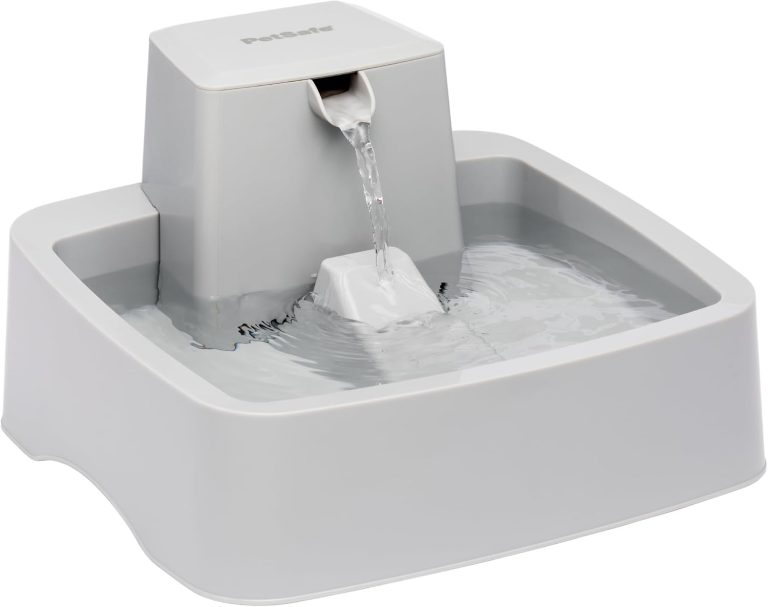
For most cat owners, stainless steel is the better choice than plastic for a cat water fountain. We found that stainless steel wins because it is more durable, easier to clean, and much less likely to harbor bacteria. Plastic fountains are cheaper, but they scratch easily, and those scratches become breeding grounds for germs that can cause chin acne in cats.
Your cat’s health depends on drinking enough water, and a fountain encourages that natural instinct. But the material matters just as much as the moving water. We looked at the pros and cons of both options, including maintenance, safety, and cost, to help you pick the right one for your furry friend.
- Winner: Stainless steel is the overall winner for hygiene and longevity.
- Health: Plastic scratches trap bacteria and can cause feline acne.
- Durability: Stainless steel resists damage, while plastic can crack or warp.
- Cost: Plastic is cheaper upfront, but stainless steel lasts much longer.
- Noise: Both materials are quiet, but pump quality matters more than the bowl material.
Below, we break down the full comparison so you can make the best decision for your cat’s health and your peace of mind.
Why the Fountain Material Matters for Your Cat
You might think a fountain is a fountain. But the material touches your cat’s whiskers and mouth every single day. That contact matters more than you’d guess. We found that the difference between plastic and stainless steel goes far beyond looks.
Think of it this way. Your cat’s water bowl is like your own drinking glass. Would you drink from a scratched plastic cup forever? Probably not. The same logic applies to your cat. The material affects taste, cleanliness, and even your cat’s skin health.
How Material Affects Your Cat’s Health
Plastic is porous. That means it has tiny microscopic openings. Over time, those openings trap bacteria, old food particles, and biofilm. Biofilm is that slimy layer that forms in water dishes. You can’t always see it, but your cat can smell it.
Stainless steel, on the other hand, is non-porous. Water slides right off. Bacteria have nowhere to hide. That’s a big deal when your cat drinks from it multiple times a day.
The Link Between Plastic and Feline Acne
We found that many vets point to plastic bowls as a common cause of chin acne in cats. The scratches in plastic collect bacteria. When your cat rubs her chin on the edge of the fountain, those bacteria transfer to her skin. The result? Red bumps, blackheads, and irritation.
The Mayo Clinic’s guidance on acne in humans emphasizes keeping skin free from irritants and bacteria. The same principle applies to cats. Stainless steel gives bacteria fewer places to hide, which means fewer chances for breakouts.
Comparing Plastic and Stainless Steel Fountains
Let’s get into the nitty-gritty. We compared these two materials across the factors that matter most to cat owners. Here’s what we found.
Both options have their fans. But when you stack them side by side, clear winners emerge in each category.
| Feature | Plastic Fountain | Stainless Steel Fountain |
|---|---|---|
| Initial Cost | Lower upfront price | Higher upfront price |
| Durability | Cracks, warps, and scratches easily | Resists damage and lasts for years |
| Bacteria Resistance | Poor once scratched | Excellent, non-porous surface |
| Cleaning Ease | Harder to clean thoroughly | Easy to wipe and sanitize |
| Weight | Lightweight, moves easily | Heavier, stays in place |
| Longevity | Often replaced in 6-12 months | Can last 5+ years |
Initial Cost vs. Long-Term Value
Plastic fountains are tempting. They usually cost less at the register. You can find a decent one for around $20 to $30. But here’s the catch. They don’t last.
We found that plastic fountains often need replacing within a year. The pump wears out. The plastic gets cloudy. Scratches build up. Before you know it, you’re buying another one.
Stainless steel fountains cost more upfront. Expect to pay $50 to $100 or more. But they hold up. Many owners report using the same stainless steel fountain for five years or longer. When you do the math, stainless steel often saves you money in the long run.
Cleaning Differences You’ll Notice Right Away
Cleaning a plastic fountain is a chore. You have to scrub hard to get into the scratches. Even then, you might miss some spots. Some owners say they can still smell a faint odor after cleaning.
Stainless steel is a different story. A quick wipe with soap and warm water does the job. You can see when it’s clean. It doesn’t hold onto smells. Many experts say that easier cleaning leads to more frequent cleaning. And more frequent cleaning means healthier water for your cat.
Health and Safety Concerns to Consider
Your cat’s safety is non-negotiable. We looked at what the research says about both materials. The findings point in one direction.
Stainless steel is the safer choice for most cats. It’s food-grade, it doesn’t leach chemicals, and it doesn’t harbor bacteria. Plastic has more risks, especially as it ages.
Chemical Leaching from Plastic
Some plastics contain chemicals like BPA or phthalates. While many newer plastics are BPA-free, other additives still exist. When plastic gets scratched or exposed to warm water, those chemicals can leach into the water.
The CDC has published guidance about reducing exposure to plastics in food and water containers. The same advice applies to your cat’s fountain. Stainless steel contains no such chemicals. It’s inert, meaning it doesn’t react with water or food.
Injury Risks and Durability
Plastic fountains can crack. When they crack, they can create sharp edges. A curious cat might get a cut on her paw or tongue. It’s rare, but it happens.
Stainless steel doesn’t crack. It can dent if you drop it, but it won’t shatter. It’s a safer bet for active households. If you have multiple cats or a rambunctious kitten, durability matters even more.
Noise Levels and Pump Performance
Some cat owners worry that stainless steel fountains are louder. We found that the material matters less than you’d think. The pump is what makes the noise, not the bowl.
That said, stainless steel can amplify certain sounds. The metal resonates a bit more than plastic. But a good quality pump runs nearly silent in either material.
What to Look For in a Quiet Fountain
If noise is your concern, focus on the pump, not the bowl. Look for a fountain with a submersible pump. These run quieter than external pumps. Also, check that the water level is always topped off. A low water level makes any fountain louder.
We recommend reading reviews specifically about noise. Other cat owners will tell you the truth. A quiet pump in a stainless steel fountain is a winning combo.
Which Cats Should Avoid Plastic Fountains
Not every cat will have problems with plastic. But some cats are more at risk than others. Knowing your cat’s profile helps you make the right call.
If your cat fits any of these descriptions, we strongly suggest stainless steel.
- Cats with a history of chin acne or skin issues
- Cats with allergies or sensitive skin
- Cats that are picky about water taste or smell
- Senior cats with weaker immune systems
- Cats that push or tip their fountain frequently
- Multi-cat households where bacteria can spread faster
When Plastic Might Be Acceptable
We’re not saying plastic is always terrible. If you’re on a tight budget, a plastic fountain is better than no fountain. Moving water encourages drinking, which is crucial for kidney health.
Just plan to replace it more often. And clean it thoroughly at least twice a week. If you notice scratches, replace the fountain immediately. That’s the moment when plastic becomes a bacteria playground.
How to Transition Your Cat to a New Fountain
Switching materials can confuse your cat at first. Cats are creatures of habit. They might sniff the new fountain and walk away. Don’t panic. There are ways to make the switch smoother.
We found that most cats adapt within a few days. Patience is your best tool here.
Steps for a Smooth Transition
Start by placing the new fountain next to the old one. Let your cat investigate it on her own terms. Keep the old fountain running for a few days so she always has access to water.
Once she starts drinking from the new one, you can remove the old fountain. If she seems hesitant, try wiping the rim of the new fountain with a cloth that smells like her. It sounds odd, but it works. Her scent will make the new fountain feel familiar and safe.
Final Thoughts on Making the Switch
You want what’s best for your cat. We get that. The research is clear that stainless steel offers more benefits than plastic. It’s cleaner, lasts longer, and reduces health risks.
Your cat’s hydration matters. A good fountain encourages drinking, and the right material keeps that water safe. If you can stretch your budget to stainless steel, do it. Your cat will thank you with better health and maybe a few extra purrs.
Remember to clean your fountain regularly, no matter which material you choose. A clean fountain is a healthy fountain. And a healthy cat is a happy cat.
Conclusion
When you weigh everything out, stainless steel is the clear winner for your cat’s water fountain. It resists bacteria, lasts for years, and keeps your cat safer from chin acne and other skin issues. Plastic is cheaper upfront, but you’ll likely replace it within a year, which adds up fast.
Your cat’s health starts with clean, fresh water. A stainless steel fountain gives you both. If your budget allows, make the switch today. Your cat will drink more, stay healthier, and you’ll have one less thing to worry about. Start by measuring your space and picking a model that fits your home and your cat’s personality.
Frequently Asked Questions
Can I put my stainless steel fountain in the dishwasher?
Most stainless steel fountain parts are dishwasher safe, but you should always check the manufacturer’s instructions first. The pump and motor are never dishwasher safe, so those need hand washing. The bowl and top cover usually handle the dishwasher fine, which makes cleaning even easier for you.
Will my cat notice the difference between plastic and stainless steel?
Some cats do notice, but not in the way you might think. Stainless steel doesn’t hold onto odors like plastic does, so the water tastes fresher and cleaner. Your cat might drink more right away because the water smells better to her. Give her a few days to get used to the new material if she seems hesitant at first.
How often should I clean a stainless steel cat fountain?
You should clean your stainless steel fountain at least once a week, but twice is even better. Cats are sensitive to biofilm, that slimy layer that builds up in water. Since stainless steel is non-porous, cleaning is quick. A simple wash with warm soapy water and a soft cloth does the job well.
Are there any cats that should definitely avoid plastic fountains?
Yes, you should avoid plastic if your cat has chin acne, skin allergies, or sensitive skin. Senior cats and kittens with developing immune systems also benefit from stainless steel. If you have multiple cats, plastic is riskier because bacteria can spread more easily between them. When in doubt, stainless steel is the safer option.
Do stainless steel fountains rust over time?
High-quality stainless steel won’t rust, but cheaper grades might show spots. Look for fountains made from 304-grade stainless steel, which is food-grade and rust-resistant. Avoid using abrasive scrubbers or bleach, which can damage the surface. With proper care, your stainless steel fountain will look good for years.