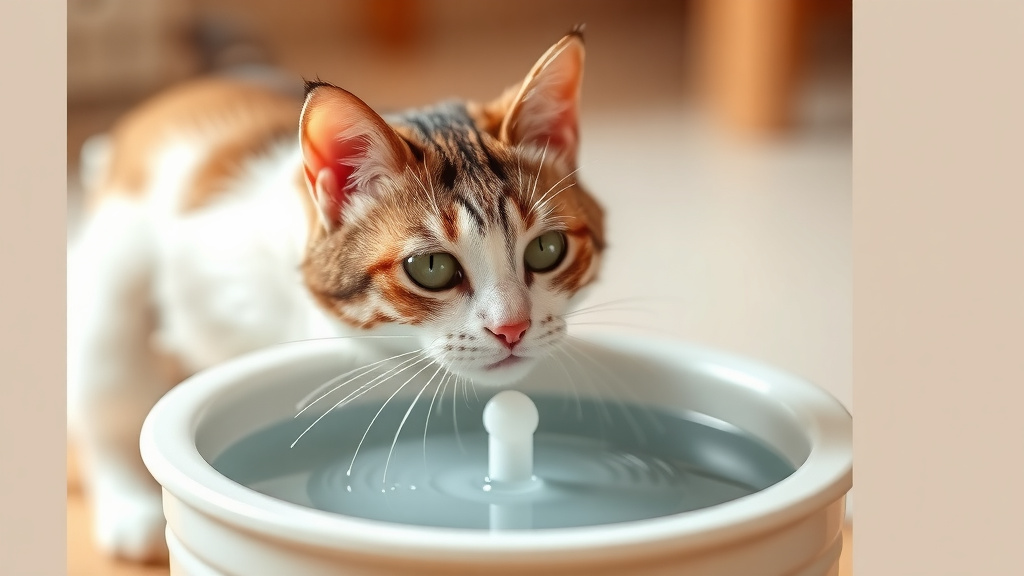
Are Cat Water Fountains Worth It? Key Facts
Yes, cat water fountains are worth it for most cats because they encourage more drinking, which supports kidney and urinary tract health. Cats naturally prefer moving water over still water in a bowl. We found that a fountain can make a real difference, especially for cats who seem disinterested in their water bowl.
Many cats don’t drink enough, which can lead to health problems over time. A fountain’s flowing stream is more appealing and can help your cat stay better hydrated. Plus, you get the peace of mind of knowing your furry friend is getting the fluids they need.
- Better hydration: The moving water is more enticing, so your cat drinks more.
- Health benefits: Increased water intake helps prevent kidney and urinary issues.
- Fresher taste: The water is constantly filtered and circulating, which keeps it cleaner.
- Cost & upkeep: It costs more upfront and needs regular filter and pump cleaning.
- Verdict: They are worth it for most cats, but not all.
Below, we break down all the pros, cons, and costs so you can decide if a cat water fountain is the right choice for your home.
Understanding the Real Value of a Cat Water Fountain
We found that most cats are picky drinkers. It is not a flaw in their personality. It is instinct. In the wild, cats avoid standing water near their food because it could be contaminated with bacteria.
Running water signals freshness. That is why you see your cat staring at the kitchen faucet. They want the moving stream. A fountain simply brings that same appeal to the floor of your living room.
The biggest reason owners switch is simple: health and hydration. Cats hide illness well. By the time you notice a urinary issue, it can already be serious. Many experts say that consistent water intake is the single best way to prevent these problems (Cornell Feline Health Center).
Why Your Cat Prefers Moving Water
Cats do not see well up close. Still water in a bowl is hard for them to judge. They can’t tell how deep it is or if the surface is safe.
Moving water creates ripples. It reflects light. It makes noise. This helps your cat use their other senses to understand what they are drinking.
There is also a survival instinct at play. In nature, moving water is less likely to harbor bacteria. Your cat does not know this consciously. They just feel safer drinking from a stream.
Key Benefits That Justify the Purchase
We found that the benefits go beyond just getting your cat to drink more. A fountain changes the quality of the water your cat consumes.
Let’s break down the specific ways a fountain helps your furry friend.
Filtered Water Means Fewer Germs
Still water collects dust, fur, and food particles quickly. A fountain runs water through a filter continuously. This removes hair and debris.
Most filters also contain activated carbon. This pulls out odors and bad tastes. The result is cleaner, fresher water that stays appealing for days.
You will find that you change the water less often. The filter does the heavy lifting to keep things fresh.
More Drinking Supports Kidney Health
Kidney disease is common in older cats. We found that dehydration is a major contributor to this issue.
When your cat drinks more, their kidneys get flushed regularly. This helps dilute urine and prevents crystal formation. Crystals can lead to painful blockages.
Many experts say that maintaining hydration is key to long-term feline health (National Institutes of Health). A fountain makes this easy because your cat actually wants to drink.
The Urinary Tract Connection
Urinary tract infections are frustrating for you and painful for your cat. Increased water intake means more urine production. This flushes bacteria out before it can multiply.
If your cat has had a urinary issue before, you know the vet bills add up. A fountain is a low-cost way to reduce the risk of repeat visits.
Honest Drawbacks You Need to Consider
We are not going to pretend fountains are perfect. They have downsides. You need to know these before you buy.
Some cats simply will not use them. Others are scared of the noise or the feeling of the water on their whiskers.
The Upfront Cost and Ongoing Maintenance
A decent fountain costs between thirty and sixty dollars. That is more than a simple bowl.
You also need replacement filters. These cost about ten to fifteen dollars per month. You must clean the pump regularly or it will stop working.
Many experts say that cleaning is the number one reason fountains fail. Owners forget to maintain them, and then the fountain becomes a bacteria breeding ground.
What Happens If You Skip Cleaning?
If you ignore the pump and filter, slime builds up inside. That slime smells bad. It also makes your cat sick if they drink from it.
A dirty fountain is worse than a clean bowl. You must be willing to commit to a weekly cleaning routine.
Here is the reality: You are trading daily bowl refills for a weekly deep clean. For many owners, that is a fair trade.
Comparing Fountains to Traditional Bowls
Let’s look at the practical differences side by side. This table breaks down the key factors you care about.
| Factor | Water Fountain | Traditional Bowl |
|---|---|---|
| Water Freshness | Constantly filtered and circulating | Stagnant, collects dust and fur |
| Cat Appeal | High for most cats | Low for picky drinkers |
| Initial Cost | $30 – $60 | $5 – $15 |
| Monthly Cost | $10 – $15 for filters | $0 |
| Maintenance Time | Weekly cleaning of pump | Daily refill and wash |
| Noise Level | Low hum, some models are silent | Silent |
We found that the table shows a clear pattern. You pay more money and time upfront. In return, you get better water quality and a happier cat.
If your cat already drinks plenty from a bowl, you may not need a fountain. But if you struggle to get them to hydrate, the investment pays off.
How to Choose the Right Fountain for Your Cat
Not all fountains are created equal. We found that certain features matter more than others when it comes to cat approval.
You need to think about your cat’s personality. A nervous cat needs a quiet model. A playful cat needs a durable one.
Key Features That Actually Matter
- Noise level: Look for pumps rated under 40 decibels. A loud pump will scare your cat away.
- Filter type: Foam filters catch hair. Carbon filters remove odors. Get both if possible.
- Water capacity: Bigger is better if you travel or work long hours. You want at least 60 ounces.
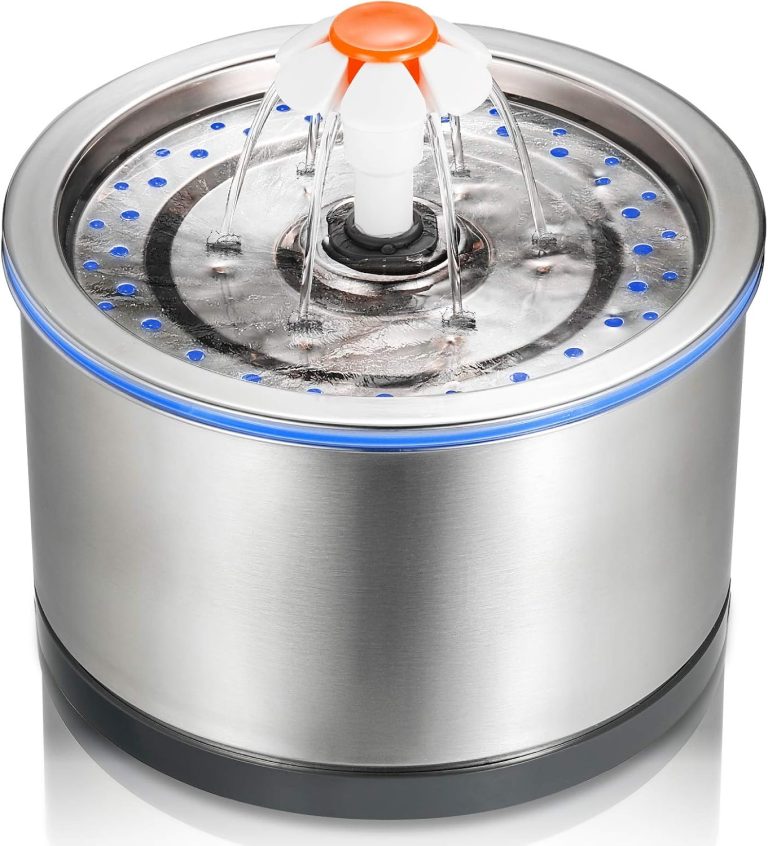
- Material: Stainless steel resists bacteria better than plastic. Plastic can cause acne on your cat’s chin.
- Ease of cleaning: Dishwasher-safe parts are a lifesaver. You will clean this weekly.
Stainless Steel vs. Plastic
Many experts say that stainless steel is the safer choice. It does not scratch easily. Scratches harbor bacteria.
Plastic is cheaper, but it can break down over time. Some cats are allergic to the plastic compounds. If your cat has chin acne, switch to steel.
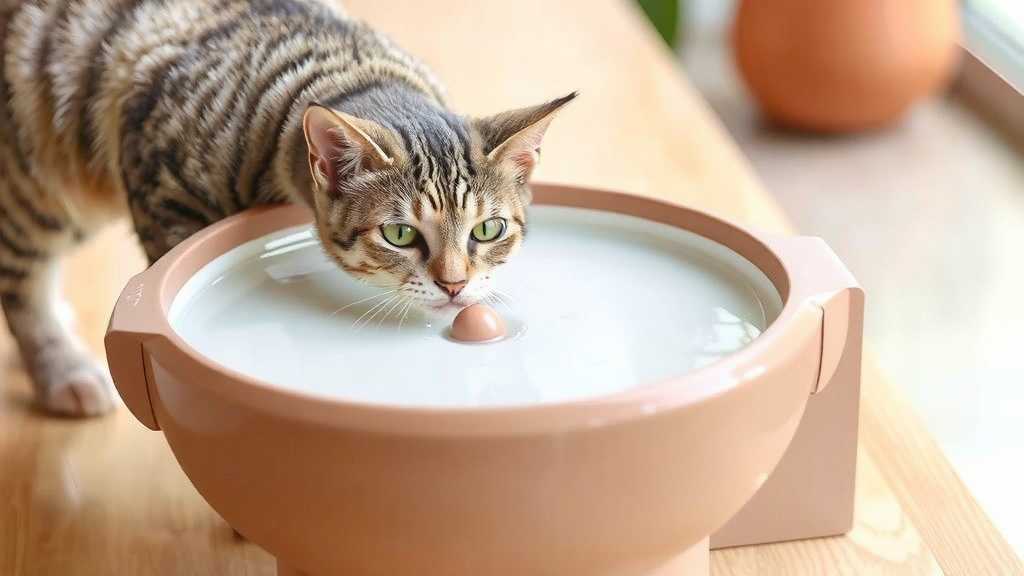
Signs Your Cat Will Actually Use a Fountain
Before you spend money, look for signs that your cat is a good candidate. We found that some cats take to fountains instantly. Others ignore them completely.
You can predict success by watching your cat’s current behavior.
- They drink from the faucet when you are in the bathroom.
- They tip over their water bowl regularly.
- They paw at the surface of the water before drinking.
- They ignore the bowl but drink from a dripping sink.
- They seem dehydrated but refuse to approach the bowl.
If you checked three or more of these boxes, a fountain is likely a hit. If your cat drinks normally and never touches the faucet, you might waste your money.
You can always test the waters. Buy a budget model first. If your cat uses it, upgrade to a nicer one later.
Making the Switch Without Stressing Your Cat
You cannot just replace the bowl and expect instant acceptance. Some cats are cautious about new objects. We found that a slow transition works best.
Keep the old bowl out for a few days. Place the fountain nearby. Let your cat investigate it on their own terms.
Practical Steps for a Smooth Transition
Start with the fountain off. Let your cat sniff it and get used to the smell. Then turn it on for a few hours while you are home.
Place the fountain away from their food bowl. Cats do not like drinking where they eat. This is a biological instinct to avoid contamination.
Do not force your cat near the fountain. Let them approach it when they are ready. Praise them when they show interest.
When a Fountain Is Not Worth It
We want to be honest with you. There are situations where a fountain is a bad idea.
If you have a kitten, wait until they are bigger. Some fountains are deep and can be dangerous for tiny cats.
If you travel a lot, a fountain might not be practical. The pump needs electricity. You cannot just leave it running while you are away for a week.
Cats That Might Reject a Fountain
Some older cats are set in their ways. They have used a bowl for ten years and will not change. Do not force it.
We found that cats with very long whiskers sometimes avoid fountains. The narrow drinking surface bothers them. They prefer a wide, open bowl.
In these cases, stick with a bowl. Just refresh the water twice a day to keep it clean.
Final Thoughts on the Investment
We found that cat water fountains are worth it for most households. The health benefits are real. The hydration boost is measurable.
You just need to be honest about your willingness to maintain it. A clean fountain is a game-changer. A dirty one is a health hazard.
If you are ready to commit to weekly cleaning, go for it. Your cat will thank you with better health and a happier demeanor.
Conclusion
So, are cat water fountains worth it? For most cats, the answer is a clear yes. You get better hydration, fresher water, and a lower risk of urinary and kidney problems down the road. That is a big win for your cat’s long-term health.
The catch is simple: you have to keep it clean. A weekly scrub and regular filter changes are non-negotiable. If you can commit to that routine, a fountain is one of the best investments you can make for your furry friend.
Your next step is easy. Watch your cat’s drinking habits for a day or two. If they show any of the signs we covered, order a stainless steel fountain with a quiet pump. Start with a budget model if you are unsure. Your cat will let you know if it was the right call.
Frequently Asked Questions
How often should I clean my cat’s water fountain?
You should do a full clean once a week. Take apart the pump, rinse the basin, and replace the water. The filter needs swapping every two to four weeks depending on the brand. Skipping this routine can turn the fountain into a breeding ground for slime and bacteria.
Can a water fountain help with my cat’s bad breath?
Indirectly, yes. Bad breath in cats is often linked to dehydration and poor oral health. Increased water intake helps wash away food particles and bacteria in the mouth. That said, a fountain is not a replacement for regular teeth brushing or vet checkups.
Do cat water fountains use a lot of electricity?
No, they are very energy efficient. Most pumps run on just a few watts of power, similar to a phone charger. You are looking at a few dollars a year in electricity costs. The pump runs continuously, but the draw is so small it won’t show up on your bill.
What is the best type of fountain for a cat with chin acne?
You want a stainless steel fountain, not a plastic one. Plastic harbors bacteria in tiny scratches and can irritate your cat’s skin further. Stainless steel is non-porous and much easier to keep sterile. This switch alone often clears up mild chin acne within a few weeks.
Should I get a fountain with a visible water level indicator?
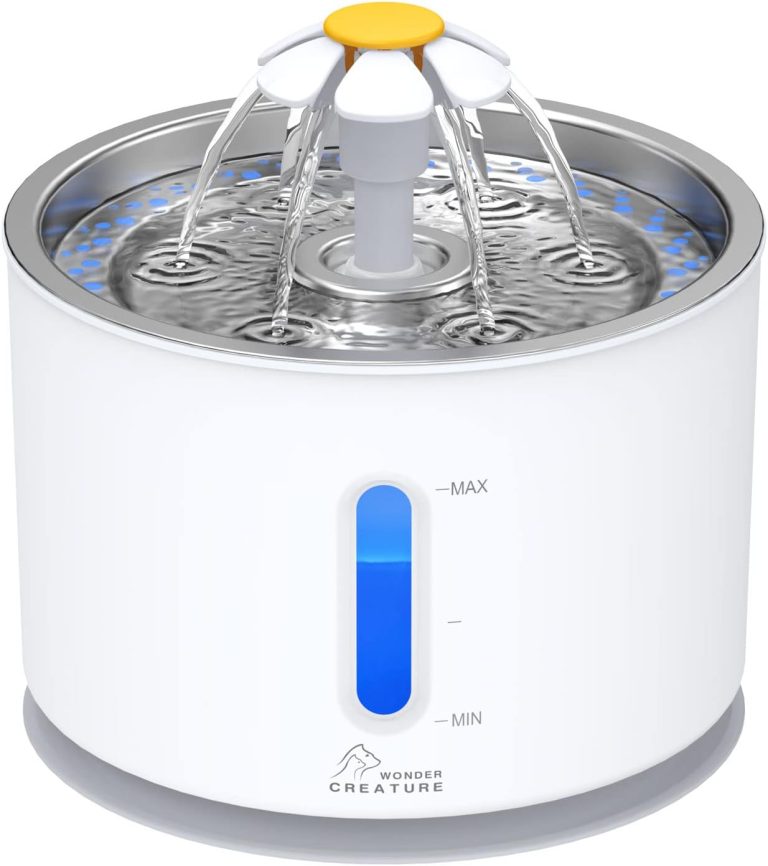
Yes, this is a smart feature. A clear window or a floating indicator lets you see when the water is running low without opening the unit. You never want the pump to run dry, as that can burn out the motor. It makes daily checks faster and helps extend the life of your fountain.