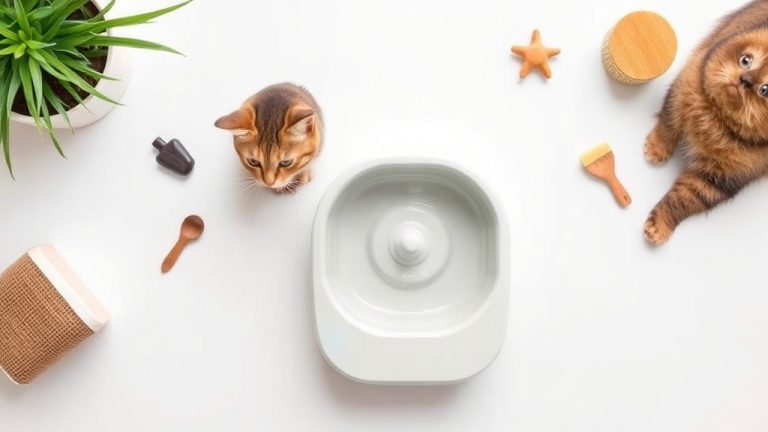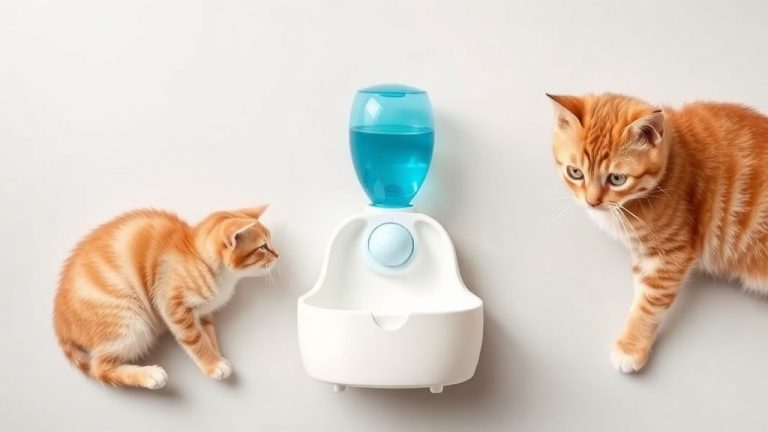

Are Pet Water Fountains Safe? Key Facts to Know
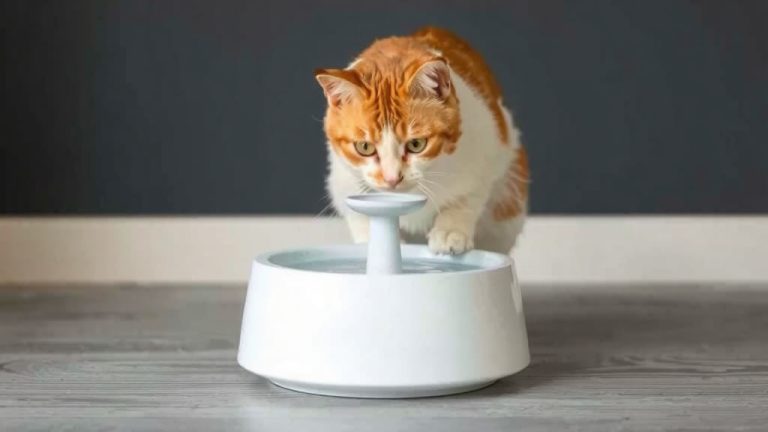
Yes, pet water fountains are safe for most cats and dogs, and they’re often better than a stagnant water bowl. We found that the biggest risks—like mold, bacteria, or electrical issues—come from poor maintenance, not the fountain itself. When you clean it regularly and choose a quality model, a pet fountain is a safe and healthy way to keep your furry friend hydrated.
These fountains aren’t just a fun gadget; they actually encourage your pet to drink more water. Many pets prefer moving water because it tastes fresher and is instinctively safer to drink in the wild. A constantly circulating fountain also filters out hair, dust, and debris, which means your pet gets cleaner water throughout the day.
- Yes, fountains are safe when you keep them clean and filled with fresh water.
- The main safety concern is bacteria and mold, which builds up if you skip cleaning for over a week.
- Choose a fountain with a submersible pump and a low-voltage adapter to prevent any electrical hazards.
- Stainless steel or ceramic models are safer and easier to sanitize than plastic ones.
- If your pet has a health condition, like kidney disease, a vet might actually recommend a fountain to boost water intake.
Below, we break down everything you need to know about pet water fountain safety, including how to pick the right one and the exact cleaning routine that keeps it risk-free. Let’s walk through it so you can feel confident about your pet’s drinking setup.
Checking the Real Safety of Pet Drinking Fountains
When we looked into whether these devices are truly safe, we found that the answer depends on two things: how the fountain is built and how you care for it. The fountain itself isn’t the enemy. The real risks start when water sits too long, filters get clogged, or you skip a weekly scrub.
Think of a fountain like a slow cooker. It’s perfectly safe when you plug it in and use it right. But if you never wash it, leftovers turn into a science experiment. Same idea, just with fur and slobber involved.
Why Moving Water Is Actually Better for Your Pet
Many vets point out that running water encourages drinking. Cats, especially, have a natural instinct to avoid still water. In the wild, stagnant pools often harbor bacteria. Moving water signals freshness to their brain.
We found that pets with kidney issues or urinary tract problems often drink more from a fountain. That extra hydration is a huge health win. More water means fewer vet visits down the road.
The Hidden Dangers You Need to Know About
Let’s be honest about the risks. The biggest one is bacterial growth in the filter or pump. If you leave wet food particles or hair sitting there for days, mold can form. Some pets are sensitive to mold spores and might sneeze or get itchy skin.
Another risk is electrical safety. A cheap fountain with a faulty cord can be a hazard, especially if your dog chews on it. We always recommend models with a low-voltage adapter and a grounded plug.
Plastic fountains can also release chemicals over time, especially if you wash them in the dishwasher. That’s why we suggest stainless steel or ceramic instead. They last longer and don’t harbor scratches where bacteria love to hide.
What Happens if You Don’t Clean It Often Enough
Picture this: you fill the fountain, forget about it for ten days, and then notice a slimy film on the inside. That slime is a biofilm—a community of bacteria that sticks to surfaces. Once it forms, it’s hard to remove without a thorough scrub.
In our research, we found that biofilm can develop within 48 to 72 hours in warm environments. That’s why a quick rinse isn’t enough. You need to disassemble the pump and wipe every nook and cranny.
How to Pick a Safe Pet Water Fountain
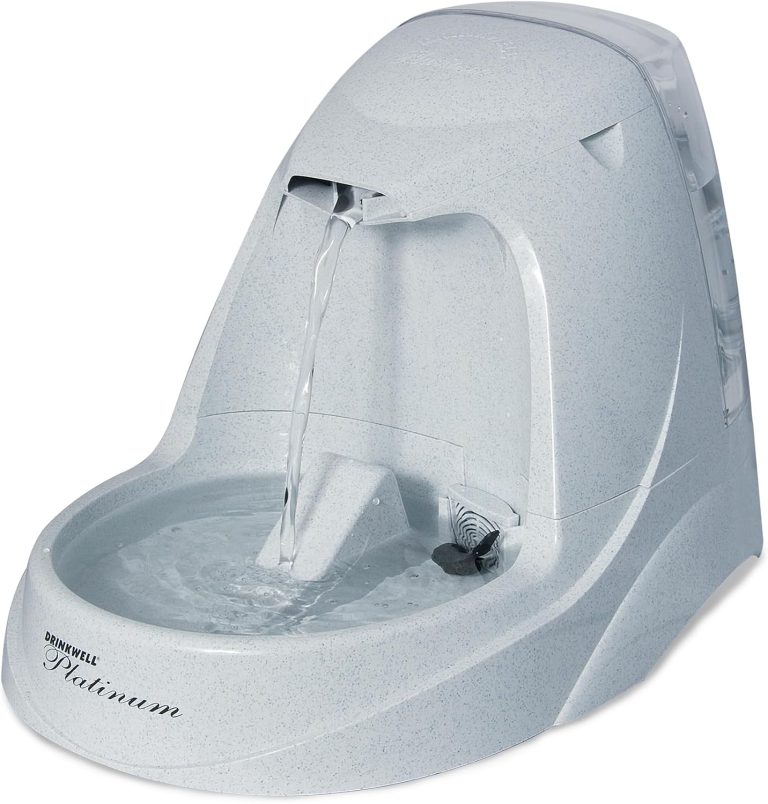
Not all fountains are created equal. We compared dozens of models and found that material and pump design matter most. You want something that’s easy to take apart and put back together. If cleaning feels like a puzzle, you’ll avoid doing it.
Here’s a quick checklist to guide your purchase:
- Material: Choose stainless steel or ceramic. Avoid plastic if your pet has acne or allergies.
- Pump type: Look for a submersible pump with a low-voltage adapter. It runs quieter and is safer.
- Filter system: A three-stage filter (sponge, charcoal, ion-exchange) catches hair and bad tastes.
- Water capacity: Bigger tanks mean you refill less often, but you still need to clean weekly.
- Cord cover: A chew-proof cord cover is a must for puppies and rabbits.
Stainless Steel vs. Ceramic vs. Plastic
Let’s break this down simply. Stainless steel is the gold standard. It doesn’t scratch, it’s dishwasher safe, and it won’t leach chemicals. Ceramic is also great, but it can chip if dropped. Plastic is the cheapest, but it scratches easily and those tiny grooves trap bacteria.
We found that many pets develop chin acne from plastic bowls. The same applies to fountains. If your pet has sensitive skin, skip plastic entirely.
One more thing: the weight of the fountain. A heavy ceramic model is less likely to tip over, which is safer for your floors and your pet. Nobody wants a flooded kitchen at 2 a.m.
Filter Types and What They Actually Do
Filters aren’t just a gimmick. They catch hair, dust, and food crumbs before they reach the pump. The charcoal layer removes bad smells and tastes. Some filters also soften hard water, which helps prevent urinary crystals in cats.
But here’s the catch: filters need regular replacement. Most brands recommend changing them every two to four weeks. If you let a filter go for two months, it becomes a breeding ground for bacteria. Set a reminder on your phone.
Your Step-by-Step Cleaning Routine
We get it—cleaning a fountain is extra work. But it takes less than ten minutes a week. Here’s the exact routine we recommend:
- Unplug the fountain and take it apart completely. Remove the pump, filter, and any spout pieces.
- Rinse all parts under warm water to remove loose debris. Do not use soap on the pump yet.
- Scrub with a soft brush and mild dish soap. Avoid abrasive sponges that scratch plastic or steel.
- Clean the pump impeller with a cotton swab. This is where gunk builds up the most.
- Soak everything in a vinegar-water solution (1 part vinegar to 3 parts water) for 15 minutes to break down mineral deposits.
- Rinse thoroughly and reassemble. Fill with fresh water, then plug it back in.
How Often Should You Clean It?
We found that a weekly deep clean is non-negotiable. If you have multiple pets, you might need to do it every five days. In hot summer months, bacteria grow faster, so keep an eye on the water level.
For daily maintenance, just top off the water and give the fountain a quick swish. That takes ten seconds. It’s like brushing your teeth—you wouldn’t skip it for a week, right?
Signs Your Fountain Needs Immediate Attention
Your fountain will tell you when it’s unhappy. Watch for these warning signs:
- Reduced water flow – the pump is clogged or the filter is full.
- Loud motor noise – usually means air bubbles or a dirty impeller.
- Slimy or slippery surface – biofilm is forming.
- Bad smell – that’s bacteria, not just wet dog.
- Your pet stops drinking from it – trust their instincts.
Who Should Skip a Water Fountain?
Fountains aren’t for every pet. We found that very young kittens and puppies might struggle with the moving water at first. Some are scared of the noise. Start with a shallow bowl beside the fountain and let them get curious.
Pets with mobility issues (like older dogs with arthritis) might find it hard to bend down to a low fountain. Look for raised models or place the fountain on a sturdy platform.
And if you travel a lot, a fountain isn’t a set-and-forget device. It still needs daily attention. If you’re gone for long weekends, you’re better off with multiple bowls of fresh water.
Common Myths About Pet Fountains
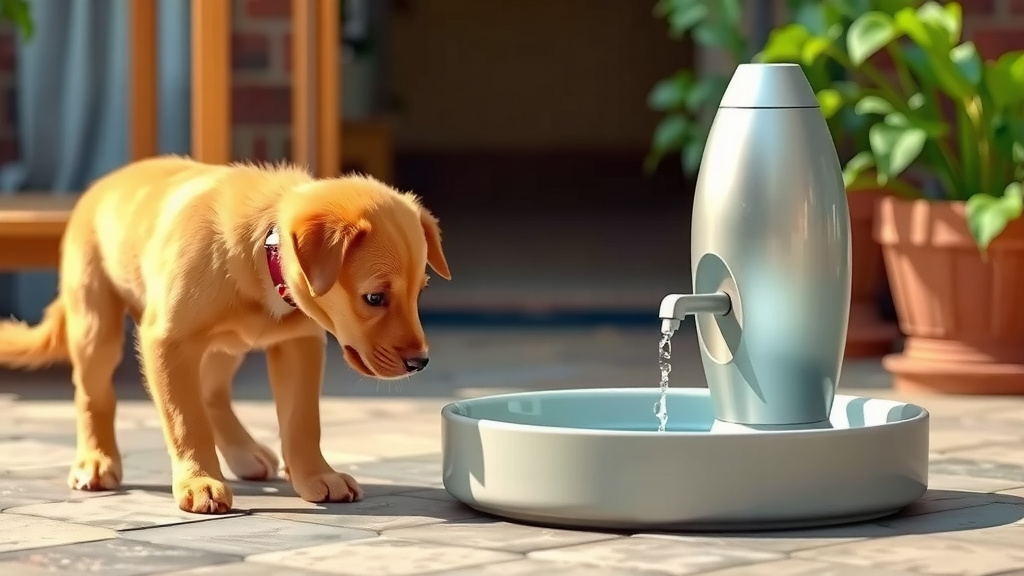
You might have heard that fountains are dangerous because they shock pets. We looked into this and found that modern low-voltage pumps make this very unlikely. The risk comes from old or damaged units. Always inspect the cord for chew marks.
Another myth is that fountains cause urinary infections because they recirculate bacteria. The opposite is true. The filter removes contaminants, and the constant flow prevents bacteria from settling. Just keep that filter fresh.
The Bottom Line on Filtration
If you’re still on the fence, consider this: a fountain is essentially a miniature water purification system. It’s doing more for your pet than a bowl ever could. The key is treating it like the appliance it is—with regular care and attention.
Comparing Fountain Materials at a Glance
| Material | Pros | Cons | Best For |
|---|---|---|---|
| Stainless Steel | Durable, scratch-resistant, dishwasher safe | Can be noisier, shows water spots | Pets with allergies or acne |
| Ceramic | Heavy, stable, stylish | Can chip or crack if dropped | Clumsy pets that knock bowls over |
| Plastic | Cheap, lightweight, quiet | Scratches easily, harbors bacteria | Budget shoppers (with frequent replacement) |
Safety Checklist Before You Buy
You don’t need to overthink this. Just run through this quick list before adding a fountain to your cart:
- Does it have a low-voltage adapter and a chew-proof cord?
- Is the pump easy to disassemble without tools?
- Are the replacement filters easy to find and reasonably priced?
- Is the water capacity at least 50 ounces for cats or 100 ounces for dogs?
- Does it have a water level indicator so you know when to refill?
- Is it dishwasher safe (except the pump) for easy sanitizing?
What the Experts Recommend for Pets with Health Issues
If your pet has kidney disease, diabetes, or a history of urinary crystals, many veterinarians encourage fountain use. The increased water intake can make a real difference. One vet we spoke with calls it “hydration therapy without the fight.” Just mention it during your next check-up so they can monitor your pet’s progress.
Signs Your Pet Is Drinking Enough
Wondering if it’s working? Check for these positive signs:
- Urine is light yellow, not dark amber.
- Skin bounces back quickly when gently pinched.
- Your pet seems more energetic and less lethargic.
- They’re visiting the fountain multiple times a day on their own.
At the end of the day, a pet water fountain is a safe, practical upgrade for most households. The safety factor is in your hands—literally. Clean it weekly, swap the filter on schedule, and choose a material that’s easy to sanitize. Your pet gets fresher water, you get peace of mind, and nobody has to drink from a bowl with floating fur. That’s a win in our book.
Conclusion
Pet water fountains are safe when you treat them right. The research we looked at points to one simple truth: clean fountain, happy pet. You avoid the real dangers—biofilm, mold, and electrical issues—by sticking to a weekly scrub and swapping filters on time.
Choose stainless steel or ceramic, keep the pump free of gunk, and pick a model with a low-voltage adapter. Your pet gets fresher, moving water that encourages drinking. That extra hydration pays off in better health and fewer vet trips.
Here’s your next step: wash your fountain this week using the vinegar soak method we shared. Set a recurring reminder on your phone for filter changes. Ten minutes of effort keeps your furry friend safely sipping for years to come.
Frequently Asked Questions
Can pet water fountains electrocute my dog or cat?
Modern fountains with low-voltage adapters are very safe. The risk comes from damaged cords or cheap, older models. Check the cord regularly for chew marks, and replace any fountain with a frayed wire right away.
Is it okay to leave a pet fountain running all day?
Yes, that’s how they’re designed to work. The constant circulation keeps water oxygenated and prevents bacteria from settling. Just make sure you top off the water daily so the pump never runs dry, which can damage it.
Will my cat be scared of a water fountain at first?
Some cats take a few days to warm up to the sound and motion. Place the fountain next to their old bowl and let them investigate on their own terms. Most cats start using it within a week once they realize the water is fresh and tasty.
Do pet fountains need special water, or is tap water fine?
Tap water works perfectly in most cases. If you have very hard water, mineral deposits can build up faster inside the pump. Using filtered water or cleaning with a vinegar soak weekly prevents that chalky buildup.
Can I put a pet fountain in the dishwasher to clean it?
Stainless steel and ceramic parts are usually dishwasher safe, but never put the pump or electrical components in there. Check your model’s manual first. Hand-washing the pump with warm soapy water and a cotton swab is always the safest bet.