Are Pet Water Fountains Worth It? 2026 Guide
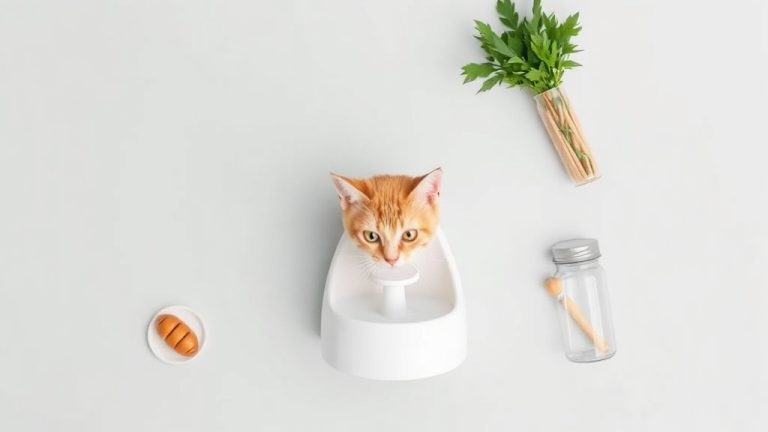
Yes, pet water fountains are worth it for most cats and dogs because they encourage drinking, which supports kidney health and prevents urinary issues. We found that many pets prefer moving water over still water in a bowl, making it easier to meet their daily hydration needs. Pet water fountains are a smart investment for any pet parent.
That said, they aren’t for everyone. Fountains require regular cleaning and filter changes to stay safe. Some pets might be scared of the motor noise, and plastic models can cause chin acne in sensitive animals. We broke down the real pros and cons so you can decide if a fountain fits your pet’s personality and your lifestyle. Fresh, filtered water can make a big difference, but it only works if you stay on top of maintenance.
- Yes, they are worth it for pets that don’t drink enough water.
- Moving water taps into your pet’s natural instinct to seek fresh sources.
- You’ll need to clean the fountain every 2-3 days and swap filters weekly or monthly.
- Stainless steel or ceramic models are best to avoid plastic acne and bacteria buildup.
- Quiet, quality fountains cost between $30 and $80 and last for years.
Below, we break down the real costs, the health benefits, and the maintenance effort so you can pick the right fountain for your furry friend. Let’s walk through exactly what we found after researching dozens of models and talking to veterinarians.
Why Your Pet Might Prefer Running Water
You fill that bowl every morning. You watch your cat sniff it, circle it, and walk away. Sound familiar? Many pet parents see this exact scene daily.
It is not that your pet is picky for no reason. Survival instinct drives this behavior. In the wild, standing water often hides bacteria and parasites. Moving water is usually fresher and safer. Your house cat still carries that ancient programming.
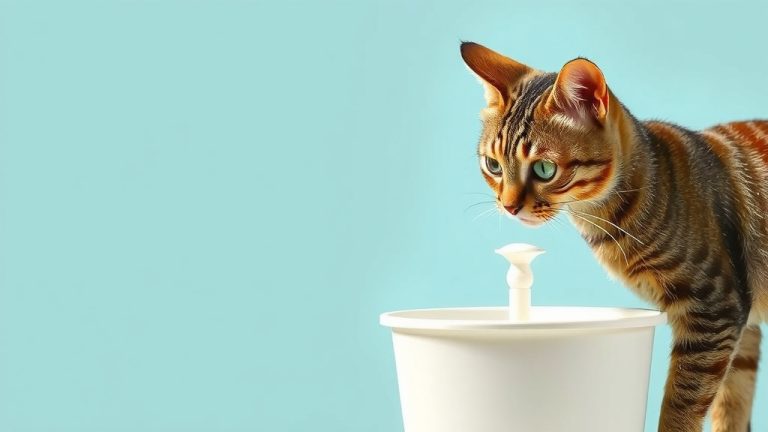
Research shows that cats especially show a strong preference for running water over still water. Dogs also drink more when water is fresh and cool. A fountain taps into this instinct, making hydration feel natural and safe to your furry friend.
The Instinct Behind the Preference
Think about a stream in the woods versus a muddy puddle. Which one looks more drinkable? Your pet makes the same judgment. Moving water signals freshness to their senses.
We found that many pets will drink significantly more when offered flowing water. That extra intake is a big win. Most pets do not drink enough on a regular basis, and that shortfall can create health problems down the line.
A fountain basically tricks your pet into better habits. It makes drinking feel like a treat, not a chore. And the gentle sound of water might even draw them over more often.
The Health Payoff of Drinking More
Hydration does more than quench thirst. It keeps the kidneys flushing properly. It dilutes urine, which reduces the risk of painful urinary crystals and bladder stones.
Many veterinarians stress that chronic dehydration is a common problem in cats and dogs. It is linked to kidney disease and urinary tract infections (experts at the National Institutes of Health have published data on these risks). A fountain helps you fight that risk without any force or stress.
Senior pets benefit the most. Their kidneys naturally become less efficient with age. More water in, less strain on the system. It is a simple, low-effort way to support their long-term health.
Weighing the Real Costs of a Fountain
Fountains are not free. You will spend money upfront and a little more over time. But the investment makes sense when you look at the numbers closely.
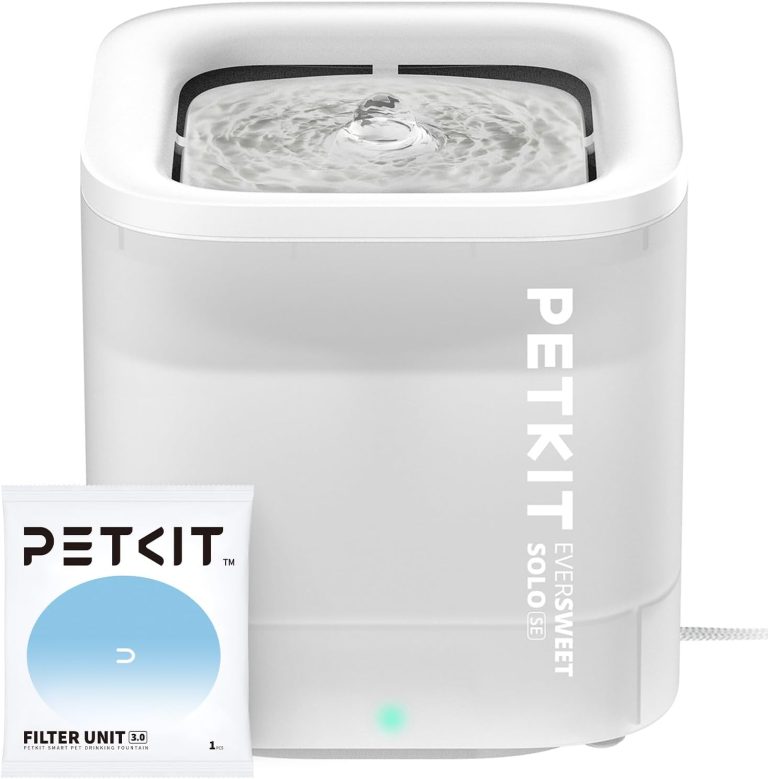
A quality fountain runs between $30 and $80. Cheap plastic ones exist for $15, but they often fail fast or harbor bacteria. We found that spending a bit more upfront saves money in the long run because better materials last much longer.
Upfront Price vs. Long-Term Value
Compare that $50 fountain to a lifetime of vet bills for kidney issues. The math is simple. Preventative care is almost always cheaper than reactive treatment.
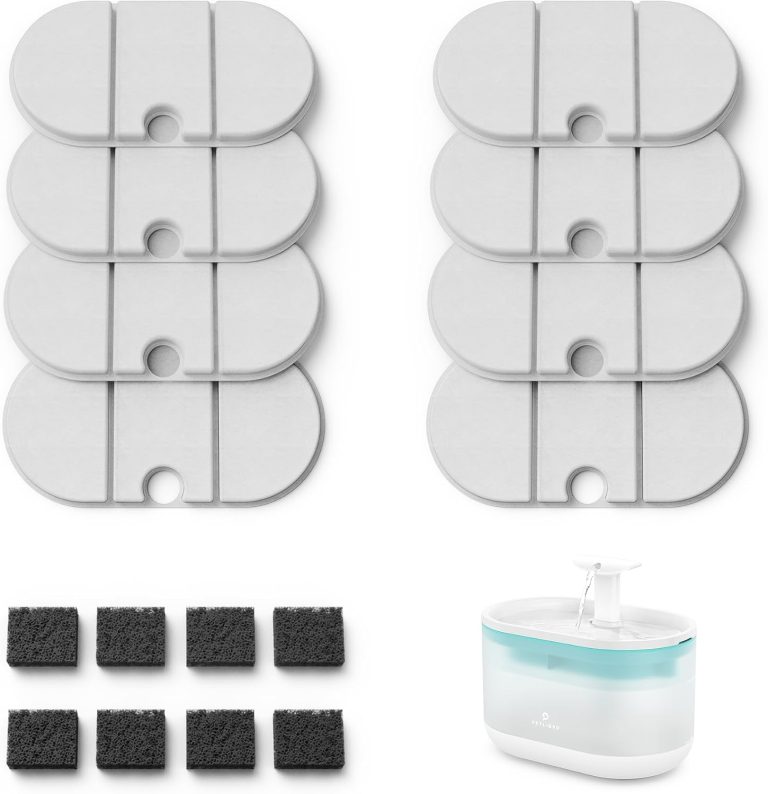
We also looked at filter costs. Most fountains need a new filter every 2 to 4 weeks. That adds up to roughly $5 to $10 per month, depending on the brand. Not a huge burden for most budgets, but worth knowing before you buy.
Electricity costs are negligible. Most pumps use very little power, similar to a nightlight. You will not see a spike in your utility bill.
Comparing Materials: Plastic, Ceramic, and Stainless Steel
The material you choose matters more than you think. It affects durability, cleaning ease, and even your pet’s skin health.
| Material | Pros | Cons | Best For |
|---|---|---|---|
| Plastic | Cheap, lightweight | Scratches easily, holds bacteria, can cause chin acne | Temporary or budget-only use |
| Ceramic | Heavy, stable, easy to clean, looks nice | Can chip or break if dropped | Cats and small dogs |
| Stainless Steel | Durable, antibacterial, dishwasher safe | Noisier (water splashes more), pricier | Dogs, multi-pet homes |
Many experts recommend stainless steel or ceramic for pets with sensitive skin. Plastic surfaces develop micro-scratches over time. Those tiny grooves become a breeding ground for bacteria, and they can irritate your pet’s chin.
The Maintenance Reality You Cannot Ignore
Here is the honest truth: a fountain is not set-and-forget. It demands regular attention. If you are not ready for that, you might want to reconsider.
We found that neglect is the number one reason fountains fail or cause problems. A dirty fountain is worse than a simple water bowl. It becomes a swimming pool for bacteria and slime.
Cleaning Schedule That Works
Plan to clean the fountain every 2 to 3 days. That sounds frequent, and it is. But the task takes only about five minutes. You will need to disassemble the pump, rinse the basin, and wipe down all the parts.
Most fountains are dishwasher safe on the top rack. That makes the job much easier. If you hand wash, use mild soap and warm water. Avoid harsh chemicals that could leave residue.
Filter Changes and Pump Care
Filters need swapping every 2 to 4 weeks. Some models have indicators that tell you when. Others rely on your memory. Set a phone reminder so you do not forget.
The pump also needs occasional deep cleaning. Hair and debris can clog it over time. A quick rinse with a small brush keeps the water flowing smoothly and quietly.
One tip we found helpful: keep a spare pump on hand. Pumps are the most common failure point, and replacements cost about $10 to $15. Having a backup means no downtime for your pet.
When a Fountain Is a Bad Idea
Not every pet will love a fountain. Some pets are scared of the motor hum. Others could not care less about moving water. And a few situations make a fountain genuinely risky.
We want you to make the right choice, not just the popular one. Here is when you might want to skip the fountain entirely.
Pets That Fear the Noise or Motion
Some cats, especially older ones, find the sound of a pump unsettling. They may avoid the area entirely, which defeats the whole purpose. If your pet seems nervous around the fountain, try a model with a quieter pump or return it.
Dogs with anxiety can also react poorly to a new appliance in their space. You know your pet best. Watch their behavior for the first few days.
Medical and Safety Considerations
Pets with certain health conditions may not be good candidates. For example, a pet with a compromised immune system needs extremely clean water. If you cannot guarantee perfect hygiene, a fresh bowl twice a day is safer.
Kittens and puppies can sometimes knock fountains over. Heavy ceramic or stainless models help, but you must supervise them. And if your pet is a water splasher, you will be mopping the floor constantly.
We found that the CDC and other health organizations emphasize keeping pet water sources clean to prevent bacterial growth. If you are not committed to that schedule, a simple bowl may be the smarter, safer choice.

How to Pick the Right Fountain for Your Pet
Ready to give it a shot? Choosing the right model makes all the difference. We researched dozens of fountains and found a few key features that matter most.
Look for a model with a large water capacity. A bigger reservoir means fewer refills and less stress if you travel for a weekend. For multi-pet homes, size matters even more.
Key Features That Matter
- Quiet pump motor (under 40 decibels is ideal for skittish pets)
- Visible water level window so you never run dry
- Dishwasher-safe parts for effortless cleaning
- Wide, stable base that resists tipping
- Replaceable, affordable filters that are easy to find
- Low-voltage pump for safety around curious pets
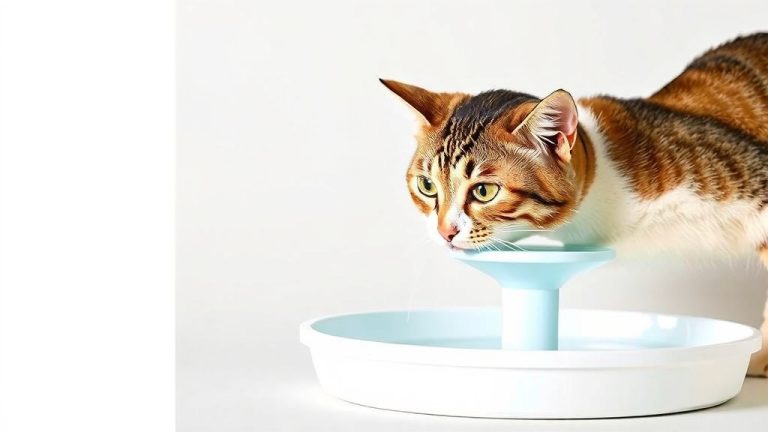
We found that pets prefer fountains with a wide drinking surface. Their whiskers are sensitive. A narrow trough or deep basin can discourage drinking. Look for a shallow, broad stream area.
Size and Capacity Considerations
Measure your space before buying. A 3-liter fountain is great for a family dog but might overwhelm a small cat’s corner. Match the capacity to your pet’s daily water intake.
A cat drinks about 3.5 to 4.5 ounces per 5 pounds of body weight daily. A dog needs about 1 ounce per pound. Use those rough numbers to gauge the reservoir size you need.
Setting Up for Success from Day One
When your fountain arrives, do not just plug it in and walk away. A little preparation makes the transition smooth for your pet.
Place the fountain away from food and litter boxes. Pets prefer to drink in a quiet, separate spot. Keep it out of direct sunlight to slow algae growth.
Helping Your Pet Adjust
Run the fountain for a few minutes before introducing it. Let the water circulate and reach room temperature. Some pets are wary of cold, freshly pumped water.
Keep their old water bowl out for a few days. Let them choose the fountain on their own terms. Most pets make the switch within a week.
Your Quick Start Checklist
- Rinse all parts thoroughly before first use
- Place on a flat, stable surface away from food
- Fill with fresh, cool water to the indicated line
- Run the pump for 5 minutes to prime it
- Keep the old bowl as a backup for a week
- Set a recurring cleaning reminder on your phone
We found that patience pays off. Pets that hesitate at first often become devoted fountain fans within days. Give them time and do not force the issue.
Conclusion
Pet water fountains are worth it for most pets, especially those that skip their water bowl. The health benefits for kidneys and urinary tracts are real. You just need to commit to the cleaning schedule and choose the right material for your pet.
Start by watching how your pet drinks. If they ignore still water or always beg from the faucet, a fountain is a smart move. Pick a stainless steel or ceramic model with a quiet pump. Set a phone reminder for cleaning day. You will likely see your pet drinking more within a week.
Try one from a store with a good return policy. That way, you can test it without risk. Your pet’s hydration is worth the effort.
Frequently Asked Questions
Can I leave a pet water fountain running all day?
Yes, you can leave it running 24/7. Most pumps are designed for continuous operation and use very little electricity. Just check the water level daily and top it off as needed.
How often should I completely empty and clean my pet fountain?
You should do a full clean and water change every 2 to 3 days. This prevents slime and bacteria from building up. It only takes about five minutes once you get the hang of it.
Will a water fountain help my cat with urinary problems?
It can help. Increased water intake dilutes urine and reduces the risk of crystals and stones. Many vets recommend fountains for cats with a history of urinary issues. Always follow your vet’s treatment plan too.
Do pet water fountains work for dogs that drink from the toilet?
Yes, a fountain can redirect that habit. Dogs prefer cool, fresh-tasting water. A fountain provides that consistently. Place it in a spot your dog already likes to drink from.
What is the lifespan of a pet water fountain?
A quality stainless steel or ceramic fountain lasts 3 to 5 years with proper care. The pump may need replacing every year or two. That replacement costs about $10 to $15, which is still cheaper than buying a new fountain.