Cat Water Fountain Safety: 7 Tips for Healthy Cats
Yes, cat water fountains are safe for most cats, but only if you keep up with regular cleaning and maintenance. A dirty fountain can quickly become a breeding ground for bacteria, slime, and mold, which is worse for your cat than a simple water bowl. We found that the safety of a fountain comes down to hygiene habits and choosing the right materials, not the fountain itself.
These devices are a great way to encourage your cat to drink more water, which helps prevent urinary tract issues. However, they come with moving parts, filters, and reservoirs that need your attention. You wouldn’t drink from a glass you never washed, and your cat feels the same way about their fountain. Knowing the safety basics keeps your furry friend happy, hydrated, and healthy.
- Clean your fountain fully every 1-2 weeks to prevent biofilm and bacteria growth.
- Replace the filters on schedule (usually every 2-4 weeks) to keep water fresh and debris trapped.
- Check the water level daily so the pump never runs dry, which can cause it to overheat or fail.
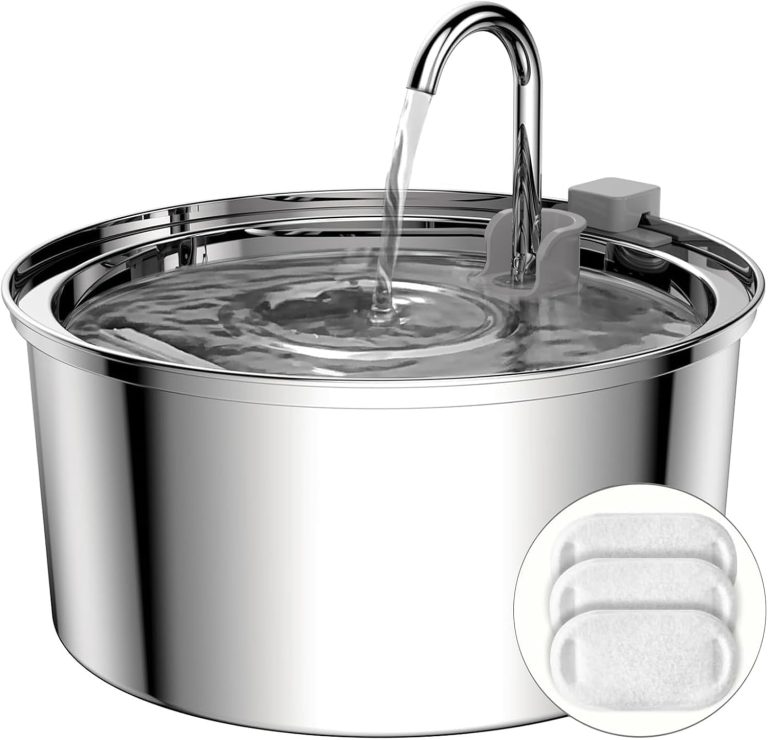
- Choose a ceramic or stainless steel fountain over plastic to avoid scratches that harbor germs and prevent cat acne.
- Use filtered or fresh tap water to minimize mineral buildup in the pump and on the basin surfaces.
Below, we break down the essential rules for keeping your cat’s water fountain safe, covering everything from daily checks to deep-cleaning hacks. Let’s walk through exactly how to make sure your cat stays safely hydrated every single day.
Keeping Your Cat’s Fountain Safe and Clean
Your cat’s fountain is basically a mini water park for your furry friend. But like any water feature, it needs regular attention to stay safe. We found that most fountain problems come down to neglect, not the device itself. Let’s fix that.
You want your cat to drink more. That’s the whole point. A fountain that’s full of slime defeats the purpose. So, let’s walk through the simple habits that keep the water fresh, the pump humming, and your cat purring.
Why Clean Water Matters More Than You Think
Cats are picky drinkers. They can smell things we can’t. If the water smells stale, they’ll find water elsewhere. Maybe the bathroom sink. Maybe your glass of water. We don’t want that.
Dirty water isn’t just gross. It can make your cat sick. Bacteria like E. coli and Salmonella love warm, stagnant water. A fountain that isn’t cleaned becomes a science experiment you don’t want to see. Your cat’s health depends on clean water (CDC).
The Sticky Problem with Biofilm
Ever felt a slimy film on a wet surface? That’s biofilm. It’s a colony of bacteria that sticks together. It builds up fast in fountains. You can’t always see it, but your cat can smell it.
We found that biofilm is the number one reason cats stop using fountains. It feels slippery on their tongue. If you rub the basin and feel slime, it’s time for a deep clean. Don’t wait for it to look dirty.
How Often Should You Actually Clean It?
You’ve probably heard different advice. Some say weekly. Some say monthly. Here’s the truth: every 1-2 weeks is the sweet spot for a full clean. If you have multiple cats, do it weekly. If it’s summer and hot, do it weekly.
Think about it like your own water bottle. You wash it every day, right? A fountain holds more water and has more parts. It needs more love. Set a reminder on your phone. Your future self will thank you.
Daily Checks That Take 10 Seconds
You don’t need to scrub the fountain every day. But you should do a quick visual check. Look at the water level. Is the pump still submerged? Never let the pump run dry. That’s how they break and overheat.
Check for floating debris. Cat hair, dust, food crumbs. Scoop them out with a spoon or your fingers. It takes ten seconds. It keeps the water fresher between deep cleans.
The Full Cleaning Routine, Step by Step
Ready for the deep clean? Here’s the method we recommend. It’s simple and effective. Gather your supplies first: dish soap, a soft sponge, a toothbrush, and white vinegar.
- Unplug the fountain and disassemble every piece.
- Rinse all parts under warm running water to remove loose gunk.
- Wash every piece with mild dish soap and a soft sponge. Avoid abrasive scrubbers—they scratch plastic.
- Use a toothbrush to scrub the pump’s inlet and the little crevices.
- Soak the parts in a vinegar-water solution (1:1) for 15-20 minutes to dissolve mineral deposits.
- Rinse everything thoroughly. No soap residue allowed.
- Reassemble, fill with fresh water, and plug it back in.
That’s it. Thirty minutes of work for months of fresh water. Your cat will notice the difference. They might even drink more right after a clean.
Choosing Safe Materials for Your Fountain
The material of your fountain matters a lot. We found that plastic fountains cause more problems than ceramic or stainless steel. Plastic scratches easily. Those scratches trap bacteria and are nearly impossible to clean properly.
Plastic also causes cat acne. It’s a real thing called “feline chin acne.” The plastic harbors oils and bacteria that clog hair follicles. Your cat gets blackheads on their chin. Not fun for anyone.
Why Ceramic and Stainless Steel Win
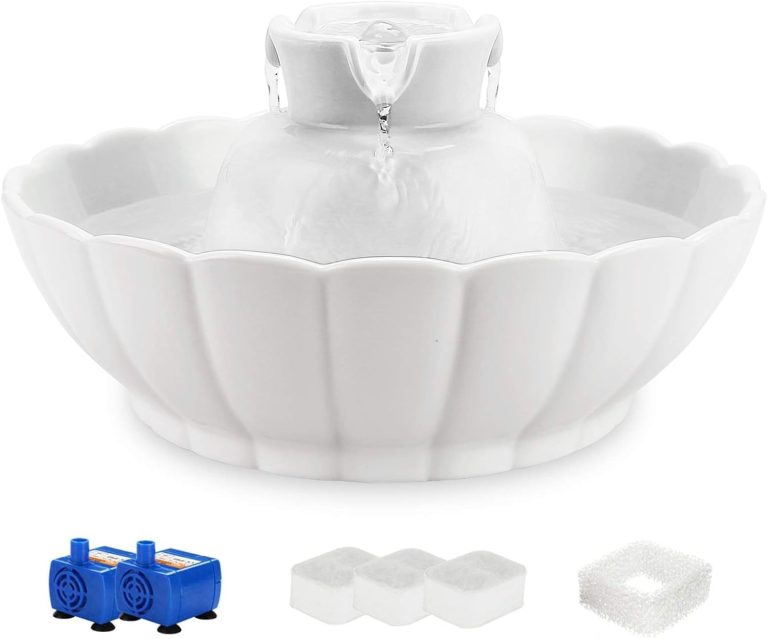
Ceramic fountains look beautiful on your floor. They’re heavy, so they don’t tip over. The surface is smooth and non-porous. Bacteria have nowhere to hide. Ceramic is a top choice for safety (Cleveland Clinic guidelines on material safety).
Stainless steel is another winner. It’s durable, dishwasher-safe, and doesn’t scratch easily. It also keeps water cooler in warm weather. Cats love cool, fresh-tasting water. If you can swing the price, stainless steel is worth it.
What If You Already Own a Plastic Fountain?
No judgment here. Many great fountains are plastic. If that’s what you have, you can still make it safe. Just inspect it closely. If you see deep scratches or cloudiness, it’s time to replace it. That’s a sign bacteria are living in the grooves.
If the plastic looks good, clean it more often. Maybe every week instead of every two weeks. And never put plastic fountains in the dishwasher—the heat can warp the parts. Hand wash only.
The Truth About Filters: Do You Really Need Them?
Filters are a hot topic in the cat fountain world. Some people swear by them. Others say they’re a waste of money. We found that filters do help, but they aren’t magic. They don’t replace cleaning.
A filter catches hair, dust, and food particles. It also softens the water by removing some minerals. That means less scale buildup in the pump. But a filter gets full. If you don’t change it, it stops working and becomes a bacteria farm.
Filter Replacement Schedule That Works
Most manufacturers say to change filters every 2 to 4 weeks. That’s a wide range. Here’s our simple rule: change it every time you do a deep clean. If you clean biweekly, change the filter biweekly. Easy to remember.
If the water smells or tastes funny, change the filter early. Trust your nose. Also, if you have hard water, change filters more often. The minerals clog them faster.
Do You Need a Filter for Safety?
Here’s the honest answer: no, a filter isn’t required for safety. As long as you clean the fountain regularly, the water is safe without a filter. The filter is about taste and clarity, not basic safety.
That said, many cats prefer filtered water. It tastes fresher and has no chlorine smell. If your cat is a picky drinker, a filter might be the trick to get them hydrating more. We found that cats drink more when the water tastes good.
Pump Safety: The Heart of the Fountain
The pump is what moves the water. It’s also the part that breaks most often. We found that pump failures usually come from mineral buildup and debris, not from the motor being bad. The fix is simple: keep it clean.
Every deep clean, take apart the pump. You’ll see a little impeller inside. That’s the spinning part. Rinse it and scrub it gently. Most pumps have a small sponge or foam piece—clean that too.
Signs Your Pump Needs Attention
Listen to your fountain. If the pump gets loud or rattles, something is stuck. It might be a piece of hair wrapped around the impeller. Turn it off, disassemble, and clean it out.
If the water flow slows down, the pump is struggling. Check the intake holes. They might be clogged. A quick scrub usually fixes it. If the pump stops entirely and won’t restart, it’s time for a replacement. Pumps cost $10-20. That’s cheaper than a new fountain.
Water Quality: Tap vs. Filtered vs. Distilled
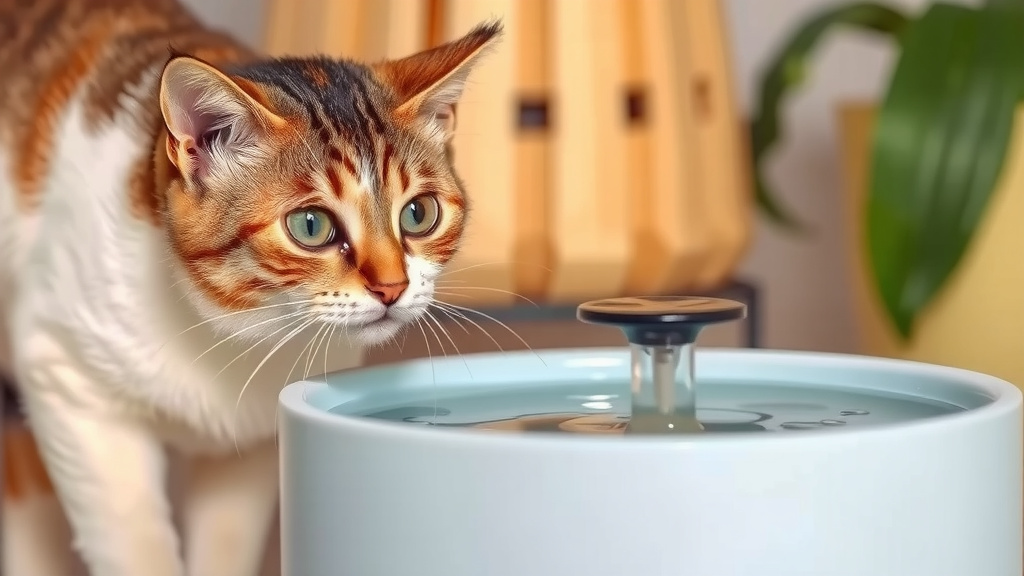
What water goes in matters. We recommend fresh tap water or filtered water for your fountain. Both are safe and contain beneficial minerals. Your cat needs those minerals for good health.
Distilled water is a no-go. It lacks minerals like calcium and magnesium. Cats need those for strong bones and proper bodily functions. Long-term use of distilled water can lead to mineral deficiencies.
Why Tap Water Can Be Tricky
Tap water is fine in most places. But it has chlorine and sometimes fluoride. These chemicals are safe for humans but can change the taste for cats. Many cats dislike the smell of chlorine.
If your cat avoids the fountain, try filtered water. A simple pitcher filter works wonders. We found that switching to filtered water increased cats’ drinking habits significantly. They prefer the taste, plain and simple.
Hard Water and Mineral Scale
Hard water is high in calcium and magnesium. It leaves white scale on your fountain. That scale builds up on the pump and shortens its life. It also makes the fountain look gross.
Vinegar is your best friend here. Soak the fountain parts in vinegar weekly if you have hard water. It dissolves the scale effortlessly. Your pump will thank you, and so will your cat.
Electrical Safety for Your Cat’s Fountain
Yes, we’re talking about electricity and water. It sounds scary, but it’s safe if you follow basic rules. Always use the power adapter that came with your fountain. Don’t swap in a random one from your drawer.
Place the fountain on a flat, stable surface. Make sure the cord isn’t stretched or pinched. Cats love to chew on cords. That’s a real hazard. Use a cord protector or tape the cord down so your cat can’t access it.
Signs of Electrical Problems
Watch for these warning signs. If the fountain stops working randomly, check the cord. If you see fraying, stop using it immediately. If you smell burning, unplug it now. Don’t try to fix it yourself—replace the unit.
Also, never leave the fountain plugged in while cleaning it. Unplug first, clean second. This is basic common sense, but we all get rushed. Make it a habit: unplug before you touch. Water and electricity don’t mix.
Monitoring Your Cat’s Health and Hydration
A fountain is a tool, not a miracle. It encourages drinking, but you still need to monitor. Watch for signs of dehydration in your cat. Lethargy, dry gums, or skin that doesn’t bounce back quickly are red flags.
Cats are masters of hiding pain. They won’t tell you they’re thirsty. We found that regular monitoring of water intake is critical for preventing urinary issues (NIH). You know your cat’s normal behavior. Trust your instincts.
How Much Water Should Your Cat Drink?
Generally, a cat needs about 3.5 to 4.5 ounces of water per 5 pounds of body weight per day. That’s roughly one standard water bottle per day for a 10-pound cat. But wet food counts too. If your cat eats canned food, they get water from that.
Don’t obsess over exact numbers. Check the fountain water level daily. You’ll get a feel for how much your cat drinks. If the level stays the same for days, something is off. Your cat might be drinking from a toilet or a leaky faucet instead.
Common Mistakes That Ruin Fountains
We see the same mistakes over and over. Avoid these and your fountain will last for years. Let’s run through the biggest offenders.
Skipping the Deep Clean
Some people just top off the water. They never empty the old water. That’s a mistake. Old water has concentrated bacteria. Topping off doesn’t refresh the water—it dilutes the gunk. You must fully empty and clean on a regular basis.
Conclusion
Keeping your cat’s water fountain safe isn’t complicated, but it does require consistency. You now know the essentials: clean it fully every one to two weeks, swap filters on schedule, and always use fresh water. We found that choosing ceramic or stainless steel over plastic prevents the scratches that trap bacteria and cause feline acne.
Your pump needs attention too. A quick scrub during each deep clean prevents breakdowns and keeps the water flowing. Listen for odd noises and never let it run dry. These small habits make a huge difference in your cat’s health and hydration.
Here’s your next step: set a recurring reminder on your phone for your next deep clean. While you’re at it, check your current fountain for any deep scratches or cloudy plastic. If you spot them, it’s time to upgrade. Your cat deserves fresh, safe water every single day. You’ve got this.
Frequently Asked Questions
Can I leave my cat’s water fountain running all the time?
Yes, you can leave it running 24/7. That’s how it’s designed to work. Just check the water level daily to ensure the pump stays submerged. If it runs dry, the motor can overheat and fail.
Is it safe to put a cat water fountain on carpet?
It’s safe, but not ideal. Splashes and drips can soak into the carpet over time. We recommend placing a waterproof mat underneath. That catches spills and makes cleanup much easier for you.
My cat knocked over their water bowl. Will a fountain tip over easily?
Most fountains are heavier than bowls, especially ceramic and stainless steel models. That extra weight keeps them stable. Choose a wide-base fountain for maximum stability if you have a rambunctious cat.
How do I know if my cat is actually drinking from the fountain?
Watch them during the first few days. Many cats are curious right away. You can also track the water level daily. If it drops noticeably, your cat is using it. If not, try moving it away from their food bowl. Some cats prefer water separate from their eating area.
Can I clean my cat’s water fountain with bleach?
No, skip the bleach. Bleach residue is toxic to cats and very hard to rinse completely out of porous materials. Stick with mild dish soap and white vinegar. Both are safe and effective when rinsed thoroughly.