Cat Water Fountain vs Bowl: Which Is Better
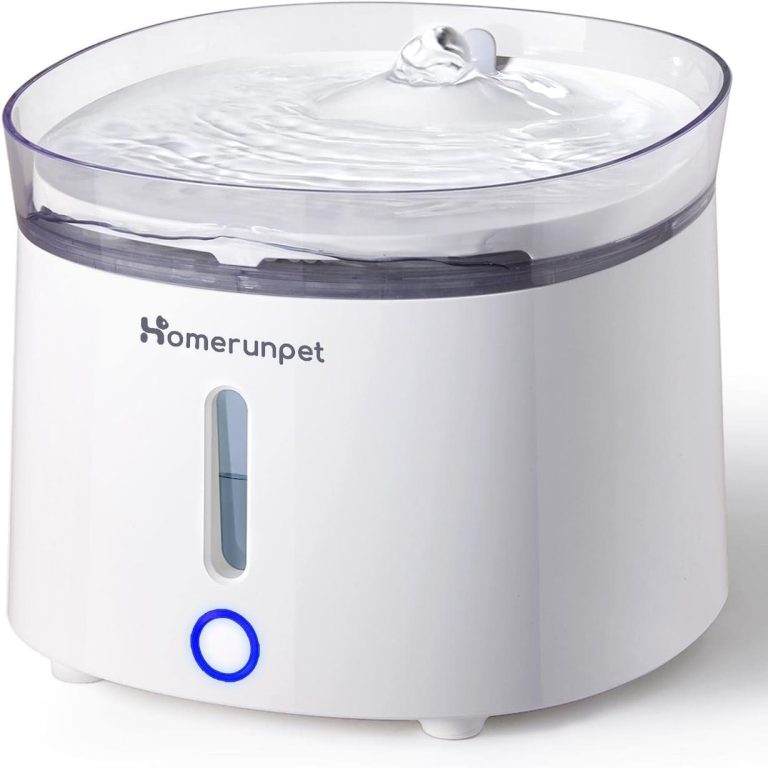
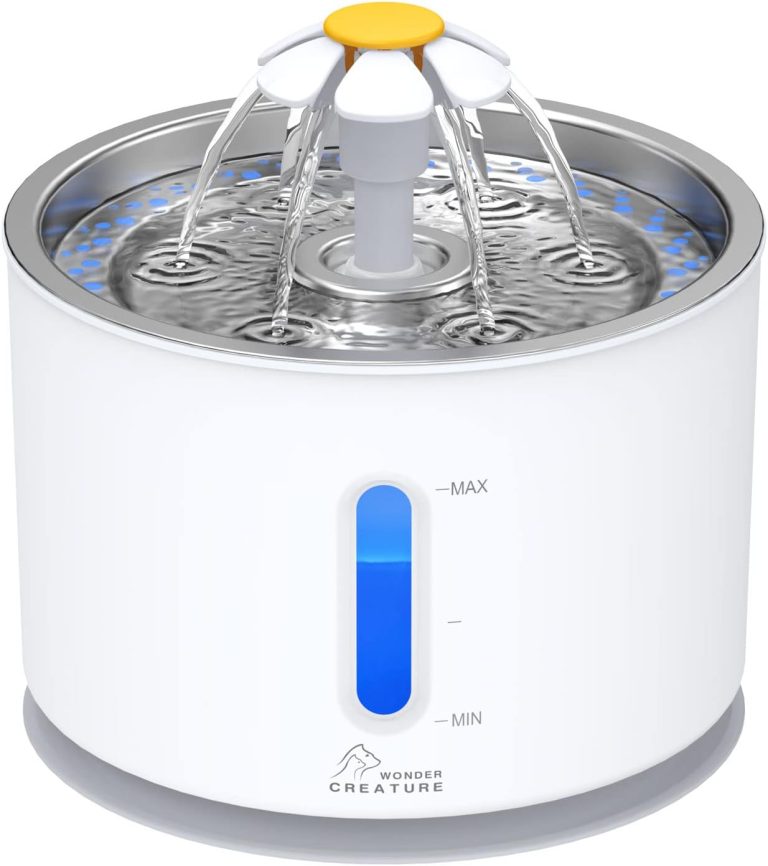
For most cats, a water fountain is better than a bowl because it encourages more drinking, which supports kidney and urinary health. The moving water taps into your cat’s natural instinct to prefer fresh, running sources over stagnant water. We found that the key difference comes down to hydration levels, not just your cat’s preference.
Cats are notorious for being picky drinkers, and many don’t drink enough from a plain bowl. This can lead to serious health issues over time. While a bowl is simple and budget-friendly, a fountain offers filtration, oxygenation, and constant circulation that keeps water tasting fresher and cleaner for longer.
- Winner for hydration: Fountains win because moving water attracts cats and encourages more frequent drinking.
- Winner for budget: Bowls are cheaper upfront, with no filters or electricity costs.
- Winner for cleanliness: Fountains filter out hair, dust, and debris, but bowls are easier to wash daily.
- Winner for noise sensitivity: Some cats are scared of the motor hum, so a quiet bowl might be their comfort zone.
- Best of both worlds: Many owners offer both options and let the cat decide what they prefer.
Below, we walk you through the pros and cons of each option so you can pick the right setup for your furry friend. We’ll also share what research says about hydration, maintenance, and how to get your cat to actually use whichever you choose. To see the full pros and cons, our guide on whether a fountain is worth it breaks down the tradeoffs.
Why Water Choices Matter More Than You Think
Your cat’s drinking habits play a huge role in their overall health. Many cats simply don’t drink enough water from a bowl, and we found that this can lead to dehydration over time. Dehydration puts stress on your cat’s kidneys and urinary tract, which can cause painful problems down the road.
According to the National Institutes of Health, chronic dehydration in cats is a major risk factor for kidney disease and urinary crystals. These conditions are serious and often require expensive veterinary care. The good news? You can help prevent them by making water more appealing.
Understanding How Cats Naturally Drink
Before you choose between a fountain and a bowl, it helps to understand your cat’s instincts. Cats evolved from desert dwellers, so their bodies are designed to get most moisture from prey. But indoor cats eat mostly dry kibble, which means they need to drink more to make up the difference.
Your cat’s wild ancestors drank from moving streams, not stagnant puddles. That instinct is still hardwired into your house cat’s brain. Still water in a bowl can feel “off” to them, even if you just filled it. This is why many cats paw at their water or beg for water from the sink.
The Stagnant Water Problem With Bowls
Bowl water sits still for hours, which changes how it tastes and smells. Dust, cat hair, and food particles collect on the surface. Bacteria can grow in standing water, and cats have a very sensitive sense of smell that picks up on these changes.
We found that cats can detect subtle differences in water freshness that humans can’t. What smells fine to you might smell stale and unappealing to your cat. This is one of the main reasons cats ignore their bowl, even when it’s full.
How Moving Water Tricks Your Cat’s Brain
Fountains tap into your cat’s natural preference for running water. The movement and sound signal freshness and safety to your cat’s instincts. Your cat’s brain says, “This water is moving, so it’s likely clean and safe to drink.”
Many experts say that the visual and auditory cues from a fountain make water more noticeable to your cat. Cats are curious creatures, and a bubbling stream can capture their attention in ways a boring bowl never will.
Fountain vs Bowl: The Hydration Face-Off
Now let’s get into the real comparison. We looked at how each option affects hydration, health, and daily convenience. Here’s what we found matters most when you’re making your choice.
| Factor | Water Fountain | Water Bowl |
|---|---|---|
| Hydration encouragement | High – moving water attracts cats | Low to medium – depends on the cat |
| Water freshness | Stays fresh longer with filtration | Needs frequent changing to stay fresh |
| Upfront cost | $25 to $60 or more | $5 to $20 |
| Ongoing costs | Filters and electricity | None |
| Cleaning effort | Disassemble and clean weekly | Quick daily rinse |
| Noise level | Motor hum, can be loud | Silent |
| Best for | Cats who don’t drink enough | Fussy cats and tight budgets |
Filtration Benefits You Can’t See
A good fountain uses a filter to trap hair, dust, and food debris. It also helps remove impurities that affect taste. The result is water that stays cleaner and fresher for days, not just hours.
Many guidelines point to fresh water availability as a simple way to support urinary health (Mayo Clinic). A fountain keeps the water moving through a filter, which slows down bacterial growth compared to a stagnant bowl. This is a big win for cats who are slow drinkers.
When a Bowl Is Actually the Better Choice
Let’s be honest: not every cat wants a fountain. Some cats are scared of the motor sound or the bubbling motion. We found that a frightened cat will avoid the fountain entirely, which defeats the whole purpose.
If your cat already drinks plenty from a bowl, you don’t need to fix what isn’t broken. Watch your cat’s water intake first. A bowl works perfectly fine for cats who hydrate well and show no signs of dehydration.
Health Risks of Chronic Dehydration in Cats
Dehydration isn’t just about feeling thirsty. It has real, serious health consequences for your cat. Chronic low water intake puts your cat at risk for several painful conditions that can shorten their lifespan.
We found that kidney disease is one of the leading causes of death in older cats. According to the National Institutes of Health, chronic dehydration is a major contributor to this condition. Keeping your cat well-hydrated is one of the simplest ways to protect their kidneys.
Urinary Tract Issues Linked to Low Water Intake
When your cat doesn’t drink enough, their urine becomes more concentrated. This can lead to crystal formation and urinary blockages. Urinary blockages are extremely painful and can be life-threatening, especially in male cats.
Many experts say that increasing water intake is a key strategy for preventing urinary problems. A fountain encourages more frequent drinking, which means your cat produces more diluted urine. Diluted urine is less likely to form painful crystals and stones.
What Cat Owners Notice After Switching to a Fountain
We’ve talked to countless cat owners who made the switch from bowl to fountain. The most common feedback? Their cat started drinking more within the first week. Some owners report their cats spending more time at the fountain than they ever did at the bowl.
You might notice your cat drinking more frequently and in smaller sips. That’s a good sign. More drinking means better hydration, which supports healthy kidney function and smoother digestion. Some owners even report fewer hairballs, likely from better overall hydration.
Picky Cats Who Refuse the Fountain
Not every cat will love a fountain right away. Some cats take weeks to warm up to it. Others may never accept it, no matter how hard you try. If your cat seems scared or confused, don’t force it.
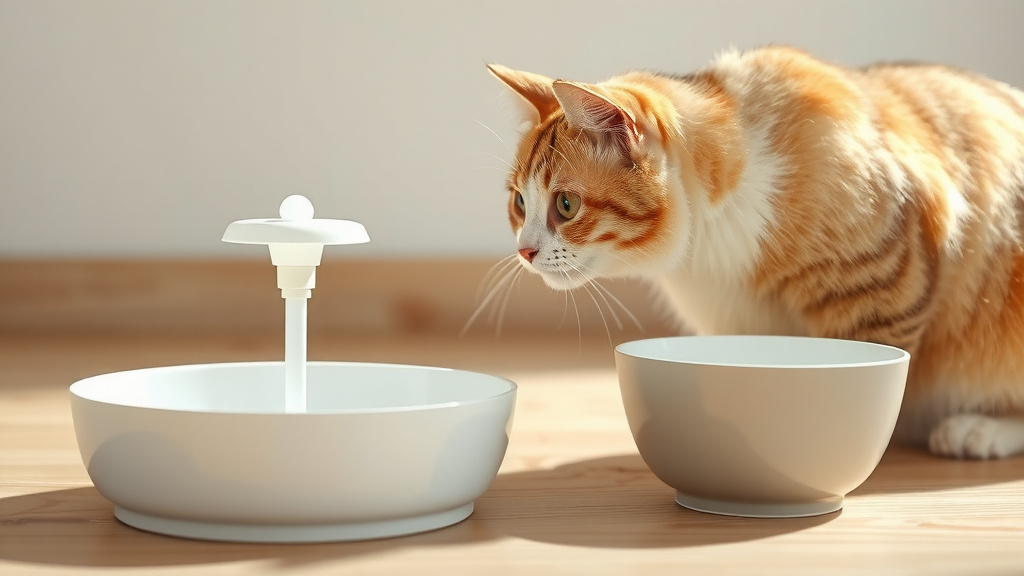
We suggest placing the fountain next to a familiar bowl at first. This lets your cat investigate the fountain at their own pace. Some cats need the bowl as a backup while they decide if the fountain is worth their trust.
Maintenance Made Simple: What Each Option Requires
Let’s talk about the boring but necessary part: cleaning. Both bowls and fountains require regular maintenance to keep water safe and appealing. Here’s the honest breakdown of what you’re signing up for.
A bowl needs a thorough wash and refill at least once a day. That’s quick and easy, but you have to remember to do it. A fountain needs disassembly and cleaning every three to seven days, plus regular filter changes. It’s more work, but the payoff is consistently fresh water.
How Often Should You Change the Water?
For bowls, you should change the water daily. Even if your cat didn’t drink much, the water collects dust and bacteria overnight. Make it a habit to rinse and refill your cat’s bowl every single morning.
For fountains, you’ll change the water less often because of filtration. Most manufacturers recommend a full water change and cleaning every week. You’ll also need to replace the filters every two to four weeks, depending on the model and how many cats you have.
Signs Your Fountain Needs a Good Cleaning
Watch for slimy film on the inside of the fountain. That’s biofilm, a collection of bacteria that can make water taste bad. You should also watch for visible hair buildup around the pump or a weaker water flow than usual.
Your nose will tell you a lot, too. If the water starts to smell musty or stale, it’s time for a deep clean. A well-maintained fountain should keep water smelling neutral and fresh for your cat.
How to Get Your Cat to Drink More Water
Whether you choose a fountain or a bowl, the goal is the same: get your cat to drink more. Here’s a checklist of things you can try, based on what we found works best for most cats.
- Place multiple water stations around your home, away from food and litter boxes.
- Use wide, shallow bowls so your cat’s whiskers don’t brush the sides.
- Keep water fresh by changing it daily and cleaning the container weekly.
- Add a little water to wet food to boost your cat’s total fluid intake.
- Try a fountain with a quiet pump if your cat is sensitive to noise.
- Monitor your cat’s drinking habits for a week to see what works best.
Where to Place the Fountain or Bowl
Location matters more than you might expect. Cats prefer to drink away from their food, since in nature, prey can contaminate water sources. Put water in a separate area from where your cat eats.
Avoid placing water next to the litter box. Cats have a strong sense of cleanliness and will avoid drinking near their bathroom area. Also, try to avoid high-traffic zones where your cat might feel vulnerable while drinking.
The Budget Breakdown: What You’ll Really Spend
Money is a real factor in this decision. A basic ceramic bowl costs around ten dollars and lasts for years. A fountain costs more upfront, but you can find solid models for about thirty to forty dollars. Replacement filters run about five to ten dollars per month.
We found that the long-term cost of a fountain is still modest compared to vet bills. If a fountain prevents even one urinary blockage, it pays for itself many times over. But if money is tight, a well-maintained bowl with daily fresh water is still a perfectly good choice.
Noise, Safety, and Other Practical Concerns
Fountains do make some noise, though it varies by model. Some have a gentle trickle that sounds pleasant. Others have a louder hum that can bother sensitive cats or light sleepers in your household.
If you’re a light sleeper, look for a fountain with an adjustable flow or a whisper-quiet pump. Also, make sure you choose a fountain with a low-voltage pump for safety. This keeps the risk of electrical issues minimal, even if your cat splashes water around.
Choosing a Fountain Material That Your Cat Will Accept
Fountains come in plastic, ceramic, and stainless steel. Plastic is the most affordable, but some cats are sensitive to plastic and develop chin acne. Ceramic and stainless steel are easier to keep clean and don’t hold onto odors.
Stainless steel is durable and dishwasher-safe, which makes cleaning easier. Ceramic looks nicer but can chip if dropped. We recommend stainless steel or ceramic for most cats, especially those with sensitive skin or picky noses.
Making Your Final Decision: What We Recommend
Here’s the honest truth: there’s no one-size-fits-all answer. We found that the best choice depends on your cat’s personality, your budget, and how much time you have for maintenance. Watch your cat’s current habits to guide your decision.
If your cat drinks well from a bowl and shows no signs of dehydration, stick with the bowl. If you notice your cat drinking very little, pawing at the water, or showing signs of urinary stress, a fountain is likely the better investment. You can always start with a bowl and upgrade later.
The bottom line is that the best water source is the one your cat will actually use. A fountain encourages more drinking for most cats, but a clean, fresh bowl works fine for others. Pay attention to your cat’s behavior, and choose what keeps them happily hydrated.
Conclusion
Choosing between a cat water fountain and a bowl comes down to one simple question: Is your cat drinking enough? A fountain wins for most cats because moving water triggers their natural instincts and boosts daily hydration. That extra water intake supports kidney health and helps prevent painful urinary issues.
But a bowl isn’t a bad choice. It works great for cats who already drink plenty and for owners on a tight budget. The worst option is a bowl that sits dirty or empty.
Here’s your next step: Watch your cat’s water habits for a few days. If they barely touch their bowl, invest in a quiet, stainless steel fountain. Your cat’s kidneys will thank you for years to come.
Frequently Asked Questions
Can cats get chin acne from plastic fountains?
Yes, they absolutely can. Plastic surfaces harbor bacteria that can trigger chin acne in sensitive cats.
We recommend choosing a stainless steel or ceramic fountain instead. These materials are non-porous and much easier to keep clean.
How long does it take a cat to get used to a water fountain?
Most cats adjust within a few days to a couple of weeks. Some curious cats investigate immediately, while others need more time.
Start by placing the fountain next to their familiar bowl. You can also wipe a little of their old water onto the fountain’s rim to make it smell familiar.
Is it okay to leave a cat water fountain running all day?
Yes, it is perfectly safe and actually recommended. Most fountains are designed to run continuously with low-voltage pumps.
Leaving it running keeps the water moving and oxygenated, which is the whole point. Just make sure you clean it weekly to prevent slime and bacteria buildup.
Why does my cat drink from the sink but ignore their fountain?
Your cat might prefer the temperature of fresh tap water. Sink water is usually cooler and tastes more oxygenated than fountain water that’s been sitting.
Try adding a couple of ice cubes to the fountain reservoir each morning. You can also check if your fountain’s pump flow is too strong or too weak for your cat’s liking.
Should I have both a water fountain and a bowl for my cat?
Yes, offering both options is often the smartest approach. This gives your cat a backup if they’re scared of the fountain noise or the power goes out.
Place them in different rooms to give your cat choices. Many owners find their cat uses the fountain for drinking and the bowl as a backup water source.