Cat Water Fountain vs Dispenser: Which Is Better?
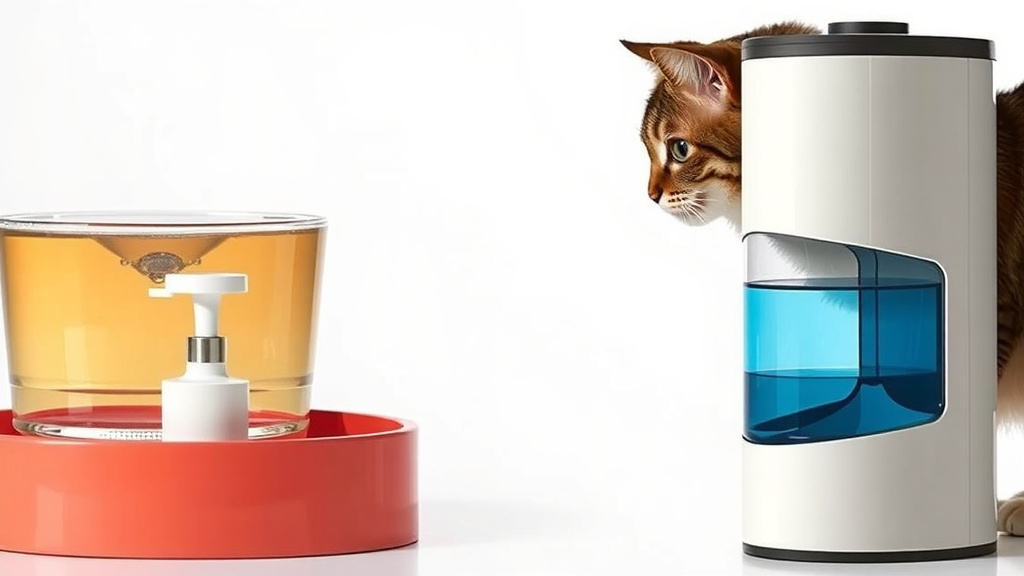
If you want fresher, cleaner water that encourages your cat to drink more, a cat water fountain beats a dispenser in almost every way. The key difference is simple: a fountain constantly filters and circulates the water, while a dispenser just holds a larger supply in a tank. We found that the moving water also appeals to your cat’s natural instincts, making them more likely to stay hydrated.
This choice really comes down to your cat’s habits and your daily routine. While a water dispenser is silent, cheap, and simple to fill, it often collects dust, fur, and bacteria sitting on the surface. On the other hand, a cat water fountain requires more regular cleaning and a power source, but it actively keeps the water oxygenated and fresh-tasting for days. Many experts say that increased hydration from a fountain can seriously help prevent urinary tract issues and kidney problems in felines.
- The clear winner for hydration: Fountains encourage more drinking thanks to running water.
- The winner for convenience: Dispensers are cheaper, quieter, and simpler to maintain.
- Freshness factor: Fountains filter and aerate; dispensers just sit there.
- Maintenance matters: Fountains need weekly filter changes and washing; dispensers just need refills.
- Best for picky cats: If your cat loves the tap, they will almost certainly love a fountain.
Below, we break down the real-world differences between these two options so you can pick the perfect one for your furry friend. Let’s walk through the pros, the cons, and the maintenance reality of each to help you make the smartest choice for your home.
Choosing Between a Water Fountain and a Dispenser for Your Cat
Let’s get straight to the point: you want the best drinking setup for your cat without overcomplicating your life. We found that the right choice depends on balancing your cat’s hydration needs with your willingness to do weekly cleaning. If your cat is a picky drinker or has had urinary issues, a fountain is usually the better investment.
Why Hydration Matters More Than You Think
Cats evolved from desert animals. Their natural thirst drive is weak, and many of them simply forget to drink enough water. When they only eat dry kibble, they miss out on the moisture that raw or wet food provides. Chronic dehydration is a real problem that can lead to kidney disease and painful urinary tract blockages over time.
We found that vets frequently link low water intake to serious health issues in felines. The goal here is simple: make drinking as appealing and effortless as possible for your cat. A dispenser just holds water. A fountain turns hydration into a fun, instinct-driven activity.
The Core Mechanics: What Each Device Actually Does
Before you pick a side, it helps to understand the basic engineering behind each option. They both deliver water, but they do it in completely different ways. One is passive storage; the other is active filtration and circulation.
How a Gravity Water Dispenser Works
A dispenser is basically a big plastic tank that sits upside down on a base. Gravity pulls the water down into a small bowl as your cat drinks. It has no moving parts, no filter, and no power cord. It is the most basic way to give your cat a larger reserve of water without refilling a tiny bowl all day.
Some dispensers hold a gallon or more. That makes them great for busy households or when you go away for a weekend. However, the water stays completely still. Dust, fur, and food particles settle right on the surface. If you don’t wash it frequently, a slimy biofilm can build up on the inside.
How a Cat Water Fountain Works
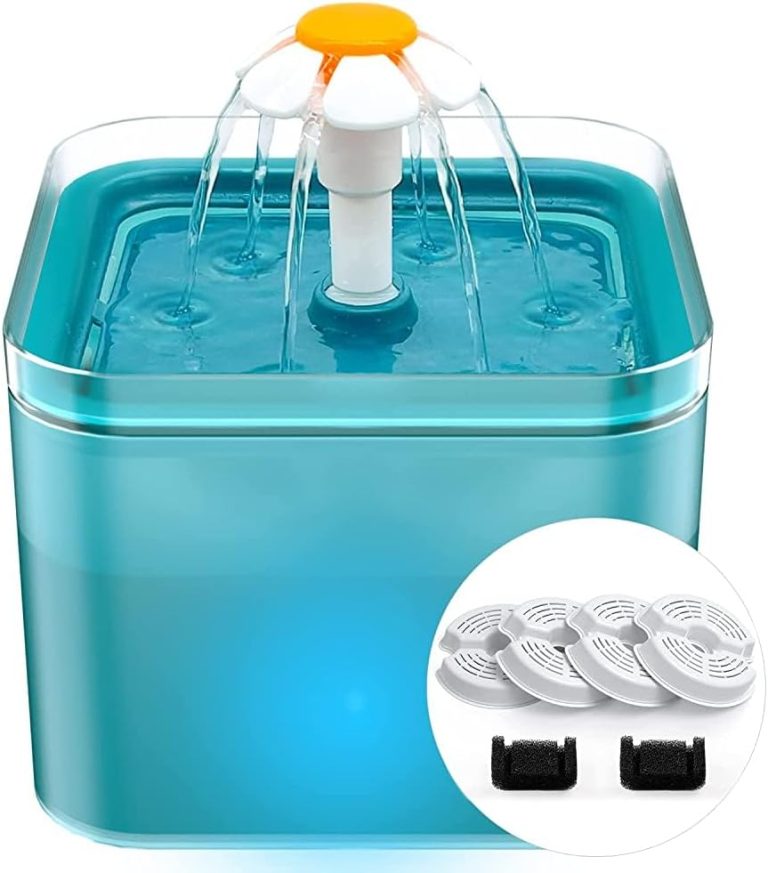
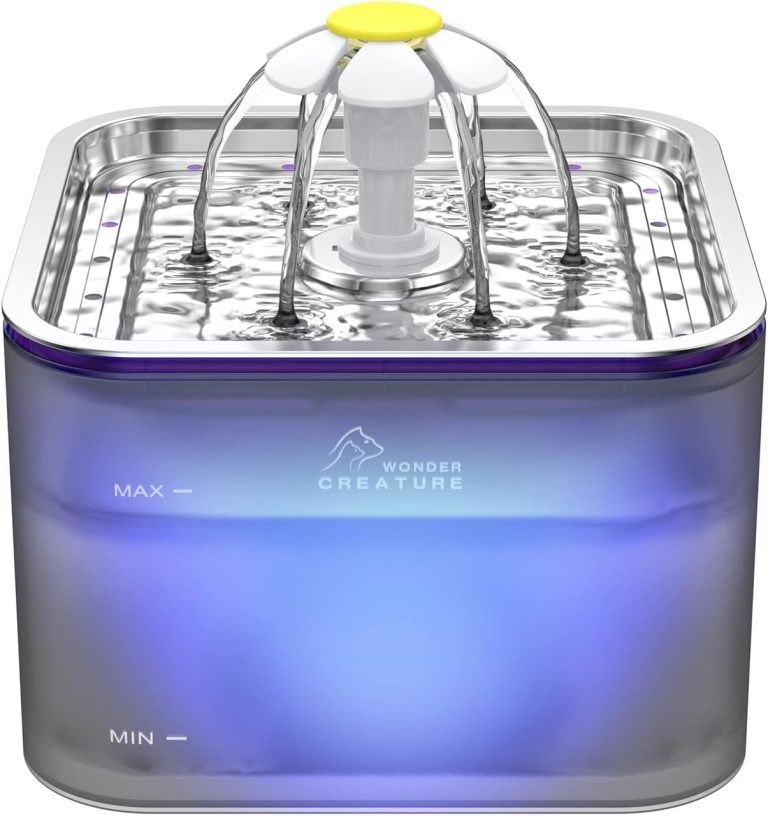
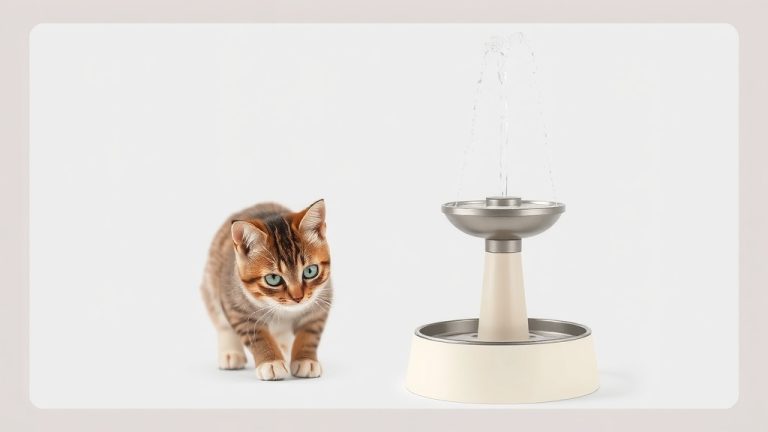
A fountain uses a small electric pump to push water through a filter and up to a spout. The water then cascades back down into a reservoir. This constant motion keeps the water oxygenated and moving past a carbon filter that catches hair and debris. Many models have adjustable flow settings for picky cats.
This is the closer cousin to a running tap. We found that this movement triggers a cat’s natural preference for fresh, moving water. In the wild, still water is often stagnant and unsafe. Running water feels cleaner and safer to them, which is why so many cats try to drink from the bathroom faucet.
Evaluating the Health and Freshness Benefits
Freshness is not just about taste. It is about bacterial growth and your cat’s long-term health. Let’s look at how each option stacks up when it comes to keeping the water clean and safe.
Stagnant Water Risks with Dispensers
Still water is a breeding ground for bacteria, especially in a warm kitchen. We found that without any movement, airborne particles land on the water and sink to the bottom. The surface can develop a film that cats can smell, even if you cannot. Many cats will refuse to drink water that has been sitting out for more than a day.
You must wash a dispenser thoroughly at least twice a week. The narrow neck and bottom tank are hard to scrub, so bacteria can hide in the corners. If you skip this, your cat might avoid the water entirely, which defeats the purpose of having a large supply.
How Filtration Keeps Water Fresh Longer
Fountains use activated carbon filters. These filters trap hair, dust, and food particles while removing bad tastes and odors. The constant circulation also stops bacteria from settling and multiplying on the surface. We found that fountain water stays noticeably fresher for three to four days compared to a dispenser.
Many experts say that encouraging water intake is one of the best ways to prevent urinary tract issues (Cornell University College of Veterinary Medicine). If you have a male cat, keeping them well-hydrated is essential. The fresh taste of filtered, moving water makes them drink more often without you having to nag them.
Maintenance, Noise, and Upkeep: The Real Work
Here is where the romantic idea of a fountain meets reality. Fountains require more work than a simple dispenser. You need to be honest with yourself about how much time you will commit to cleaning. A dirty fountain is worse than no fountain at all.
The Weekly Cleaning Routine for a Fountain
Most fountain manufacturers recommend a full teardown every week. You have to unplug the pump, disassemble the motor, and scrub every plastic piece. The pump impeller can get clogged with hair, which reduces water flow and makes a loud grinding noise. We found that a toothbrush and a pipe cleaner are your best friends for this job.
The filter also needs to be replaced every two to four weeks. These filters are not expensive, but they add to the ongoing cost. If you travel often or hate chores, this routine can feel like a burden. However, the payoff is that your cat gets restaurant-quality water every single day. Our guide to the best pet water fountain filter explains which replacements fit popular models.
Noise Levels: Which One Disrupts Your Sleep?
Dispensers are completely silent. There is nothing to break or buzz. Fountains, on the other hand, have a motor that runs 24/7. We found that most modern fountains are quiet, but they are not silent. You might hear a soft gurgle or a subtle hum, especially as the water level drops.
If the water gets too low, the pump can start to rattle loudly. This noise will wake you up at 3 AM. The fix is simple: top off the water every day or two. For light sleepers, this might be a dealbreaker. Place the fountain away from your bedroom to avoid the constant hum.
Comparing Costs and Lifespan of Both Options
Money matters. A basic dispenser costs around fifteen to twenty dollars. A decent fountain starts at thirty dollars and goes up to eighty for stainless steel models. The price difference is significant, but so is the value over time.
| Feature | Water Dispenser | Water Fountain |
|---|---|---|
| Upfront Cost | Very low (under $20) | Moderate ($30–$80) |
| Ongoing Costs | None (just water) | Filters every 2–4 weeks |
| Electricity | None | Minimal (a few watts) |
| Cleaning Time | 5 minutes, twice a week | 15–20 minutes, weekly |
| Durability | Plastic can crack or cloud | Pumps last 6–12 months |
We found that a cheap dispenser can last for years because there is nothing to break. A fountain’s pump will eventually wear out. Replacement pumps cost about fifteen dollars. If you factor in filter costs, a fountain is about forty dollars a year in upkeep.
The Hidden Cost of a Sick Cat
Here is the financial twist. A urinary blockage in a male cat can cost over one thousand dollars in emergency vet bills. We found that investing in a fountain now might save you from that massive expense later. The fresh, moving water encourages drinking, which keeps the urinary tract flushed and healthy.
Which Cat Prefers Which? Reading Your Cat’s Behavior
You know your cat best. Some cats are obsessed with the kitchen tap. Others could not care less and will drink from a muddy puddle outside. Understanding your cat’s personality is the key to making the right purchase.
Signs Your Cat Will Love a Fountain
- Your cat jumps on the counter when you turn on the faucet.
- They bat at water droplets or try to drink from your glass.
- They ignore their water bowl until you just refilled it.
- They knock their bowl over or dip their paws in the water.
- They have had a previous urinary tract infection.
If any of these sound familiar, a fountain is almost a guaranteed hit. The running water satisfies their playful instincts. You will probably find them sitting next to it, staring at the stream with curiosity.
When a Dispenser Is the Smarter Choice
Some cats simply do not care about moving water. If your cat drinks plenty from a regular bowl, a dispenser offers convenience without the fuss. It is also ideal for multi-cat homes where you need a large backup supply. If you live in a studio apartment, the silence of a dispenser might be worth more to you than the freshness of a fountain.
Practical Tips for Transitioning Your Cat
Switching from a bowl to a new device can confuse some cats. Do not just swap it out and walk away. You need to introduce it slowly to avoid a protest strike. Cats hate change, but they love running water, so the transition is usually smooth.
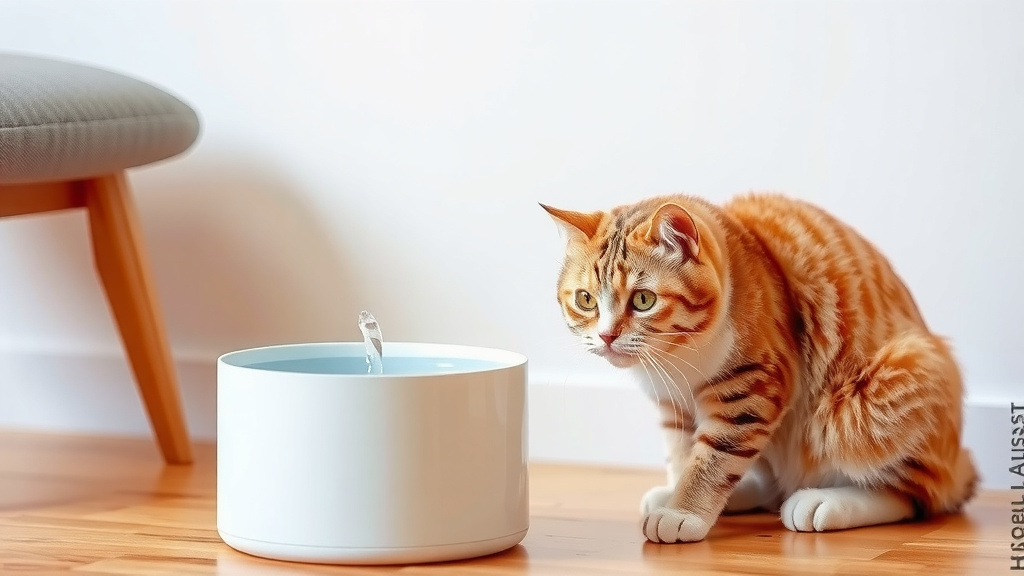
Place the new fountain next to their old water bowl for the first few days. Keep the old bowl full so they have a backup option. Most cats will gravitate toward the moving water within 24 hours. If they seem scared of the pump noise, turn it off for a day and let them drink from the reservoir without the flow.
Daily Habits for Maximum Freshness
- Top off the water level every morning.
- Rinse the reservoir with hot water each day.
- Wipe down the spout and basin with a cloth.
- Replace the filter on a set schedule, not when you remember.
- Check the pump for hair tangles every few days.
- Wash the entire unit with mild soap weekly, never in the dishwasher.
We found that these small daily habits make the weekly deep clean much easier. If you let the pump run dry, it will burn out fast. Set a reminder on your phone to refill it so you never forget.
Safety Concerns and Materials to Look For
Not all plastic is created equal. Some cheaper dispensers and fountains use low-grade plastic that can leach chemicals over time. Many experts say to look for BPA-free materials. Stainless steel is the gold standard because it is non-porous and does not harbor bacteria.
If you have a cat that chews on cords, a fountain’s power cord is a hazard. Hide the cord under a cable cover or use a cordless model with a battery pack. Always unplug the fountain when you clean it. Never submerge the pump motor unless the manufacturer says it is fully waterproof.
Stainless Steel vs. Plastic Fountains
Plastic fountains are cheaper and easier to see the water level. However, they scratch easily. Those tiny scratches become homes for bacteria that you cannot clean out. Stainless steel is easier to sanitize and lasts much longer, but it costs more and you cannot see how much water is left.
We found that stainless steel is worth the extra money if you have a cat with sensitive skin or chin acne. Plastic can cause feline acne on the chin area. If you notice black specks on your cat’s chin, switch to steel immediately.
Making Your Final Decision: A Practical Checklist
You are ready to choose. Let’s simplify the decision-making process with a quick checklist. Answer these questions honestly and the right answer will become obvious.
- Does your cat drink enough water currently? If yes, a dispenser is fine. If no, choose a fountain.
- Are you willing to clean a pump weekly? If you hate chores, stick with a dispenser.
- Is your cat obsessed with the tap? A fountain is the only thing that will satisfy them.
- Do you have power outlets near your cat’s eating area? No outlet means no fountain.
- Is your budget tight this month? Start with a dispenser and upgrade later.
- Does your cat have a history of urinary issues? A fountain is a medical necessity, not a luxury.
We found that most cat owners who buy a fountain never go back to a dispenser. The only ones who regret it are those who bought a cheap, noisy model. If you decide on a fountain, spend a little extra for a quality brand with a quiet pump and a wide basin that is easy to clean.
Conclusion
You now have the full picture. A cat water fountain wins for freshness, hydration, and instinct appeal. A dispenser wins for silence, simplicity, and zero ongoing costs. Your cat’s health habits and your cleaning tolerance will decide the right pick.
We recommend starting with a fountain if your cat loves the tap or drinks too little. Choose a stainless steel model with a quiet pump to avoid the common pitfalls. If you prefer a no-fuss setup, a basic dispenser is still a solid upgrade over a plain bowl.
Your next step is simple: watch your cat’s drinking behavior for two days. That will tell you exactly which device they will actually use. Then buy accordingly and enjoy a happier, better-hydrated cat.
Frequently Asked Questions
How often should I change the water in a cat fountain?
You should replace the water completely every two to three days. Stagnant water in the reservoir can still grow bacteria even with a filter running. A full fresh refill keeps the water oxygenated and appealing to your cat’s sensitive nose.
Can I use a cat fountain for multiple cats?
Yes, but you need a larger model with a bigger reservoir. Most standard fountains hold around 60 to 90 ounces, which works for two cats. For three or more cats, look for a fountain with a wide basin and a high-capacity tank. You will also need to clean it more often to keep up with the extra fur and drool.
Will a cat fountain help with my cat’s kidney disease?
A fountain can support a cat with early kidney issues by encouraging more water intake. Increased hydration helps flush toxins and supports kidney function. It is not a treatment or cure, so you still need your vet’s guidance. Pair the fountain with wet food for the best hydration boost.
Why does my cat keep tipping over their water dispenser?
Some cats knock over dispensers because they prefer moving water or dislike the plastic taste. Others do it for attention. Try a heavier, wider base dispenser or switch to a fountain with a secure lid. If your cat is pawing at the water, they may want a deeper bowl or a fresher stream.
Are expensive cat fountains worth the extra money?
In our experience, yes. Cheap fountains often have weak pumps, loud motors, and plastic that scratches easily. A quality stainless steel fountain around $50 to $70 lasts longer and is easier to keep clean. You save money on replacement units and avoid the frustration of a noisy pump at night.