Best Cat Water Fountains That Need No Cleaning
Yes, you can find a cat water fountain you don’t have to clean, but the trick is choosing the right design. We found that self-cleaning cat water fountains use filters, UV light, or special cycling systems to cut down on slime and hair buildup. They don’t eliminate all maintenance, but they drastically reduce how often you have to scrub.
If you’re tired of breaking down a fountain every other day, you’re not alone. Many pet owners struggle with film, fur, and grime collecting in the pump and basin. We researched the latest models and found that low-maintenance water fountains use smarter materials and anti-microbial technology to keep water fresh for days, not hours.
- True self-cleaning models use UV-C light or electrolysis to kill bacteria.
- Look for dishwasher-safe parts to make quick cleanups effortless.
- Wide, open bowls are easier to wipe down than narrow, multi-level designs.
- Stainless steel tops resist slime better than plastic.
- Even the best fountain needs a weekly rinse, but not a deep scrub.
Below, we break down the best self-cleaning cat fountains on the market and exactly what to look for before you buy. Let’s walk through how to get fresh water without the hassle.
Low-Maintenance Cat Fountains That Almost Clean Themselves
The best way to cut cleaning time is to buy a fountain that fights grime for you. We found that the latest self-cleaning models use UV-C light, electrolysis, or special filter systems to keep water moving and bacteria at bay.
These aren’t magic. You will still need to wipe things down now and then. But instead of a full teardown every two days, you can often get by with a quick rinse once a week. That’s a big win for busy pet parents.
How Self-Cleaning Cat Fountains Actually Work
You might wonder if “self-cleaning” is just a marketing buzzword. We dug into the specs and research to find out what’s real.
Most models in this category rely on one of three methods to keep water fresh:
- UV-C light that kills bacteria and algae inside the water chamber.
- Electrolysis that breaks down organic waste into harmless particles.
- Multi-stage filtration that traps hair, food, and debris before they can stick to surfaces.
Some premium fountains combine two or even all three of these methods. The result is water that stays drinkable for days longer than a basic pump fountain.
Why UV-C Light Works for Water Freshness
UV-C light is the same technology used in water treatment plants. It damages the DNA of microorganisms, stopping them from reproducing.
Many guidelines point to UV light as a safe and effective way to disinfect water surfaces (CDC). In a cat fountain, a small UV bulb sits inside the water chamber. As water flows past it, the light neutralizes bacteria before they can form that slippery biofilm on the basin.
This means less scrubbing for you. The pump stays cleaner, too, because bacteria never get a chance to clog it up.
Electrolysis: The Newer Kid on the Block
Electrolysis is a fancy word, but the idea is simple. The fountain passes a tiny electric current through the water.
That current breaks down organic particles like saliva, food bits, and dander into harmless minerals. Without those particles, bacteria have nothing to eat. So the water stays clean, and the fountain surfaces stay slick and free of slime.
We found that fountains using electrolysis tend to require the least maintenance overall. Many owners report only cleaning their fountain every two to three weeks. That’s a huge difference from the every-other-day scrubbing routine of a basic model.
What to Look for in a Fountain You Rarely Have to Clean
Not all low-maintenance fountains are created equal. Before you hit “buy,” check for these key features. They make the difference between a quick rinse and a full afternoon project.
- Dishwasher-safe parts: Toss the basin and lid in the dishwasher. No hand scrubbing needed.
- Stainless steel construction: This material resists bacteria far better than plastic. It also doesn’t get scratched, so bacteria can’t hide in tiny grooves.
- Wide-open bowl design: Narrow, multi-tier fountains trap hair in corners. A wide bowl is easier to wipe down and gives your cat more whisker room.
- Removable pump: If you can’t easily pull the pump out, cleaning it will be a hassle. Look for a tool-free design.
- Transparent water window: You can see when water is getting low without opening the whole unit.
These features work together. A stainless steel bowl with dishwasher-safe parts turns a 20-minute cleaning session into a 3-minute job.
The Top Self-Cleaning Fountain Designs We Found
We compared the most popular self-cleaning models on the market. Here’s what stood out for both convenience and cat approval.
UV-C Fountains with Detachable Bowls
These are the most common self-cleaning option. They pair a UV bulb with a removable stainless steel bowl.
The UV light handles the bacteria while you’re away. The detachable bowl means you can pop it in the dishwasher when you do a weekly reset. Many models also include a pre-filter that catches hair before it reaches the pump.
One thing we found: the UV bulb does need replacing every few months. Check the manufacturer’s recommendation before buying. Bulbs typically last 6 to 12 months and cost around $10 to $15 to replace.
Electrolysis Fountains with Self-Cleaning Cycles
These are the closest thing to a truly hands-off fountain. Some models include a built-in cleaning cycle that runs automatically every few hours.
The cycle uses electrolysis to break down organic waste. It also reverses the water flow to flush out debris. This keeps the pump clear and the water circulating continuously.
We found these fountains are ideal for multi-cat households. They handle the heavier organic load better than UV-only models. You still need to change the filter every few weeks, but the basin itself stays remarkably clean.
Smart Fountains with App Alerts
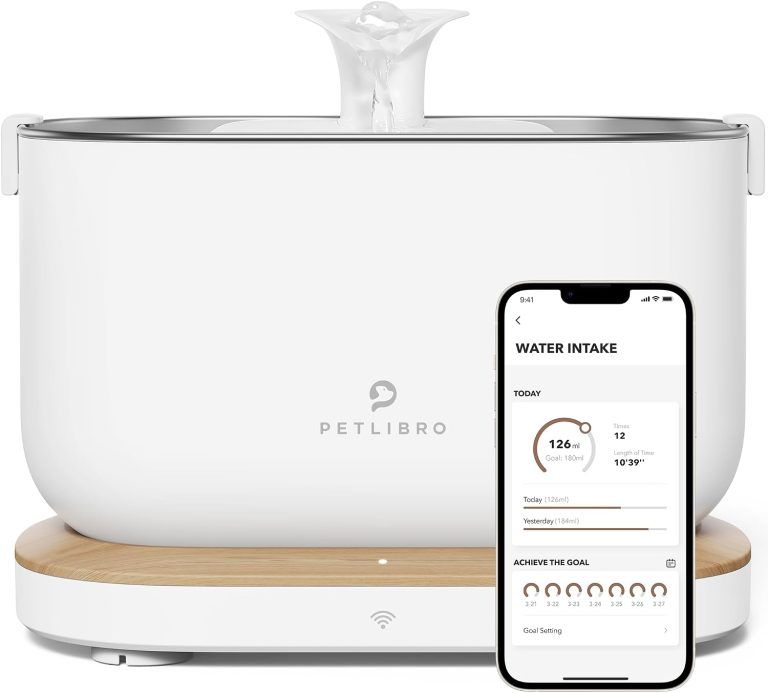
Smart fountains take the guesswork out of maintenance. They monitor water levels, filter life, and pump health. Then they send an alert to your phone when something needs attention.
We found these are great for forgetful owners. You won’t discover a dry fountain or a clogged pump by accident. The app tells you exactly when to act.
Some smart models also track your cat’s drinking habits. That data can help you notice health changes early. Many experts say a sudden drop in water intake can be an early sign of kidney or urinary issues (Cornell Feline Health Center).
How Often Do You Really Need to Clean a Self-Cleaning Fountain?
Let’s be real: no fountain is 100% maintenance-free. But the right model can cut your cleaning time by up to 80%. Here’s what to expect with a quality self-cleaning fountain.
| Task | Frequency | Time Needed |
|---|---|---|
| Quick wipe of the bowl | Every 3–4 days | 1–2 minutes |
| Rinse the pump | Weekly | 2 minutes |
| Deep clean all parts | Every 2–3 weeks | 5–10 minutes |
| Replace filter | Every 2–4 weeks | 1 minute |
| Replace UV bulb (if applicable) | Every 6–12 months | 2 minutes |
Compare that to a basic fountain. With a standard model, you’re doing a deep clean every 2 to 3 days. The pump gets slimy, the basin develops a film, and hair builds up in every crevice. A self-cleaning fountain is a massive upgrade in convenience.
Why Weekly Maintenance Still Matters
You might think self-cleaning means zero work. Not quite. Even the best fountains need a little love.
Here’s why a weekly rinse matters: your cat’s mouth introduces bacteria every time she drinks. No filter can catch everything. The electrolysis and UV systems reduce the bacterial load, but they don’t eliminate it entirely.
A quick weekly rinse takes about two minutes. That small effort keeps the system running efficiently. It also extends the life of your filters and pump.
Think of it like a dishwasher. You still scrape the plates before loading them. You don’t hand-wash everything, but you do a little prep. Same idea here.
Materials Matter: Stainless Steel vs. Plastic
This is one of the most important decisions you’ll make. The material of your fountain determines how clean it stays between deep cleans.
Why Stainless Steel Is the Clear Winner
Stainless steel is naturally antimicrobial. Bacteria struggle to cling to its smooth, non-porous surface.
Plastic, on the other hand, gets micro-scratches over time. Those tiny grooves become perfect hiding spots for bacteria and slime. No amount of scrubbing can fully get into those scratches.
We found that stainless steel also holds up better in the dishwasher. Plastic can warp or discolor with repeated high-heat cycles. Steel comes out looking brand new every time.
There’s one more benefit: stainless steel is less likely to cause feline acne. Some cats develop chin acne from plastic bowls due to bacteria buildup. Switching to steel often clears it up within weeks.
When Plastic Is Acceptable
Plastic fountains are cheaper, no doubt. They’re also lighter and less likely to break if dropped.
If you go with plastic, look for BPA-free, food-grade material. Choose a model with a smooth, glossy finish. Avoid textured surfaces or painted designs that can chip and peel.
Just know this: you’ll need to clean a plastic fountain more often. Plan on a deep clean every week instead of every two to three weeks.
Our Checklist Before You Buy
We want you to make the right choice the first time. Use this quick checklist when comparing models online or in the store.
- Does it have a removable stainless steel bowl?
- Are the parts dishwasher-safe?
- Does it use UV-C, electrolysis, or both?
- Is the pump easy to access without tools?
- Are replacement filters and bulbs easy to find?
- Is the water capacity large enough for your cat’s daily needs?
A fountain that ticks all six boxes will be a joy to own. One that misses more than two will turn into the chore you were trying to avoid.
Do Cats Actually Like These Fountains?
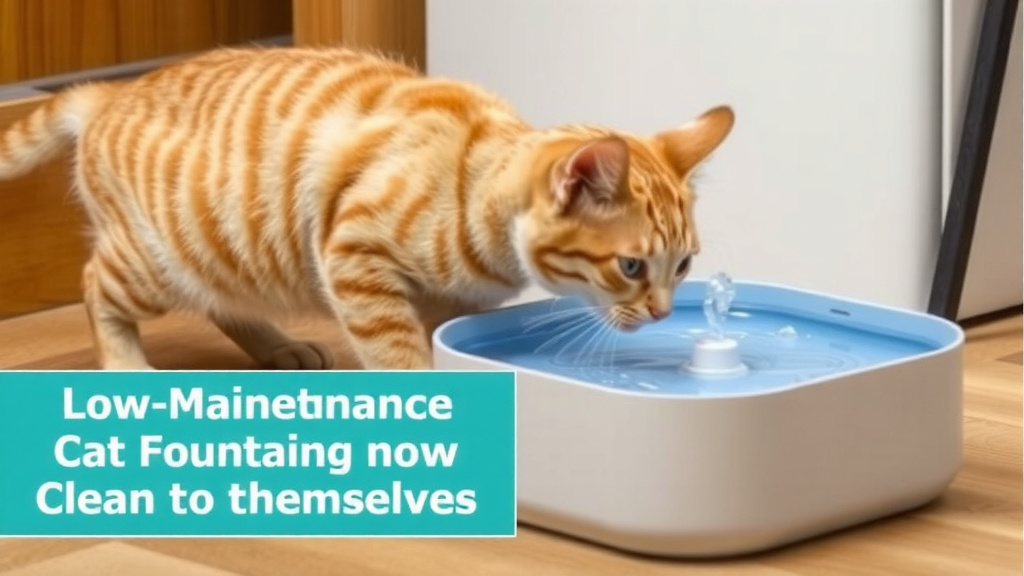
Here’s the honest truth: some cats are picky. They might prefer a still water bowl or a specific style of fountain.
That said, most cats do prefer moving water. It’s fresher and more oxygenated. The sound of running water also triggers a natural instinct that the water is safe to drink.
One tip we found helpful: introduce the fountain slowly. Place it next to their current water bowl for a few days. Let them get used to the sound and movement. Most cats switch over within a week.
What About the Noise?
Some self-cleaning fountains hum or make a gentle gurgling sound. If your cat is skittish, that might be a deterrent.
Look for models with a quiet pump rating under 30 decibels. That’s about the sound of a whisper. Many newer models are nearly silent, especially those designed for bedrooms or offices.
We also suggest placing the fountain on a soft mat. That absorbs vibrations and reduces the hum further.
Running Costs You Should Plan For
Self-cleaning fountains cost more upfront. But the ongoing costs are pretty modest.
- Replacement filters: $5 to $10 every 3 to 4 weeks.
- UV bulbs (if applicable): $10 to $15 every 6 to 12 months.
- Electricity: Most units draw less than 5 watts. That’s around $5 per year.
Compare that to the cost of bottled water or replacing cheap plastic fountains every six months. The self-cleaning option often pays for itself in convenience alone.
The Bottom Line on Low-Maintenance Fountains
A cat water fountain you don’t have to clean is absolutely within reach. Just pick the right design and set realistic expectations.
Choose stainless steel with dishwasher-safe parts. Go for UV-C or electrolysis technology. And accept that a two-minute weekly rinse is part of responsible pet ownership.
Your cat gets fresh, moving water every day. You get your weekends back. That’s a trade worth making.
Conclusion
You really can find a cat water fountain you don’t have to clean obsessively. The secret is picking stainless steel, dishwasher-safe parts, and a model with UV-C or electrolysis tech. That combo cuts your scrubbing down to a quick weekly rinse and a deeper clean every few weeks.
You’re not being lazy by wanting this. You’re being smart with your time. A clean fountain means your cat drinks more, and that’s better for her health. You get fresh water without the weekend chore.
Your next step is simple. Check the six-point checklist we gave you, pick a model that checks all the boxes, and start with a weekly rinse routine. Your cat gets better water, and you get your time back. That’s a win for both of you.
Frequently Asked Questions
Can I leave a self-cleaning cat fountain while on vacation?
You can leave it for a weekend, but not for a full week. The water reservoir will run low, and filters still get dirty. Ask a pet sitter to top off the water and rinse the bowl every few days.
Do self-cleaning fountains work for cats with chin acne?
Yes, especially if you pick a stainless steel model. Steel resists bacteria that cause feline acne. Plastic fountains trap germs in micro-scratches, which can make breakouts worse.
Will the UV light in a cat fountain hurt my cat’s eyes?
No, the UV bulb is enclosed inside the water chamber. The light doesn’t shine outward where your cat can see it. It only treats the water as it flows through the unit.
How long do self-cleaning cat fountains last before needing replacement?
Most quality models last three to five years with proper care. Replace the pump every 12 to 18 months, and change filters on schedule. The stainless steel basin will last much longer than plastic ones.
Are self-cleaning fountains worth the higher price tag?
Yes, if you value your time. You’ll pay $50 to $100 more upfront than a basic fountain. But you’ll save hours of scrubbing each month, and the stainless steel build lasts years longer than cheap plastic models.