How to Clean a Water Fountain: Step-by-Step Guide
The easiest way to clean a water fountain is to unplug it, empty the water, and wash every part with mild dish soap and warm water. You should do this every two to four weeks to keep the water fresh and prevent slimy buildup. This simple routine stops algae, mold, and mineral scale from taking over your fountain.
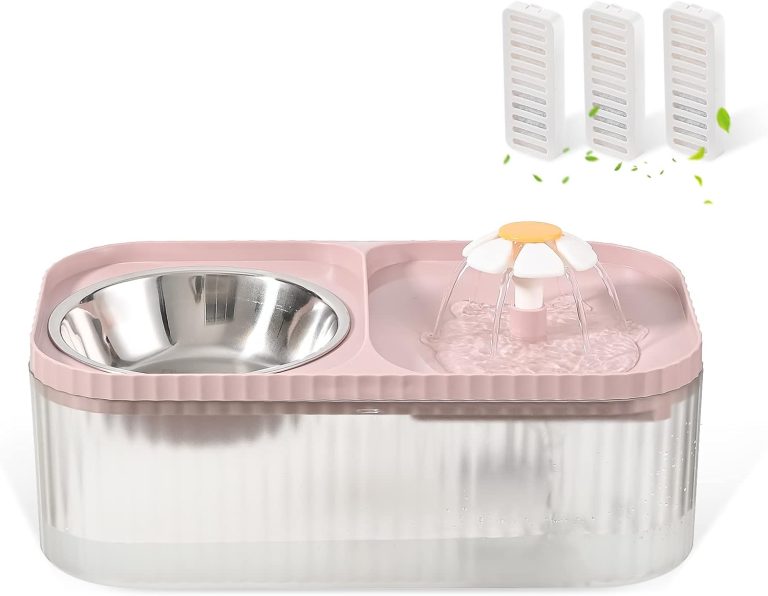
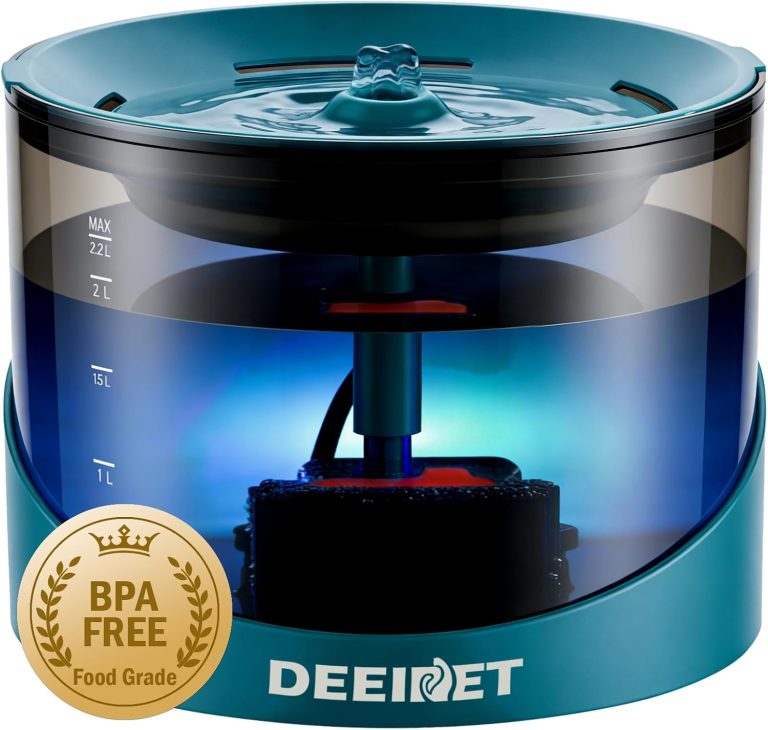
Regular cleaning keeps your fountain safe and looking its best. We found that pet fountains and indoor tabletop fountains collect dust and bacteria quickly, even if the water looks clear. If you skip the scrubbing, you might notice a slippery film or a funny smell coming from the pump. The good news is you don’t need fancy chemicals or special tools to get the job done right.
- Unplug first and fully disassemble the fountain into its separate parts, including the pump.
- Use mild dish soap and a soft brush to scrub away scale and algae from every surface.
- Soak the pump in clean water with a little vinegar or lemon juice to break down hard water minerals.
- Rinse every part thoroughly with clean running water so no soap residue remains.
- Dry everything completely before reassembling to prevent water spots and bacterial growth.
Below, we break down the complete cleaning process step by step, including the best way to tackle stubborn mineral deposits. Let’s walk through exactly how to get your water fountain sparkling clean and ready to go.
Why Your Water Fountain Needs Regular Scrubbing
Your fountain looks clean on the outside, but looks can be deceiving. We found that most fountains hide a slimy film on the inside within days of use. That film is a mix of bacteria, dust, and mineral scale from your tap water.
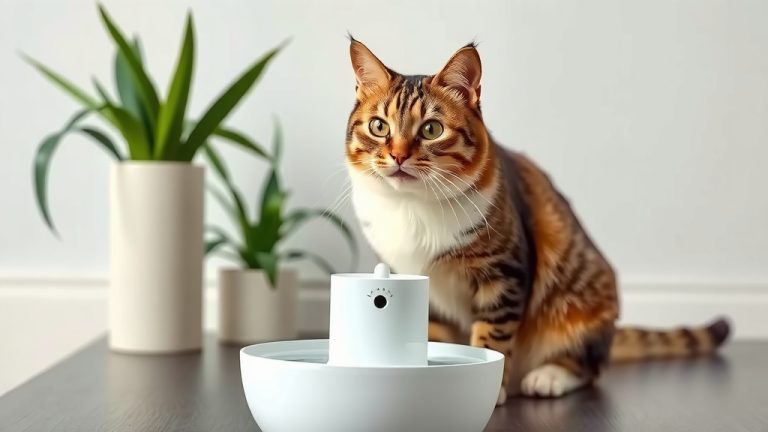
Pet fountains are especially tricky. Your furry friend drinks from it daily, and their saliva adds organic matter to the water. If you let that sit, you are basically brewing a science experiment instead of fresh drinking water. Regular cleaning keeps you and your pets safe.
Even indoor tabletop fountains without pets need attention. They pull dust from the air constantly. The moving water creates a perfect breeding ground for algae, especially if the fountain sits near a sunny window. Most manufacturers recommend cleaning every two to four weeks (Mayo Clinic guidelines on water hygiene).
Health Risks of a Neglected Fountain
You might think a little slime is harmless. It is not. Research from the National Institutes of Health shows that biofilms in water features can harbor harmful bacteria. These include strains that may cause stomach upset or respiratory irritation.
Hard water scale is another issue. It builds up in the pump, making it work harder. A strained pump moves less water, which means less filtration. Your fountain becomes a stagnant pond instead of a fresh spring. That is when you notice the funky odor and cloudy water.
The good news is that you can stop this cycle easily. A consistent cleaning routine takes about 20 minutes. That is less time than scrolling through social media, and the payoff is a fresh, healthy fountain.
Gathering Your Cleaning Kit Before You Start
Before you touch your fountain, collect everything you need. We found that running back and forth for tools wastes energy and breaks your focus. Keep your kit simple and use items you already have at home.
- Mild liquid dish soap (free of dyes and heavy fragrances)
- Soft-bristled brush or clean toothbrush
- Cotton swabs for tiny crevices
- White vinegar or fresh lemon juice
- Clean microfiber cloths, paper towels
Avoid harsh cleaners like bleach or ammonia. These chemicals leave toxic residue that can harm pets and humans. Many experts say that heat, soap, and mechanical scrubbing do the job safely. No need for aggressive commercial descalers unless you have very hard water.
If you use a brush, make sure it is dedicated to the fountain only. Do not use the same brush you scrub the toilet with. That should go without saying, but we will say it anyway. Keep your cleaning supplies separate.
Choosing the Right Cleaning Solution
Mild dish soap works best for general grime. It breaks down oils, saliva, and dirt without damaging plastic or ceramic surfaces. We found that the clear, unscented kind rinses off easier and leaves no film.
For mineral scale, vinegar is your friend. It is a weak acid that dissolves calcium and magnesium deposits. Lemon juice works just as well and smells nicer. If you hate the vinegar smell, rinse the fountain thoroughly and let it air out. The scent always disappears after a good rinse.
Do not use baking soda on stone fountains. It is abrasive and can scratch the finish. Skip it entirely. Simple liquid soap and a soft brush are gentle enough for any surface.
Cleaning Your Water Fountain Step by Step
Now let us walk through the actual process. We recommend following this order every time. It prevents cross-contamination and ensures you do not forget any hidden spots. The whole routine takes 20 to 30 minutes, depending on how dirty your fountain is.
Step One: Unplug and Disassemble
Safety first. Unplug the fountain from the wall outlet before you even think about touching it. Water and electricity mix badly, so do not skip this. We found that draining the water first makes handling each part much easier.
Carefully lift out the pump and any filter cartridges. Set the filter aside for now. You will need to replace it if it is worn out. Then, pull the fountain apart into its separate pieces. Every manufacturer designs theirs differently, so check your manual if you are unsure.
Step Two: Scrub Every Surface
Fill your sink or a large basin with warm water and a few drops of dish soap. Place all the fountain parts in the soapy water. Let them soak for a few minutes to loosen the gunk. Then, use your soft brush to scrub inside seams and corners.
Pay extra attention to the basin bottom and the water spout. These are hotspots for biofilm buildup. We found that a cotton swab works wonders for the pump chambers and water tubes. It gets into the nooks where brushes cannot reach.
Step Three: Clean the Pump Thoroughly
The pump is the heart of your fountain. If it clogs, everything stops working. Carefully open the pump housing if it detaches. Inside, you will find a small impeller and a magnet. These parts collect hair, dust, and mineral crust.
Use your soft brush to gently scrub these components. Do not pull on the wires or submerge the entire pump in soapy water if it has a non-detachable cord. Instead, wipe the exterior with a damp cloth and clean only the wet-side parts. Check the manufacturer instructions for guidance.
Safely Handling the Pump Gasket
The small rubber gasket inside the pump seals the chamber. It prevents leaks and keeps water flowing correctly. We recommend inspecting it each time you clean. If it looks cracked or stretched out, buy a replacement. A worn gasket causes weak water flow and rattling noises.
Step Four: Tackle Stubborn Mineral Scale
If you see white, chalky deposits on your fountain, soap alone will not remove them. You need an acid. Fill a basin with three parts water and one part white vinegar. Soak the affected parts for 30 minutes to an hour. For extreme buildup, use full-strength vinegar.
We found that a light scrub with a toothbrush after the vinegar soak removes almost everything. The fizzing action you see means the acid is releasing the minerals. Rinse everything thoroughly afterward so no vinegar taste remains.
The Best Way to Clean a Fountain Filter
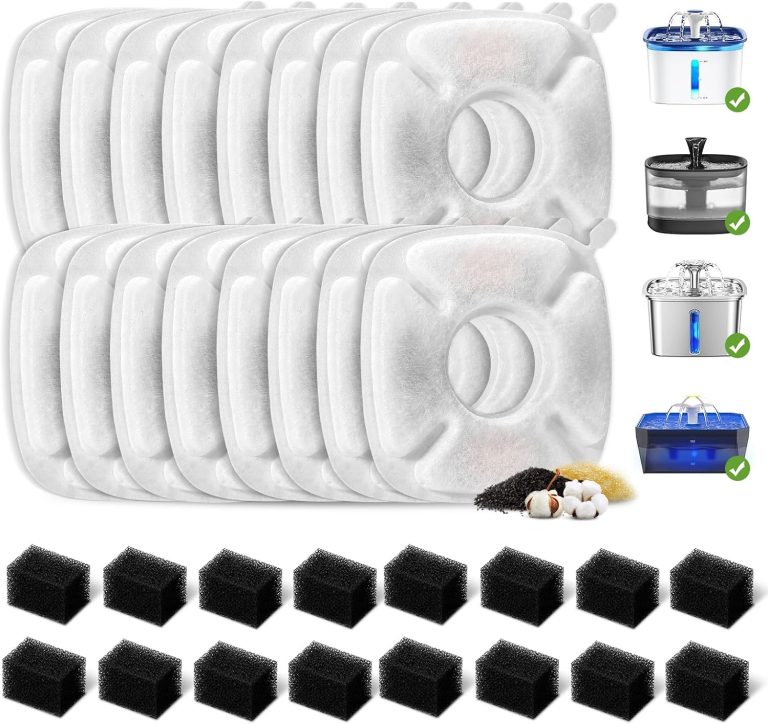
Filter replacement varies by brand and type. Some filters are made of foam, while others contain carbon pellets or ion exchange resin. Foam filters are washable. Rinse them under running water and squeeze out the grime. They last for a few months before you toss them.
Carbon filters capture odors, tannins, and impurities. Over time, they stop working. Many brands recommend replacing carbon filters every two to four weeks. Do not wait until the water smells bad. The filter is your line of defense.
Check the packaging for the recommended replacement schedule. Set a reminder on your phone if you forget. A quick visual check helps too. If the filter looks brown and saturated, it is time for a new one.
Rinsing, Drying, and Putting It All Back Together
Do not rush the rinse step. Soap residue is a major reason fountains smell bad. Rinse each part under cool, running water for at least 30 seconds. Rub the surfaces with your fingers as you rinse to catch any remaining film.
After rinsing, shake off excess water and place the parts on a clean towel. Let them air dry fully for 20 minutes or pat them dry with paper towels. We found that drying is essential. Water spots and lingering moisture create a perfect environment for bacteria to regrow.
Once everything is dry, reassemble the fountain. Put the pump back in its slot. Insert your clean or new filter. Fill the basin with fresh water. Then, plug it in and let it run for a few minutes. Check for leaks and verify the water flow looks strong.
How Often Should You Actually Clean It?
The short answer is every two weeks for most fountains. We found that pet fountains need more frequent attention since animals add organic material quickly. If you notice a film or smell before the two-week mark, clean it sooner.
Tabletop fountains in dusty rooms may also need extra care. The same goes for fountains positioned in direct sunlight. Sunlight accelerates algae growth. Adjust your schedule based on your environment, not just the calendar.
Here is a quick reference table to guide you.
| Fountain Type | Cleaning Frequency | Filter Replacement |
|---|---|---|
| Indoor tabletop | Every 2 to 4 weeks | Monthly |
| Pet fountain | Every 1 to 2 weeks | Every 2 to 4 weeks |
| Outdoor stone | Monthly | N/A |
| Large commercial-style | Weekly in high traffic | Check manual |
Your fountain’s manual may have specific recommendations. When in doubt, follow the manufacturer. Their engineers know the parts and materials best.
Simple Checklist for Your Next Fountain Cleaning
Print this checklist or keep it on your phone. We found that a step-by-step list removes all guesswork. It keeps your cleaning fast and thorough.
- Unplug the fountain from the outlet
- Drain the old water completely
- Disassemble all removable parts and remove the filter
- Scrub each piece with mild soapy water and a soft brush
- Soak the pump and scale-covered parts in vinegar if needed
- Rinse, dry completely, reassemble, and refill with fresh water
Stick to this routine, and your fountain will reward you. You will get crystal-clear water, a quiet pump, and no weird smells. That is a small win for a little bit of effort. Your fountain, your pets, and your guests will all thank you.
Conclusion
Keeping your water fountain clean is a small habit with big payoffs. You do not need strong chemicals or expensive tools. Just mild soap, warm water, a soft brush, and about 20 minutes of your time every couple of weeks.
Stay consistent with the routine you learned here. Clean the pump, scrub the hidden corners, and replace the filter on time. Your reward is fresh, safe water and a fountain that runs smoothly for years.
We suggest you start right now. Take a quick look at your fountain. If you notice any slime, scale, or a funny smell, grab your cleaning kit and tackle it today. Your fountain will thank you.
Frequently Asked Questions
Can I use bleach to clean my water fountain?
No, you should never use bleach or ammonia-based cleaners on a water fountain. These harsh chemicals leave behind toxic residue that can harm your pets or family. Stick with mild dish soap and white vinegar for deep cleaning. They are safe, effective, and rinse away completely.
Why does my fountain water turn green so fast?
That green color comes from algae growth. Algae thrives when your fountain sits in direct sunlight or warm areas. Moving water also pulls in airborne dust and spores, which feed the algae. We found that cleaning your fountain every one to two weeks and keeping it out of direct sunlight reduces green water significantly.
Should I leave my water fountain running all the time?
You can run most indoor fountains 24/7, but it does affect how often you clean them. Constant running keeps water moving, which helps prevent bacteria from settling. However, the moving water also evaporates faster and leaves behind more mineral scale. We recommend running it daily and turning it off at night to extend cleaning intervals.
Can I put my fountain parts in the dishwasher?
Check your manufacturer’s manual first. Many plastic parts are not dishwasher-safe. The high heat can warp the plastic or damage the pump components. Hand washing with warm, soapy water is always the safest option. It takes only a few extra minutes and protects your fountain’s moving parts.
Why does my fountain pump make a loud buzzing noise?
A buzzing pump usually means something is blocking the impeller. Hair, dust, and mineral crust can jam the small spinning blade inside. We found that a quick clean-out of the pump chamber fixes the problem right away. If it still buzzes after cleaning, the gasket may be worn and need replacement.