Cat Water Fountain Buying Guide for 2026
Yes, you should buy a cat water fountain if your cat doesn’t drink enough from a bowl, because moving water triggers their natural instinct to drink more. A good cat water fountain keeps water fresh, filtered, and flowing, which encourages better hydration and helps prevent kidney and urinary issues. In short, it’s one of the best health upgrades you can give your cat.
But not all fountains are created equal. We researched dozens of models and found that material, noise level, and ease of cleaning matter more than fancy features. A cheap fountain that’s hard to take apart will sit in your closet after a week. Your cat’s drinking habits and your cleaning routine should drive your choice, not just the price tag or how cool it looks.
- Material matters most: Stainless steel is the safest and easiest to clean, followed by ceramic. Plastic can cause cat acne.
- Noise is a dealbreaker: Look for a pump that runs below 40 decibels. You and your cat both need your sleep.
- Cleaning is everything: Pick a fountain you can fully disassemble. A 30-minute scrub session twice a week is the norm.
- Filter costs add up: Budget for replacement filters every 2 to 4 weeks. That’s the real price of the fountain.
- Match the size to your cat: A 50-ounce tank suits one cat. Multi-cat homes need 80 ounces or more to avoid constant refills.
Below, we walk you through every factor that actually matters, and we’ll help you match the right fountain to your cat’s personality and your lifestyle. Let’s make sure you buy the right one the first time.
Choosing the Right Cat Water Fountain for Your Feline Friend
Picking a fountain isn’t about grabbing the flashiest model on the shelf. It’s about matching the design to your cat’s habits and your own patience for upkeep. We found that breaking the decision down into a few key categories makes the whole process painless.
Why Material Should Be Your First Filter
The material of the fountain touches your cat’s whiskers and skin every single day. It also determines how much elbow grease you’ll need for cleaning. We found that stainless steel and ceramic are the top choices for most households, but each has a trade-off.
Stainless Steel: The Safe and Sterile Option
Stainless steel is the gold standard in veterinary clinics for a reason. It’s non-porous, which means bacteria have a hard time finding a home. It’s also dishwasher-safe, which makes your weekly scrub-down a breeze. Many experts say stainless steel is the best choice for cats prone to chin acne, a common reaction to plastic surfaces. The downside? It shows water spots and paw prints more easily than other materials. You’ll be wiping it down more often if you care about appearances.
Ceramic: Heavy, Pretty, and Cat-Friendly
Ceramic fountains look great on a kitchen floor and they stay put, thanks to their weight. They are also resistant to scratches, so bacteria don’t get trapped in tiny grooves. We found that ceramic is a solid middle ground if you want something nicer than plastic but don’t want the metallic look. Just be careful—ceramic can chip or crack if you drop it, and those chips become bacteria magnets. Handle it with care during cleaning.
Plastic: Cheap, But Use with Caution
Plastic fountains are everywhere because they’re affordable. They also tend to be lighter, which can be handy if you travel. However, the research and found data is clear: plastic scratches easily, and those scratches hold onto grime and bacteria. Many cats also develop feline acne from contact with plastic. If you choose plastic, you must be diligent about replacing it every six months. We usually steer people toward metal or ceramic for daily use.
Noise Levels: The Hidden Dealbreaker
You might not think about pump noise until 3 a.m., when your new fountain sounds like a babbling brook in your bedroom. A quiet pump is non-negotiable for most cats, too. A loud motor can scare them away from the water entirely. Look for a fountain that operates below 40 decibels, which is about the volume of a quiet library.
We found that most decent pumps fall in the 30-to-40-decibel range. If a product listing doesn’t mention noise, check the reviews for complaints about humming or gurgling. You can also buy foam pads to sit under the fountain to dampen vibration. A silent fountain keeps everyone happy and hydrated.
Cleaning and Maintenance: The Real Test of Commitment
Here’s the honest truth: a fountain is only as good as your willingness to clean it. We found that fountains that are hard to disassemble end up in the trash. You will need to rinse the pump, wipe the basin, and swap filters regularly. If that sounds like a chore, pick a model with fewer nooks and crannies.
Look for Full Disassembly
Before you buy, look at the parts list. Can you take apart the motor housing? Does the basin have rounded corners? Can the pump be pulled apart in three pieces? We found that fountains with a single, open basin are the easiest to maintain. Fountains with multiple tiers or complex water paths look cool, but they hide gunk in hard-to-reach spots.
Your cleaning routine will be simple: every two to three days, top off the water. Once a week, take it all apart, rinse the pump, and wash the basin with mild soap. Stay away from harsh chemicals that could leave a residue your cat will taste.
The True Cost of Filter Replacements
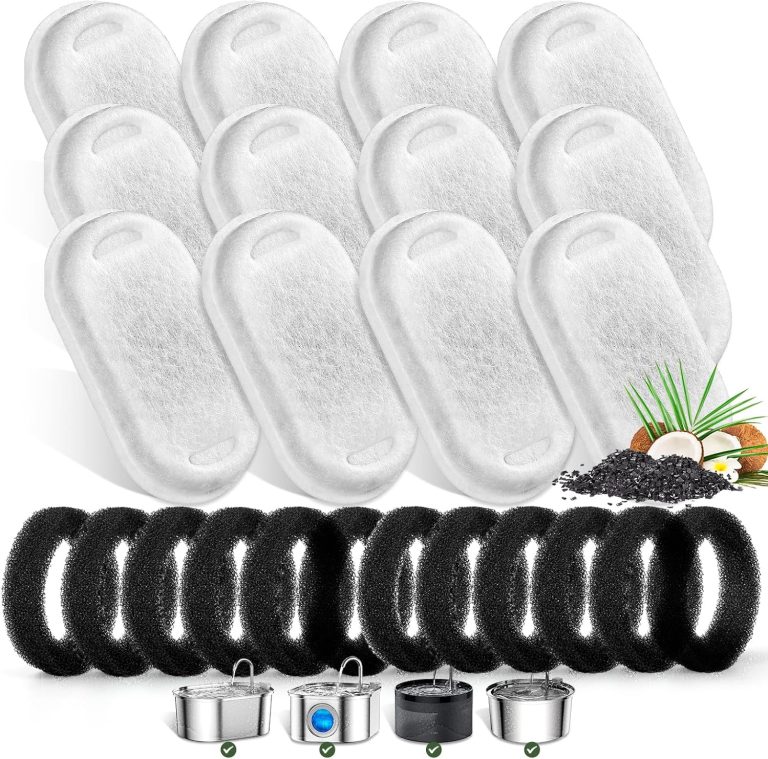
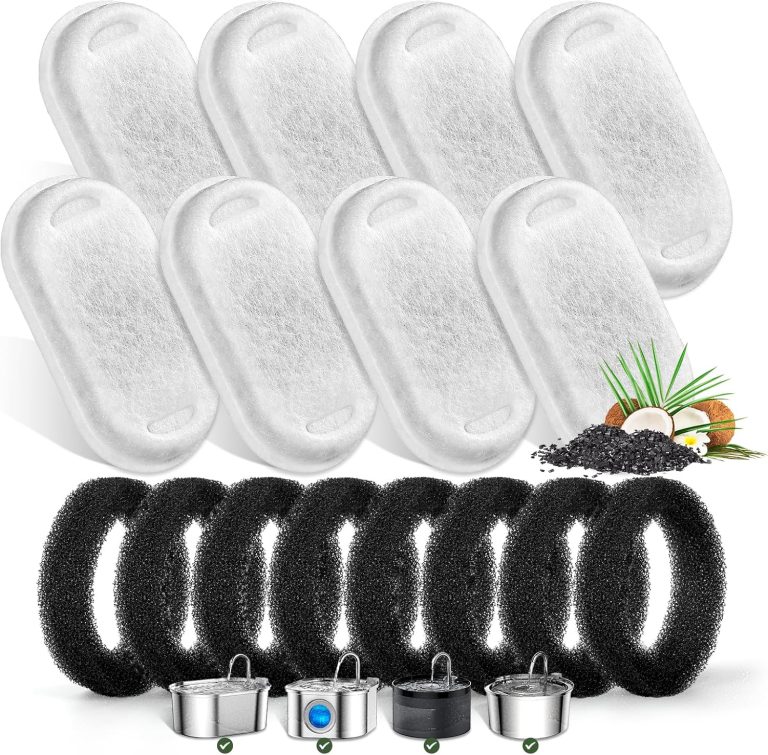
The sticker price on the box is only the beginning. Replacement filters cost anywhere from $5 to $15 each, and you’ll swap them out every two to four weeks. Over a year, that adds up fast. We found that filter costs can exceed the price of the fountain itself within six months.
- Charcoal filters: Remove odors and improve taste. The most common type.
- Foam filters: Catch hair and larger debris. Usually cheaper but less effective on chemicals.
- Ion-exchange resins: Soften hard water and reduce scale buildup. Good for mineral-heavy tap water.
Do the math before you commit. A $25 fountain with pricey filters might cost you more than a $60 fountain with cheap ones.
Capacity: Match the Tank to Your Household
Water capacity isn’t just about how often you refill. It’s about keeping the water fresh enough for your cat to enjoy. A tiny tank means more frequent top-offs, which is fine for a single cat. Multi-cat homes need bigger reservoirs to keep up with demand.
Sizing Guidelines That Work
We found that a good rule of thumb is simple: one cat needs at least 50 ounces of water capacity. That’s about 1.5 liters, which lasts a few days with regular drinking. For two cats, bump that up to 80 ounces. For three or more, look for anything above 100 ounces.
There’s also the floor-space factor. A huge fountain might not fit in your laundry room corner. Measure your space before you order. And if you have a kitten or a senior cat, consider a lower basin height so they can reach the water without straining their necks.
Flow Types and Cat Preferences
Cats are picky, and their drinking preferences vary widely. We found that most cats fall into one of two camps: they like a gentle stream or they like a still, pool-like surface. Knowing your cat’s style helps you pick the right flow design.
Falling Stream Fountains
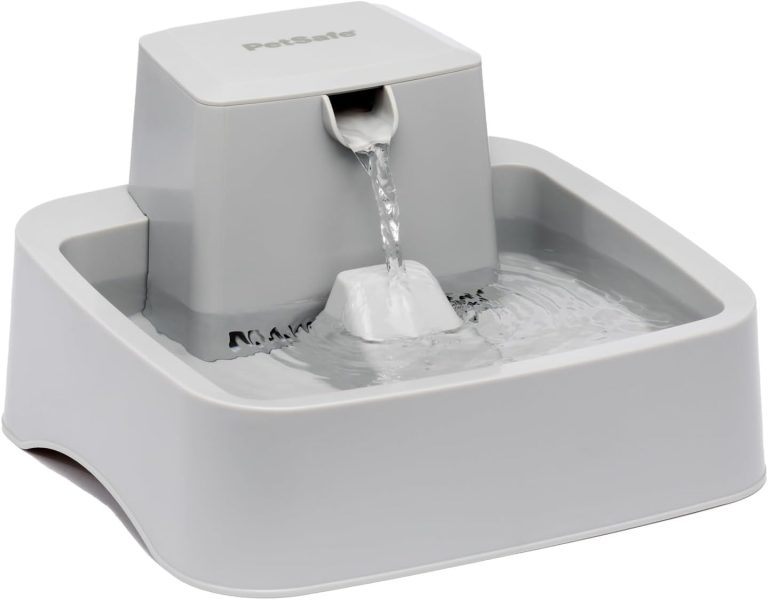
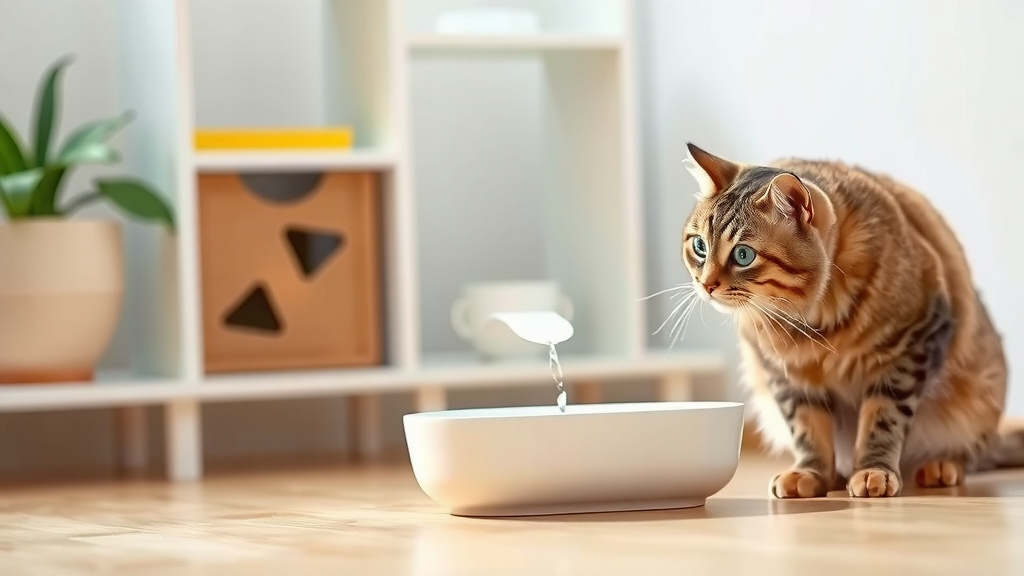
These are the classic fountains with a vertical spout. The water arcs down into a basin, creating that mesmerizing trickle. Many cats love to watch the movement and will paw at the stream before drinking. This type also keeps the water oxygenated, which improves taste. The downside is a bit more splashing, so keep an eye on the water level.
Flower or Bubble Fountains
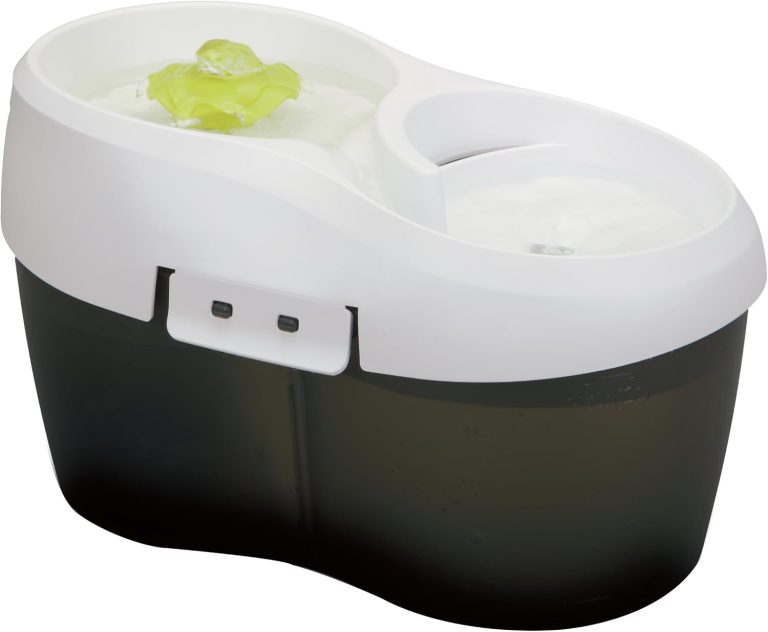
These push water up through a central stem that spreads out like a flower or mushroom. The water runs over the top and back into the basin. The surface is more shallow, which appeals to cats who don’t like getting their whiskers wet. We found that these are also quieter, since there’s less of a splashing impact. They’re a great pick for fussy drinkers.
Multiple Drinking Zones
Some fountains offer both a stream and a still pool. This is the safest bet if you’re unsure what your cat will like. It gives them options, and research and found that choice encourages more frequent drinking. Multi-level fountains also provide variety, but they come with the cleaning challenges we mentioned earlier.
Power, Safety, and Everyday Use
Nobody thinks about the pump until it fails. Look for a pump that is submersible and rated for continuous use. A good pump should run 24/7 for at least a year without issues. Check if the pump is easy to replace. A fountain with a proprietary, hard-to-find pump is a trap.
Cord Management and Low-Water Shutoff
Chewing on cords is a real danger, especially with kittens. Look for a fountain with a cord protector or a channel to tuck the wire away. Some models have a low-water auto shutoff, which saves the pump from burning out if the tank runs dry. This feature alone can add months to your fountain’s life.
Also, check the power adapter. You want a model that uses a standard low-voltage adapter, which is safer around water. A grounded plug is a plus, but not always necessary for small pumps.
Quick Checklist Before You Click Buy
We’ve covered a lot, so here’s a quick rundown to keep you on track. Print this out, or just keep it in your head while you browse.
- Material: Choose stainless steel or ceramic over plastic.
- Noise: Stick to pumps under 40 decibels.
- Disassembly: Make sure you can fully take it apart for cleaning.
- Filter cost: Calculate the yearly cost of replacements.
- Capacity: Match the tank size to your number of cats.
- Flow type: Pick a stream or pool design based on your cat’s habits.
If you check off all six, you’re getting a solid machine. If you skip one, you might be back shopping in a few months. We found that buyers who follow this list are happier with their purchase, and their cats drink more water. That’s the whole goal, right?
Comparing Popular Fountain Types
If you’re still torn between a few options, this simple comparison table can help you weigh the trade-offs at a glance. Use it as a tie-breaker.
| Feature | Stainless Steel | Ceramic | Plastic |
|---|---|---|---|
| Durability | High, scratch-resistant | High, but can chip | Low, scratches easily |
| Cleaning Effort | Easy, dishwasher-safe | Easy, but handle carefully | Harder, needs frequent replacement |
| Cat Safety | Best, no acne risk | Great, also safe | Risk of feline acne |
| Weight | Medium | Heavy, stays put | Light, can tip over |
| Typical Cost | Higher | Medium to high | Low |
Keep in mind that price varies within each category. A high-end plastic fountain can cost as much as a basic stainless steel one. In our experience, the extra few dollars for metal are worth it for the longevity and health benefits.
Setting Up Your New Fountain for Success
You bought the fountain, now what? Don’t just plug it in and walk away. We found that the first 48 hours are critical for getting your cat to accept the new water source.
Placement and Transition Tips
Place the fountain in a quiet corner, away from their litter box and food dishes. Cats don’t like to drink where they eat. Keep their old water bowl out for a few days as a backup. Some cats are suspicious of new things and need time to investigate. You can even wipe the basin with a cloth that smells like them to make it feel familiar.
Run the fountain for a day before you introduce it to your cat. This lets any plastic or manufacturing smells dissipate. Rinse all parts thoroughly with warm water first. And if your cat is still hesitant, try using a flavored water additive to make the fountain more appealing. Many guidelines point to gradual introduction as the best method for picky cats (ASPCA).
Watch the Water Level
Check the tank daily for the first week. New pumps sometimes push water out faster than expected, or the float valve might be miscalibrated. Keep the water level above the pump’s minimum line at all times. A dry pump burns out quickly, and replacing one is a hassle you can avoid with a simple daily glance.
Once you get into a rhythm, your fountain will become a seamless part of your home. Your cat stays hydrated, your vet bills stay lower, and you avoid the guilt of watching them drink from a dusty bowl. It’s a small change with a big payoff.
Conclusion
You now have everything you need to pick a fountain your cat will actually use. Stick to stainless steel or ceramic, keep the noise under 40 decibels, and make sure you can take the whole thing apart for cleaning. Don’t forget to budget for filters and match the tank size to your household.
The best fountain is the one that fits your cleaning routine and your cat’s drinking style. Start with the six-point checklist we gave you and compare a few models side by side. Your cat’s hydration depends on your decision today. Pick a quality fountain, set it up in a quiet spot, and you’ll both enjoy the payoff for years.
Frequently Asked Questions
How often should I change the filter in my cat water fountain?
Most manufacturers recommend swapping the filter every two to four weeks. If you have hard water or multiple cats, you’ll lean closer to the two-week mark. Mark it on your calendar so you don’t forget.
Can I use tap water in my cat’s fountain?
Yes, tap water is fine for most cats. The fountain’s filter will remove chlorine and improve the taste. If your tap water is very hard, consider using filtered water to reduce scale buildup on the pump.
Why won’t my cat drink from the new fountain?
Cats are creatures of habit and some need time to accept new things. Keep their old bowl out for a few days and place the fountain in a quiet spot away from their food. Try running it for a day first so the smell fades.
Is a cat water fountain worth the money?
It is worth it if your cat doesn’t drink enough from a bowl. Better hydration lowers the risk of kidney disease and urinary tract issues. The fountain pays for itself in avoided vet bills over time.
Can I put a cat water fountain on carpet?
You can, but you should place a waterproof mat underneath it first. Splashes and drips can soak into the carpet and cause mold. A mat also catches spills when your cat paws at the water stream.