How to Clean a Pet Water Fountain Step by Step
The easiest way to clean a pet water fountain is to take it apart and wash every piece with warm water and mild dish soap. You should do this at least once a week to keep the water fresh and the pump running smoothly. Cleaning your pet’s fountain regularly stops slimy biofilm, fur, and food debris from building up.
We found that a dirty fountain can harbor bacteria that makes your cat or dog turn up their nose at drinking. This can lead to dehydration, which is a real health risk for pets. Many experts say that a quick weekly rinse isn’t enough; you also need to deep-clean the pump and any hard-to-reach corners.
- Unplug the fountain and take it fully apart before cleaning.
- Wash all plastic parts with hot, soapy water; skip the dishwasher for most models.
- Use a cotton swab or old toothbrush to scrub the pump impeller and housing.
- Soak parts in a vinegar-water solution to break down stubborn scale and slime.
- Rinse everything thoroughly and reassemble with fresh, filtered water.
Below, we break down the exact step-by-step process you need to keep your pet’s fountain sparkling clean and their water flowing. Let’s walk through the simple routine that takes just a few minutes and saves you from dealing with a gross, slimy mess.
Cleaning Your Pet Water Fountain Step by Step
You do not need fancy products to get a sparkling fountain. Warm water, mild dish soap, and a few minutes of your time are enough. We found that sticking to a simple routine keeps the motor quiet and your pet happily hydrated.
Why Regular Cleaning Matters More Than You Think
Your pet drinks from this fountain every single day. A dirty bowl collects saliva, fur, and dust. That mix turns into a slimy film called biofilm. Research shows that biofilm can harbor harmful bacteria like E. coli and Salmonella (National Institutes of Health).
Pets have a sharp sense of smell. If the water tastes or smells off, they will refuse to drink. We found that dehydration is one of the top reasons pets end up at the vet. Clean water is not a luxury. It is a basic health need.
What Happens When You Skip a Week
We get it. Life gets busy. But skipping one week can lead to a clogged pump. A clogged pump makes a loud grinding noise. It also stops moving water, which defeats the whole purpose of the fountain.
Algae can also grow if the fountain sits in a sunny spot. Algae makes the water green and slippery. It is gross to look at and even worse for your pet to drink. A quick weekly clean prevents all of these issues.
Signs Your Fountain Is Overdue for a Deep Clean
- The water looks cloudy even after you refill it.
- You notice a slippery film on the plastic surfaces.
- The pump makes a rattling or buzzing sound.
- You can see fur or debris stuck in the pump intake.
- The water has a musty or sour smell.
If any of these sound familiar, it is time to roll up your sleeves. Your pet will thank you with more enthusiastic drinking.
Gathering Your Cleaning Supplies
You probably have everything you need already at home. We recommend keeping a dedicated brush just for the fountain. Using the kitchen sponge that touches raw meat is not a great idea.
| Supply | Why You Need It |
|---|---|
| Mild dish soap | Breaks down oils and grime without harsh chemicals |
| Soft sponge or cloth | Wipes down large surfaces without scratching |
| Old toothbrush | Scrubs tiny pump parts and crevices |
| Cotton swabs | Reaches narrow slots and corners |
| White vinegar | Dissolves mineral scale and kills bacteria naturally |
| Fresh filtered water | Refills the fountain without adding new gunk |
Skip the bleach and harsh chemical cleaners. They can leave toxic residue behind. Your pet drinks from this fountain, so you want everything food-safe.
Step-by-Step Deep Clean Routine
Set aside about fifteen minutes for this. Most of the time is spent soaking, so it is not a huge chore. We broke it down into simple, manageable steps that anyone can follow.
Step 1: Unplug and Disassemble
Safety first. Unplug the fountain from the wall before you touch anything. Never put the electrical cord in water. That is a shock hazard, and it can ruin the motor for good.
Take the fountain apart completely. Remove the lid, the reservoir, the pump, and any filters. Check your manual if you are unsure about any pieces. Every nook and cranny needs a good scrub, so do not leave anything connected.
Step 2: Rinse Off Loose Debris
Hold each piece under warm running water. This washes away the loose fur and food particles. You do not need soap for this first pass. Just let the water do the heavy lifting.
We found that a lot of gunk hides in the pump’s intake holes. Use your fingers to gently rub them clean under the tap. This simple step makes the soapy wash much more effective.
Step 3: Wash With Warm, Soapy Water
Fill your sink with warm water and add a few drops of mild dish soap. Use a brand without strong dyes or fragrances. Your pet’s nose is much more sensitive than yours.
Wash every plastic piece with your soft sponge. Pay special attention to the water basin and the lid. These areas collect the most slime. Rinse each piece thoroughly under clean running water. Soap residue can upset your pet’s stomach.
Scrubbing the Pump Motor Housing
The pump is the heart of the fountain. If it stops working, the whole thing is useless. Use your old toothbrush to scrub the outside of the pump housing. Focus on the intake holes where fur tends to wrap around.
Dip the toothbrush in the soapy water and scrub in small circles. You will see grime lift off the surface. It is oddly satisfying. Just make sure you do not dunk the pump’s electrical plug in the water.
Cleaning the Pump Impeller
The impeller is a small magnetic piece that spins to push water. It sits inside the pump housing. Most pumps have a small cover you can pop off to access it.
Use a cotton swab to gently wipe the impeller clean. If hair is wrapped around it, carefully pull it free. The impeller should spin freely. We found that a stuck impeller is the number one reason fountains stop working.
Step 4: Soak in a Vinegar Solution
Soap removes dirt, but it does not always remove mineral scale. Hard water leaves white, crusty deposits on the pump and basin. That scale can clog the motor over time.
Mix one part white vinegar with three parts warm water. Submerge the pump and any scaled plastic parts. Let them soak for about fifteen minutes. The vinegar dissolves the mineral buildup without harsh chemicals.
Many experts recommend white vinegar as a safe, natural descaling agent. It is food-safe and leaves no toxic residue. Your pet will not even notice the faint smell once you rinse everything properly.
Step 5: Rinse Everything Thoroughly
This step is crucial. You want zero vinegar or soap left on any surface. Run every piece under warm water. Give the pump extra attention, as it has the most crevices.
Taste test the water on a clean piece of plastic. If it tastes like vinegar or soap, rinse again. Your pet has a much better sense of taste than you do. If you can taste it, they definitely can.
Step 6: Reassemble and Refill With Fresh Water
Put every piece back together exactly as you found it. Make sure the pump sits flat on the bottom. Check that the tubing is connected firmly. A loose tube can cause a leak.
Fill the fountain with fresh, filtered water. Plug it back in and watch the water flow. Your pet will likely come running when they hear the familiar sound. That is a good sign that they appreciate your hard work.
How to Clean the Fountain Filter Properly
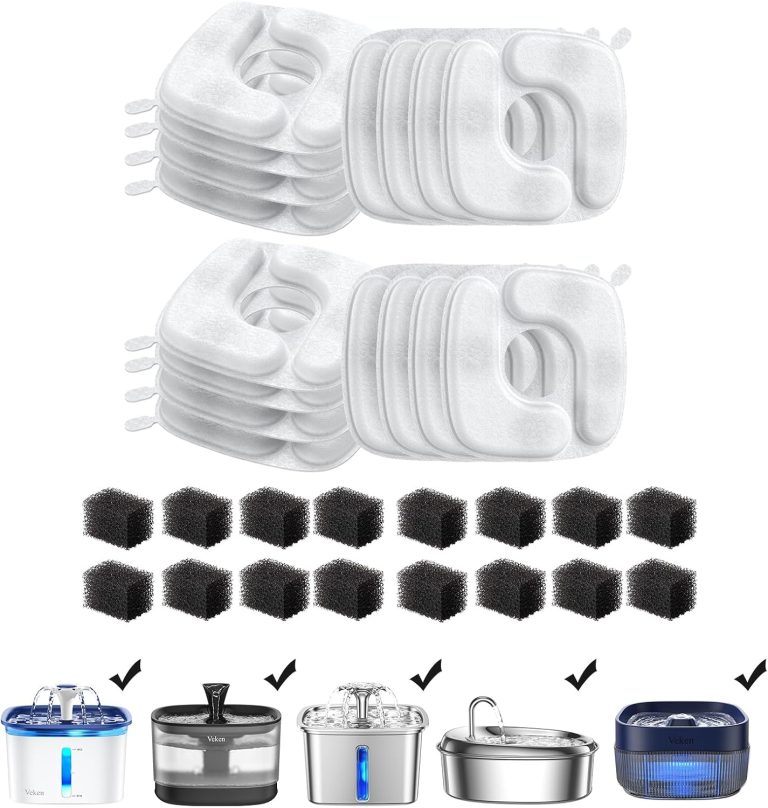
Your fountain uses a filter to catch hair and impurities. Filters come in two main types: foam filters and carbon filters. Each one needs slightly different care.
Foam filters trap large debris like fur. You can rinse these under warm water during your weekly clean. Squeeze them gently until the water runs clear. Do not wring them too hard, or you will tear the foam.
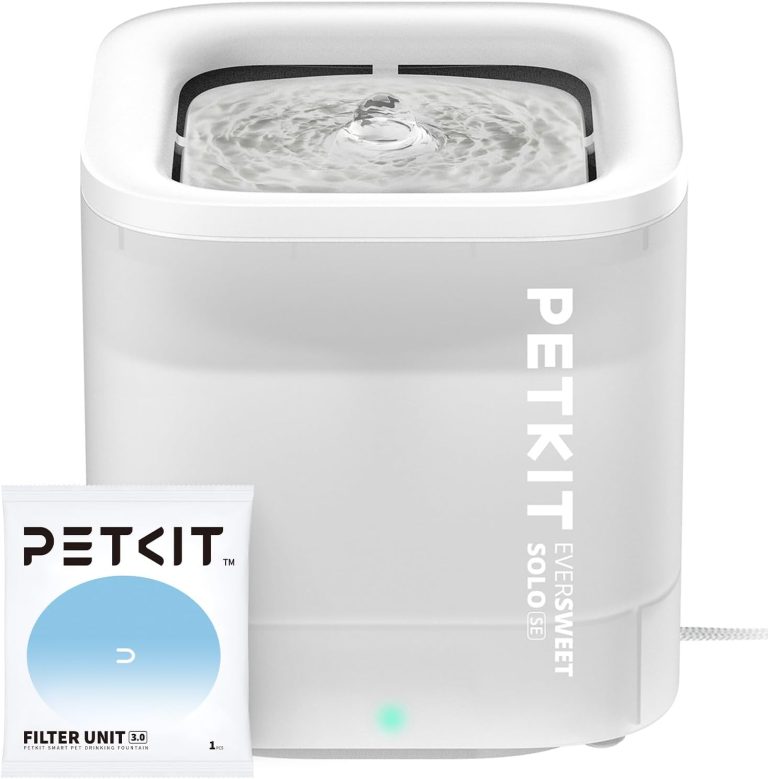
Carbon filters remove odors and improve the taste. These need to be replaced every two to four weeks. Washing them does not refresh the carbon. Check your fountain manual for the recommended replacement schedule.
How Often Should You Replace the Filter
We found that most brands suggest replacing the filter monthly. If you have multiple pets, you may need to swap it out more often. A filter that is saturated stops doing its job.
Write the date on the filter when you install it. That way you know exactly when it is time for a new one. Set a reminder on your phone if you are forgetful, like us. It is a tiny habit that makes a big difference.
Daily and Weekly Maintenance Checklist
Consistency beats intensity. A few small actions every day mean your weekly deep clean is much easier. We put together a simple checklist you can follow without thinking.
- Top off the water level every morning.
- Remove any floating fur or debris with a net or your fingers.
- Check that the pump is still flowing smoothly.
- Wipe down the exterior with a damp cloth to remove dust.
- Do a full soap-and-vinegar clean once a week.
- Replace the filter on the first of every month.
Stick to this routine, and your fountain will last for years. More importantly, your pet will stay happily hydrated. That is a win for both of you.
What to Avoid When Cleaning Your Fountain
Some cleaning mistakes can damage the fountain or harm your pet. We have seen it all, and we want to save you the trouble. Avoid these common pitfalls.
Steer Clear of the Dishwasher
Most fountain parts are not dishwasher safe. The high heat can warp the plastic. The harsh detergent can leave a residue that is hard to rinse away. Check your manual, but hand washing is almost always the safer choice.
If the box says dishwasher safe, place parts on the top rack only. Skip the heated dry cycle. The heat is what causes the most damage to plastic components.
Never Use Bleach or Ammonia
These strong chemicals are toxic to pets. Even a tiny residue can make your cat or dog very sick. Vinegar and mild soap are all you need for a sanitary clean.
Some pet owners think bleach is necessary to kill germs. That is not true. Soap and warm water physically remove bacteria. The vinegar soak handles the rest. Safe does not mean less clean.
Keeping Your Pet Hydrated and Happy
A clean fountain encourages your pet to drink more water. Proper hydration supports their kidney health and digestion. We found that pets with running water tend to drink more than those with a stagnant bowl.
If your pet seems hesitant to drink after a clean, give them a little time. The new filter and clean plastic may smell different. Within a few hours, they should get curious and take a sip. That first drink is a small victory.
You do not need to be an expert to keep a clean fountain. Just follow this simple routine, and you are good to go. Your pet relies on you for fresh water, and you are doing a great job.
Conclusion
You now have a simple, effective routine to keep your pet’s fountain fresh and safe. A few minutes each week prevents slimy buildup, protects the pump, and keeps your furry friend happily hydrated. We found that consistency is the real secret to avoiding a gross mess and expensive replacements.
Set a recurring reminder on your phone for a weekly deep clean and a monthly filter swap. Make it part of your routine, like filling their food bowl. Your pet depends on you for fresh water, and a clean fountain makes drinking easy and inviting. Start your cleaning routine today—your pet will notice the difference right away.
Frequently Asked Questions
Why does my pet water fountain get slimy so fast?
Slime forms when bacteria multiply in stagnant water mixed with saliva, fur, and food particles. It is called biofilm, and it thrives in warm, damp environments. You can slow it down by cleaning the fountain weekly with soap and water. Placing the fountain away from direct sunlight also helps reduce algae growth.
Can I use vinegar to clean my pet fountain every week?
Yes, a weekly soak in a vinegar solution is safe and effective for descaling and sanitizing. It is a natural cleaner that leaves no toxic residue. Rinse every part thoroughly after soaking so your pet does not taste the vinegar. For regular cleaning, warm soapy water is all you need.
How do I get the pump to stop making noise?
Noise usually means the pump is clogged with hair or debris. Take the pump apart and check the impeller for tangled fur. A quick scrub with an old toothbrush clears the intake holes. Regular weekly cleaning prevents this issue from happening again.
Is it safe to put the fountain parts in the dishwasher?
Most fountain parts are not dishwasher safe. High heat can warp the plastic and ruin the pump. The harsh dishwasher detergent can also leave a residue that is hard to rinse away. Check your owner’s manual to be sure. Hand washing is the safest choice for most models.
How often should I replace the water in the fountain?
You should replace the water completely during your weekly clean. Top it off with fresh, filtered water every day, but do not just keep adding to old water. Stagnant water quickly turns into a breeding ground for bacteria. A full change each week keeps the water quality high for your pet.