
What Do I Feed My Pet Snail?
Feeding your pet snail is simpler than you might think! Primarily, you should offer a balanced diet of fresh vegetables and calcium sources. Snails need calcium to grow and maintain a strong shell. A healthy diet prevents shell problems and keeps your tiny friend happy.
Beyond the basics, you’ll want to know about foods to avoid and how to prepare their meals. Snails have specific dietary needs that vary a bit by species. Researching your particular snail type is key for optimal health and well-being. We’ve looked into what works best for these fascinating creatures.
- Main diet: Fresh veggies and calcium.
- Calcium is vital for shell health.
- Avoid certain foods to keep them safe.
- Species differences matter for diet.
Ready to become a snail food expert? Let’s dive into the delicious details of what your pet snail loves to eat.
Feeding Your Pet Snail: A Deliciously Simple Guide
So, you’ve welcomed a charming snail into your home! One of the most common questions new snail parents have is about diet. What should you be putting in front of your tiny friend? It’s actually quite straightforward. Your snail thrives on a diet rich in fresh produce and a constant supply of calcium. Think of it as providing a balanced salad bar with a side of supplements for their beautiful shell.
Snails are primarily herbivores, meaning they love their greens and veggies. But not all plants are created equal for them. We’ve researched the best options to ensure your snail gets the nutrients it needs to grow strong and healthy. Let’s get them munching on some tasty treats!
The Daily Menu: What Your Snail Loves to Eat
The cornerstone of your snail’s diet should be a variety of fresh vegetables. Offering different types ensures they get a broad spectrum of vitamins and minerals. Variety is the spice of life, even for snails!
Leafy Greens: The Foundation of Their Diet
Leafy greens are fantastic for your snail. They are hydrating and packed with nutrients. We found that romaine lettuce and kale are particularly popular choices among many snail species. Spinach can also be given, but in moderation due to its high oxalic acid content, which we’ll discuss later.
Other great options include dandelion greens (make sure they haven’t been sprayed with pesticides!), swiss chard, and collard greens. You’ll want to rinse all greens thoroughly before offering them. This removes any potential contaminants that could harm your snail.
Other Veggies and Fruits: A Tasty Treat
Beyond leafy greens, your snail will enjoy other vegetables and fruits. Carrots, cucumber, and zucchini are excellent additions. These provide moisture and different textures. Small amounts of sweet potato or pumpkin can also be offered. Remember, these are treats, so they shouldn’t make up the bulk of the diet.
Fruits should be given sparingly. Apples, pears, and bananas are generally safe. However, the high sugar content in many fruits means they should only be an occasional offering. Too much sugar isn’t good for anyone, even our shelled friends. Always remove any uneaten fruit after a day to prevent spoilage and mold.
Protein Boost: A Rare but Necessary Addition
While snails are mostly herbivores, they do need a small amount of protein for growth and repair. This is especially true for juvenile snails. A tiny portion of boiled egg yolk or a small amount of fish flakes (unseasoned, plain variety) can be offered once or twice a month. We found that overfeeding protein can lead to health issues, so it’s truly just a little treat.
The Shell-Building Secret: Calcium is Key
A strong, healthy shell is vital for your snail’s survival and well-being. This is where calcium comes in. Without enough calcium, their shells can become thin, brittle, and even develop holes. It’s like trying to build a house with weak bricks!
How to Provide Calcium
The easiest and most effective way to give your snail calcium is by providing a calcium supplement in their tank. Cuttlebone is widely recommended and readily available in pet stores. You can simply place a piece of cuttlebone in their enclosure, and they will gnaw on it as needed. It’s a natural and safe source.
Another common method is to use crushed egg shells. Make sure they are thoroughly washed, dried, and then baked to sterilize them. After baking, you can crush them into a fine powder and sprinkle a small amount into their food or on the substrate. Many experts also suggest using pure, unflavored calcium carbonate powder, the kind found in supplement aisles, but always check with your vet or a snail expert on proper dosage.
What to Avoid for Shell Health
Avoid any calcium supplements that are flavored or contain added vitamins, especially Vitamin D3, unless specifically recommended for your snail species. These additives can be harmful.
Foods to Absolutely Avoid: Keeping Your Snail Safe
Just as important as knowing what to feed your snail is knowing what *not* to feed them. Some foods can be toxic or cause serious digestive upset.
The Danger Zone: Foods to Steer Clear Of
Salty foods are a big no-no. Salt is incredibly dangerous for snails and can be fatal. This means no table salt, no processed foods that might contain salt, and certainly no salty snacks.
We also found that acidic foods, like citrus fruits (lemons, oranges), should be avoided. The acidity can irritate their delicate digestive system. Similarly, avoid onions, garlic, and anything spicy. These are far too harsh for their system.
Processed foods, like bread, pasta, or any human junk food, are unsuitable. They lack the necessary nutrients and can contain harmful additives. Also, avoid any plants that might have been treated with pesticides or herbicides. If you’re foraging for greens, ensure they come from a clean, chemical-free environment.
The Case Against Dog and Cat Food
While some sources might suggest small amounts of protein from dog or cat food, we found this is generally not recommended. These commercial foods are formulated for mammals and can contain ingredients that are difficult for snails to digest. They may also have higher salt content than you realize. It’s best to stick to safer, snail-specific protein sources.
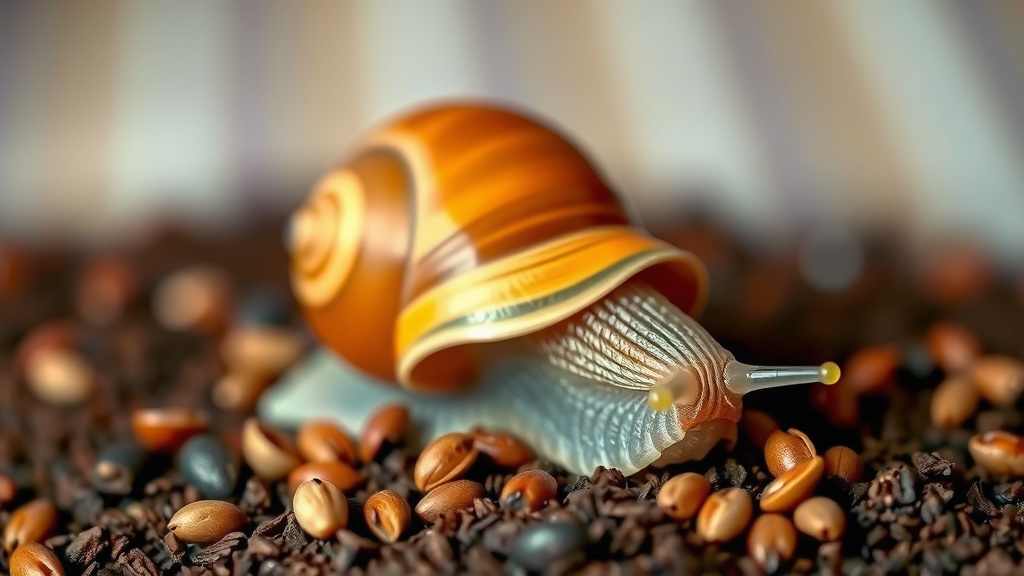
Preparing Your Snail’s Meals: Simple Steps
Preparing your snail’s food is easy. The key is to offer fresh, clean items.
Wash and Chop: The Snail Kitchen Rules
Always wash all fruits and vegetables thoroughly under cool running water. This is non-negotiable. Then, chop the food into small, manageable pieces. Snails have tiny mouths and aren’t equipped to tackle large chunks. Pieces about the size of a dime or smaller are usually perfect.
For leafy greens, you can tear them into bite-sized pieces. For harder vegetables like carrots, you might want to grate them or steam them very lightly to make them easier to eat. Never offer cooked foods seasoned with salt, oil, or spices.
Serving Suggestions: How to Present Their Feast
Place the prepared food on a clean, shallow dish or directly on the substrate. Some owners prefer a dedicated feeding dish to keep the enclosure cleaner. Remove any uneaten food within 24-48 hours to prevent mold and pests. Snails are generally good eaters, but if you notice they aren’t touching their food, check the temperature and humidity, or try a different type of vegetable.
Dietary Checklist for a Happy Snail
Here’s a quick rundown to keep your snail’s diet on track:
- Offer a variety of fresh, pesticide-free leafy greens daily.
- Supplement with other safe vegetables a few times a week.
- Always provide a source of calcium (like cuttlebone).
- Offer tiny amounts of protein only occasionally (once or twice a month).
- Avoid salt, citrus, onions, garlic, and processed human foods.
- Wash all food thoroughly and chop into small pieces.
By following these simple guidelines, you’ll be well on your way to providing your pet snail with a nutritious and delicious diet. They’ll thank you with happy slime trails and robust shell growth!
Conclusion
You’ve got this! Feeding your pet snail is all about balance and safety. Remember to offer a steady supply of fresh, washed vegetables and a reliable calcium source like cuttlebone. Variety keeps their diet interesting and ensures they get essential nutrients for a strong shell. Always keep a watchful eye on what you’re feeding them, steering clear of harmful foods like salt and citrus. By preparing their meals simply and keeping their enclosure clean, you’re setting your snail up for a happy, healthy life. Now go ahead and offer your little friend a delicious, snail-approved meal!
Frequently Asked Questions
How often should I feed my pet snail?
You can offer fresh vegetables daily or every other day. For calcium, ensure a source like cuttlebone is always available. Protein treats should only be given very rarely, perhaps once a month. Monitoring your snail’s eating habits will help you find the perfect feeding rhythm.
Can my snail eat the same vegetables I do?
Yes, many common vegetables are perfect for your snail! Leafy greens like romaine and kale are excellent staples. You can also offer small amounts of cucumber, zucchini, and carrots. Just be sure they are washed thoroughly and free from any pesticides.
What is the best calcium source for snails?
Cuttlebone is widely recommended and very effective. It’s easy to find in pet stores and provides a natural way for your snail to get the calcium it needs. Crushed, sterilized eggshells can also be used as an alternative.
Are fruits safe for pet snails?
Fruits can be offered as an occasional treat in very small amounts. While your snail might enjoy a tiny bit of apple or banana, their high sugar content means they shouldn’t be a regular part of the diet. Always remove uneaten fruit promptly.
Why is salt so dangerous for snails?
Salt is extremely dangerous for snails because it dehydrates them very quickly. Snails absorb moisture through their skin, and salt draws water out of their bodies, leading to rapid dehydration and often death. You must strictly avoid any salty foods or adding salt to their environment.