How to Get Your Cat to Use a Water Fountain
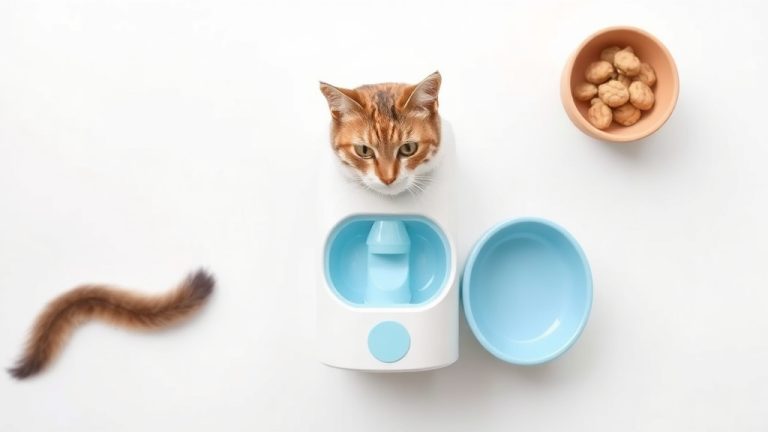
To get your cat to use a water fountain, start by placing it away from their food bowl and keep their old water bowl available for a few days. This simple switch works because cats naturally avoid water near food and prefer moving water. You can help them adjust by showing them the fountain, letting it run, and offering treats nearby so they build a positive connection.
Most cats adapt to a water fountain, but some need a little extra patience. We found that the fountain’s noise, location, and even the material of the bowl can make a big difference in whether your cat accepts it. If your feline friend is hesitant, there are a few simple tricks you can use to win them over without stress.
- Keep the old water bowl out so your cat never feels thirsty or pressured.
- Place the fountain in a quiet, low-traffic area away from their food and litter box.
- Start with the fountain off for a day, then turn it on so the sound isn’t a shock.
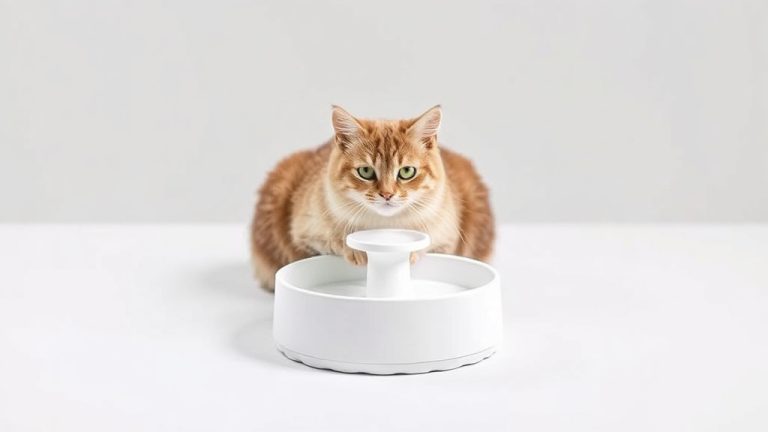
- Use a wide, shallow fountain to avoid whisker fatigue and splashing issues.
- Clean and refill it regularly—cats are picky about fresh, cold water.
Below, we break down the exact steps, common mistakes to avoid, and how to troubleshoot a stubborn cat who just won’t drink from the fountain.
Getting Your Cat Comfortable With a Water Fountain
The secret is patience and a little cat psychology. You are essentially introducing a new appliance to a creature that thrives on routine. Many cats are suspicious of anything new in their territory. We found that a slow, low-pressure introduction works best for most felines.
Think of it like bringing home a new roommate. You would not expect them to move in and take over the kitchen on day one. Your cat needs time to sniff, observe, and decide the fountain is safe. Rushing the process usually backfires and makes them more stubborn.
Why Your Cat Might Be Hesitant at First
Cats have sensitive whiskers and sharp hearing. The hum of a pump can be unnerving at first. The new smell of plastic or metal can also be off-putting. They might associate the sound with a threat, even if it is just water moving.
Another common issue is the fountain’s location. If you placed it next to their food, they may ignore it completely. Cats have a natural instinct to avoid water near their kill. This behavior is a survival mechanism that keeps them safe from contamination (NCBI).
The Location Factor You Can’t Ignore
You should move the fountain at least three feet away from their food dishes. Some cats prefer it in a completely different room. Watch where your cat likes to lounge and nap. Placing the fountain in their favorite chill spot can make it feel more familiar.
Keep it away from the litter box, too. Cats are clean animals. They will not drink near their bathroom. A quiet corner of the living room or a sunny hallway spot is often ideal.
Simple Steps to Introduce the Fountain Successfully
Start by placing the fountain near their old water bowl. Let it sit unplugged for a day. This lets your cat get used to the new object without the scary motor noise. You can also wipe the bowl with a soft cloth to transfer familiar scents.
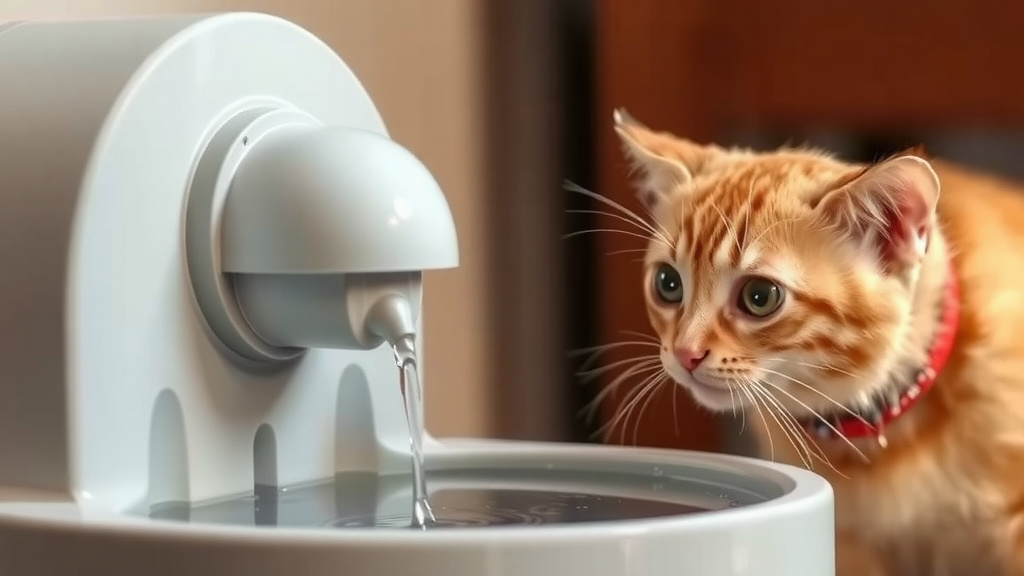
Once they seem comfortable sniffing it, you can plug it in. Do not force them to drink. Just let the water flow and walk away. Curiosity will usually take over within a few hours.
The “Two Bowl” Transition Trick
Keep their old water bowl full and available. This is a safety net. It ensures they stay hydrated while they decide if the fountain is worth the effort. You can slowly move the old bowl farther away each day.
After a week, try moving the old bowl to a different room. This gently encourages them to use the fountain as their main water source. Most cats will switch over within a few days when the alternative is less convenient.
Turning the Fountain On for the First Time
The first time you turn it on, do it when your cat is in the same room. Let them see you do it. If they seem scared, turn it off and try again later. You can also run the fountain for short 10-minute intervals throughout the day.
Gradually increase the run time. This helps your cat build tolerance to the sound. We found that cats who hear the fountain regularly for short bursts adapt much faster than those who hear it suddenly for hours.
Using Positive Reinforcement Effectively
Place a few treats near the fountain. You can also sprinkle a little catnip around the base. This creates a positive association. When your cat sniffs the fountain, give them praise in a calm voice. The goal is to make them think the fountain is a good thing.
You can even try playing with a feather toy near the fountain. The playful energy can help lower their guard. Once they are relaxed and playing, they might take a curious sip of water.
Choosing the Right Fountain to Avoid Problems
Not all fountains are created equal. Some are loud, flimsy, or too deep for your cat’s face. We found that the material and design matter more than you think. Stainless steel is great for preventing acne and is easy to clean. Ceramic is heavy and stable. Plastic is lightweight but can harbor bacteria if scratched.
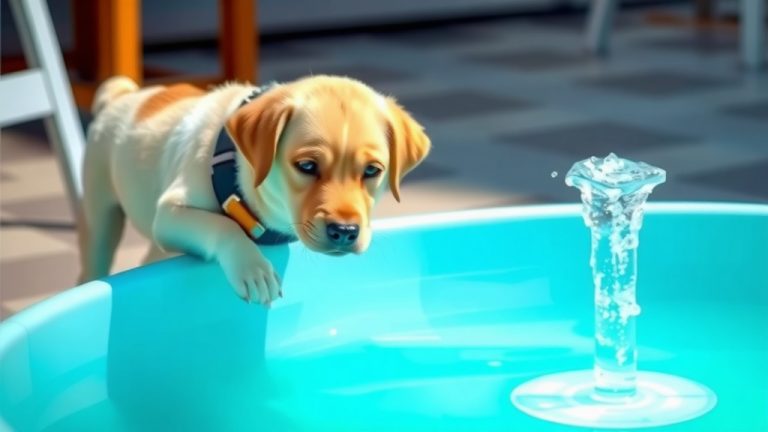
Consider the water flow, too. Some cats love a tall stream. Others prefer a flat, still surface. Look for a model with adjustable flow settings if you are unsure.
Wide and Shallow Beats Tall and Deep
Your cat’s whiskers are highly sensitive. If the bowl is too narrow, their whiskers will brush the sides. This causes whisker fatigue, which is stressful. A wide, shallow basin lets them drink without touching the edges.
Many fountains have a deep reservoir with a small drinking area. That is a mistake. Look for one with a large, open surface area. This mimics a natural puddle or stream, which is more appealing to cats.
| Fountain Material | Pros | Cons |
|---|---|---|
| Stainless Steel | Easy to clean, durable, resists bacteria | Can be noisy, shows water spots |
| Ceramic | Heavy, stable, stylish | Can chip, harder to move |
| Plastic | Cheap, lightweight, quiet | Scratches easily, can cause acne |
Troubleshooting a Stubborn Cat Who Refuses the Fountain
If your cat still ignores the fountain after a week, do not panic. It happens. The issue is often something you can fix quickly. Check the noise level first. Hold the fountain up to your ear. If you can hear a loud hum, your cat can definitely hear it too.
You might need to add more water to the reservoir. A low water level makes the pump work harder and get louder. Top it off and see if the sound changes. You can also place a thin towel under the fountain to absorb vibrations.
The “Food Nearby” Rule You Might Be Breaking
This is the most common mistake we see. You might think the fountain is far enough from the food, but cats have a strong instinct. Many guidelines suggest keeping water completely separate from food bowls (Cornell University College of Veterinary Medicine). Try moving the fountain to a completely different room.
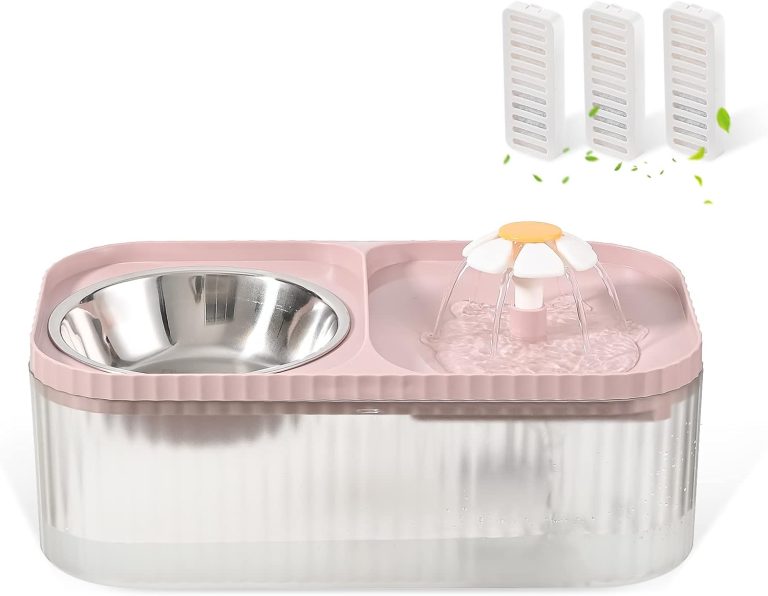
If your cat drinks from a dripping sink, they like moving water. But they might not like the fountain’s specific flow. Some cats prefer a gentle bubbling effect over a strong stream. Look for a fountain with a “flower” or “leaf” attachment that softens the water flow.
When to Consider a Different Fountain Style
Some cats are picky about the drinking angle. If your cat is older or has arthritis, they might not want to lean down. A raised fountain or one with a tilted design can help. You can also try a fountain with a lower pump speed setting.
We found that some cats simply prefer a “drinking fountain” style with a continuous stream. Others like a “waterfall” style that flows down a flat surface. If you have tried everything, a different style might be the answer.
Cleaning Habits That Keep Your Cat Interested
Cats have a keen sense of smell. They can detect bacteria or stale water that you cannot. A dirty fountain will be ignored. You need to clean it at least twice a week. Stagnant water and biofilm can also make your cat sick.
Replace the filter every two to three weeks. Filters trap hair, food, and debris. A clogged filter reduces water flow and makes the motor work harder. This increases noise and makes the fountain less appealing.
The Fresh Water Advantage You Should Use
Refill the fountain with fresh, cold water every day. Cats prefer cooler water. It tastes better and feels fresher. You can even add a couple of ice cubes on a hot day. This small gesture can reignite their interest.
Research and found that cats often drink more when water is moving and fresh. This is why fountains are recommended for cats with urinary issues. Increased water intake helps prevent kidney disease and bladder problems. A fountain is not just a luxury; it is a health tool.
A Simple Checklist to Win Over Your Cat
If you are feeling stuck, run through this quick list. It covers the most common fixes and hidden issues. You can check these off one by one and see what works.
- Location: Is the fountain at least three feet from the food bowl?
- Noise: Can you hear the motor running from across the room?
- Cleanliness: Has the fountain been cleaned in the last 48 hours?
- Water level: Is the reservoir topped off so the pump is quiet?
- Bowl depth: Does your cat’s whiskers touch the sides when they drink?
- Filter status: Is the filter old or clogged with hair and debris?
These six checks solve most fountain refusal cases. If you run through them all, you are likely to find the culprit. Once fixed, your cat will probably start drinking from the fountain within a day or two.
Conclusion
Getting your cat to use a water fountain comes down to patience, placement, and a little cat psychology. You already know the basics: keep it away from their food, leave the old bowl out, and give them time to adjust. The fountain’s sound and location matter more than most owners realize.
Start with one change today. Move the fountain to a quiet spot away from food and the litter box. Run through the quick checklist we shared and fix any issues you find. Most cats come around within a few days once they feel safe and the water tastes fresh. Your cat will thank you with better hydration and healthier kidneys.
Frequently Asked Questions
How long does it take for a cat to get used to a water fountain?
Most cats adjust within three to seven days. Some curious cats start drinking right away, while stubborn ones need up to two weeks. Keep their old bowl available during this transition so they stay hydrated. If they still refuse after two weeks, check the fountain’s noise level and placement.
Why does my cat drink from the sink but not the fountain?
Sink water has a different flow and temperature than most fountains. Your cat might prefer the stronger stream or the coolness of tap water. Try adjusting your fountain’s flow setting to a higher output. You can also add ice cubes to make the water colder and more appealing.
Should I force my cat’s head near the fountain to show them it’s water?
No, never force your cat near the fountain. This creates fear and makes them more resistant. Instead, let them discover it on their own terms. Place treats or catnip near the base to build a positive association. Curiosity will guide them to the water naturally.
Can I put the water fountain next to my cat’s food bowl?
You should avoid placing the fountain next to the food bowl. Cats have a natural instinct to avoid water near their food source. It comes from their wild ancestors who knew carcasses could contaminate water. Keep the fountain at least three feet away from food, ideally in a separate room.
Why does my cat paw at the water fountain instead of drinking from it?
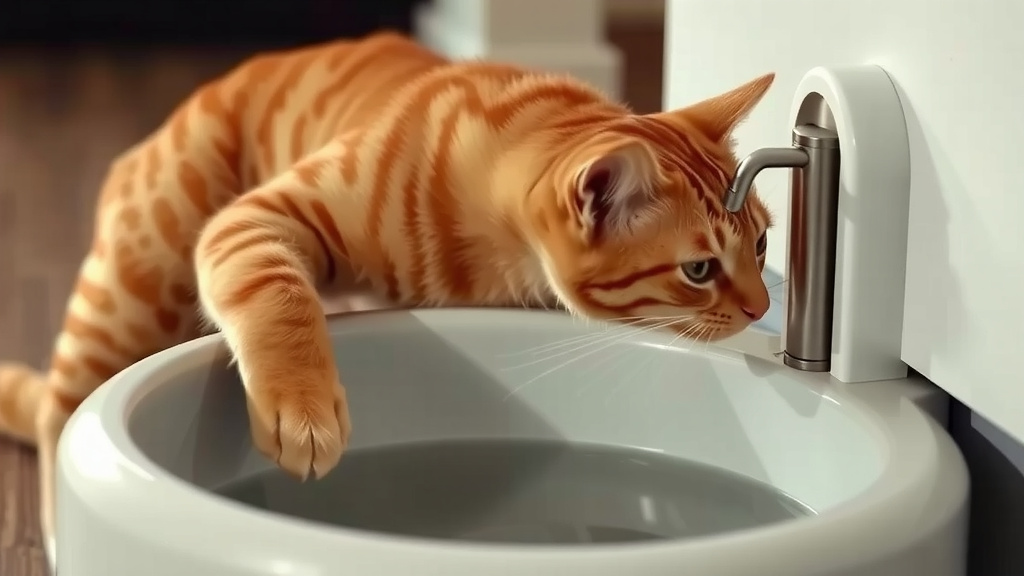
Pawing at the fountain is normal exploratory behavior. Your cat is testing the moving water to understand what it is. Some cats also prefer to drink water that has been splashed onto the floor or their paw. This is harmless as long as the fountain stays clean and full.