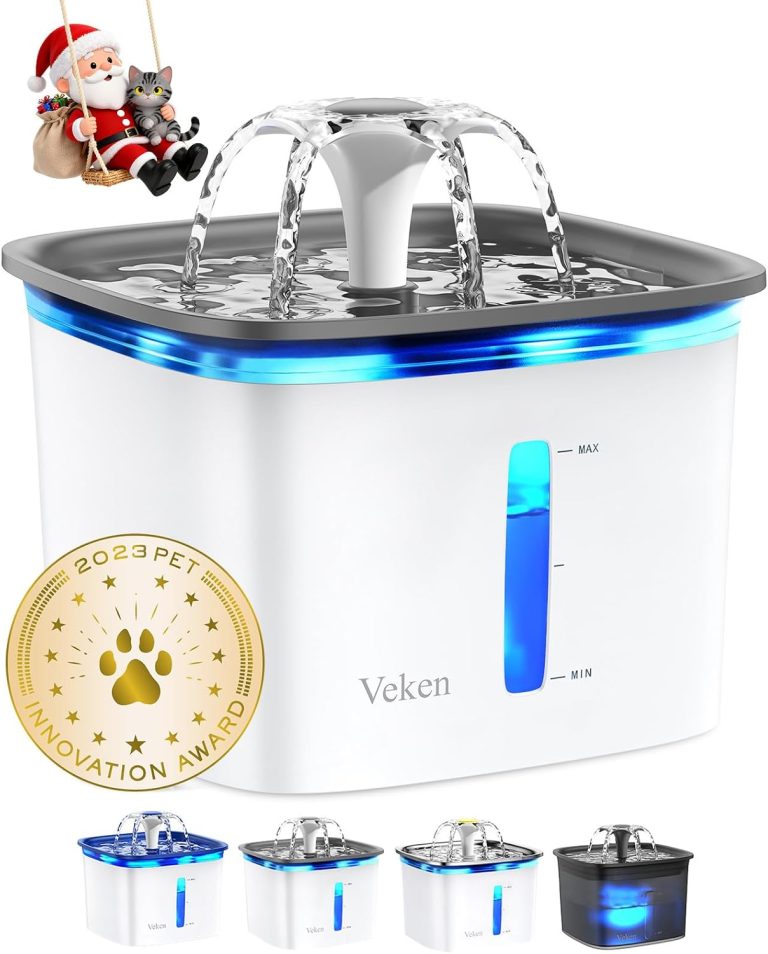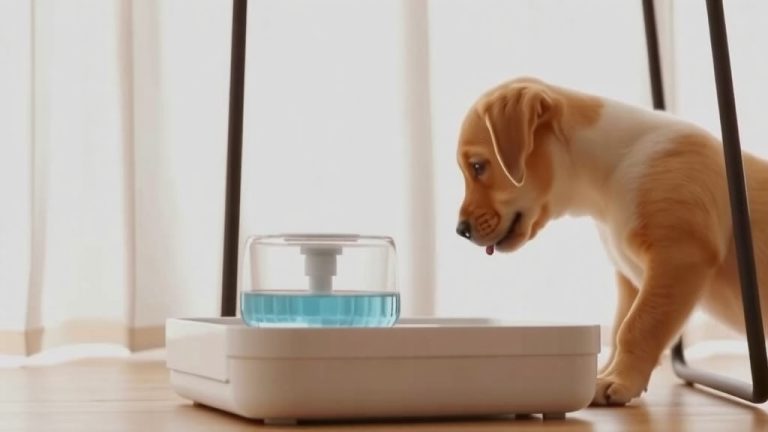
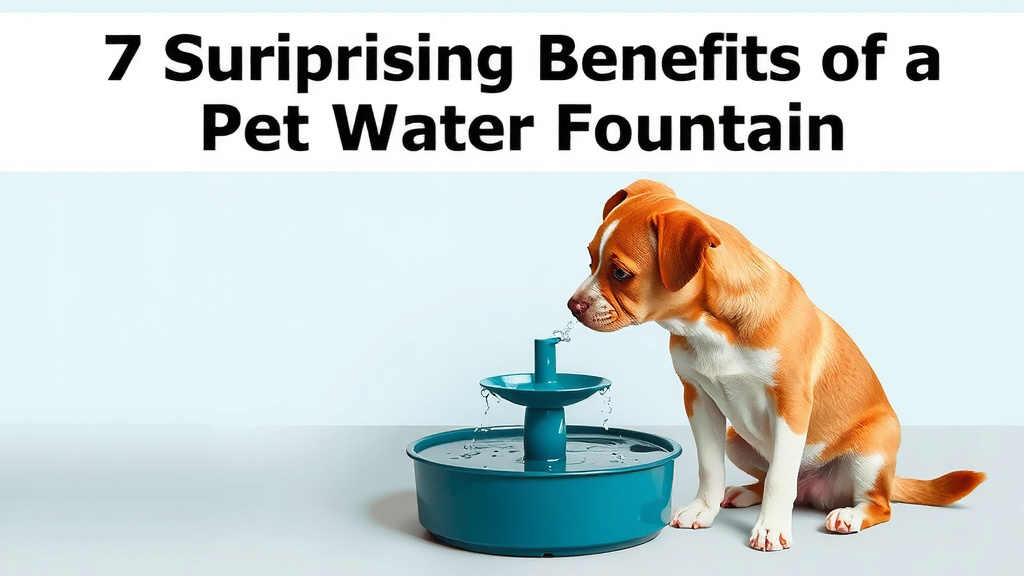
7 Surprising Benefits of a Pet Water Fountain
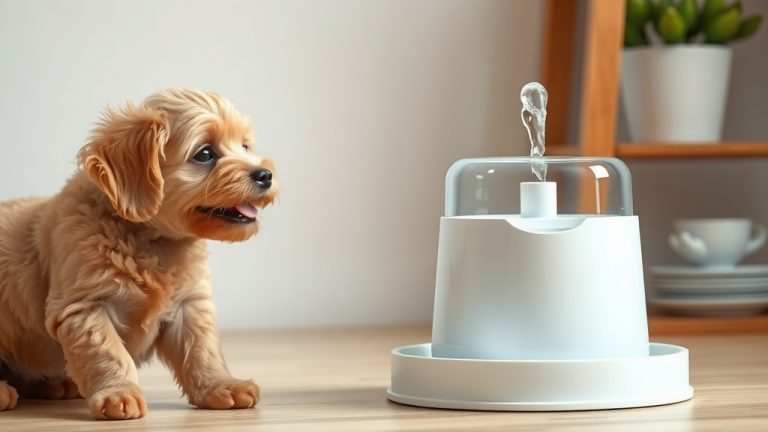
Yes, a pet water fountain is absolutely worth it because it encourages your cat or dog to drink more water, which supports better kidney health and prevents urinary tract issues. We found that the constant flow of fresh, filtered water is far more appealing to pets than a stale bowl of still water. The simple truth is that increased hydration leads to a healthier, happier pet.
Most pets instinctively prefer moving water, which is why they often drink from faucets or puddles. A fountain taps into this natural preference while also providing filtration to remove hair, dust, and food particles. This means your furry friend gets cleaner water, and you get to stop refilling a bowl five times a day. It’s a small change that makes a big difference in their daily routine.
- Better Hydration: The moving water attracts pets, so they drink more and stay healthier.
- Improved Health: More water intake helps prevent kidney disease and urinary infections.
- Cleaner Water: Built-in filters remove dirt, pet hair, and impurities from the water.
- Quiet Operation: Modern pumps are whisper-silent, so the fountain won’t disturb you or your pet.
- Cost Effective: You spend less on plastic water bottles and save time on constant refills.
Below, we break down exactly how these fountains work, what to look for when buying one, and how to keep it clean so your pet gets the maximum benefit.
Why Your Pet Needs a Flowing Water Source
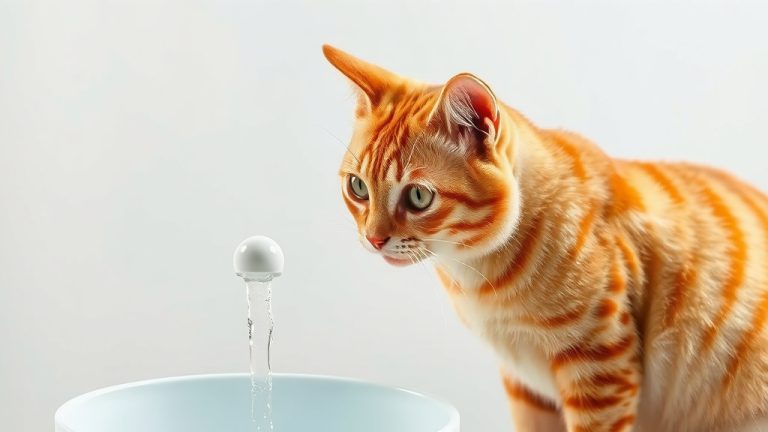
Your pet’s bowl might look fine to you, but to them, it’s a stagnant puddle. We found that most cats and many dogs have a natural instinct to avoid still water. In the wild, standing water is often contaminated. Moving water is safer and fresher.
This instinct is why you see your cat drinking from the bathroom sink. It’s not to annoy you. It’s biology. A fountain satisfies this deep-rooted urge while keeping them safe and hydrated.
The Stagnant Bowl Problem
Still water collects dust, hair, and bacteria within hours. If you leave a bowl out all day, you are basically serving your pet a soup of airborne debris. Many experts say that a standard bowl is the leading cause of picky drinking habits.
You also have to refill it constantly. And even then, the water loses oxygen. That makes it taste flat and unappealing to your furry friend. A fountain solves this by constantly recirculating and aerating the water.
Why Oxygenated Water Tastes Better
Running water absorbs more oxygen. We found that pets can actually taste the difference. The aeration process makes the water taste crisp and fresh, similar to how a cold soda tastes better than a warm, flat one to you. This simple change can turn a reluctant drinker into a hydration enthusiast.
Health Perks That Go Beyond Quenching Thirst
Getting your pet to drink more is the primary goal. But the benefits of pet water fountain use go much deeper than just a full belly. Proper hydration is the cornerstone of preventative healthcare for cats and dogs. It impacts everything from their kidneys to their energy levels.
Chronic dehydration is a silent problem in many households. Pets often don’t show signs until they are very sick. A fountain is an easy way to prevent these issues before they start.
Kidney Health and Urinary Tract Support
The most critical benefit is kidney function. Kidneys need water to flush out toxins. When your pet is dehydrated, the urine becomes concentrated. This can lead to painful crystals and stones.
Research indicates that increased water intake is directly linked to a lower risk of feline lower urinary tract disease (FLUTD). The National Institutes of Health (NIH) highlights hydration as key to preventing renal failure in older cats. More water means a cleaner bladder and happier kidneys.
Better Digestion and Nutrient Absorption
Water is essential for breaking down food. It helps move food through the digestive tract smoothly. Without enough water, your pet can suffer from constipation and discomfort.
We found that well-hydrated pets absorb more nutrients from their food. This means you get more value from your high-quality kibble or wet food. It also keeps their coat shinier and their skin flake-free.
Joint Lubrication and Mobility
Water acts as a shock absorber for joints. For older dogs and cats, this is vital. Proper hydration keeps the cartilage cushioned, reducing pain from arthritis.
If your pet is slowing down, check their water intake first. Many owners see a noticeable improvement in mobility after switching to a fountain. The constant availability of fresh water keeps their joints lubricated all day long.
The Filtration Factor: Cleaner Water Than Tap
Most fountains come with a multi-stage filtration system. These filters do more than just catch hair. They remove chlorine, bad tastes, and heavy metals from your tap water. This is something a standard bowl simply cannot do.
You might think tap water is fine. But many municipal supplies contain chlorine and other chemicals. A filter removes these, making the water safer and more palatable for your pet. It’s like giving them bottled water without the plastic waste.
What The Filter Actually Removes
- Pet hair and dander: Keeps the water surface clean and inviting.
- Dust and debris: Prevents the growth of harmful bacteria.
- Activated carbon: Absorbs odors and unpleasant tastes.
- Chlorine and chemicals: Neutralizes the harsh tap water taste.
- Sediment: Ensures every sip is pure and clear.
This level of filtration means you change the water less often. You also save money by not buying plastic water bottles for your pet. It is a win for your wallet and the environment.
Behavioral and Psychological Perks for Your Pet
Pets are creatures of habit. They thrive on routine and stimulation. A fountain provides a source of environmental enrichment. The sound and movement of water can be calming for some animals.
For bored indoor cats, the fountain acts as a fun water feature. It encourages them to interact with their environment. This mental stimulation can reduce stress and destructive behaviors like scratching furniture.
Silencing the Midnight Faucet Ritual
Do you wake up to the sound of your cat meowing at the sink? We found that a fountain eliminates this annoying habit. Instead of waiting for you to turn on the tap, they can drink whenever they want.
This restores your sleep schedule. It also makes your pet more independent. They no longer rely on you to provide the “good water” from the faucet. They have a 24/7 supply of fresh, flowing water right on the floor.
Stress Reduction in Multi-Pet Homes
In homes with multiple pets, resource guarding is common. A single bowl can cause conflict. A larger fountain provides a central, shared resource that feels abundant to all animals.
We found that the constant flow masks the scent of other animals. This reduces territorial instincts. Cats feel safer drinking from a moving source because they can see the water is fresh, even if another pet just drank from it.
Choosing the Right Fountain: Size, Material, and Noise
Not all fountains are created equal. You need to match the fountain to your pet’s size and drinking style. A tiny fountain for a Great Dane will be a frustrating experience. A large, noisy pump might scare a nervous kitten.
We recommend focusing on three key factors: capacity, material, and pump noise. Getting these right ensures your pet actually uses the fountain.
Plastic, Ceramic, or Stainless Steel?
Plastic is cheap but can cause “cat acne” on the chin. This is a common skin condition caused by bacteria in tiny scratches. We found that ceramic and stainless steel are much better for hygiene.
Stainless steel is the most durable and easiest to clean. It is also the most resistant to bacteria. Ceramic is heavy and less likely to tip over. It also comes in more attractive colors to match your decor. Avoid plastic if your pet has sensitive skin.
Understanding Pump Noise Levels
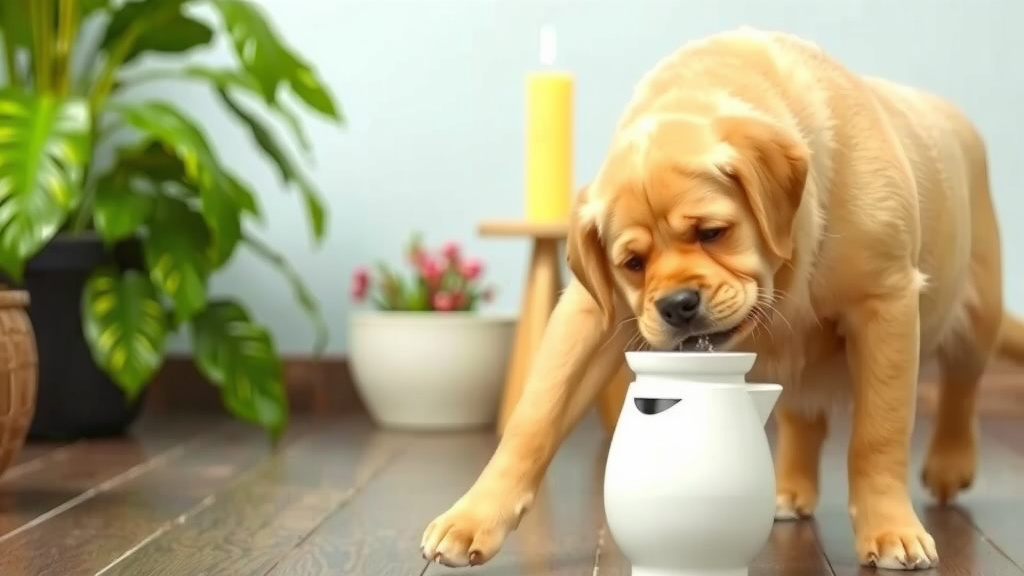
No one wants a loud fountain that sounds like a running toilet. Modern pumps are designed to be quiet. Look for models that are advertised as “whisper-quiet” or “ultra-silent.”
Check the decibel rating if it is available. Anything under 30 decibels is virtually silent. You should hear a gentle trickle, not a motor hum. We found that the water splashing is often louder than the pump itself, so choose a model with a low splash height.
Maintenance Made Simple: Keeping It Clean
A dirty fountain is worse than no fountain at all. If you don’t clean it, the filter gets clogged and bacteria grow. This defeats the entire purpose of the product. The good news is that cleaning is easy.
You only need to do a deep clean once a week. Daily, just top off the water level and check the pump. We found that a consistent routine takes less than five minutes a day.
The 5-Minute Weekly Cleaning Routine
Follow this simple checklist to keep the water pristine for your furry friend:
- Unplug the fountain: Always disconnect the power before cleaning.
- Disassemble all parts: Separate the pump, filter, and basin.
- Rinse with warm water: Do not use soap; it can leave a residue that pets dislike.
- Scrub the pump: Use a soft brush (like a toothbrush) to remove slime.
- Soak the filter: Rinse it under running water to remove trapped debris.
- Replace the filter: Change the filter every 2-4 weeks for optimal performance.
Many owners are intimidated by the pump cleaning. But it is truly simple. Most pumps come apart in two pieces. A quick scrub removes the calcium buildup and keeps the water flowing smoothly.
Comparing Fountains vs. Standard Bowls
Still on the fence? Let’s break down the real differences in a simple comparison. This will help you see the long-term value of a fountain over a basic bowl.
| Feature | Standard Bowl | Pet Water Fountain |
|---|---|---|
| Water Freshness | Stagnant, collects dust | Constantly recirculated and aerated |
| Filtration | None | Removes hair, dirt, and chemicals |
| Encourages Drinking | Low, only when desperate | High, taps into natural instinct |
| Health Support | Minimal, risk of dehydration | Prevents kidney and urinary issues |
| Maintenance | Refill 2-3 times daily | Refill every 2-3 days, clean weekly |
| Cost Over Time | Cheap upfront, high water waste | Higher upfront, saves water and vet bills |
We found that the upfront cost of a fountain is offset by the savings in vet bills. Urinary tract infections are expensive to treat. Preventative care through hydration is a smart financial decision. Plus, you gain peace of mind knowing your pet is thriving.
Making the Switch: Tips for Picky Drinkers
Some pets are wary of new things. They might look at the fountain and walk away. Don’t panic. We found that most pets adapt within a few days if you introduce it correctly.
Start by placing the fountain next to their old bowl. Let them get used to the sound and sight. Once they are comfortable, remove the old bowl. This forces them to try the new water source.
Encouraging First Sips
You can also wet their paw and let them lick it off. This introduces the taste of the filtered water. Place a few treats near the fountain to create a positive association.
Be patient. It might take a week for a stubborn cat to accept the change. But once they realize the water is delicious and always fresh, they won’t go back. Many owners report their pets waiting by the fountain, meowing for it to be turned on if it gets unplugged. That is the ultimate sign of approval.
Conclusion
Your pet relies on you for their health, and hydration is one of the easiest ways to protect them. A water fountain taps into their natural instincts, encourages more drinking, and delivers cleaner water than any bowl ever could. We found that the health benefits alone — better kidneys, smoother digestion, and healthier joints — make it a smart investment.
You do not need a fancy setup or a huge budget. Start with a simple, quiet model that fits your pet’s size and your home’s style. Introduce it slowly, keep it clean, and let your furry friend discover the joy of fresh, flowing water. Your pet will drink more, feel better, and thank you every day.
Frequently Asked Questions
How often should I change the water in my pet’s fountain?
You should top off the water level daily and do a full change every two to three days. Stagnant water breeds bacteria, even with a filter running. Fresh water keeps your pet healthy and encourages them to drink more.
Will a water fountain work for both cats and dogs?
Yes, most fountains are designed for both cats and dogs, but you need to pick the right size. Cats prefer smaller, quieter models with gentle flow. Dogs need larger capacity and a more durable pump to handle heavier drinking.
Do pet water fountains use a lot of electricity?
No, the pumps are very energy-efficient. Most use less power than a standard nightlight, costing just a few dollars a year to run. You can leave it plugged in 24/7 without worrying about your electric bill.
Can I put ice cubes in my pet’s fountain?
Yes, ice cubes are safe and many pets love cold water. Just avoid adding flavored ice or anything with sugar. The fountain will keep the water cool naturally, so you may not even need ice on most days.
What should I do if my pet is scared of the fountain at first?
Give them time and space to investigate on their own terms. Keep the fountain off for the first day so they can sniff it without the noise. Once they are comfortable, turn it on and reward them with treats near it. Most pets adjust within a week.