Pet Water Fountain Change Frequency: A Complete Guide
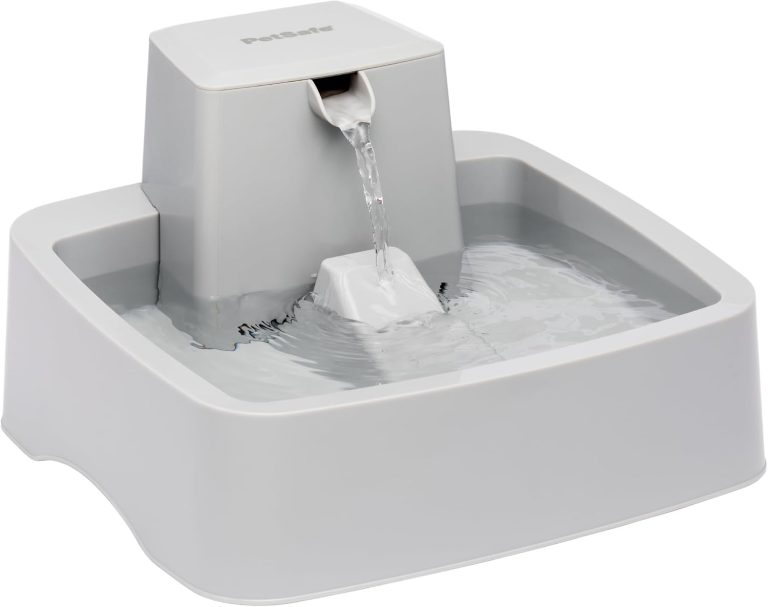
You should change your pet water fountain’s filter every 2 to 4 weeks, and give the entire fountain a thorough cleaning at the same time. This schedule keeps the water fresh and your furry friend safe from bacteria and slime. We found that sticking to this simple routine is the best way to ensure your pet actually drinks enough water.
However, the exact timing isn’t one-size-fits-all. Your specific fountain model, the number of pets using it, and whether your cat or dog drools a lot can all speed up the grime factor. Many experts say that if you notice a slippery film on the basin or the pump sounds noisy, it’s definitely time for a change, even if it hasn’t been two full weeks yet. Staying on top of this prevents clogged pumps and keeps your pet excited about their water source.
- The Short Answer: Replace the filter and clean the fountain every 2-4 weeks.
- Why It Matters: Dirty filters harbor bacteria, mold, and slime that can make your pet sick.
- Daily & Weekly Habits: Top off water daily, but do a full teardown clean on the set schedule.
- Watch the Signs: A weak water flow or a bad smell means it’s time to clean it immediately.
- Pro Tip: Always rinse new filters under cold water for a few minutes before installing them to remove carbon dust.
Below, we break down everything you need to know about keeping your pet’s fountain in tip-top shape, including a simple cleaning checklist and how to tell if your water quality is the real issue. Let’s walk through it so you can set the perfect maintenance rhythm for your home.
Establishing the Perfect Cleaning Rhythm
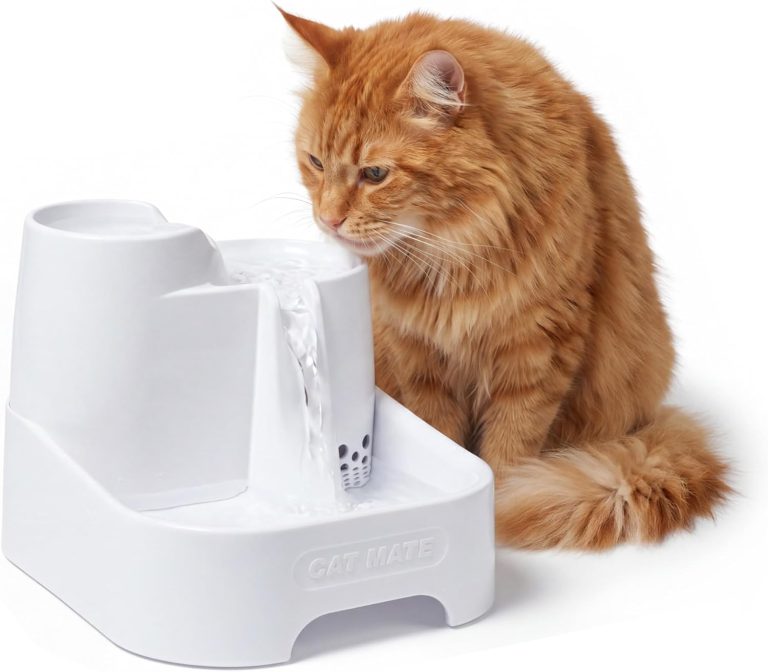
You probably landed here because that little fountain in the corner is starting to look a bit murky. Or maybe you hear the pump sputtering like it drank a milkshake. We get it. Figuring out the right schedule can feel like a guessing game, but it doesn’t have to be. If you’re still deciding on a fountain, our guide to cat water fountain benefits explains the pros and cons.
Our research shows that most manufacturers suggest a filter swap every two weeks as the gold standard. But real life is messy. Pets are messy. Instead of obsessing over a calendar date, we found that combining a fixed schedule with visual checks gives you the best protection. That two-to-four-week window works perfectly for the average household with one or two pets.
Why Two Weeks Works for Most Homes
Think of your pet’s fountain filter like a tiny water purifier for a fish tank. It traps hair, food crumbs, and dust that float around your home. The carbon inside also removes bad tastes and odors. Over time, that filter gets full. When it’s full, it stops working. The water bypasses the dirty filter and recirculates sludge right back to your pet. That is exactly what you want to avoid.
Veterinary guidelines suggest that surface bacteria can start forming a biofilm within days on wet surfaces. By the two-week mark, that film becomes visible and slippery. Many experts say that consistent bi-weekly changes are the simplest way to stay ahead of that slime. If you have multiple pets or a very thirsty dog, you might need to shorten that to every ten days.
Adjusting for Your Home Environment
We found that your home’s air quality plays a big role in how fast the fountain gets dirty. Do you live in a dusty area? Do you burn candles or have construction nearby? All that airborne debris lands directly in the water bowl. If you notice a film on the water surface after just a few days, your environment demands a stricter schedule.
Also, consider your pet’s habits. Cats who dip their paws before drinking bring in litter dust. Dogs who drink right after eating bring in kibble crumbs. Those little extras clog the pump faster than you think. Watch how your pet drinks. That behavior tells you exactly when to clean, regardless of the date on the calendar.
Signs Your Fountain Needs Immediate Attention
Sometimes, math doesn’t matter. Our research indicates that your fountain will communicate with you when it’s unhappy. You just have to know what to listen for. Ignoring these red flags can lead to a broken pump or a sick pet. Here are the top signs that you need to drop everything and clean right now.
- Slippery basin: If you touch the plastic and feel a biofilm, bacteria are already multiplying.
- Weak or noisy pump: A gurgling motor means debris is blocking the impeller. It’s straining to push water.
- Bad odor: A foul smell near the fountain means organic matter is rotting inside the filter.
- Cloudy water: Fresh water should be crystal clear. If it looks milky, it’s time.
- Algae growth: Green or brown spots on the basin indicate light exposure and stagnant conditions.
- Decreased drinking: Pets hate bad-tasting water. If your cat suddenly avoids the fountain, the taste is off.
The Noisy Pump Dilemma
That buzzing noise is your pump crying for help. Most pumps have a small foam pre-filter that catches large debris. When that foam gets clogged, the motor works harder. It gets louder and hotter. Overheating can burn out the motor completely. Replacing a pump costs a lot more than replacing a small filter.
We found that simply rinsing the foam pre-filter every time you refill the water can extend the pump’s life by months. Make it a habit. It takes ten seconds and prevents that annoying middle-of-the-night gurgle. If the noise continues after a thorough clean, check the impeller for hair wrapped around the shaft. That requires a full teardown.
When Water Flow Slows to a Trickle
A strong, steady stream keeps the water oxygenated and appealing. When the flow weakens, the fountain becomes a stagnant bowl. Stagnant water is a breeding ground for bacteria like Pseudomonas, which can cause gastrointestinal upset in pets (NCBI research). A weak stream usually means the carbon filter is saturated or the intake tube is blocked.
Take the fountain apart completely. Run water through every crevice. Soak the parts in a vinegar solution to dissolve mineral scale. This scale, known as limescale, builds up quickly in areas with hard tap water. That white crust traps bacteria and restricts water flow even after you replace the filter.
Your Step-by-Step Deep Cleaning Checklist
We recommend doing this every other week. Set a reminder on your phone. Pair it with something you already do, like taking out the trash or paying bills. Consistency is the secret here. A quick rinse is not enough. You need a full teardown to get into the motor housing and pump impeller area.
- Unplug and disassemble: Take apart every piece, including the pump, tubing, and filter compartments.
- Rinse debris away: Hold each part under warm running water to remove loose hair and food particles.
- Soak in mild soap: Use a sponge with dish soap on the basin and housing. Never put these in the dishwasher unless stated.
- Deep clean the pump: Open the pump casing and gently scrub the impeller with a soft brush or cotton swab.
- Remove mineral buildup: Soak all parts in a 50/50 water and white vinegar mixture for 15 minutes.
- Rinse thoroughly: You must remove every trace of vinegar soap. Pets have sensitive noses and strong smells deter them.
- Replace or rinse the filter: Swap in a fresh filter if due, or rinse the current one if you cleaned early.
The Vinegar Soak Technique
Vinegar is your best friend when it comes to pet fountain maintenance. It’s non-toxic and breaks down hard water scale without harsh chemicals. We found that a 15-minute soak in a vinegar solution dissolves the whitish crust on pump parts better than any abrasive scrub. Simply fill your sink with warm water and add a cup of white vinegar.
When the soak is done, inspect the rubber seals. These tiny rings prevent leaks. Over time, they stretch and warp. If they look loose or damaged, replace them immediately. A leaking fountain wastes water and frustrates your pet who just wants a quiet drink. You can find replacement seals at most pet stores or online.
Tools You Need for the Job
You don’t need fancy equipment. Our research found that a bottle brush and a pack of pipe cleaners are the most effective tools. They reach into the narrow tubing and the pump inlet where gunk hides. Keep them separate from your kitchen cleaning brushes to avoid cross-contamination. A dedicated sponge for the pet fountain is also a smart move.
Some owners swear by an old toothbrush for scrubbing the impeller. It’s soft enough to avoid damaging plastic parts but firm enough to dislodge stubborn slime. After the scrub, run everything under hot water one more time. Air-dry all pieces completely on a clean towel before you reassemble. This prevents water spots and ensures no cleaning solution remains.
Choosing the Right Filter for Your Needs
Not all filters are created equal. We found that using the manufacturer’s brand filter is usually the safest bet for your specific model. Third-party filters might fit, but they often have different carbon densities or foam formats. That mismatch can reduce filtration efficiency or restrict water flow, causing the pump to overwork.
Check the filter type before you buy replacements. Some fountains use a single carbon filter. Others have a two-stage system with a foam pre-filter and a carbon block. Understand what your model needs so you can set a replacement schedule that matches. Mixing filters can void the warranty and compromise water purity.
| Filter Type | Best For | Typical Lifespan |
|---|---|---|
| Foam Sponge Filter | Catching hair and large debris | 2-4 weeks |
| Activated Carbon Filter | Removing odors and bad tastes | 2-4 weeks |
| Ion-Exchange Resin Filter | Softening hard water | 3-4 weeks |
| Triple-Action Filter | Complete purification | 3-4 weeks |
Hard Water Versus Soft Water
Your local water quality directly impacts your cleaning schedule. If you live in a region with hard water, you will see white mineral scale accumulate much faster. This scale clogs the pump and dulls the filter’s absorption capacity. You might need to deep clean weekly instead of bi-weekly, even with one pet.
Many experts say that using filtered or distilled water in the fountain can drastically reduce mineral buildup. However, remember that distilled water lacks beneficial minerals. For most pets, tap water is perfectly safe for drinking. Just be prepared to clean scale more often if your municipality has hard water. You can check your city’s water report online or use a simple test strip.
How Pet Count Changes the Equation
We found that adding one extra pet can cut your filter’s lifespan in half. More pets means more drool, more fur, and more bacteria transferred from food bowls. A multi-pet household should lean heavily toward the two-week mark or even every ten days. The water surface area stays the same, so the dilution rate decreases with each additional drinker.
Pay attention to how often the water level drops. If you’re refilling the reservoir every single day, you are introducing new contaminates constantly. The filter has to work overtime. In that case, upgrading to a larger capacity fountain might save you time and keep your pets healthier in the long run.
Drool Factors and Messy Drinkers
Some dogs drink like they just crossed a desert. They slobber, splash, and get water everywhere. That exposed saliva mixes with recirculating water and feeds bacteria. For heavy droolers, a foam pre-filter becomes your first line of defense. Rinse that foam daily to prevent slobber buildup from reaching the main carbon filter.
Similarly, cats who have acne or chin issues can transfer bacteria into the water. If you notice your feline scratching their chin after drinking, the reservoir might be harboring germs. A strict cleaning schedule reduces these skin flare-ups. The water should never feel slimy between cleanings. If it does, reduce your interval immediately.
Daily Habits That Reduce Grime Buildup
A tiny bit of daily attention saves you from big weekly scrubbing sessions. We found that topping off the water with fresh, cold water every morning keeps the fountain fuller and dilutes any biofilm that tries to form. Stagnation is the enemy. Keeping the reservoir topped off ensures continuous flow and aeration.
Also, check the water level before you leave for work. If the pump runs dry, it can burn out instantly. A dry pump is the most common cause of fountain failure. Get into the habit of a quick glance each morning. That ten-second check prevents costly replacements and keeps your pet hydrated all day.
Rinse the Foam Pre-Filter Daily
The small foam sponge that covers the pump is the unsung hero. It catches the big stuff so the carbon filter can do the fine work. Rinsing it under cold tap water daily takes less than a minute. We recommend doing this while you brush your teeth or wait for your coffee to brew. Squeeze it until the water runs clear.
That simple habit extends the life of your carbon filter, reduces pump strain, and keeps the motor quiet. When the foam starts to look dingy or breaks apart, replace it. These little sponges are cheap, so stock up on extras. Change them out every time you do a full fountain teardown, or sooner if they look worn.
What Happens If You Skip the Schedule
Skipping a cleaning sounds harmless, but the consequences build quickly. Within three weeks, a clogged filter becomes a bacterial reservoir. The water that your pet drinks might contain high levels of harmful organisms. Many pet owners notice their companion getting sick after neglecting the fountain for a month.
The main health risk is gastrointestinal distress. Symptoms include vomiting, diarrhea, and reduced appetite. In severe cases, bacteria like E. coli or Legionella can cause more serious infections (CDC water safety guidelines). This is especially dangerous for young kittens
Conclusion
Keeping your pet’s water fountain fresh comes down to one simple rule: change the filter and clean the fountain every 2 to 4 weeks. That window protects your furry friend from bacteria, slime, and clogged pumps. You can adjust the timing based on how many pets drink from it, your water quality, and your pet’s messy drinking habits.
Pay attention to the warning signs. A noisy pump, cloudy water, or slippery basin means it’s time to act now. Pair that with a daily rinse of the foam pre-filter and a quick top-off of fresh water. These small habits keep the motor running smoothly and your pet excited to drink.
Here’s your next step: grab a permanent marker and write this week’s date on the filter. That simple trick reminds you exactly when the swap is due. Your pet will thank you with healthier hydration and a happier belly.
Frequently Asked Questions
Can I use dish soap to clean my pet’s water fountain?
Yes, you can use a mild dish soap on the basin and plastic parts. Just make sure you rinse everything thoroughly. Any soap residue left behind can irritate your pet’s stomach or make the water taste off.
Is it safe to put the fountain parts in the dishwasher?
Only if the manufacturer says it’s safe. Many fountain parts are made of plastic that can warp in high heat. The pump should always be cleaned by hand. Check your manual before you risk melting any pieces.
Why does my pet’s water fountain turn slimy so fast?
That slimy film is a biofilm of bacteria that forms on wet surfaces. It grows faster in warm rooms, direct sunlight, or if your pet has food residue on their mouth. If it appears before the two-week mark, you need to clean more often.
What happens if I never change the fountain filter?
A clogged filter stops filtering. The water simply bypasses the dirty carbon and recirculates bacteria back to your pet. Over time, this can cause digestive upset or more serious infections. Your pump may also burn out from the extra strain.
Can I just rinse the old filter instead of buying a new one?
Rinsing helps in an emergency, but it’s not a long-term fix. The carbon inside becomes saturated and can’t absorb odors or impurities anymore. You can extend a foam pre-filter’s life with daily rinses, but the carbon filter needs a proper swap every 2 to 4 weeks.