Top Reasons to Get a Dog Water Fountain in 2026
Yes, a dog water fountain is worth it because it encourages your pup to drink more water, which supports better hydration and kidney health. We found that the constant flowing water is more appealing to most dogs than a stale bowl, making it a smart upgrade for your furry friend.
You probably know that dogs can be picky drinkers. They might turn their nose up at still water, especially if it sits out all day. A pet fountain solves this by filtering out hair and debris while keeping the water fresh and oxygenated, which tastes better to your dog.
- More hydration: Moving water attracts dogs and makes them drink more often.
- Cleaner water: Built-in filters trap fur, dirt, and odors for fresher sips.
- Better health: Extra water intake supports kidneys and prevents urinary tract issues.
- Quieter home: Most models run nearly silent, so you won’t hear constant splashing.
- Less waste: You won’t dump half-full bowls as often since the water stays fresh.
Below, we break down the real benefits you can expect, what to look for when buying one, and whether it’s the right fit for your dog’s personality and your home.
Why Your Dog Will Actually Drink More Water
You have probably watched your dog sniff a full water bowl and walk away. It happens all the time. We found that many pups simply prefer moving water over still water.
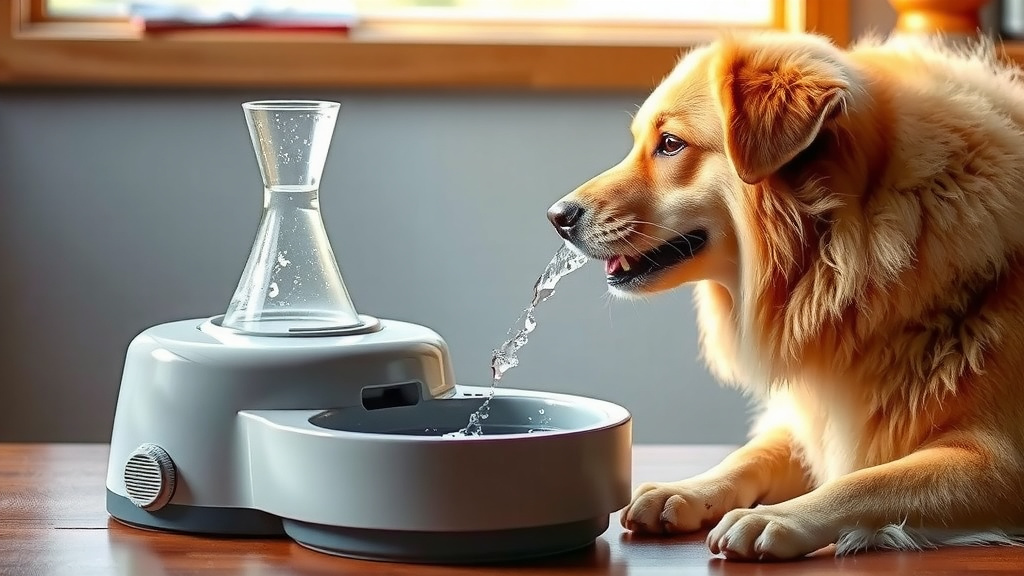
Think about it. In nature, dogs seek out streams and creeks. That is because flowing water tastes fresher and carries less bacteria. A dog water fountain mimics that natural instinct right in your kitchen.
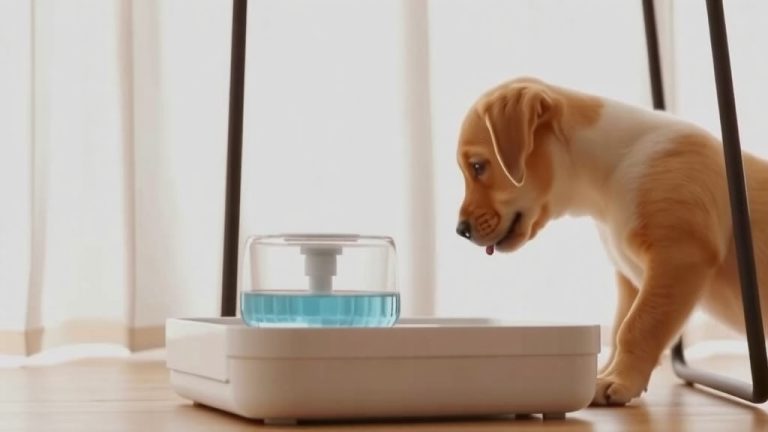
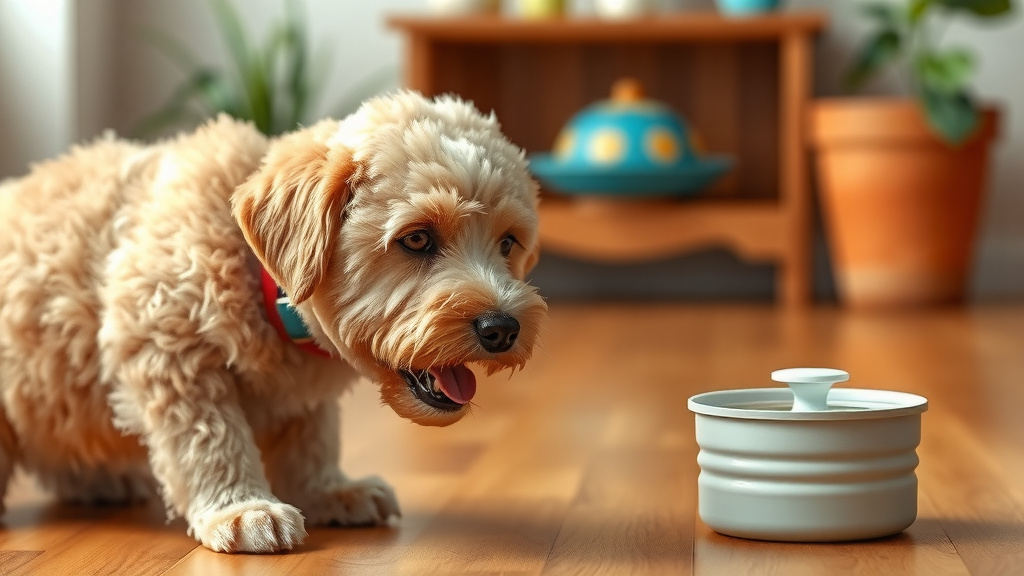
When you bring home a fountain, you might notice something funny. Your dog will probably circle it, poke it with their nose, and then take a long, happy drink. It is like they found a mini swimming hole just for them.
The Science Behind the Splash
Your dog does not know why they like moving water. They just know it smells and tastes better. We found that the constant flow adds oxygen to the water. This oxygen gives the water a crisper taste.
Many experts say that dogs are wired to prefer fresh sources of water. Stagnant water in a bowl can grow bacteria within hours. A fountain keeps water circulating, which cuts down on that slimy film that forms on bowl edges.
Hydration Habits Form Fast
Dogs are creatures of habit. When they discover the fountain is fun and tasty, they make it part of their routine. You will likely refill the tank more often than you used to refill the bowl.
That is a good thing. More water means a healthier pup. You might even catch them taking little sips throughout the day instead of one big gulper at night.
How a Fountain Protects Your Dog’s Kidneys
Kidney health starts with hydration. Plain and simple. When your dog drinks enough water, their kidneys can flush out toxins effectively.
We found that many dogs with chronic dehydration end up with urinary tract infections or kidney stones. These are painful conditions that cost time and money to treat. A fountain helps you avoid this whole mess.
The beauty of a fountain is that it turns a chore into a treat. Your dog drinks more without you having to beg, coax, or add chicken broth to the bowl.
What Veterinarians Want You to Know
Veterinarians see dehydrated dogs every single day. One of the first questions they ask is, “How much water is your dog drinking?” The answer is often, “Not enough.”
Many guidelines from the American Veterinary Medical Association stress the importance of fresh, clean water at all times. A fountain makes it easier to meet that goal because the water stays appealing longer.
We found that dogs who drink more water have fewer urinary issues. That means fewer emergency vet visits and more happy, comfortable days for your furry friend.
Say Goodbye to Stale Water and Slime
Let us be real. A water bowl left out for a full day is not exactly appetizing. Dust settles on top. Fur floats around. And that weird slimy layer? Gross.
A dog water fountain solves these problems with two simple features. The first is continuous circulation. The second is a built-in filtration system.
You will never again have to wonder if that bowl is safe to drink from. The fountain does the cleaning work for you, around the clock.
The Filter Does Heavy Lifting
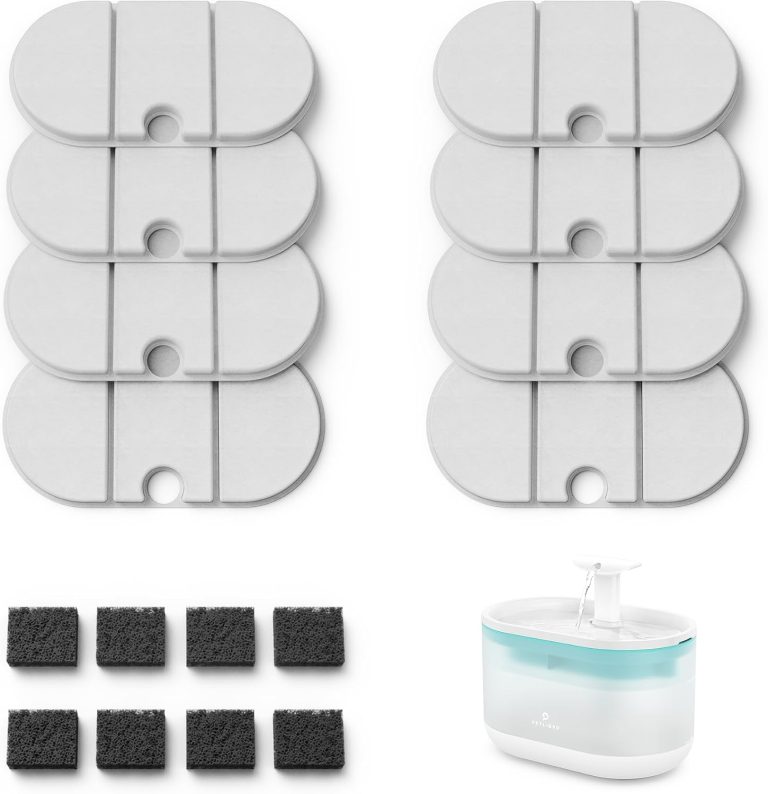
Most fountains come with a replaceable charcoal filter. This filter catches hair, dirt, and food particles before your dog ever takes a sip. It also removes odors that can build up over time.
You should replace the filter every two to four weeks, depending on your dog’s size and how much they shed. This is a small cost compared to the health benefits you get in return.
We found that filtered water simply tastes better. You would not drink from a puddle, right? Your dog feels the same way about a dirty bowl.
Less Washing, More Living
With a regular bowl, you should wash it every day. That means scrubbing, rinsing, and drying. With a fountain, you only deep-clean it once or twice a week.
You still need to top off the water daily, but the heavy scrubbing is mostly a thing of the past. That gives you more time to play fetch or snuggle on the couch.
Quiet Operation Means a Peaceful Home
You might worry that a fountain will sound like a running toilet all day. We get it. That was one of our biggest concerns too when we first looked into them.
Most modern dog fountains are designed to run nearly silent. They use low-voltage pumps that barely make a whisper. You will hear a gentle trickle at most, which many people actually find calming.
If you are a light sleeper, just place the fountain in a room away from your bedroom. Problem solved.
What to Look For in a Quiet Model
Not all fountains are created equal. We found that the pump quality makes the biggest difference in noise level. Look for models with submersible pumps, as they tend to be quieter.
Also, check the water flow settings. Some fountains let you adjust the stream from a gentle trickle to a stronger flow. This helps you customize the experience for your dog’s preferences.
- Choose a pump with a low decibel rating if available
- Look for rubber feet that reduce vibration noise
- Pick a model with adjustable flow settings
- Avoid fountains with waterfalls that splash loudly
Is a Fountain Right for Every Dog?
Most dogs adapt to a fountain within a day or two. But some pups are more stubborn than others. We found that curious and playful dogs take to fountains quickly. Older or anxious dogs might need a little more time.
If your dog is hesitant at first, do not give up. Place the fountain next to their old bowl for the first week. Let them get used to the sight and sound. Once they see the water moving, most dogs cannot resist a sniff and a taste.
For multi-pet households, a fountain is a huge win. Cats love them too, and you will save space by having one water station instead of two bowls. Our cat water fountain guide explains how cats benefit from the same moving-water trick.
Considerations for Big Drinkers vs. Picky Pups
Large breed dogs drink a lot of water. That is a fact. They need a fountain with a bigger tank, usually over 100 ounces, so you are not refilling it every few hours.
Small dogs and picky drinkers do well with fountains that have a shallow drinking area. They do not like getting their whiskers wet. A gentle stream or flat surface works best for them.
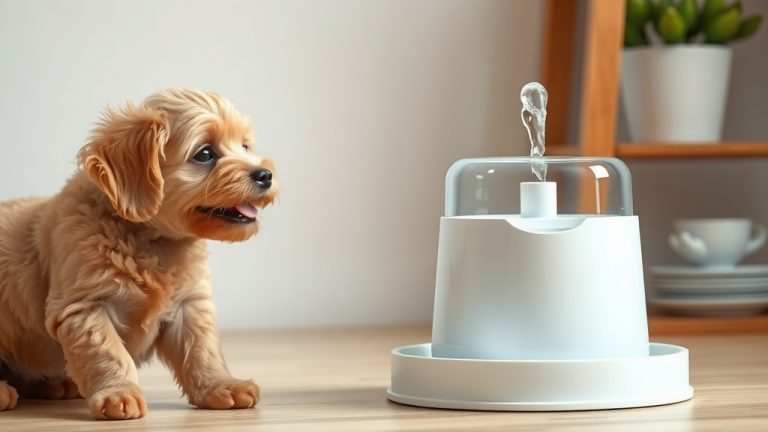
We found that puppies learn to use fountains faster than adult dogs. It is like they think it is a toy. Just make sure the fountain is stable enough that a playful pup cannot tip it over.
What to Check Before You Buy
You do not need to spend a fortune to get a great fountain. But you do need to know what features matter most. We have done the homework so you do not have to.
Think of it like buying a coffee maker. You want one that is easy to clean, holds enough for your daily use, and does not break after a month. The same logic applies to dog fountains.
| Feature | Why It Matters | What to Look For |
|---|---|---|
| Tank Capacity | Bigger tank means fewer refills | 50 oz for small dogs, 100+ oz for large breeds |
| Filter Type | Removes hair, dirt, and odors | Charcoal filters with easy replacement |
| Material | Durability and safety | BPA-free plastic or stainless steel |
| Noise Level | Keeps your home peaceful | Submersible pump with low vibration |
| Ease of Cleaning | Saves you time every week | Dishwasher-safe parts, wide openings |
Stainless Steel vs. Plastic Fountains
We found that stainless steel is the gold standard for dog fountains. It does not harbor bacteria as easily as plastic. It also lasts longer and does not get scratched up by enthusiastic tongues.
Plastic fountains are cheaper and lighter. That is nice if you travel with your dog. But plastic can develop micro-scratches over time, which become hiding spots for germs.
If you can swing it, go with stainless steel. Your dog will thank you with healthier teeth and gums, and you will not have to replace the fountain every year.
Easy Maintenance Checklist for Busy Owners
Keeping your fountain clean is not hard. But it does take a little consistency. Here is a quick checklist you can follow to keep the water fresh and the pump running smoothly.
- Top off the water daily to keep the pump fully submerged
- Rinse the tank every two days with warm water, no soap needed
- Replace the filter every two to four weeks for best taste
- Deep clean the pump monthly to prevent mineral buildup
- Wipe down the exterior to keep it looking nice
- Watch for algae if the fountain sits in direct sunlight
That is it. Ten minutes a week keeps everything fresh and clean. You spend more time scrolling on your phone than you will maintaining a fountain.
When to Replace Parts
Pumps do not last forever. Most last between one and two years with regular use. If you notice the water flow slowing down or strange noises, it is time for a new pump.
Filters should never be washed and reused. They lose their effectiveness once they have absorbed impurities. Just swap in a fresh one and toss the old one.
We found that buying a spare pump and a pack of filters upfront saves you the headache of emergency shopping later. Keep them in a drawer, and you are always prepared.
The Real Cost of Owning a Fountain
Let us talk numbers. A decent dog fountain costs anywhere from thirty to eighty dollars. Replacement filters run about ten to fifteen dollars per pack.
That might sound like a lot when a water bowl costs five bucks. But think about what you are avoiding. A single vet visit for a urinary tract infection can cost two hundred dollars or more.
The math is simple. A fountain pays for itself the first time it prevents a health scare. Plus, you get peace of mind knowing your dog is drinking clean, fresh water every single day.
Many owners tell us they wish they had switched to a fountain sooner. It is one of those small upgrades that makes a big difference in daily life. Your dog drinks more, you clean less, and everyone is happier.
Conclusion
Your dog deserves better than a stale bowl of water. A dog water fountain is one of the simplest upgrades you can make for their health and happiness. We covered the big wins: more hydration, cleaner water, better kidney health, and less scrubbing for you.
The research is clear. Dogs prefer moving water, and they drink more when it tastes fresh. That extra hydration prevents costly vet visits and keeps your pup feeling great every day.
So what are you waiting for? Pick a fountain that fits your dog’s size and your home’s style. Set it up tonight. Watch your furry friend discover their new favorite spot in the house. Your dog will thank you with more energy, better health, and plenty of happy tail wags.
Frequently Asked Questions
How often should I change the water in my dog’s fountain?
You should top off the water daily to keep the pump fully submerged. Plan to completely empty and rinse the tank every two to three days.
Fresh water keeps the filter working properly and prevents bacteria growth. If you notice any slime or odor, clean it right away. Your dog will appreciate the fresh taste.
Will my dog be scared of a water fountain at first?
Some dogs are cautious around new things, especially moving water. Most pups warm up within a day or two. You can help by placing the fountain next to their old bowl at first.
Let them sniff and explore it on their own terms. Once they take that first sip, they usually get the hang of it fast. Patience is key, and treats nearby never hurt.
Can a dog water fountain help with bad breath?
Yes, better hydration supports saliva production, which helps wash away food particles in your dog’s mouth. The filtered water also reduces bacteria that cause odors.
Keep in mind a fountain is not a replacement for brushing your dog’s teeth. But combined with good dental care, it can make a noticeable difference in their breath.
Is it safe to leave a dog fountain running while I’m at work?
Absolutely. Dog fountains are designed to run continuously and safely while you are away. The pump uses very little electricity and is fully submersible in water.
Just make sure the tank is full before you leave. A fountain with a large capacity will keep your pup hydrated all day without running dry.
How long do dog water fountain pumps typically last?
Most pumps last between one and two years with regular care. Cleaning the pump monthly helps extend its life and keeps the water flowing smoothly.
If you notice weaker flow or unusual noise, that is a sign the pump may need replacing. Keeping a spare on hand means you never have to wait for shipping.