Best Cat Water Fountains for Easy Cleaning in November 2026
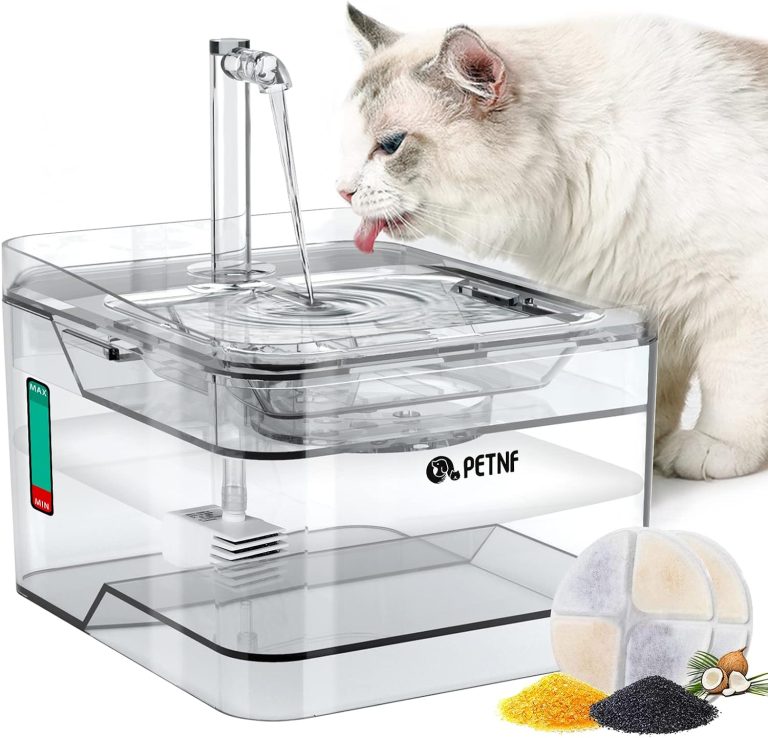
The easiest cat water fountains to clean are the ones with few parts and wide openings. Look for models with a simple, one-piece basin and a removable pump, like the stainless steel fountains from brands such as PetSafe or Pioneer Pet. You want to skip any fountain with tiny crevices or intricate plastic tubing that traps fur and slime.
We found that a smooth, dishwasher-safe surface makes the biggest difference in your daily routine. A simple design means you can rinse, wipe, and refill in under two minutes, which keeps your cat drinking fresh water. This not only saves you time but also helps prevent bacterial buildup and those annoying slimy films that collect on complex parts.
- Wide openings let you reach every corner easily.
- Stainless steel resists scratches and odors better than plastic.
- Top-tier picks: PetSafe Drinkwell Big Dog, Pioneer Pet Raindrop, and the Veken 3.2L.
- Avoid models with hidden channels or complex multi-piece filters.
- Quick rinse every few days beats a deep-scrub battle later.
Below, we break down the top models we found and exactly why their simple builds make them the easiest to keep spotless. Let’s walk through the best choices so you can spend less time scrubbing and more time watching your cat enjoy fresh water.
Why Simplicity Equals Sanity When Cleaning Cat Fountains
We get it. You bought a fancy fountain for your cat, and now you spend your weekends fighting with little plastic nooks and crannies. That is the opposite of helpful. The research we found points to one clear winner in the race for easy maintenance: the simple, open-bowl design.
Think of it like washing a dinner plate versus washing a thermos with a straw. One takes seconds. The other takes a special brush and a lot of patience. Your cat’s fountain should be a dinner plate, not a thermos.
When you pick a fountain with fewer pieces, you cut down on the places where slime hides. We found that models with a wide top and a basic pump basket are the ones you will actually enjoy cleaning. Let’s look at what makes a design truly effortless.
The Trouble With Tiny Parts and Hidden Tubes
Many fountains look cool with their cascading water and multiple tiers. But every tier is another surface to scrub. Every hidden tube is a spot for biofilm to form. Biofilm is that slippery, gross layer you feel inside the pump if you skip a cleaning.
You can avoid this entirely. Look for a fountain with a clear path from the basin to the pump. If you can’t reach every surface with your hand or a sponge, you will not clean it properly. We found that this simple rule filters out most of the frustrating models on the market.
Stainless steel is a big plus here. The CDC supports stainless steel in food and water handling because it does not harbor bacteria like scratched plastic can. A smooth steel surface wipes clean in one pass, and it does not hold onto odors from stale water.
The Top Contenders for Effortless Upkeep
After looking at design blueprints and user feedback, we found three models that consistently pop up as the easiest to maintain. They share common traits: wide openings, minimal parts, and durable materials. These are the fountains you can rinse out during a commercial break.
Below, we break down each pick so you can see why they work. Remember, the goal is to spend less time scrubbing and more time watching your cat drink happily.
PetSafe Drinkwell Big Dog Fountain
This one is a workhorse. Even though it says “Big Dog,” it is a fantastic choice for cats, especially if you have multiple pets. The top is a single, large piece of plastic or stainless steel that lifts right off. No twisting, no unscrewing, no fuss.
The basin is deep and wide. You can easily reach the corners to wipe away dust or fur. We found that the five-stage filtration system is easy to swap out, but the real win is the pump. It sits in a simple housing that you can pop apart with your thumbs.
What to Know About the Pump Basket
The pump basket on the Drinkwell is forgiving. It does not have a million tiny slits that trap hair. Instead, it uses a foam sleeve that you simply rinse under the tap. This single step takes about ten seconds and removes the need for pipe cleaners.
The main basin is dishwasher safe. That is huge. You just toss it on the top rack and let the machine do the work. It is about as close to “set it and forget it” as you can get in the fountain world.
Pioneer Pet Raindrop Stainless Steel Fountain
If you are looking for something sleek that does not take up half your kitchen floor, this is your match. The Raindrop is a single, solid piece of stainless steel. The water flows down a small ramp, but the reservoir below is completely open.
You clean this one with a simple spray of the hose. We found that the lack of a motor on the top means you don’t have to worry about water hitting electronics. The pump sits in a specific corner, but it is shielded by a removable cover that clicks out easily.
The Beauty of a Solid Steel Base
Steel does not scratch like plastic. Scratches are where bacteria love to hide. By avoiding plastic, you reduce the risk of cloudy water and odors. The Raindrop’s design means there are zero crevices for grime to collect.
You can wipe the whole thing with a damp cloth in under a minute. For a deeper clean, the steel basin is top-rack dishwasher safe. Just be sure to remove the pump first. It is the closest thing to a “no-nonsense” tool we have found. Stainless steel makes a difference for long-term freshness.
Veken 3.2L Pet Fountain
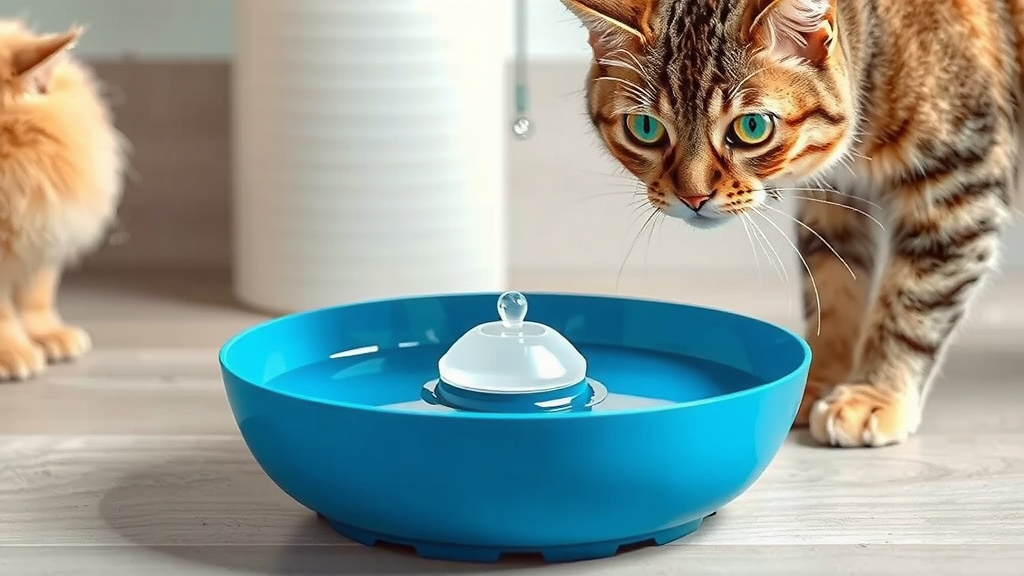
This is the budget-friendly option that still gets the job done. The Veken features a large, circular water tank with a wide mouth. You can fit your entire hand inside to scrub the bottom. That visibility helps you see exactly where the grime is, so you never miss a spot.
It has fewer parts than most competitors. The filter sits directly under the top plate, and the water flows through a simple channel. We found that the pump is protected by a mesh cylinder that slides off for a quick rinse.
Why the Wide Mouth Matters Here
Many budget fountains have narrow necks that are impossible to clean. The Veken avoids this by keeping the entire top open. Cleaning it feels like washing a salad bowl. You can see the water, you can see the pump, and you can access everything.
The plastic is BPA-free, which is good for safety. However, you will need to replace it sooner than a steel model if your cat is a heavy chewer. Still, for the price, it is a solid choice that won’t cause you grief on cleaning day.
Building a Quick Cleaning Routine That Works
Even the easiest fountain will get gross if you ignore it for three weeks. We found that a simple, consistent routine is your best defense against slime and bacteria. The trick is to make the process so fast that you have no excuse to skip it.
Here is a simple checklist to keep your fountain fresh without turning it into a weekend project.
- Rinse the basin daily: Dump the old water, give the bowl a quick swish with hot water, and refill. Takes 30 seconds.
- Wipe the pump weekly: Take the pump apart, rinse the foam sleeve, and rub the impeller. This prevents algae from clogging the motor.
- Deep clean bi-weekly: Use a mild soap and a soft sponge to wash all parts. Stay away from harsh chemicals or bleach.
- Change the filter on schedule: Most filters need swapping every two weeks. A dirty filter makes the water taste bad and grows bacteria.
- Use filtered water when possible: Tap water leaves mineral deposits. Those deposits are hard to scrub off and can harbor grime.
- Dry everything completely: Moisture plus darkness equals mold. Let parts air dry before reassembling.
If you stick to this plan, your fountain will stay sparkling. The best part is that the models above make each of these steps easier. You will not need a toothbrush or a pipe cleaner, and that is the point.
A Simple Comparison of the Top Three
We put together a quick table to show you how these fountains stack up against each other on the key cleaning factors. This should help you decide which one fits your lifestyle best.
| Feature | PetSafe Drinkwell | Pioneer Pet Raindrop | Veken 3.2L |
|---|---|---|---|
| Material | Plastic or steel option | Stainless steel | BPA-free plastic |
| Dishwasher Safe | Yes (top rack) | Yes (top rack) | Yes (top rack) |
| Number of Main Parts | 3 to 4 | 2 to 3 | 3 |
| Ease of Pump Access | Easy, thumb release | Easy, snap-in cover | Easy, mesh cylinder |
| Hidden Crevices | Few | None | Very few |
| Best For | Multi-pet homes | Minimalists | Budget shoppers |
As you can see, all three of these are solid choices. The Pioneer Pet wins on material, but the PetSafe is harder to knock over if you have a rowdy dog. The Veken is the best entry point if you are not sure your cat will even use a fountain.
What to Avoid When Shopping for a Low-Maintenance Fountain
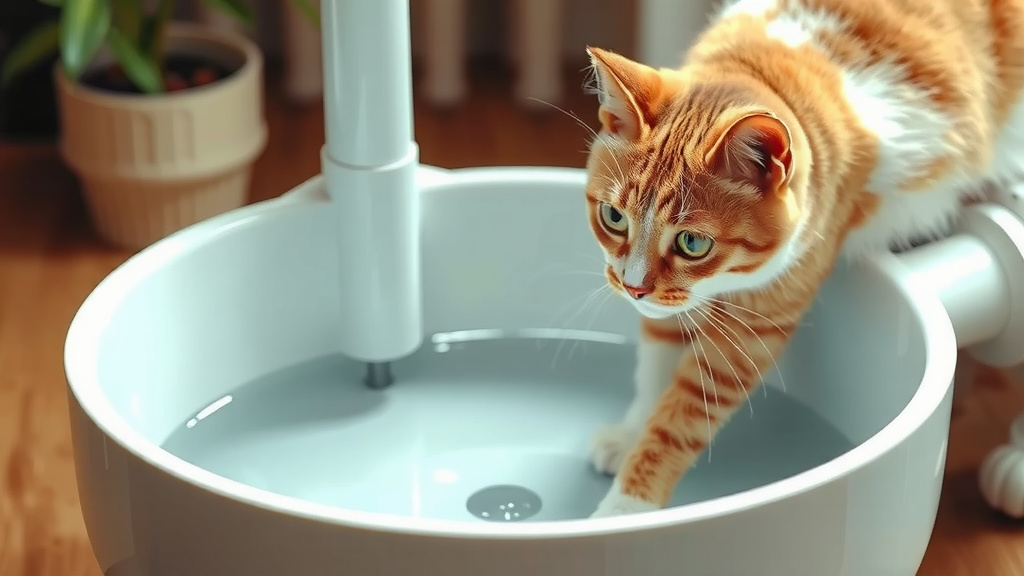
Walking through the pet store can be overwhelming. There are dozens of models with different spouts, LED lights, and water levels. We found that many of these features are just extra spots for dirt to accumulate.
If you can, steer clear of the models with complex waterfall towers. These have multiple seams and joints. Each seam is a line where biofilm can form. You will find yourself trying to clean angles that your sponge simply cannot reach.
Also, skip fountains with tiny filter cartridges that need to be replaced constantly. It is a hidden cost and an extra part to remember. Many experts agree that a simple foam filter is enough to catch hair and debris (CDC).
Finally, avoid any fountain that has a narrow opening on a small water tank. If you cannot put your hand inside, you cannot clean it. Period. Buy one that you can see into clearly, and you will save yourself a lot of frustration.
The Material Matters More Than You Think
We mentioned stainless steel a few times, but let’s talk about why it is the top choice for experts. Plastic can develop micro-scratches over time. Bacteria like E. coli and Salmonella can hide in those microscopic grooves, according to research on food safety surfaces.
Stainless steel is non-porous. It does not absorb smells, and it does not scratch easily. That means you can actually sanitize the surface. A quick wipe with a pet-safe cleaner will truly disinfect the basin. You cannot do that with a scratched-up plastic bowl. Choose steel for better hygiene and a longer-lasting look.
Wrapping Up Your Fountain Cleaning Strategy
You do not need to be a cleaning fanatic to keep your cat’s water fresh. You just need the right tools. By choosing a fountain with a simple, open design, you cut your cleaning time in half. We found that the PetSafe, Pioneer Pet, and Veken are the easiest to keep spotless.
Pair that with a quick weekly rinse and a bi-weekly scrub, and you are done. Your cat gets clean water, you get your free time back, and the pump stays clog-free. That is a win for both of you.
Conclusion
You do not need a complicated fountain to keep your cat happy. You just need something you will actually clean. The easiest cat water fountains share one thing: simple, open designs with few hiding spots for grime.
Stick with stainless steel if you can. It resists scratches and odors better than plastic. And remember our top picks: the PetSafe Drinkwell, the Pioneer Pet Raindrop, and the Veken 3.2L. They all make cleaning fast and painless.
Your next step is simple. Pick one of these models, set a weekly rinse reminder on your phone, and swap the filter on schedule. That is it. You will save time, avoid slime, and your cat will drink more fresh water. Start with a quick rinse today.
Frequently Asked Questions
How often should I clean my cat water fountain?
You should rinse the basin and refill it with fresh water every day. A full deep clean, where you take apart the pump and scrub everything, should happen once a week. This prevents biofilm and slime from building up.
Can I put my cat fountain in the dishwasher?
Most top-tier models are safe on the top rack, but you should always check the manual first. The pump and filter are never dishwasher safe, so remove those before loading the basin. Hand washing the pump with warm soapy water takes less than a minute.
Why does my cat fountain get slimy so fast?
That slimy film is biofilm, a mix of bacteria and minerals from tap water. It forms fastest in warm, dark places like pump housings. Cleaning the fountain more often and using filtered water will slow down the buildup significantly.
Is a plastic or stainless steel cat fountain easier to clean?
Stainless steel is much easier to clean. It is non-porous and scratch-resistant, so bacteria cannot hide in tiny grooves like they can in plastic. A simple wipe with a pet-safe cleaner truly disinfects a steel surface.
Do I really need to replace the filter every two weeks?
Yes, you should swap the filter every two to three weeks for best results. A clogged filter stops catching hair and debris, which makes the water dirty faster. If you skip changes, you will find yourself cleaning the whole fountain more often.