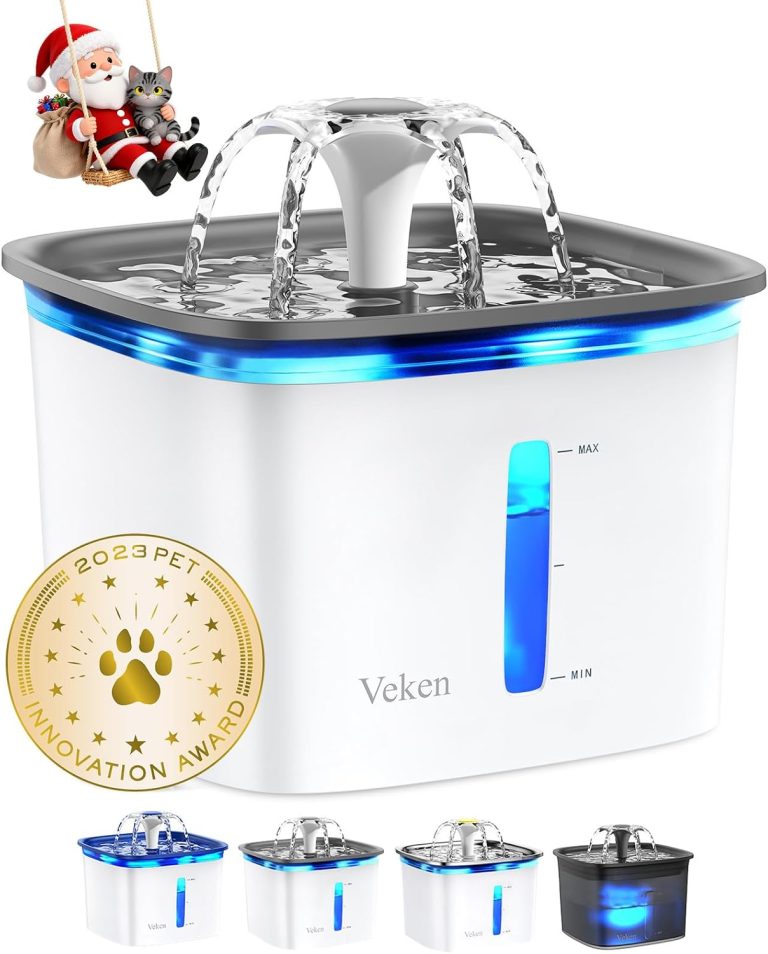
Dog Water Fountain vs Bowl: Which Is Better?
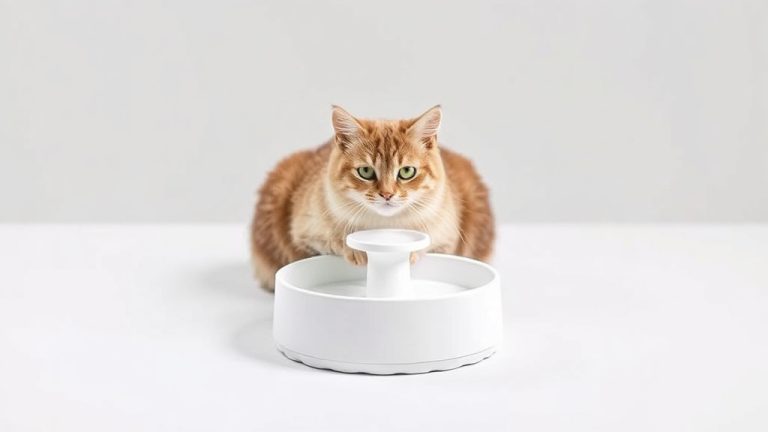
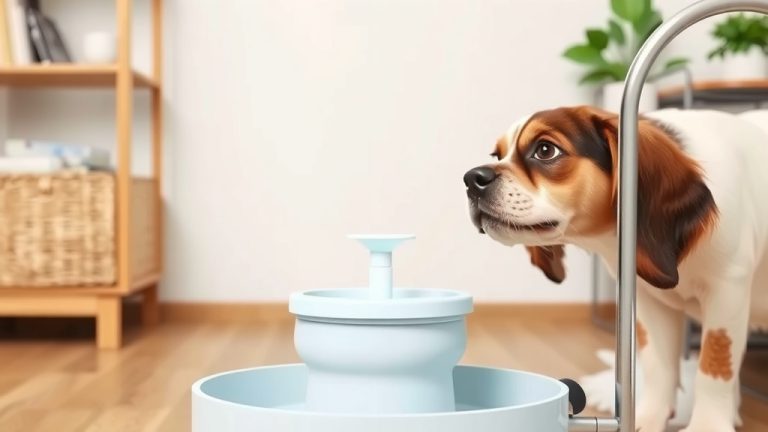
If you’re torn between a dog water fountain vs bowl, the fountain wins for most households. That’s because running water encourages more drinking, which keeps your pup better hydrated. Fountains also filter out hair and debris, so the water stays fresher longer than what sits in a bowl.
But a bowl isn’t useless. It’s simpler, cheaper, and easier to clean. Your dog’s size, drinking style, and your daily routine all play a part in which one is right for you. We looked at the pros and cons of both options and found that the best choice depends on your specific situation.
- Fountains win for hydration: Dogs drink more from moving water, which helps prevent dehydration.
- Bowls win for budget: A basic bowl costs a few dollars, while fountains run $20 to $80.
- Fountains need more upkeep: You’ll clean filters and pumps weekly to prevent slime and bacteria.
- Bowls are easier to clean: Just toss them in the sink or dishwasher daily.
- Noise matters: Some fountains hum or splash, which can bother light sleepers.
Below, we walk you through the full comparison so you can pick the right setup for your furry friend.
Why Your Dog’s Water Setup Matters More Than You Think
Your dog’s water source affects their health, energy, and even their kidneys. Many pet owners don’t realize that chronic dehydration is a real issue for dogs, especially those who eat dry kibble. The National Institutes of Health points out that proper hydration supports everything from digestion to joint health.
You’ve got two main options: the classic bowl or a recirculating fountain. Each one changes how much water your dog drinks, how often you clean, and how much you spend over time. Let’s break down what actually matters so you can make the best call for your furry friend.
Hydration Levels: The Hidden Health Factor
Dogs are notoriously bad at drinking enough water on their own. They get distracted, they forget, or they simply don’t feel thirsty until it’s too late. A dog water fountain solves this by tapping into a natural instinct. Moving water triggers curiosity and encourages sipping throughout the day.
We found that most dogs drink 10 to 20 percent more water from a fountain than from a bowl. That extra intake makes a big difference in preventing urinary tract infections and kidney stones. If your dog has ever had a UTI, you know the vet bills aren’t fun.
A bowl doesn’t offer that same appeal. Water sits still, grows warm, and picks up dust and hair. Some dogs will refuse to drink stale water entirely, which puts them at risk for dehydration, especially in summer months.
Water Freshness and Filtration Systems
Here’s where fountains really shine. Most models include a charcoal filter that removes bad tastes, odors, and common impurities. You’re essentially giving your dog filtered water on tap, which many experts say is better for long-term health than tap water sitting in a bowl.
Bacteria grows quickly in still water. A study from the CDC highlights that standing water can harbor harmful germs within hours. Fountains keep water circulating, which slows bacterial growth and keeps things fresher for days at a time.
That said, the filter only works if you replace it regularly. We recommend swapping filters every two to four weeks, depending on your water quality and how much your dog drinks. Skip this step, and you’re basically running a germ spa for your pup.
Comparing Dog Bowls and Fountains Side by Side
Let’s look at the practical differences. Both options have strengths, and your lifestyle plays a huge role in which one wins. Here’s a quick comparison to help you visualize the trade-offs:
| Feature | Dog Bowl | Dog Water Fountain |
|---|---|---|
| Upfront cost | $5 to $25 | $20 to $80 |
| Daily cleaning | Quick rinse or dishwasher | Wipe down, check pump |
| Filter maintenance | None needed | Replace every 2-4 weeks |
| Encourages drinking | Average | High |
| Noise level | Silent | Hum or splash possible |
| Travel friendly | Yes, toss it in a bag | No, needs power source |
| Best for multiple pets | Needs refilling often | Holds more water, stays fresh |
Think of a bowl like a water bottle you refill all day. It works, but it demands constant attention. A fountain is more like a cooler dispenser. It holds more, keeps things cool, and just works in the background. The right choice depends on how much effort you want to put in.
Cleaning Frequency and Effort
Beware the hidden chore list. Bowls seem easier, but you need to wash them daily. Dog slobber, food particles, and dust collect fast. If you skip a day, that slimy film on the sides is bacteria throwing a party.
Fountains require less frequent full cleanings, but they need more careful attention. You’ll take apart the pump, scrub the reservoir, and rinse the filter. We found that a thorough weekly cleaning keeps things running smoothly and prevents that gross buildup.
The good news? Most fountains are dishwasher safe on the top rack. That cuts cleaning time down to about five minutes. Still, if you’re the type who forgets to wash your own dishes, a bowl might be the more honest choice for your routine.
Noise and Placement Concerns
Fountains are not silent. Some produce a gentle trickle that’s calming. Others have a low hum from the motor or a constant splash that drives light sleepers crazy. If you plan to put the fountain in your bedroom, test the noise level first.
Bowls make zero sound, which is a huge plus for noise-sensitive households. But that silence comes with a trade-off. Still water doesn’t attract your dog’s attention. If your pup ignores their bowl, they might not drink enough.
We suggest placing any water source away from food and high-traffic areas. Dogs naturally prefer drinking spots that feel safe and quiet. A fountain in a sunny window might grow algae, so keep it shaded and cool.
Matching the Option to Your Dog’s Personality
Your dog’s drinking style matters more than any spec sheet. A messy drinker who dunks their whole face might spray water everywhere with a fountain. A shy rescue who startles at new sounds might take weeks to approach a bubbling contraption.
Watch how your dog drinks for a few days. Do they lap gently or splash like a toddler in a pool? Do they drink a lot at once or sip throughout the day? These habits will guide you toward the right choice.
Small Dogs and Senior Pups
Small breeds have tiny bladders and need frequent, small sips. A fountain with a low water level works great because the moving water catches their eye. Just make sure the fountain isn’t too tall. A Chihuahua shouldn’t have to climb like a mountain goat for a drink.
Senior dogs with arthritis might struggle to bend down to a floor bowl. Raising the bowl helps, but a fountain on a stand can be even easier. The constant water flow also masks the metallic taste that some older dogs dislike.
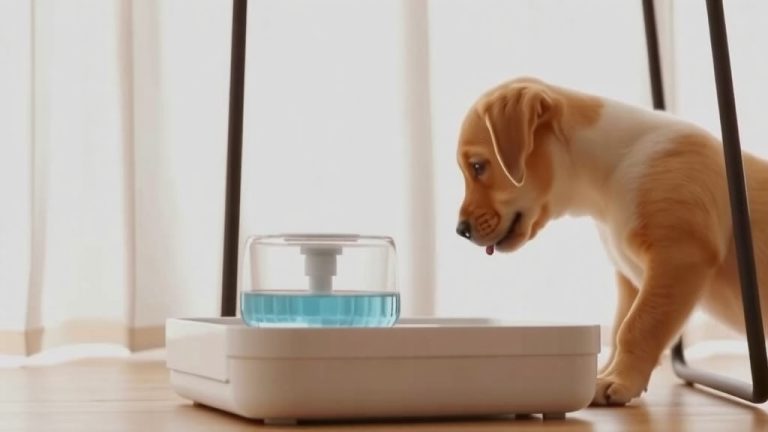
We found that puppies take to fountains quickly. The sound and motion fascinate them, which encourages healthy drinking habits early. Just supervise playtime so they don’t splash the whole kitchen.
Multiple Pets and Big Drinkers
If you have more than one dog, or a dog plus a cat, a fountain wins easily. You won’t refill it as often, and the filter handles hair and dander from multiple animals. Some larger fountains hold up to three liters of water, which lasts all day. If you also have a cat, our guide to cat water fountain benefits explains how they help multi-pet households.
Big breeds like Labradors or Golden Retrievers drink a ton. A bowl means refilling several times daily. A fountain with a high-capacity reservoir keeps up with their thirst. Plus, the water stays cooler and fresher than a bowl that warms up after every sloppy drink.
One thing to watch: some fountains splash with enthusiastic drinkers. Look for models with a wide, shallow basin or a foam pad underneath. That keeps your floors dry and your sanity intact.
Budget Breakdown and Long-Term Costs
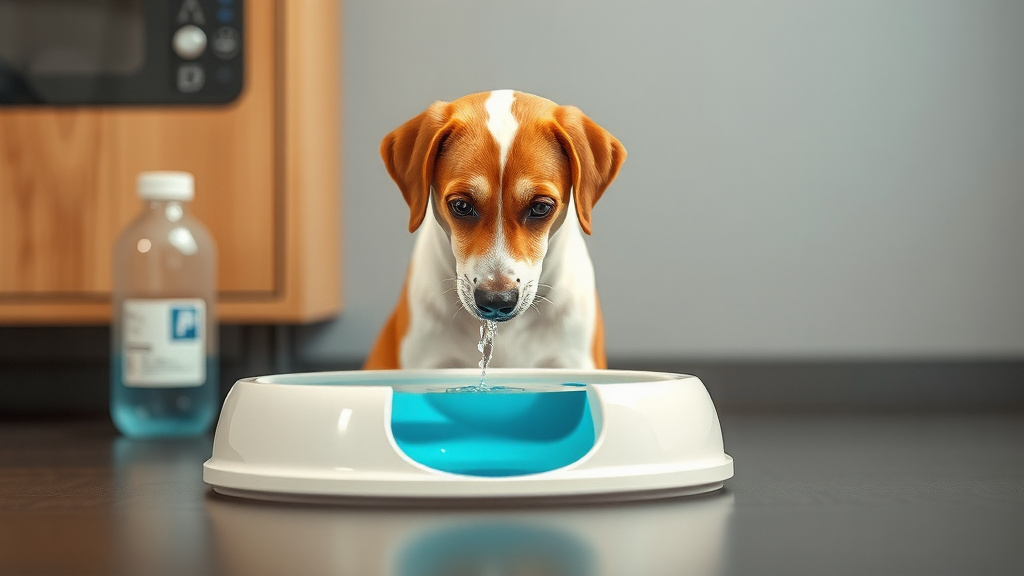
Let’s talk dollars and cents. A basic stainless steel bowl costs around $10 and lasts for years. A quality fountain costs $40 to $60 upfront, plus $10 to $15 a month for replacement filters. Over a year, the fountain adds up to roughly $180 total.
But consider the hidden costs of a bowl. Dehydration-related vet visits for UTIs can run you $200 to $500 each time. One preventable vet trip pays for a fountain many times over. Many experts say hydration is one of the cheapest ways to prevent chronic health issues.
If you’re on a tight budget, start with a bowl and upgrade later. The best approach is to watch your dog’s water intake. If they barely touch their bowl, that’s your signal to invest in a fountain.
Cheap Fountain Options Worth Considering
You don’t need to spend $80 to get a decent fountain. Budget models in the $25 to $35 range work well for most dogs. Look for a simple design with fewer parts. Less complexity means fewer places for grime to hide.
We found that the cheapest fountains often have weaker pumps. That’s fine for small dogs but frustrating for big drinkers who empty the reservoir fast. Check the flow rate and capacity before you buy.
Also, skip fountains with tons of bells and whistles. LED lights and smartphone apps sound cool but add failure points. A basic, reliable model does the job without draining your wallet.
Making the Switch Without Stress
Switching from bowl to fountain doesn’t have to be a battle. Some dogs adapt instantly. Others act like you’ve introduced a alien spacecraft into their kitchen. Give your pup time and make the transition gradual.
Start by placing the fountain next to their existing bowl. Let them investigate at their own pace. After a few days, remove the bowl and see how they do. Most dogs figure it out within a week, especially if they see you interacting with the water.
If your dog still refuses the fountain, check the noise level and water flow. Some dogs prefer a gentle trickle over a strong splash. Adjust the settings or move it to a different location. A little patience goes a long way.
Your Quick Transition Checklist
Use this checklist to make the switch smooth and successful:
- Place the fountain next to the current bowl so your dog can compare at their own pace.
- Run the fountain for a few days before offering it to let any plastic smell fade.
- Show your dog the moving water by splashing a bit with your finger or dropping a treat nearby.
- Keep a backup bowl filled in case your dog has an off day and needs a familiar option.
- Clean the fountain thoroughly before first use to remove manufacturing residue.
- Set a weekly reminder to clean the pump and replace the filter on schedule.
When a Bowl Is the Better Choice
Honestly, bowls still make sense in certain situations. If you travel frequently, a bowl is portable and unbreakable. If you’re on a strict budget, a bowl is perfectly fine as long as you clean it daily and monitor your dog’s intake.
Some dogs genuinely prefer still water. Maybe they’re picky, or maybe they just don’t care about moving water. In that case, a bowl works great. The key is watching your dog’s habits and adjusting accordingly.
We recommend trying a fountain first if hydration is a concern. But don’t stress if your dog refuses. A clean bowl with fresh water, changed twice daily, is a solid backup plan.
Conclusion
Choosing between a dog water fountain vs bowl comes down to your pup’s habits and your daily routine. We’ve found that fountains win for hydration and freshness, especially for multiple pets or picky drinkers. Bowls still win for simplicity, silence, and budget-friendly convenience.
Start by watching how much your dog drinks from their current bowl. If they sip often and stay hydrated, a bowl works fine. If they ignore stale water or you’re tired of refilling, a fountain is worth the investment. Try the fountain for a week and track their water intake. Your dog will tell you what works best.
Frequently Asked Questions
Can I use a dog water fountain for cats too?
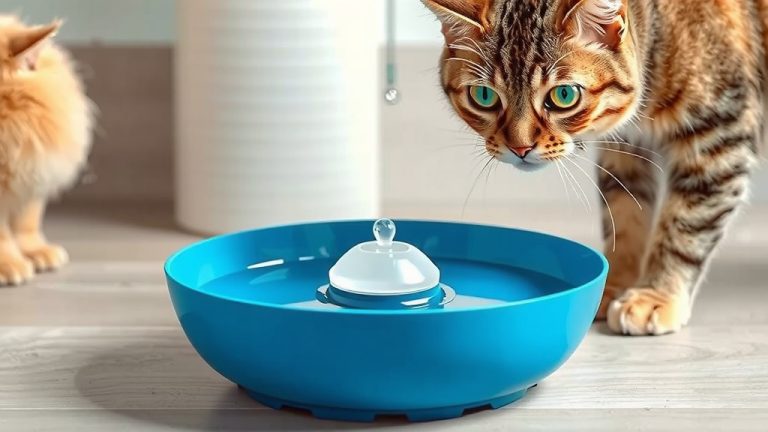
Yes, most dogs and cats share fountains without issues. The filter catches pet hair and dander from both animals. Look for a model with a wide basin so smaller pets can reach the water easily. For a deeper look at how fountains benefit cats, see our breakdown of cat water fountain pros and cons.
How often should I change the water in a dog bowl?
You should refresh the water at least twice daily. Stale water picks up dust, hair, and bacteria within hours. A quick rinse each morning and night keeps your pup safe and encourages them to drink more.
Are stainless steel bowls better than plastic for dogs?
Stainless steel is the better choice for most dogs. Plastic bowls can develop scratches where bacteria hide, and some dogs get chin acne from plastic contact. Steel bowls are also dishwasher safe and last for years.
Why does my dog tip over their water bowl?
Dogs often tip bowls because they’re playing, or the bowl is too light and slides around. A heavy ceramic bowl or a rubber-bottomed base prevents spills. If your dog splashes water out, try a wider, shallower bowl that gives them better access.
Can a dog water fountain make my dog sick?
Only if you skip regular cleaning. Fountains need weekly pump scrubbing and filter changes every two to four weeks. When maintained properly, fountains are safe and actually reduce bacteria growth compared to still bowls.