How to Change a Pet Water Fountain Filter: Step-By-Step
To change the filter on your pet water fountain, turn off and unplug the fountain first, then remove the old filter and rinse the new one under cold water for 30 seconds before placing it into the filter slot. That simple process takes about two minutes and keeps your pet’s water fresh and clean.
Keeping your pet’s water fountain filter fresh is one of the most important parts of routine maintenance. Dirty filters can harbor bacteria, affect water flow, and make your pet less likely to drink. Replacing filters regularly also helps reduce fur, debris, and mineral buildup inside the pump and reservoir.
- Always unplug the fountain before removing the filter.
- Rinse the new filter under cold water before installing it.
- Most filters need replacing every 2 to 4 weeks, depending on usage.
- Use only the filter recommended for your specific fountain model.
- Clean the pump and fountain bowl during each filter change.
Below, we break down exactly how to swap out the filter step by step, plus how often you should do it. Let’s walk through the whole process so your furry friend always has fresh, flowing water.
Swapping Out the Filter in Your Pet Water Fountain
You can change the filter in about two minutes once you get the hang of it. Most fountains use a simple drop-in design that requires zero tools. You do not need to be handy or mechanically inclined to get this right.
What You Need Before You Start
Gather a few items before touching the fountain. You will need the replacement filter, a soft sponge or cloth, and access to a sink with cold running water. Keep a paper towel handy for drying the base.
Check that you have the right filter for your model. Using a generic one can cause poor water flow. Many experts say sticking with the brand-specific filter keeps the pump running smoothly and prevents leaks.
Finding Your Fountain Model Number
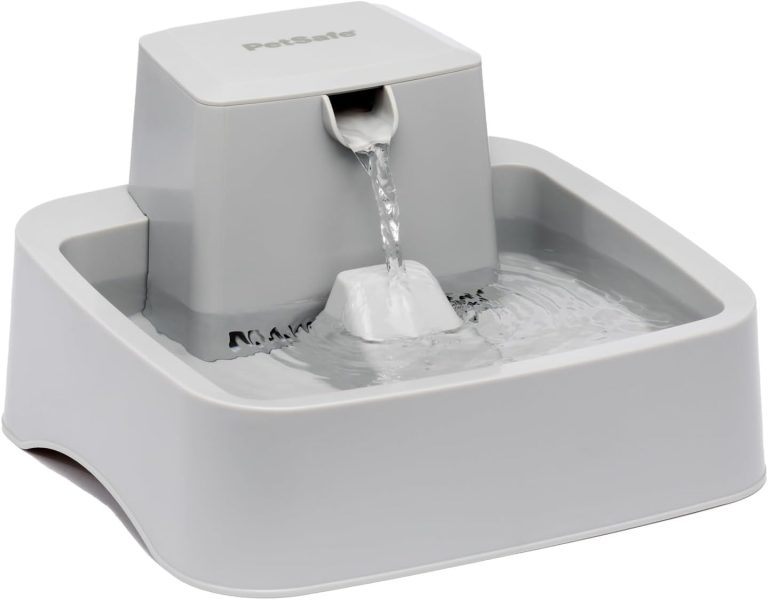
Flip the fountain upside down. Look for a sticker or raised imprint with the model name and number. Most brands like PetSafe, Veken, or Catit print this clearly on the bottom. Write it down if you tend to forget.
Ordering the exact filter is easy once you have the model. You can usually find the right one on Amazon or the manufacturer’s website. Many pet owners find that setting up a subscription saves them from running out at the worst time.
Step-by-Step: Changing the Filter Without the Mess
Start by unplugging the fountain and lifting it off the floor. Place it on a towel to catch stray drips. Never leave the fountain plugged in while your hands are in the water.
We found that doing this near a sink makes the whole job easier. You can rinse parts immediately without carrying wet pieces across the house. Keep everything within arm’s reach.
Step 1: Unplug and Disassemble the Fountain
Pull the plug from the wall outlet first. Then separate the top lid, the reservoir bowl, and the pump chamber. Some models have multiple pieces, so take a quick photo of the assembly before you take it apart. That photo will save you from guesswork on reassembly.
Remove the pump from its housing. Set it aside on a dry paper towel. The pump does not need a full cleaning every single filter change, but it does need a quick check for debris wrapped around the impeller.
Step 2: Remove the Old Filter and Trash It
Slide the old filter out of its slot. It may feel slimy or discolored after weeks of use. That is normal. The filter has been trapping fur, food particles, and dissolved minerals.
Do not try to wash and reuse the old filter. Once the activated carbon is full, it stops working. Washing only removes surface dirt; it cannot restore the chemical filtration power. Throw it in the trash.
Step 3: Rinse the New Filter Thoroughly
Hold the new filter under cold running tap water for about 30 seconds. Let the water flow through both sides. You might see a few dark specks or fine black dust coming off the filter. That is loose carbon powder, and it is completely normal.
Most guidelines say to soak the filter in a bowl of cold water for 5 minutes before installing it. That extra soak helps saturate the carbon so it activates faster. Skip the soak only if you are in a serious hurry.
Do not use hot water on the filter. Heat can damage the carbon structure and shorten the filter’s lifespan. Cold water is always the safe choice.
Step 4: Install the Fresh Filter
Slide the wet filter into the designated slot. Push it down gently until it sits flush with the bottom. Ensure the rounded edges match the shape of the slot. If it resists, flip the filter around; you might have it backwards.
Reattach the pump and reconnect all the fountain layers. Press the top pieces firmly to create a seal. Loose connections cause leaking and noisy bubbling sounds.
Step 5: Refill and Test the Water Flow
Fill the fountain with fresh, cold water. Keep the water level below the manufacturer’s max fill line. Plug the fountain back in and watch the water cycle for a minute.
You should see a steady stream within a few seconds. If the flow sputters or looks weak, unplug the unit and check for an air bubble blocking the pump intake. Tilt the pump slightly to release trapped air.
Let the fountain run for an hour before letting your pet drink. This flushes any remaining loose carbon dust through the system. Dump that first batch of water and refill one more time for the cleanest result.
Dealing With a Stubborn or Stuck Filter
Sometimes old filters get wedged in the slot from mineral buildup. If the filter will not slide out, do not force it with a knife or screwdriver. Instead, soak the entire pump housing in warm water for 15 minutes to loosen the deposits.
One study on water appliance maintenance notes that gentle soaking dissolves hard-water scale better than scraping (National Institutes of Health). After soaking, the filter should lift out with minimal effort.
How Often Should You Replace the Filter?
Most manufacturers recommend replacing the filter every 2 to 4 weeks. Fountains with heavy daily use by multiple pets fall on the 2-week end. A solo cat that drinks lightly might stretch to 4 weeks.
Pay attention to the water. If the stream slows down or the water smells musty, change the filter immediately. Your pet’s nose is more sensitive than yours; they will notice the stale odor even if you do not.
| Situation | Recommended Filter Change Interval |
|---|---|
| One cat, light drinker | Every 4 weeks |
| One dog, average drinker | Every 3 weeks |
| Multiple pets sharing one fountain | Every 2 weeks |
| Fountain in direct sunlight or near a heat vent | Every 2 weeks |
| Noticeable slow water flow or odor | Change immediately |
Your climate affects the filter too. Warm, humid homes encourage algae and bacteria growth. If you live in a hot region, you may need to change the filter more often than the standard schedule.
Cleaning the Fountain While You Change the Filter
A filter change is the perfect time to clean the rest of the fountain. You already have the unit disassembled, so why not finish the job? This habit keeps the water fresher for longer and reduces strain on the pump.
Washing the Bowl and Lid
Wash the plastic pieces with warm soapy water. Use a mild dish soap without strong fragrances or dyes. Rinse thoroughly so no soap residue remains. Soap residue can upset your pet’s stomach.
Do not put the fountain parts in the dishwasher unless the manual says it is safe. The high heat can warp plastic and destroy the seal rings. Hand washing is gentler and safer for the pump components.
Scrubbing the Pump and Impeller
Take the pump apart according to the manual. Usually, you twist the front cover counterclockwise to release the impeller. Use a soft toothbrush or cotton swab to wipe away grime from the impeller blades.
We found that fur wraps around the impeller like thread on a spool. That fur causes the pump to whine and slow down. Removing it restores full water flow instantly. A clean pump also uses less electricity.
Signs Your Pet’s Fountain Filter Needs Changing Sooner
Filters do not always follow a strict timeline. Sometimes they fail early. Watch for these warning signs so you can swap the filter before problems start.
- Water flow has visibly slowed down at the spout or stream.
- The water looks cloudy even right after you refill the bowl.
- A musty or sour smell comes from the fountain area.
- Your pet is drinking less or showing less interest in the fountain.
- Algae or slime appears on the bowl surface within days of cleaning.
- The pump makes a gurgling noise that you have not heard before.
Any one of these signs means the filter is past its prime. Do not wait for the scheduled change date. Swap it out right away to keep your pet hydrated and happy.
Common Mistakes to Avoid During a Filter Change
Even experienced pet owners make errors during filter swaps. We have rounded up the most frequent slip-ups so you can steer clear of them. Avoiding these keeps your fountain working like new.
Forgetting to Rinse the Filter
Many people drop in a dry filter straight from the package. That releases a burst of loose carbon dust into the water. Your pet might refuse to drink black-speckled water. Always rinse for at least 30 seconds first.
Skipping the Pump Check
Ignoring the pump while changing the filter is a wasted opportunity. A quick 60-second wipe-down prevents expensive pump failures later. Most fountain problems come from a dirty pump, not a dirty filter.
Using the Wrong Replacement Filter
Generic filters may look similar but often have different dimensions. An ill-fitting filter lets unfiltered water bypass the carbon entirely. Check the model number before buying to guarantee a proper fit.
Keeping a Consistent Filter Replacement Schedule
Set a reminder on your phone for the same day every month. Or sync the filter change with your trash pickup day so you remember as you take out the garbage. A simple calendar alert works wonders.
Some fountain brands sell filter packs with multiple refills. Buying a 6-pack means you always have a spare on hand. You will never be stuck with a dirty filter because you forgot to order a replacement.
Many owners find that tying the filter change to another monthly task helps. Change the filter on the first of the month when you pay rent, or whenever you swap your furnace air filter. The habit becomes automatic.
Making the Process Faster Next Time
Write down the steps for your specific fountain model and tape it to the bottom. You will not have to search online every month. This tiny cheat sheet turns a chore into a quick, painless routine.
Keep your cleaning supplies in one small bin near where you fill the fountain. A soft brush, dish soap, and a spare filter all in one place cuts the job down to under two minutes. Your future self will thank you.
The Final Checklist for Every Filter Change
- Unplug the fountain and place it on a towel.
- Disassemble all parts, including the pump housing.
- Discard the old filter and do not reuse it.
- Rinse the new filter under cold water for 30 seconds, then soak for 5 minutes.
- Clean the bowl, lid, and pump with mild soap and warm water.
- Reassemble, refill, and test the water flow before letting your pet drink.
Follow this checklist every time and your fountain will run like new for years. Your pet gets clean water, and you get peace of mind knowing you are doing right by your furry friend.
Conclusion
Changing your pet water fountain filter is a quick, two-minute task that makes a big difference. You just unplug the unit, swap the old filter for a rinsed one, and give the pump a quick wipe. That simple habit keeps the water flowing strong and free of bacteria, fur, and minerals.
Set a monthly reminder on your phone and keep a spare filter pack handy. Once you do it a couple of times, the process becomes second nature. Your pet will drink more when the water tastes fresh, and your fountain will last longer without breakdowns.
Your next step: check your fountain model number and order a fresh pack of filters today. Then mark your calendar for the next change. Your furry friend will thank you.
Frequently Asked Questions
Can I wash and reuse a pet fountain filter?
No, you should never reuse a filter. Once the activated carbon is full of trapped impurities, it stops working. Washing only removes surface dirt from the outside. The chemical filtration power is gone for good.
Why is my pet water fountain filter turning brown?
Brown or dark discoloration is a normal sign that the filter is trapping dirt, fur, and minerals from your water. It means the filter is doing its job. However, once it turns brown, it is time to replace it with a fresh one right away.
Do I need to replace the pump in my pet fountain too?
You only need to replace the pump if it stops working or makes a loud noise after cleaning. Most pumps last 1 to 2 years with regular maintenance. Changing the filter and cleaning the impeller regularly extends the pump’s life.
Is filtered water better for my pet than tap water?
Filtered water removes chlorine, bad tastes, and some minerals that make tap water less appealing to pets. Many pets drink more when the water tastes cleaner. The filter also catches fur and debris that would otherwise sit in the bowl.
My pet won’t drink from the fountain after a filter change. What do I do?
Give your pet some time to get used to the new filter smell. Rinse the filter well and run the fountain for an hour before serving. If your pet still hesitates, add a few ice cubes or pour a small cup of fresh water into their old bowl as a backup.