Ceramic vs Stainless Steel Cat Water Fountains: Which to Choose
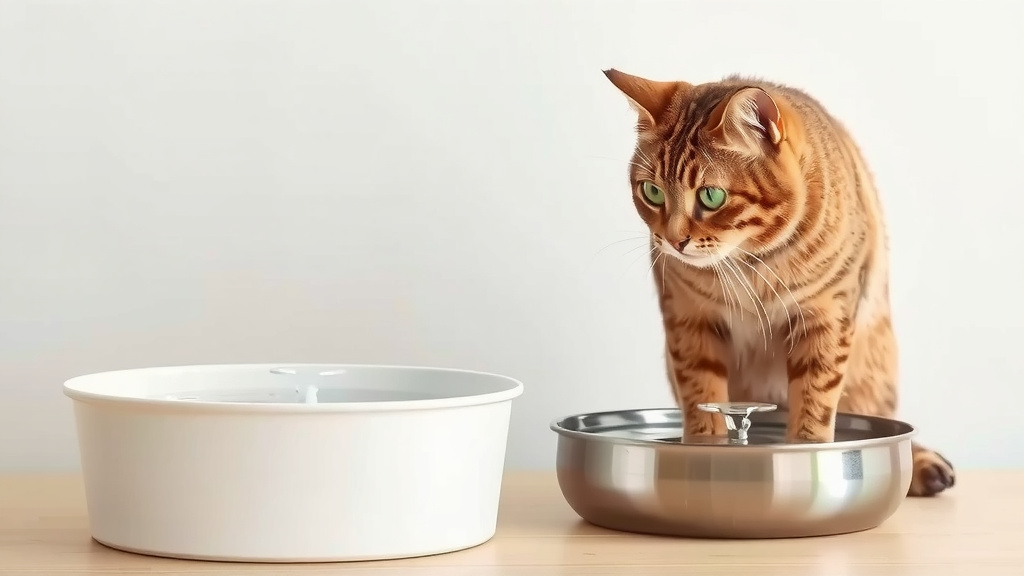
For most cat owners, stainless steel is the better choice for a cat water fountain. It wins on durability, hygiene, and long-term value. Ceramic fountains look beautiful, but they chip, crack, and weigh a ton. We found that stainless steel resists bacteria better and holds up to daily washing without breaking.
Your cat’s health depends on drinking enough water, and the fountain material plays a big role. Ceramic fountains are heavier, so they don’t slide across the floor. But that same fragility makes them risky in a busy home. Stainless steel is lighter, easier to clean, and won’t absorb odors or stains over time. Both work, but they solve different problems.
- Winner for durability: Stainless steel. It never chips or cracks, even if it drops.
- Winner for looks: Ceramic. It looks nicer and fits your kitchen decor better.
- Winner for cleaning: Stainless steel. It’s dishwasher-safe and resists hard water spots.
- Winner for safety: Ceramic is safe, but stainless steel is safer because there are no sharp edges after breakage.
- Winner for picky cats: It depends on your cat. Some hate the metal taste, some love the cool surface.
Below, we break down the full comparison so you can pick the right fountain for your cat. We’ll cover price, noise, maintenance, and which one your cat will actually use. Let’s walk through it together.
Ceramic vs. Stainless Steel Cat Water Fountains: The Full Breakdown
You want a fountain that keeps your cat drinking and stays easy to maintain. We found that the material choice matters more than most people think. Ceramic and stainless steel both move water and encourage drinking. But they differ in how they hold up over time, how they feel to your cat, and how much work they take to keep clean.
Let’s look at each material side by side. We’ll cover what it’s like to live with both. You’ll know exactly which one fits your home and your cat’s personality before you buy.
Why the Fountain Material Even Matters
Cats are picky drinkers. They care about water temperature, taste, and how the bowl feels on their whiskers. The material changes all three things. Plastic fountains often cause chin acne in cats. That’s a well-known issue among vets and cat owners. Ceramic and stainless steel avoid that problem entirely.
But the two safe materials behave very differently. Stainless steel is a metal, so it stays cooler. Ceramic is a fired clay, so it holds room temperature longer. Your cat will notice the difference. We found that some cats strongly prefer one over the other. Pay attention to your cat’s habits before you pick.
Stainless Steel Water Fountains: The Workhorse Option
Stainless steel fountains are built like a good kitchen pot. They take a beating and look the same afterward. This is the material we found holds up best in multi-cat homes and busy households. If you drop it, it dents. It does not shatter. That’s a huge win if you have tile floors.
The surface is non-porous. That means bacteria, mold, and slime have a hard time attaching. Many experts say stainless steel is the most hygienic material for pet bowls. You can also put most stainless steel parts in the dishwasher. That makes weekly deep cleaning painless.
Durability and Daily Life
We found that stainless steel survives almost anything. Kids knock it over. Dogs bump into it. It slides across the floor when your cat jumps on it. But it never cracks or chips. The metal is tough and flexible. It absorbs impact instead of breaking.
The trade-off is weight. Stainless steel fountains are lighter than ceramic ones. So they move around more. If you have a cat that likes to push things, you might need a non-slip mat underneath. Many fountains come with rubber feet to help with this. We found that the lighter weight makes cleaning easier, though. You can carry it to the sink with one hand.
Cleaning and Maintenance Routine
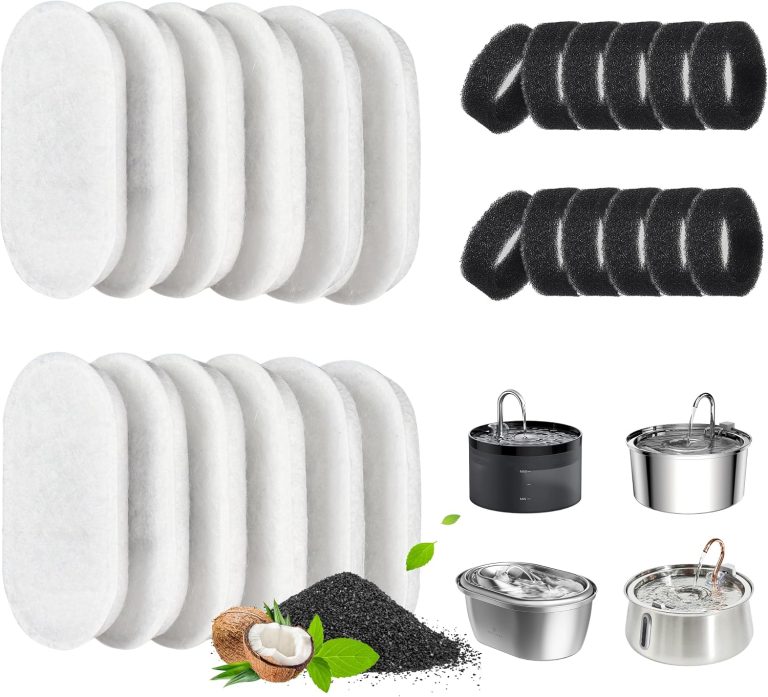
Daily maintenance is simple. Rinse the basin, wipe it down, and refill. Weekly, you should take it apart and wash every piece. Most stainless steel fountains have dishwasher-safe parts. We found this cuts cleaning time in half. For keeping the water clean, our guide to the best pet water fountain filters explains which ones fit common models.
Hard water spots are the biggest complaint with stainless steel. You’ll see white mineral deposits build up over time. White vinegar cuts through these easily. Soak the parts for 15 minutes and they look new again. Stainless steel does not absorb odors either. That means no lingering smell of old food or stale water.
Does Stainless Steel Taste or Smell Funny?
Some cats are sensitive to the metallic taste of stainless steel. We found this is rare, but it happens. If your cat sniffs the water and walks away, this might be why. The water can pick up a very slight metallic note, especially in the first few weeks. Washing the fountain with warm soapy water before first use helps.
Most cats adapt quickly. The cool surface actually attracts many cats. They like the fresh, cold feel. The non-porous surface means the water stays cleaner longer. That also keeps the taste more neutral over time. Many guidelines point to stainless steel as the top choice for hygiene (CDC pet safety resources).
Ceramic Water Fountains: The Beautiful Alternative
Ceramic fountains look like a piece of your kitchen decor. They come in glazed colors and smooth shapes. If you care about aesthetics, ceramic wins. It looks like a water feature, not a pet appliance. Many people choose ceramic because it matches their home design.
Ceramic is also heavy. That weight keeps the fountain planted on the floor. Cats can jump on it without it sliding. The material is naturally cool to the touch but does not get as cold as stainless steel. That makes it a good middle ground for cats who dislike cold water.
The Fragility Factor
Ceramic chips and cracks. That’s the biggest downside we found. A small drop on a hard floor can cause a crack. Once ceramic cracks, bacteria can hide in the fissure. That makes it unsanitary and risky. You also have to deal with sharp edges if it breaks.
Many experts say to replace a chipped ceramic fountain right away. The glaze is what makes it safe. When the glaze chips, the porous clay underneath gets exposed. That clay absorbs water and grows bacteria. A chipped fountain is worse than a plastic one. Keep this in mind if you have clumsy hands or rowdy pets.
Cleaning a Ceramic Fountain the Right Way
Ceramic is easier to clean than plastic but harder than stainless steel. The surface is smooth and glazed. That makes it resistant to stains. But you cannot put most ceramic fountains in the dishwasher. The high heat can crack the glaze. You’ll have to hand wash everything.
We found that ceramic fountains show mineral buildup more clearly. Hard water spots look like white powder on the surface. They require a bit of scrubbing to remove. Ceramic also absorbs odors if left dirty for too long. Keep a consistent cleaning schedule to avoid this problem.
Hand-Washing Tips for Ceramic Parts
Use warm water and mild dish soap. Avoid abrasive scrubbers that scratch the glaze. A soft sponge works best. For tough mineral spots, use a diluted vinegar soak. Rinse thoroughly afterward. Never use bleach on ceramic. It can damage the glaze and leave a residue your cat will taste.
Let all parts air dry completely before reassembling. This prevents mold from growing in the pump housing. We found that a clean, dry fountain lasts much longer than one that stays wet.
Comparing the Two Side by Side
Here’s a quick snapshot to help you decide. We found that each material has a clear edge in different areas. Your choice depends on what matters most to you.
| Feature | Stainless Steel | Ceramic |
|---|---|---|
| Durability | Dents but never breaks | Chips and cracks easily |
| Weight | Light and portable | Heavy and stable |
| Cleaning | Dishwasher-safe parts | Hand wash only |
| Bacteria resistance | Excellent, non-porous | Good, but risky if chipped |
| Water temperature | Cool to the touch | Room temperature |
| Looks | Functional and modern | Beautiful and decorative |
| Price range | Mid to high | Mid to high |
| Noise level | Depends on pump, not material | Depends on pump, not material |
| Cat preference | Most cats adapt quickly | Good for cats who dislike metal |
We found that both materials work well for the pump and motor. The material does not change noise levels. The pump type determines that. Look for a quiet pump in either case. Your cat cares more about water flow than the outside shell.
Which Material Is Safer for Your Cat?
Safety comes down to two things: what goes into the water and what happens if the fountain breaks. Stainless steel wins on both counts. The metal does not leach chemicals. It does not absorb anything. The water stays pure and clean. Many guidelines point to stainless steel as the safest food and water container material (National Sanitation Foundation standards).
Ceramic is also safe when intact. The glaze seals the clay. No chemicals leach into the water. The danger starts when it chips. Broken ceramic creates sharp edges. Those can cut your cat’s paws or tongue. Stainless steel dents but never creates sharp edges. We found that makes it the safer choice for active households.
What About Cat Acne and Skin Issues?
Cat chin acne is a common problem. It often comes from plastic bowls holding bacteria. Both ceramic and stainless steel avoid this issue. Their smooth, non-porous surfaces do not trap bacteria. This is a major reason to switch from plastic to either material.
We found that stainless steel has a slight edge for acne-prone cats. The metal surface stays cleaner between washes. It also resists bacterial growth better than glazed ceramic. If your cat already has chin acne, try stainless steel first. Many experts say it is the best material for sensitive skin.
Picky Cats and Water Preferences
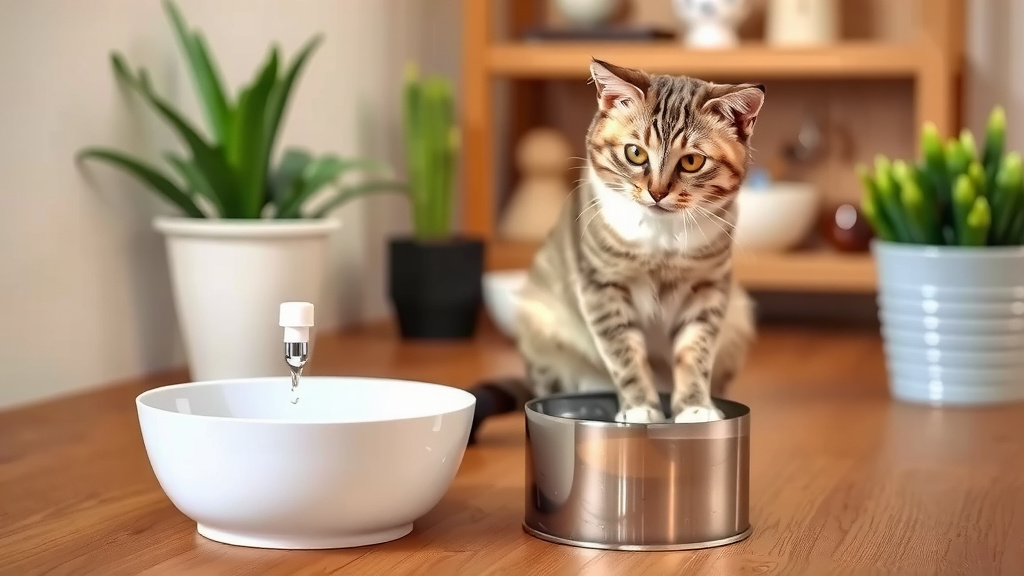
Your cat is the final judge. No amount of research matters if your cat refuses to drink. We found that cat preferences vary widely. Some cats love the cold metal surface. Others avoid it entirely. The best approach is to watch your cat’s current behavior.
If your cat already drinks from a metal bowl, stainless steel is a safe bet. If your cat drinks from ceramic or glass, stick with ceramic. Matching the material to what your cat already accepts makes the transition easier. You can always try both and return one. Many pet stores have generous return policies for this reason.
Signs Your Cat Dislikes the Fountain Material
- Your cat sniffs the water and walks away without drinking.
- Your cat paws at the water but refuses to put its mouth near it.
- Your cat drinks from other sources like the sink or a puddle.
- Your cat scratches the floor around the fountain like it is covering something.
- Your cat shows hesitation before approaching the fountain.
If you see these signs, try the other material. We found that a simple switch often solves the problem. Cats can be dramatic about these things. Patience and observation go a long way.
Price and Long-Term Value
Both materials cost more than plastic fountains. You are paying for durability and safety. We found that stainless steel offers better long-term value. It lasts longer without breaking. You replace filters and pumps, not the whole unit. That saves money over time.
Ceramic fountains can last for years if you are careful. But one drop ruins them. That is a costly accident. Stainless steel survives those drops. Many owners report using the same stainless steel fountain for five years or more. We found that makes it the smarter investment for most people.
Your Pre-Purchase Checklist
Before you buy, run through this quick list. It covers the important points for both materials.
- Choose stainless steel if you want durability and easy dishwasher cleaning.
- Choose ceramic if looks and weight matter more than break-resistance.
- Check if the pump is quiet and replaceable before buying.
- Make sure the fountain is easy to take apart for weekly cleaning.
- Consider a non-slip mat for lighter stainless steel models.
- Match the material to what your cat already drinks from successfully.
We found that following this checklist prevents most buyer’s remorse. You will know exactly what you are getting. Your cat will have clean, fresh water every day. That is the whole point of a fountain, after all. Pick the material that fits your life and your cat’s habits. Both options beat plastic by a wide margin.
Conclusion
Choosing between a ceramic and stainless steel cat water fountain comes down to your priorities. We found that stainless steel wins for most households because it lasts longer and stays cleaner. Ceramic looks beautiful, but the risk of chipping and cracking makes it a fragile choice. Your cat’s health and drinking habits matter more than how the fountain looks in your kitchen.
Start by watching how your cat drinks from bowls you already own. That tells you which material your cat will accept. Then pick the fountain that fits your cleaning routine and your home. Buy a stainless steel model first if you want the safest, most durable option. Your cat gets fresh water, and you get peace of mind.
Frequently Asked Questions
Can I put a ceramic cat water fountain in the dishwasher?
Most ceramic fountains require hand washing. The high heat in a dishwasher can crack the glaze or damage the finish. Check your specific model’s instructions first.
If the manufacturer says dishwasher-safe, use the top rack only. Hand washing with warm soapy water is always the safest bet for ceramic.
How often should I clean my cat’s water fountain?
You should rinse and refill the fountain daily. Take it apart for a full cleaning at least once a week.
If you have multiple cats, clean it every three to four days. The pump needs regular attention too to keep water flowing properly.
Will a stainless steel fountain make noise my cat dislikes?
The material does not change the noise level. The pump determines how loud the fountain runs. Stainless steel might amplify pump sounds slightly more than ceramic.
Look for a fountain with a submersible pump designed for quiet operation. You can also place a mat underneath to absorb vibrations and reduce noise.
Do cats prefer drinking from ceramic or stainless steel?
Every cat has a personal preference. Some cats dislike the metallic taste of stainless steel. Others enjoy the cool surface and refuse ceramic.
Watch your cat’s current drinking habits. If your cat already drinks from a metal bowl, stick with stainless steel. If your cat uses ceramic or glass bowls, choose ceramic for a smoother transition.
What happens if my cat’s ceramic fountain gets a small chip?
You should replace a chipped ceramic fountain right away. The chip exposes the porous clay underneath the glaze. That clay absorbs water and grows bacteria.
Sharp edges can also cut your cat’s paws or tongue. A chipped fountain is no longer safe for daily use, so toss it and get a new one.