Easy to Clean Cat Water Fountains: Top Picks
Yes, a cat water fountain that is easy to clean is totally worth it, and the key is choosing one with simple, dishwasher-safe parts and no hidden nooks. The easiest way to keep it clean is to pick a model that fully comes apart and skips those complicated internal tubes that trap slime.
We found that keeping your cat’s water fresh doesn’t have to be a chore. The best designs focus on wide-open bowls and minimal components, so you can skip the daily scrubbing battle and just give it a quick rinse. When shopping, you want to avoid anything that feels like a science project to take apart, because you’ll be doing this every few days.
- Look for top-rack dishwasher-safe parts to cut down on hand washing.
- Choose a fountain with a wide, open basin so you can actually reach every corner.
- Avoid models with many small, intricate tubes that are hard to scrub.
- Stick to a simple 2-3 piece design for the fastest daily rinse.
- Match the material to your lifestyle—stainless steel is great for hygiene, but plastic is lighter.
Below, we break down exactly what to look for in a low-maintenance fountain and share the specific features that make cleaning a breeze, so you can find the perfect one for your furry friend.
Finding a Low-Maintenance Cat Water Fountain That Actually Stays Clean
We get it. You want fresh water for your cat, but you don’t want a weekend project on your counter. The best cat water fountain for easy cleaning boils down to one thing: fewer parts and bigger openings. When you strip away the fancy extras, you’re left with a simple bowl and a pump.
Research shows that stagnant water can harbor bacteria, which is why fountains are great for encouraging hydration (Cornell University). But a dirty fountain defeats the purpose. We found that the simplest designs are the ones you’ll actually maintain on a busy weeknight.
Why Design Matters More Than You Think
Think of it like washing a drinking glass. A wide, short glass is easy to scrub. A tall, skinny bottle with a narrow neck? Not so much. The same logic applies to fountains.
We found that fountains with wide basins let you reach every corner with a sponge. You can see exactly where the grime is hiding. No guesswork, no awkward angles. Just a straight shot to a clean surface.
Material Choices and Your Cleaning Routine
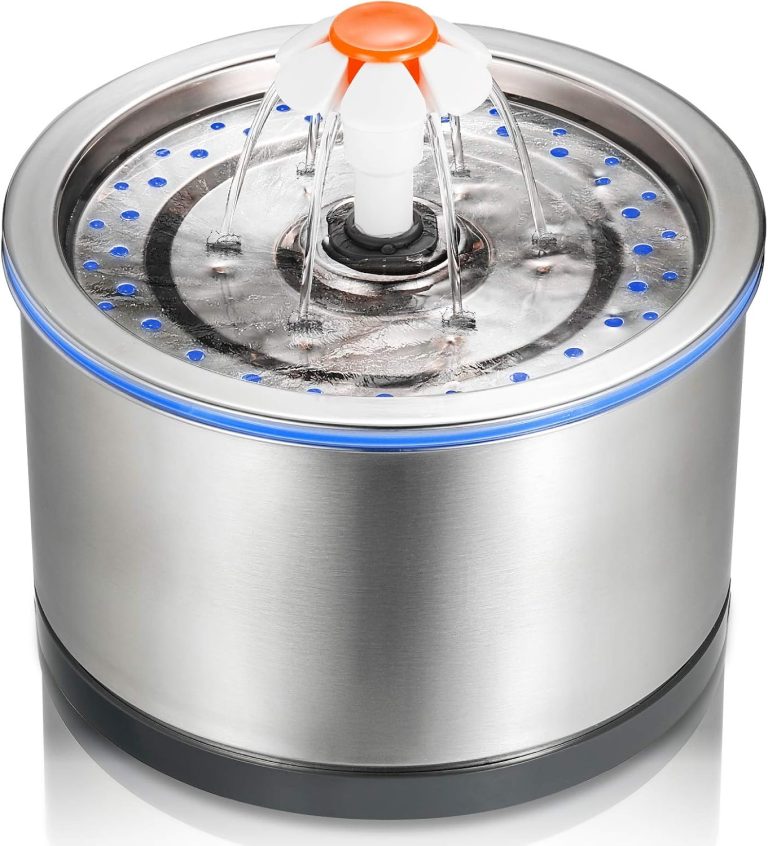
Your choice of material affects more than just looks. It changes how often you scrub and what tools you need. We found that stainless steel is the gold standard for hygiene because it is non-porous. That means bacteria have nowhere to hide.
Plastic is lighter and cheaper, but it can scratch. Those tiny scratches become perfect homes for slime. If you go with plastic, you might need to replace it more often to keep things fresh.
Stainless Steel vs. Plastic vs. Ceramic
Ceramic is another solid option. It is heavy, which prevents spills, but it can chip if dropped in the sink. Many cat owners we spoke with prefer stainless steel for the easy wipe-down factor. It feels sturdy and doesn’t absorb odors.
- Stainless steel: Best for hygiene, resists scratches, usually top-rack safe.
- Ceramic: Heavy and stable, but fragile during cleaning.
- Plastic: Budget-friendly and light, but less durable in the long run.
Whatever you pick, make sure the pump is fully submersible and easy to detach. That is the part that gets the gunkiest, so it needs to be accessible.
Key Features That Make Cleaning Quick and Painless
You don’t need to be a mechanic to keep a fountain fresh. You just need the right features. We looked at dozens of models and found that the easiest ones share a few common traits. Look for these before you buy, and you’ll save yourself a lot of scrubbing.
The goal is a quick daily rinse and a deeper weekly wash that takes under five minutes. If a fountain takes longer than that to clean, it’s too complicated.
Simple Two-Piece Construction
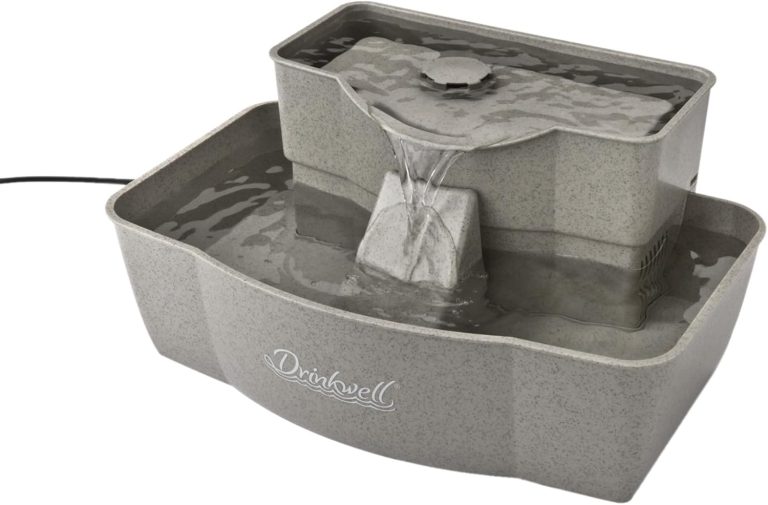
Fountains with multiple layers and baffles look cool, but they trap hair and debris in the seams. We found that a simple top bowl and a bottom reservoir are all you really need. Fewer seams mean fewer places for biofilm to build up.
You want to avoid models with internal maze-like channels. Those little passageways are a nightmare to get truly clean. A straight drop filter system is much easier to manage.
Dishwasher-Safe Components Are a Game Changer
Let’s be honest. Hand washing is the chore we all skip. That’s why we found that top-rack dishwasher-safe parts are the number one feature for busy owners. You just pop the pieces in with your dinner plates, and you’re done.
Just check the manual first. Some plastics warp under high heat, and some pumps are not machine-safe. The base and motor usually need a quick hand wipe, but the bowls should be fine.
Wide Open Water Surface for Visibility
A wide opening isn’t just for your cat’s whiskers. It lets you see floating debris and hair before it breaks down into slime. This visual cue reminds you to change the filter or give the bowl a quick wipe.
Narrow openings hide buildup until it gets really gross. By then, you have a bigger cleaning job on your hands. A wide bowl keeps everything visible and manageable.
Our Step-by-Step Guide to Cleaning Your Fountain Fast
You don’t need a checklist that takes an hour. We found that a simple daily and weekly routine keeps everything fresh without turning your kitchen into a science lab. Here is the exact process we recommend for any easy-to-clean fountain.
Consistency is key here. A quick rinse every other day beats a heavy scrub session once a month. Many vets point out that fresh water encourages cats to drink more, which helps prevent urinary issues (Mayo Clinic).
The Daily 60-Second Rinse
Take the top off. Rinse the bowl under warm water. Wipe the pump intake with a soft cloth to remove any hair. Fill it back up. That’s it.
We found that doing this small habit prevents the “slime ring” from ever forming. It also keeps the pump running smoothly, so you won’t have to buy a replacement motor later.
The Weekly Deep Clean Routine
Once a week, you should take everything apart completely. Soak the pump in a solution of warm water and white vinegar. This helps dissolve hard water scale without harsh chemicals.
While the pump soaks, scrub the bowls with a soft sponge and mild dish soap. Rinse everything thoroughly to ensure no soap residue remains. Let it air dry completely before reassembling.
Things to Avoid Using During Cleaning
Never use bleach or harsh abrasive cleaners. They can scratch the surface and leave harmful residues for your cat to lick up. Stick to vinegar, mild soap, or specialized pet-safe cleaners.
Avoid steel wool at all costs. It will scratch plastic and even dull stainless steel over time. Use a non-abrasive sponge to keep the surface smooth and clean.
Common Cleaning Mistakes and How to Avoid Them
Even with the best fountain, you can run into problems if you clean it wrong. We found that most issues stem from not cleaning the pump properly or skipping the drying phase. Let’s fix those habits today.
Mold and bacteria love moisture. If you put your fountain back together while it’s still wet, you are inviting growth. Always let the parts dry fully before reassembling.
Ignoring the Pump Filter Sponge
Most pumps have a small foam pre-filter. Many people forget about it. We found that this tiny sponge catches a ton of hair and debris. If you don’t rinse it out, your water flow slows down, and the motor works harder.
Squeeze it out under running water each week. Replace it every few months or when it starts to fall apart. It is a cheap part that saves your motor.
Forgetting to Descaling Your Fountain
Hard water leaves white mineral deposits on the pump and bowl. This is especially common if you live in an area with hard tap water. We found that using distilled water or a vinegar soak prevents this buildup.
If you notice a gritty film, soak the parts in vinegar for about 30 minutes. It dissolves the scale without any heavy scrubbing. Then rinse well.
What About Filter Replacement Schedules?
Filters are necessary, but they shouldn’t be a hassle. Most manufacturers recommend changing them every two to four weeks. We found that the easiest fountains use standard, widely available filters that are easy to pop in and out.
If the filter is hard to access, you will procrastinate. Look for a filter that sits in a simple tray or slot. Snap-in filters are much easier to manage than those that require disassembly of the whole unit.
- Choose standard filters: They are cheaper and easier to find in stores.
- Look for push-button releases: No screwdrivers needed for filter changes.
- Rinse filters weekly: This extends their life and keeps water tasting fresh.
- Set a reminder: A phone alarm helps you stay on schedule.
- Buy in bulk: Save money and ensure you never run out.
- Keep the filter dry: Store spares in a sealed bag.
Keeping a schedule is the only way to ensure your cat actually drinks enough water. A clogged filter just makes the water bypass the filtration and sit stagnant.
Quick Comparison: Best Materials for Easy Cleaning
We compared the three main materials to help you decide based on your lifestyle. This table shows the trade-offs between durability, weight, and cleaning ease.
| Material | Cleaning Ease | Durability | Best For |
|---|---|---|---|
| Stainless Steel | Very Easy | High | Hygiene-focused owners |
| Ceramic | Moderate | Medium (chips easily) | Heavy fountains that stay put |
| Plastic | Easy but scratches | Low to Medium | Budget buyers and small cats |
We found that stainless steel wins for most people. It combines easy wiping with long-term durability. If you have a clumsy cat that knocks things over, ceramic might be better for weight.
Essential Checklist for a Low-Maintenance Fountain
Before you hit “add to cart,” run through this quick checklist. We found that ticking all these boxes means you won’t be stuck with a fountain that collects dust in a cabinet.
- Top-rack dishwasher-safe: Saves you time every single week.
- Wide basin opening: You can fit your whole hand inside to scrub.
- Pump disconnects easily: No tools required to separate it.
- No hidden tubes: Straight water path from pump to basin.
- Quiet motor: A noisy pump often means air bubbles or a dirty motor.
- Visible water level: Helps you know when to clean or refill.
You don’t need a fountain that looks like a futuristic spaceship. You need one that works with your schedule. Stick to these points, and you will find a fountain that keeps your cat happy and hydrated without driving you crazy.
Conclusion
Finding a cat water fountain that is easy to clean comes down to smart design choices. You want fewer parts, wide-open bowls, and dishwasher-safe materials. Skip the fancy maze-like channels and complicated tubes. They only trap slime and make your life harder.
We recommend starting with a simple stainless steel model that has a detachable pump. Give it a quick rinse every day and a deeper vinegar soak once a week. That tiny habit keeps your cat drinking fresh water and stops bacteria from building up.
Your next step is to measure your counter space and pick a fountain with two or three pieces max. You will thank yourself on cleaning day.
Frequently Asked Questions
How often should I clean my cat water fountain?
You should do a quick rinse every day or two to remove hair and debris. A full deep clean with vinegar should happen once a week. This routine prevents slime and keeps the pump working smoothly.
Can I put my cat fountain in the dishwasher?
Most top-rack-safe fountain parts can go in the dishwasher. Check your manual first because some plastics warp under high heat. The pump and motor base usually need hand washing to avoid damage.
Why does my cat fountain get slimy even after cleaning?
Biofilm builds up fast when water sits warm and still. You might be missing the pump intake or small crevices. Try soaking all parts in white vinegar for 30 minutes to break down that slippery film.
Is stainless steel better than plastic for cat fountains?
Stainless steel is better for hygiene because it is non-porous and resists scratches. Plastic can develop tiny grooves where bacteria hide over time. If you prefer plastic, you may need to replace the bowl more often.
Do I need to use filtered water in my cat fountain?
Filtered or distilled water helps reduce mineral scale buildup on the pump. Tap water works fine, but hard water creates white deposits faster. Using filtered water means less descaling and a longer-lasting motor.