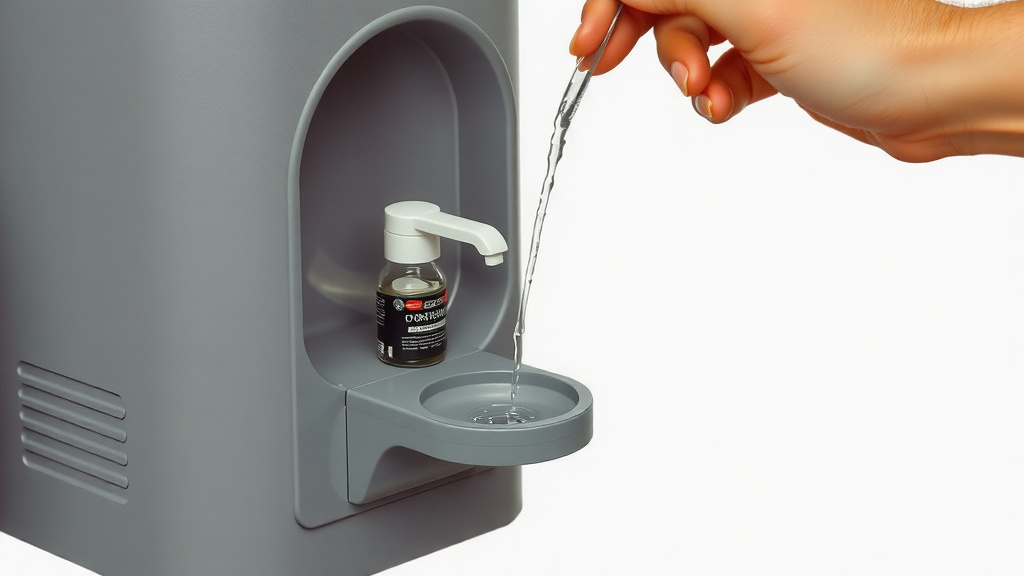
How to Clean a Drinking Water Fountain: Step-by-Step
The easiest way to clean a drinking water fountain is to use a simple soap-and-water solution on the outside and a disinfecting spray on the mouthpiece and button area. You can do this in under five minutes with everyday household supplies. Cleaning a drinking water fountain regularly keeps germs, grime, and sticky residue from building up.
We found that most fountains only need a quick wipe-down a few times a week, with a deeper cleaning once a month. You don’t need harsh chemicals or special tools to get the job done right. A simple routine keeps your family safe and the water tasting fresh and clean. It also prevents that slimy film from forming around the spout.
- Unplug the unit (if electric) and turn off the water supply first.
- Wipe the exterior and the basin with a mild dish soap and warm water mix.
- Clean the mouthpiece and push-button areas with a food-safe disinfectant spray.
- Rinse every surface thoroughly with a damp microfiber cloth.
- Dry the fountain completely to prevent water spots and mold growth.
Below, we break down everything you need to know about cleaning your fountain step by step. We’ll cover the exact supplies to use, how to sanitize those hard-to-reach parts, and a simple daily tip to keep it looking new. Let’s walk through this easy routine together.
Your Simple Guide to Cleaning a Drinking Fountain
Grab a few basic supplies, and you are ready to go. We recommend a quick clean every few days to stop grime from taking hold. A monthly deep clean is best for tackling the hidden spots you cannot see. Think of it like brushing your teeth: a little daily care prevents big problems later.
You want the water to taste crisp, not metallic or stale. A clean fountain also protects your family from sharing more than just a sip. Studies show that drinking fountains can harbor bacteria and viruses on high-touch surfaces (Centers for Disease Control and Prevention).
Supplies That Get the Job Done Right
Chances are, you already own everything you need. We found that most people have these items sitting under the kitchen sink. You do not need to buy any fancy or expensive cleaning products.
Your Daily Clean Toolkit
For those quick wipe-downs, keep a spray bottle of your cleaning solution mixed and ready. This makes it easy to grab and go. Store it slightly out of reach of little hands.
- A spray bottle filled with warm water and a drop of dish soap.
- A microfiber cloth for wiping and drying without streaks.
- An old soft-bristled toothbrush for scrubbing tiny crevices.
- A food-safe disinfectant spray or wipes for the mouthpiece.
- Cotton swabs for tight corners around the button mechanism.
- A clean, dry towel for the final buffing step.
Choosing a Safe Disinfectant
Stick to products that are labeled as safe for food contact surfaces. These are formulated to kill germs without leaving a dangerous residue. Many experts say a simple diluted bleach solution is highly effective.
Mix one tablespoon of unscented bleach with one gallon of cool water for a strong sanitizing solution (CDC). Alternatively, look for a commercial sanitizer that lists contact time on the label. You must leave it on the surface for that full time to actually kill the germs.
Prepping Your Fountain for a Deep Clean
Before you start scrubbing, you need to shut things down. This is a safety step you should never skip. Water and electricity do not mix well. Taking sixty seconds to prep makes the whole process easier and safer.
Turning Off the Power and Water
First, unplug the fountain from the electrical outlet at the wall. If it is hardwired, turn off the circuit breaker that controls it. Next, find the water supply valve, usually located under the sink or behind the unit.
Turn this valve clockwise until it stops. This stops any water flow while you clean. If you have a countertop model, you can simply remove the water bottle and empty the reservoir.
Safety First for Electrical Fountains
Make sure the area around the unit is completely dry before you plug it back in. We found that letting everything air dry for ten minutes is a safe habit. This prevents any moisture from getting into the electrical components.
Never spray cleaning solution directly onto electrical parts. Always spray the cleaning solution onto your cloth first. This gives you better control and keeps the liquid away from sensitive areas.
Cleaning the Fountain Exterior
The outside of the fountain attracts fingerprints, dust, and sticky soda splashes. A quick wipe here makes the biggest visual difference. A shiny fountain just looks healthier.
Wiping Down Panels and Sides
Spray your soap-and-water solution onto a microfiber cloth. Wipe down all the outer panels, including the sides, the front, and the top. Use gentle pressure to remove any water spots or smudges.
For stainless steel models, wipe in the direction of the metal grain to avoid streaks. Then, dry the area immediately with a separate clean cloth. This helps prevent those ugly hard water stains from forming.
Cleaning the Push Button or Sensor Area
This is the area where everyone touches, so it gets the most germs. Spray your disinfectant directly on a cloth first. Wipe the button, the surrounding plastic, and the sensor lens carefully.
For mechanical buttons, use a cotton swab dipped in your disinfectant to clean the cracks. This gets the grime that a flat cloth misses. Let the disinfectant sit for the time listed on the label to ensure it actually works.
How to Sanitize the Mouthpiece and Basin
This is the most important part of the entire process. It is also the area that people worry about the most. The mouthpiece can harbor cold and flu viruses from the last person who used it.
Treating the Spout and Nozzle
The nozzle is the small tube where the water comes out. Also, clean the guard that protects the nozzle from splashes. These plastic parts can build up a slimy biofilm called “bacterial growth.”
Spray your food-safe disinfectant onto a fresh cloth. Wipe the spout, the nozzle tip, and the anti-splash guard thoroughly. Pay attention to the inside lip of the guard where water drips down.
Scrubbing the Basin to Remove Slime
The basin is the bowl that catches the water. This area stays wet, which makes it a perfect place for mold and mildew. You will often find a pink or orange ring here, which is actually a type of airborne bacteria.
Use your soapy cloth to scrub the entire basin floor and sides. If you see stains, sprinkle a little baking soda on your damp cloth and scrub gently. Baking soda acts like a very mild abrasive that removes grime without scratching (National Institutes of Health).
Dealing With Clogged Drain Holes
Check the small hole in the basin drain. If water is pooling, this hole is probably clogged with debris. Use a cotton swab or an old toothbrush to gently poke and clean out the gunk. A clear drain prevents standing water, which is a breeding ground for bugs and bacteria.
| Surface | Cleaning Solution | Tool to Use |
|---|---|---|
| Exterior panels | Dish soap + warm water | Microfiber cloth |
| Push buttons | Food-safe disinfectant | Cloth & cotton swabs |
| Mouthpiece | Food-safe disinfectant | Clean cloth |
| Basin & drain | Soapy water & baking soda | Soft toothbrush |
Finishing Up and Drying Everything
Rinsing is the step that people often miss. You need to remove any soap residue so it does not end up in your next glass of water. Soap residue can give the water a funny taste.
Rinsing All Parts Thoroughly
Take a clean cloth dipped in plain, cool water. Wring it out well so it is just damp. Use this cloth to wipe down every surface you just cleaned to remove the soapy residue. Do this two times to be extra sure.
If you cleaned a removable glass or plastic top, rinse it under running water. Let it air dry upside down on a clean dish rack. This ensures no cleaning agent is left behind.
Drying to Prevent Water Spots
Use a separate, completely dry microfiber cloth to buff the surfaces dry. This will leave a nice shine and prevent hard water spots. It also removes any lingering moisture that could attract dust or cause mold.
Leave the fountain unplugged and the water off for about fifteen minutes. This final drying period is vital for the electrical parts. Once everything feels dry to the touch, you are safe to power it back up.
A Simple Daily Habit to Keep It Fresh
You do not need to deep clean every day to keep the fountain safe. A quick 30-second habit can dramatically slow down build-up. Make this part of your morning or nightly routine for the best results.
Keep a dedicated spray bottle and cloth right next to the fountain. Do a quick wipe-down of the mouthpiece and basin after the kids get home from school. This simple habit stops sticky residue from ever getting a chance to harden.
We found that parents who do this daily only need a full deep clean once a month. It is a small effort that saves you from scrubbing tough stains later. Your future self will thank you for that five-second wipe.
How Often Should You Deep Clean?
Your cleaning frequency depends on how often the fountain gets used. A high-traffic office fountain needs more attention than a guest bathroom one. Adjust your schedule to fit your specific situation.
- Every day: Wipe the outside, buttons, and basin with a damp cloth.
- Once a week: Apply a disinfectant to the mouthpiece and let it air dry.
- Every 2-3 weeks: Clean the entire unit with soap and water, including the nozzle.
- Once a month: Do a deep clean of the reservoir, drain lines, and replace the filter.
- Every season: Check for mineral scale build-up inside the cooling tank.
Common Cleaning Mistakes to Avoid
We have all made these mistakes. Learn from the common errors so you can skip the frustration. Avoiding these will keep your fountain working better for longer.
Never Mix Cleaning Chemicals
Do not mix bleach with other cleaners, especially ammonia. This combination creates toxic fumes that are dangerous to breathe. Stick to one cleaning method at a time for safety (Agency for Toxic Substances and Disease Registry).
Always read the labels on your cleaning products. If you are unsure about a product, use the simple soap-and-water method. It is safe, effective, and probably all you really need.
Don’t Forget the Water Filter
If your fountain has a filter, you need to change it regularly. A dirty filter can reintroduce bacteria right after you clean the fountain. Check your user manual for the recommended replacement schedule.
Most filters need replacing every three to six months. If the water starts to smell or taste odd, change the filter sooner. It is a cheap fix that makes a big difference in water quality.
Now that you know the exact steps, you can tackle this chore with confidence. Grab your supplies and give your fountain some love today. It will look better, smell fresher, and give you peace of mind with every sip.
Conclusion
Keeping your drinking water fountain clean is a simple task once you know the steps. A quick daily wipe and a monthly deep clean are all it takes to keep germs and grime away. You already have the supplies you need under your sink.
Remember to always unplug the unit and turn off the water before you start. Focus on the high-touch areas like the mouthpiece and buttons. Those are the spots that matter most for your family’s health.
Make this routine part of your regular home maintenance. Set a reminder on your phone for the monthly deep clean. Your fountain will look better, and every sip will taste fresh. Take five minutes today to give it a quick clean. You will feel better knowing it is done right.
Frequently Asked Questions
Can I use vinegar to clean my drinking fountain?
Yes, white vinegar works well for removing hard water stains and mineral scale. Mix equal parts vinegar and water for a natural cleaning solution. It is safe for food contact surfaces. Just rinse thoroughly afterward so the water does not taste like vinegar.
What is the pink slime in my water fountain basin?
That pink film is a type of bacteria called Serratia marcescens. It thrives in moist environments and is common in bathrooms and fountains. It is not usually dangerous, but you should clean it promptly. A soapy scrub followed by a food-safe disinfectant will get rid of it.
How do I clean the water fountain filter?
Most filters cannot be cleaned—they need to be replaced. Check your user manual for the exact type and schedule. Typically, you should swap it out every three to six months. If the water tastes off or flows slowly, replace the filter sooner.
Is it safe to use bleach on a drinking fountain?
Yes, a diluted bleach solution is safe and effective for sanitizing. Mix one tablespoon of unscented bleach with one gallon of cool water (Centers for Disease Control and Prevention). Wipe the surfaces and let them air dry. Rinse with a damp cloth before using the fountain again.
Why does my drinking fountain smell bad?
A bad smell usually comes from bacteria or mold growing in the basin or drain. Standing water creates the perfect environment for these germs. Clean the basin and drain holes thoroughly with soap and water. Then apply a food-safe disinfectant to kill the odor-causing bacteria.