Clean Cat Water Fountain With Vinegar: Simple Steps
The fastest way to clean a cat water fountain with vinegar is to take it apart, wash the pieces with dish soap, and then soak everything in a 50/50 vinegar and water solution for 15 to 30 minutes. Distilled white vinegar dissolves mineral buildup and kills bacteria without harsh chemicals. After the soak, give every part a good scrub with a soft brush and rinse completely until the vinegar smell is gone.
Your kitty deserves fresh, clean water every day. A dirty fountain can harbor slimy biofilm, fur, and debris that makes your cat drink less. We found that skipping the filter for this deep clean makes the vinegar soak much more effective. Using a natural cleaning agent like vinegar is safer than bleach for your pet, as long as you rinse thoroughly to remove the acidic taste.
- Do this every 2-4 weeks for a deep clean in between weekly soap washes.
- Use a 1:1 ratio of white vinegar to water for a safe and effective soak.
- Never put the motor or pump in the vinegar soak unless the manual says it is safe; wipe it with a vinegar-dampened cloth instead.
- Always rinse every part with warm water until you can’t smell vinegar anymore to keep your cat happy.
- Use a bottle brush or cotton swab to get into the pump and small crevices where gunk hides.
Let’s walk through the full step-by-step process below, including the exact disassembly tips and how to handle the pump safely.
Mastering the Vinegar Deep Clean for Your Cat’s Fountain
You’ve got the basics down. Now it’s time to get your hands wet and make that fountain sparkle. This vinegar method is our go-to for a thorough monthly reset. We’ve found it breaks down that slippery film faster than any store-bought cleaner we’ve tried.
Below, we break the entire process into simple steps. We cover the exact order for disassembly, the soak ratios, and the trickiest part—the pump. By the end, your cat will be slurping happily from a fresh, clean fountain.
Why Vinegar Works So Well for Pet Water Fountains
We love vinegar for this because it’s a dual-threat cleaner. The acetic acid in distilled white vinegar dissolves hard water scale (that white crusty stuff). It also alters the pH of surfaces, making it hard for bacteria to survive.
Many experts point to vinegar as a safe, non-toxic alternative to bleach for routine home cleaning (Cleveland Clinic). You don’t want any harsh chemical residue near your cat’s drinking water. Vinegar rinses away completely with warm water, leaving zero toxic traces behind.
Gathering Your Cleaning Arsenal
Before you start, you’ll need a few basic supplies. Most of these are already in your kitchen or cleaning closet. Don’t worry about buying fancy specialty tools for this job.
- Distilled white vinegar (the plain, clear kind).
- Warm water for the soaking solution and rinsing.
- Dish soap (we prefer a gentle, fragrance-free brand).
- A soft sponge or cloth that won’t scratch plastic.
- A bottle brush or pipe cleaner for narrow spouts.
- Cotton swabs to dig into tiny motor crevices.
- An old toothbrush for scrubbing the pump impeller.
Lay everything out on a towel on your counter. Keep your fountain’s instruction manual handy too. You’ll need it for the disassembly step.
Step-by-Step: Disassembling Your Fountain Safely
You wouldn’t wash a single dirty mug and call the whole sink clean, right? The same logic applies here. Every nook and cranny needs individual attention. Most fountains come apart into three or four main pieces.
Start by unplugging the fountain from the wall. Water and electricity don’t mix, so this is non-negotiable. Then, carefully remove the top lid, the basin, and the filter housing.
Handling the Pump, Filter, and Small Parts
The pump is the heart of the fountain. It’s also where the grossest gunk hides. You’ll need to open the pump’s rubber casing to access the magnetic impeller inside.
Take a photo with your phone before you take the pump apart. That way, you know exactly how to put it back together. Trust us, this saves a headache later.
Set the carbon filter aside. Do not soak the filter in vinegar. The vinegar will ruin the activated carbon and might break down the filter material itself. It’s best to just toss the old filter and put in a fresh one after cleaning.
Keeping Track of Tiny Screws and Seals
Small rubber gaskets and screws often fall out during cleaning. Place them in a small bowl so they don’t roll down the drain. The rubber seal around the pump motor is crucial for keeping water flowing correctly.
If the rubber parts look warped or stretched out, it might be time to order replacements. A broken seal usually causes the pump to get noisy or stop working altogether.
Once everything is apart, give each plastic piece a quick rinse under warm tap water. This removes loose hair and debris before the main wash.
Deep Cleaning the Fountain Pieces with Soap
Vinegar is great, but it isn’t a degreaser. You need dish soap first to cut through the oily film that builds up from cat saliva and food particles. This step is crucial for a truly deep clean.
Fill your sink with warm water and a squirt of dish soap. Dunk the plastic pieces in and use a soft cloth to wipe down every surface. Pay extra attention to corners and crevices where biofilm likes to cling.
Scrubbing the Pump Housing and Impeller
Now, grab that old toothbrush and get to work on the pump. The impeller (the little magnetic piece that spins) often gets clogged with fur and sludge. This buildup makes the pump whine and reduces water flow.
Gently scrub the impeller and the shaft it sits on. Use a cotton swab dipped in soapy water to clean out the circular chamber where the impeller spins. Rinse these pieces thoroughly until no suds remain.
We found that cleaning the pump with soap prevents calcium buildup from forming hard crystals on the motor. It’s much easier to scrub wet biofilm now than to chisel off hard water scale later.
The Vinegar Soak: The Ultimate Breakdown
Here’s where the magic happens. After the soapy wash, you’ll soak the parts to kill lingering germs and dissolve mineral scale. Use a plastic tub or your clean sink for this step.
Mix a 50/50 solution of white vinegar and warm water. You need enough liquid to fully submerge the basin and the lid. Let everything soak for 15 to 30 minutes.
What About the Motor and Electrical Parts?
You should never submerge the main motor unit or the power cord in water. Check your manual to see if the pump is fully submersible on its own. Many pumps are, but the cord connection is not.
If the pump can be submerged, place it in the vinegar bath too. If you’re unsure, simply dip a cloth in the vinegar solution and wipe down the outside of the motor. We prefer to play it safe and wipe the motor down manually.
This soak time is enough to loosen stubborn scale. Because vinegar is acidic, it reacts with the alkaline minerals (like calcium) in hard water. The result is an easy wipe-down after the soak.
Rinsing Away Every Trace of Vinegar
Vinegar is safe, but it tastes and smells terrible to a cat’s sensitive nose. If you leave any residue, your cat might refuse to drink. This can lead to dehydration, which is a serious health risk.
Rinse every part individually under warm running water. Hold the pieces up to the light to check for a film. If they still smell like salad dressing, rinse again.
The Tasting Test and Final Air Dry
Here’s a trick we use: after rinsing, splash a small amount of tap water on the plastic and taste it. If it tastes sour or acidic, you need to rinse more. The water should taste completely neutral.
Once you’re confident the vinegar is gone, place all the parts on a clean drying rack. Let them air dry completely before reassembly. Drying prevents bacteria from growing in the damp environment.
Don’t rub the plastic dry with a paper towel, as lint can get stuck in the pump. Air drying takes an extra 30 minutes, but it’s worth it for a hygienic result.
Reassembling and Refreshing Your Fountain
Now for the satisfying part: putting it all back together. Grab the photo you took earlier to help with the pump placement. Insert the impeller, close the rubber casing, and secure any screws.
Place the new filter into the housing. Never reuse the old one. If you don’t have a replacement, run the fountain for a few hours with the filter removed before adding a new one.
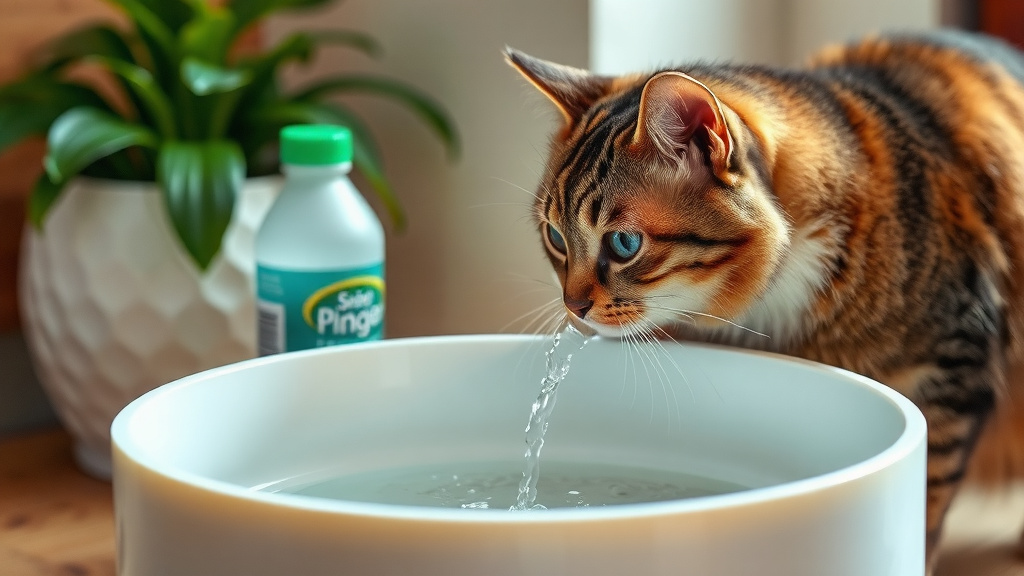
Fill the fountain with fresh, cold water. Plug it back in and watch the water flow. There’s nothing quite like seeing that clean stream fall into the basin.
Priming the Pump and Checking for Leaks
Sometimes the pump makes a gurgling noise after cleaning. This happens because air gets trapped in the motor. To fix this, pour water directly into the pump’s intake holes while it’s running.
This “priming” process helps the pump grab water and push it up the spout. Give it a minute. If the flow is still weak, unplug it and check the tubing for kinks.
Watch for leaks around the seams. If water drips from the motor area, tighten the rubber seal. A properly sealed pump is the key to a quiet, efficient fountain.
Quick Checklist for Your Next Deep Clean
Bookmark this list for next time. It’s a quick mental rundown so you don’t miss a spot. Before you know it, the whole process will take you under 15 minutes.
- ✅ Unplug the fountain and disassemble all parts.
- ✅ Scrub every piece with warm soapy water.
- ✅ Soak plastic parts in a 50/50 vinegar-water mix.
- ✅ Wipe the motor with a vinegar-dampened cloth instead of submerging it.
- ✅ Rinse all parts until the vinegar smell is completely gone.
- ✅ Air dry, install a new filter, and reassemble with fresh water.
That’s it. Your cat’s fountain is now hospital-grade clean. Your kitty will appreciate the fresh taste, and you’ll enjoy the peace of mind knowing their water source is free of harmful gunk.
A Simple Maintenance Schedule That Works
Staying on top of cleaning makes the deep soak way easier. We suggest a quick weekly rinse and a full vinegar soak twice a month. If you have hard water, you might need to bump that up to weekly soaks.
Signs you need to clean more often: the water looks cloudy, the pump is loud, or your cat is drinking less than usual. These are all red flags that biofilm is building up faster than you’re cleaning.
When to Replace Parts vs. Deep Clean
Even with perfect cleaning, parts wear out. The motor will eventually burn out, and the plastic will scratch. If your pump stops working entirely, cleaning won’t bring it back to life.
Look for replacement pumps and filters online or at your local pet store. We found that buying a universal pump kit saves money compared to buying the brand-specific model.
Stick with your schedule, and your fountain will last for years. Consistency is the secret ingredient here. A little vinegar and elbow grease every few weeks prevents major sludge disasters down the road.
Conclusion
You now have everything you need to give your cat’s fountain a deep, safe clean. The vinegar soak breaks down mineral scale, while the soapy wash handles the slimy biofilm. Just remember to rinse until the vinegar smell is completely gone to keep your kitty happy.
Make this a habit every two to four weeks. Your cat will drink more water, and the pump will last much longer. Set a reminder on your phone right now so this doesn’t slip your mind.
Next time you see cloudy water or hear a whining pump, you will know exactly what to do. Grab that vinegar, take the fountain apart, and give it the reset it deserves. Your cat will thank you with every fresh sip.
Frequently Asked Questions
Can I use apple cider vinegar instead of white vinegar?
You can, but we don’t recommend it. Apple cider vinegar is darker and can leave a stain on plastic parts.
It also has a stronger, fruitier smell that might linger. Stick with plain distilled white vinegar for the best and cleanest results.
How often should I deep clean my cat’s water fountain?
We found that a full vinegar soak every two to four weeks works best for most households. If you have hard water or multiple cats, bump that up to every week.
Your pump’s noise level and water clarity are good indicators. When things start looking or sounding off, it’s time for a soak.
Will vinegar hurt my cat if they drink a tiny bit of residue?
A tiny amount is unlikely to cause serious harm, but it can upset their stomach. The bigger issue is that cats hate the taste and smell of vinegar.
If they refuse to drink, they could become dehydrated. This is why we stress rinsing every part under warm water until the smell is completely gone.
Can I put the carbon filter in the vinegar soak to clean it?
No, you should never soak the carbon filter in vinegar. The acid will destroy the activated carbon’s ability to trap impurities.
The vinegar could also break down the filter’s material completely. We found it is best to just toss the old filter and use a fresh one after your deep clean.
Why is my cat water fountain pump making a loud noise after cleaning?
That noise usually means air is trapped inside the pump motor. You need to prime the pump with water.
Pour fresh water directly into the pump’s intake holes while it is running. This pushes the air out and helps the water flow normally. If the noise persists, check that the rubber seal is seated properly.