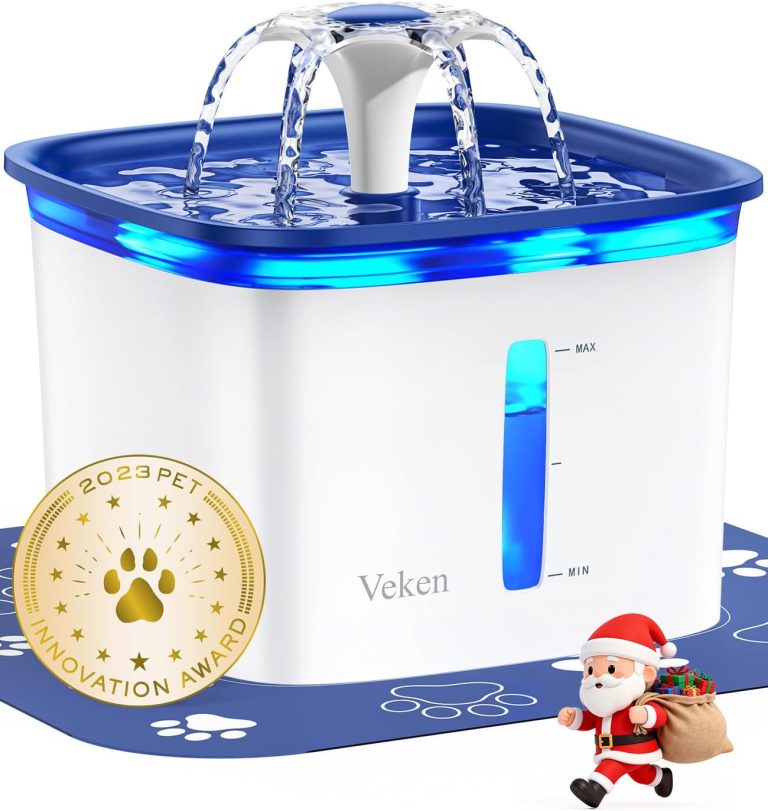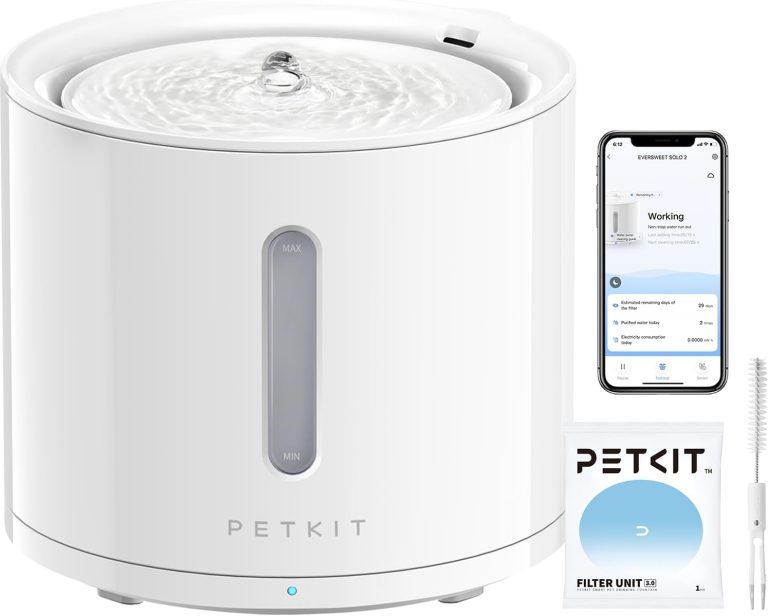
How to Clean a Neareal Pet Water Fountain
The easiest way to clean a Neareal pet water fountain is to take it apart, wash every piece with warm, soapy water, and soak the pump in a vinegar solution. You should do this every one to two weeks to keep the water fresh and your pet healthy. Cleaning it regularly prevents slime, fur, and bacteria from building up.
We found that a clean fountain is a happy fountain, and your cat or dog will drink more when the water tastes fresh. These fountains have multiple parts, including the pump, filter, and several trays, so knowing the right order to clean things saves you time. A quick rinse is not enough, especially when food bits and pet hair get trapped in the motor.
- Unplug the fountain and take it apart completely before washing anything.
- Wash all plastic parts in warm, soapy water; skip the dishwasher to avoid warping.
- Soak the pump in a mix of water and white vinegar to break down hard water buildup.
- Rinse every piece thoroughly to remove soap residue, then let everything air dry.
- Replace the filter every two to four weeks to keep the water tasting clean.
Below, we walk you through every step of the cleaning process, including the trickiest part—the pump—so you can get it done in under 10 minutes.
Your Simple Neareal Fountain Cleaning Routine
You do not need special tools or pricey cleaners. A soft sponge, dish soap, and white vinegar are all you need. This routine takes about 10 minutes once you know the order of operations.
We found that breaking the job into three zones makes it feel less like a chore. You have the outer plastic bowls, the internal pump, and the foam filter. Each one needs a different kind of attention.
Gathering Your Cleaning Supplies Before You Start
Grab everything before you touch the fountain. This saves you from dripping water all over the counter while you hunt for a brush.
- Liquid dish soap (the kind you use for your own dishes)
- White vinegar (plain, cheap distilled vinegar works best)
- A soft sponge or bottle brush (no steel wool)
- A toothbrush (old but clean) for the tiny pump gaps
- A clean towel for air drying
You might also want a small bowl for the vinegar soak. A glass measuring cup works well for this step.
The Step-by-Step Breakdown of Cleaning Your Fountain
Start by unplugging the unit. We know that sounds obvious, but it is easy to forget when you are in a hurry. Water and electricity do not mix well.
Next, lift the top lid and remove it carefully. Water will spill out, so do this over the sink. Then, pull out the foam filter and the pump from the reservoir.
Taking Apart the Main Reservoir and Top Trays
Look for the small spout where water flows out. This piece usually detaches. You should also check the bottom of the tray for a small rubber stopper.
We found that most Neareal models have a two-piece top. There is a flat lid and a separate bubbler spout. Separate them all now. Do not be shy; they are designed to come apart.
Warm, soapy water is your friend here. Fill your sink with hot water and add a squirt of dish soap. Submerge all the plastic pieces you just removed.
Scrubbing the Plastic Without Causing Damage
Use a soft sponge to wipe down every surface. Pay special attention to the corners where slime likes to hide. You will feel a slippery film on the plastic; that is bacteria buildup (CDC).
Rinse each piece under running water. Hold them up to the light to check for spots you missed. A shiny, streak-free surface means you are done.
Do not toss these in the dishwasher. The high heat can warp the plastic and ruin the fit of the lid.
The Right Way to Clean the Neareal Pump Motor
This is the heart of the fountain. If the pump gets clogged, your fountain goes quiet, and your pet loses interest. A silent pump usually means hair or debris is stuck in the impeller.
First, pull off the small plastic casing that covers the impeller. You might need a gentle tug. Inside, you will see a tiny magnetic rotor. This is the part that spins.
Use an old toothbrush to gently scrub the rotor and the cavity it sits in. You will likely find pet hair wrapped around the spindle. Pull it out carefully.
Soaking the Pump to Remove Hard Water Scale
White vinegar is the best hack for mineral buildup. That white crust is calcium from your tap water. It does not come off with soap.
Fill a bowl with equal parts water and white vinegar. Drop the pump parts in and let them soak for 15 to 20 minutes. This breaks down the scale without any harsh chemicals.
After the soak, rinse everything under warm water. Spin the rotor with your finger to make sure it moves freely. Then, click the casing back on.
Refreshing the Filter and Reassembling the Fountain
The filter does the heavy lifting between cleanings. It catches fur, food crumbs, and other gunk. But it cannot hold everything forever.
We recommend rinsing the filter under running water during every cleaning. This removes trapped debris and keeps water flowing. However, a rinse alone does not restore the charcoal inside.
How Often You Really Need to Swap the Filter
In our research, most manufacturers suggest a new filter every two to four weeks. This depends on your pet’s drinking habits and how many pets use it.
If you have multiple cats or a heavy drinker, you might change it more often. Watch the water flow. If the stream gets weak, the filter is likely clogged.
You should also replace the filter if you notice an off smell even after cleaning. That is a clear signal the carbon is spent.
Simple Maintenance Schedule to Keep Water Fresh
Consistency beats a deep clean every few months. A quick daily check prevents the need for heavy scrubbing later. You can train yourself to do this in 30 seconds.
We found that a daily rinse of the top tray and a water top-off works wonders. It removes surface fur before it reaches the pump.
| Task | Frequency | Time Needed |
|---|---|---|
| Top off water and rinse lid | Daily | 1 minute |
| Wash plastic parts with soap | Twice a week | 5 minutes |
| Soak pump in vinegar | Every 1-2 weeks | 15 minutes soak |
| Replace filter | Every 2-4 weeks | 2 minutes |
Stick this schedule on your fridge if you need a reminder. Your pet will thank you with more eager sips.
Spotting Early Signs That Your Fountain Is Getting Dirty
You do not have to wait for your calendar to tell you to clean. Your fountain gives off clues when it needs attention. Learn to read them.
- Water has a slimy feel on the plastic walls
- The pump sounds louder or gurgles constantly
- Water stream is weaker than usual
- You see visible floaties or biofilm on top
- The water smells “earthy” or musty
Any of these signs means you should clean the fountain today, not tomorrow. Clean water is a key part of keeping your cat hydrated and healthy (Mayo Clinic).
If you keep up with this routine, you will avoid the dreaded green algae bloom. That takes much longer to clean and might scare your pet away from the bowl.
Conclusion
Keeping your Neareal fountain clean does not have to be a dreaded chore. With warm soapy water, a little white vinegar, and ten minutes every week, you can keep the water fresh for your cat or dog. The pump soak is the secret to preventing that frustrating silent motor, and swapping the filter every few weeks makes a world of difference in taste and water flow.
You now have a simple routine that covers daily top-offs, twice-weekly washes, and a bi-weekly deep clean. Start your next cleaning session today. Unplug the fountain, gather your supplies, and give your pet the freshest water they have had all week. It is a small effort that pays off with healthier, happier pets.
Frequently Asked Questions
Can I use bleach to clean my Neareal water fountain?
We strongly advise against using bleach. Bleach leaves a harmful residue that is difficult to rinse away completely. Your pet could ingest these chemicals when they drink. Stick with warm soapy water and vinegar for a safe clean.
Why does my Neareal fountain pump stop working after cleaning?
A pump that stops working usually has a stuck impeller. You might have missed a bit of hair or debris in the rotor cavity. Double-check the magnetic rotor spins freely before reassembling and make sure everything is clicked back together securely.
Is it safe to put the Neareal fountain parts in the dishwasher?
No, we do not recommend the dishwasher for any Neareal parts. The high heat can warp the plastic trays and lid. Warped pieces will not fit together correctly and can cause leaks. Washing by hand with a soft sponge is always the safest route.
How do I get rid of slippery slime on the plastic fountain parts?
That slippery film is biofilm, which is a collection of bacteria. Soap and a sponge work well, but a vinegar soak works even better for stubborn buildup. Soak the plastic pieces in a water and vinegar mix for 15 minutes before scrubbing them clean.
What is the best water to use in my pet fountain?
Filtered water is your best bet if you want fewer mineral deposits. Tap water is fine for drinking, but it contains calcium and magnesium that cause that white crust. Using filtered water reduces pump buildup and can extend the life of your fountain.