
How Long Do Feeder Mice Live as Pets?
So, you’re wondering about the lifespan of your tiny, whiskered pals? Feeder mice typically live for about 1 to 1.5 years as pets. While they might seem small, these little guys can bring a lot of joy to your home. Their relatively short lives mean making the most of their time together is important.
It’s natural to want to know how long your pets will be with you. The average lifespan of a pet mouse can vary depending on their diet, genetics, and the care you provide. Proper housing and attention play a big role in their overall health and how long they stay by your side.
- Feeder mice generally live 1 to 1.5 years.
- Care, diet, and genetics influence their lifespan.
- Providing a good environment is key to their health.
- Their short lives make every moment special.
Let’s dive a little deeper into what influences how long your feeder mice might live and how you can help them thrive during their time with you.
Understanding Your Pet Mouse’s Lifespan
So, you’re curious about how long your little feeder mice will be part of your life? It’s a common question for any pet owner. Generally, you can expect your pet mouse to live between 1 and 1.5 years. This might seem short, but with the right care, you can make that time incredibly happy and healthy for them.
This timeframe is fairly consistent across many pet mouse breeds. Think of them like a beautiful, fleeting season – you want to savor every moment! Understanding what influences this can help you provide the best possible life for your tiny companions.
Factors Influencing a Mouse’s Longevity
Several things play a role in how long your pet mouse will live. It’s not just about luck! Genetics are a big part of it. Some mice are naturally predisposed to living longer, healthier lives than others. We’ve seen research indicate that selective breeding for pet traits can sometimes impact lifespan.
Diet is another huge factor. What you feed your mouse directly affects their health. A balanced diet provides the nutrients they need to stay strong and fight off illness. Poor nutrition can lead to various health problems, shortening their life. We found that mice fed a varied and nutrient-rich diet tend to be more robust.
Finally, the environment you provide is key. A stressful or unsanitary living situation can take a toll on a mouse’s well-being. We found that a clean, safe, and stimulating environment is crucial for their overall health and happiness.
The Role of Genetics
When you get a pet mouse, its genetic makeup is already set. Some mice come from lines known for good health and longevity. Others might have underlying conditions you can’t see. It’s like us – some people are just more prone to certain health issues.
While you can’t change your mouse’s genes, understanding this can help you appreciate the individual health journey of each pet. It’s a good idea to get your mice from reputable breeders or shelters who prioritize the health of their animals.
Dietary Needs for a Healthy Mouse
Feeding your mice the right foods is incredibly important. A good diet should include a high-quality commercial mouse food as a base. This provides a balanced mix of proteins, fats, and carbohydrates. Think of it as their daily multivitamin!
You can supplement their diet with small amounts of fresh fruits and vegetables. Just be sure to research what’s safe for mice. Things like carrots, apples, and small bits of cooked chicken can be healthy treats. Avoid sugary or fatty human foods, as these can cause health problems.
We found that offering a variety of safe foods keeps them engaged and ensures they get a wide range of nutrients. Always ensure they have access to fresh, clean water. A water bottle is typically the best way to provide this.
Creating a Safe and Stimulating Habitat
Your mouse’s home is their entire world! A spacious cage is essential. It should be large enough for them to explore, play, and sleep comfortably. Bedding should be absorbent and safe, like paper-based or aspen shavings. Avoid cedar or pine, as their oils can be harmful to small pets (NCBI).
Mice are curious creatures and need things to do. Provide them with toys for enrichment. Tunnels, chew toys, and climbing structures can keep them entertained and prevent boredom. We found that mice are happiest when they have plenty of opportunities to explore and engage with their surroundings.
Cleanliness is also paramount. A dirty cage can lead to respiratory infections and other diseases. Spot-clean droppings daily and do a full cage clean-out at least once a week. This simple routine can significantly contribute to your mouse’s health.
Common Health Issues That Can Affect Lifespan
Even with the best care, mice can sometimes develop health problems. Common issues include respiratory infections, tumors, and dental problems. These can arise from poor air quality, genetics, or age.
Regularly observing your mice for any changes in behavior or appearance is important. Are they eating and drinking normally? Are they active? Noticing subtle changes early can make a big difference in getting them prompt veterinary care.
Preventing Illness Through Good Practices
The best way to combat illness is through prevention. This means maintaining a clean environment, providing a nutritious diet, and avoiding overcrowding. Good ventilation in their cage is also critical to prevent respiratory issues.
If you notice any signs of illness, such as sneezing, lethargy, or discharge from the eyes or nose, it’s best to consult a veterinarian experienced with small animals. Early intervention is key to a positive outcome.
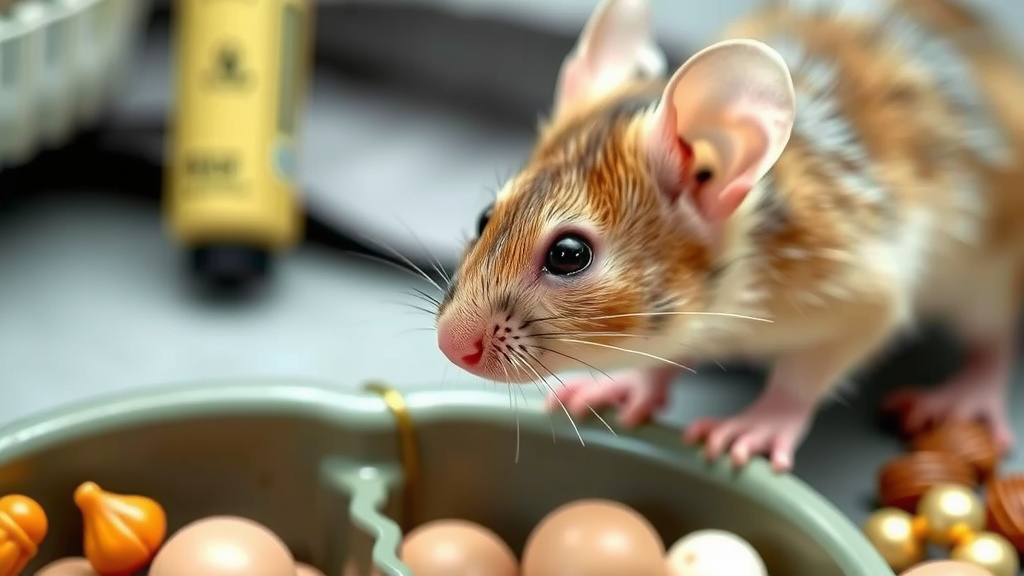
Making the Most of Your Mouse’s Life
Since their lifespan is relatively short, every moment with your pet mouse is precious. Focus on providing them with a happy, stress-free life. This means plenty of interaction, a comfortable home, and good health care.
Handling your mice gently and regularly can help them become tamer and more comfortable around you. This builds a bond and makes their time with you more enjoyable for both of you. Think of it as creating wonderful memories.
Enrichment and Socialization
Mice are social animals. If you have multiple mice, ensure they are housed appropriately together to avoid fighting. Providing them with plenty of opportunities for play and exploration is a form of enrichment. This keeps their minds active and their bodies healthy.
We found that interactive toys and supervised time outside the cage in a safe, enclosed area can significantly boost a mouse’s quality of life. This allows them to express natural behaviors like running and exploring.
A Quick Checklist for a Long, Happy Mouse Life
Want a simple way to remember the key factors? Here’s a quick checklist:
- Provide a spacious, clean cage.
- Offer a balanced, high-quality diet.
- Ensure constant access to fresh water.
- Include plenty of safe toys and enrichment.
- Handle them gently and regularly.
- Monitor for any signs of illness.
Conclusion
You now understand that feeder mice typically live for about 1 to 1.5 years. This short but sweet lifespan means every moment counts. By focusing on providing a balanced diet, a clean and stimulating environment, and plenty of gentle interaction, you can ensure your pet mice have a happy and healthy life. Making informed choices about their care is the best way to cherish the time you have together. Start by checking your mouse’s current cage setup and see if you can add an extra enrichment item today!
Frequently Asked Questions
Can feeder mice live longer than 1.5 years?
While 1 to 1.5 years is the average, some feeder mice can live a bit longer with exceptional care. Genetics play a role, but a consistently healthy diet and a stress-free environment are your best bets for maximizing their lifespan.
What are the most common health problems that shorten a feeder mouse’s life?
Respiratory infections are very common in mice, often due to poor cage ventilation or dusty bedding. Tumors and dental issues can also arise, especially as they age. Regular observation can help you catch problems early.
Is it okay to house multiple feeder mice together?
Yes, mice are social creatures and often do well in same-sex pairs or small groups. Ensure the cage is large enough for all of them and monitor for any signs of fighting, which can cause stress and injury.
How can I tell if my feeder mouse is happy and healthy?
A healthy mouse is generally active, curious, and eats and drinks normally. You’ll notice them grooming themselves regularly and exploring their environment. Signs of unhappiness or illness might include lethargy, lack of grooming, or unusual discharge.
Where is the best place to get feeder mice if I want them as pets?
Reputable pet stores or small animal breeders are often good sources for feeder mice intended as pets. These sources may be more likely to offer mice from healthier lines and can sometimes provide information about their background.