How Much Fresh Pet Dog Food to Feed: Guide
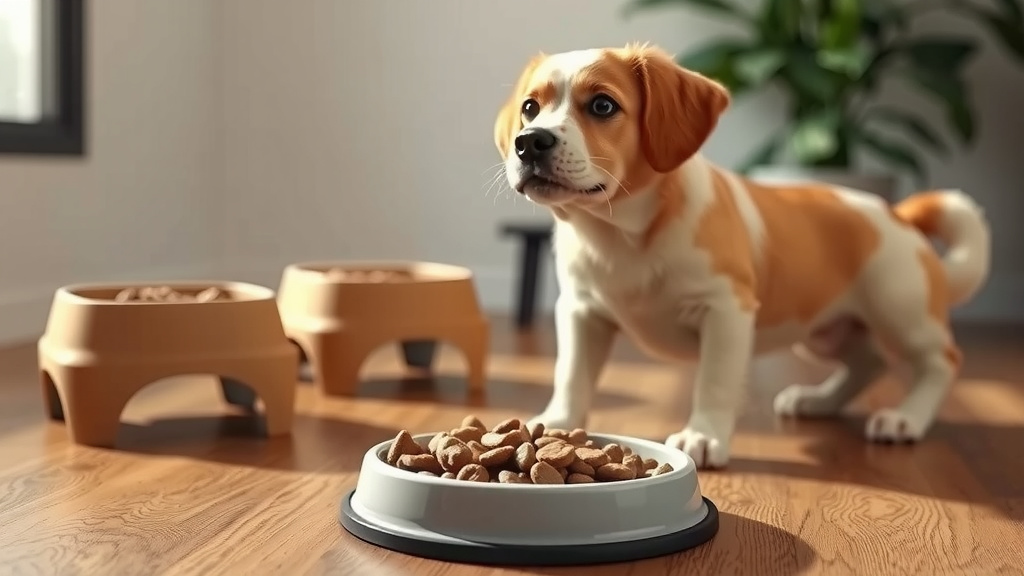
Figuring out how much Fresh Pet dog food to feed your furry friend depends on their specific needs. Factors like your dog’s age, weight, activity level, and metabolism all play a role. Generally, you’ll want to follow the feeding guidelines on the Fresh Pet packaging, but always adjust based on your dog’s body condition.
It’s easy to get overwhelmed by charts and calculators. What works for one dog might not work for another. We found that the best approach is to start with the recommended amount and then monitor your dog closely. You’re looking for a happy, healthy weight without them getting too thin or too pudgy.
- Check the food package for initial feeding recommendations.
- Consider your dog’s age, size, and energy level.
- Watch your dog’s weight and adjust portions as needed.
- Consult your veterinarian for personalized advice.
Let’s walk through exactly how to determine the right portion size for your beloved pup, ensuring they get all the nutrition they need to thrive.
Determining Your Dog’s Fresh Pet Food Portions
Understanding how much Fresh Pet dog food your furry family member needs is simpler than you might think. It really comes down to tailoring their meals to their unique needs. We know you want the best for your pup, and getting the portion size right is key to their health and happiness. Let’s figure this out together!
Understanding the Feeding Guidelines
Fresh Pet food packages are your first stop for guidance. They provide a handy chart that suggests feeding amounts based on your dog’s weight. Think of this as your starting point, like a recipe for success. These guidelines are based on averages, so they’re designed to get you in the right ballpark.
Decoding the Fresh Pet Feeding Chart
You’ll typically see columns for your dog’s weight and the corresponding amount of food to feed daily. This amount is usually given in cups or ounces. For example, a dog weighing 25 pounds might be recommended 1.5 cups per day. It’s important to remember this is the total daily amount, not per meal.
If you have a puppy, the chart might have a separate section for them. Puppies grow fast and need more calories and nutrients per pound than adult dogs. We found that following these specific puppy guidelines is vital for their healthy development. Always err on the side of providing slightly more for growing pups, under veterinary guidance.
Factors That Influence Portion Size
While the chart is a great start, it’s not the whole story. Several factors can nudge the recommended amount up or down. Your dog isn’t just a number on a scale; they’re an individual with their own lifestyle!
Age Matters
Puppies, as we touched on, have different needs than adult dogs. But what about seniors? Older dogs often have a slower metabolism and may need fewer calories to prevent weight gain. We found that senior dogs can sometimes benefit from a slightly reduced portion, but it’s best to discuss this with your vet. They can assess your dog’s specific health and activity level.
Activity Level is Key
Is your dog a couch potato or a marathon runner? This makes a big difference! A dog that spends hours playing fetch or going on long hikes burns far more calories than one who mostly naps. We’ve seen that highly active dogs may need 10-50% more food than the standard recommendation. On the flip side, less active dogs might need a bit less to keep their weight in check.
Metabolism and Breed Tendencies
Just like people, dogs have different metabolisms. Some dogs seem to eat anything and stay lean, while others gain weight easily. Certain breeds are also more prone to obesity. For instance, Labrador Retrievers and Beagles are often cited as having a higher tendency to overeat and gain weight (NCBI). Understanding your dog’s breed predispositions can help you be more vigilant.
Spayed or Neutered Status
We found that pets who have been spayed or neutered often experience a slight decrease in their metabolic rate. This means they might need slightly fewer calories to maintain their weight. It’s a common adjustment many pet parents make after this procedure.
Monitoring Your Dog’s Body Condition
The most accurate way to know if you’re feeding the right amount is to observe your dog. Their physical condition tells you more than any chart can. You want to see a healthy, athletic build, not a skinny frame or a plump physique.
The Rib Test: A Simple Check
You should be able to easily feel your dog’s ribs with a light touch, much like feeling the knuckles on the back of your hand. You shouldn’t see their ribs sticking out, nor should you have to press hard to feel them. We found this simple test to be a reliable indicator of healthy body weight.
Checking Their Waistline
When you look at your dog from above, you should see a visible “waist” behind their rib cage. It should taper in. If their sides are straight or bulge outward, they might be carrying too much weight. Conversely, if the tuck-up is very dramatic, they might be too thin.
How to Adjust Portions
If your dog is gaining unwanted weight, try reducing their daily food intake by about 10%. If they seem too thin or are losing weight, increase their daily portion by about 10%. It’s best to make these adjustments gradually over a week or two, allowing their digestive system to adapt. We found that small, consistent changes are most effective.
When to Consult Your Veterinarian
Your veterinarian is your ultimate partner in your dog’s health. If you’re ever unsure about portion sizes, your dog has sudden weight changes, or they have underlying health conditions, it’s time to call the vet. They can perform a thorough assessment and provide personalized feeding recommendations tailored specifically for your dog.
They might also suggest a specific diet plan or supplements if needed. We found that a vet’s advice is crucial for managing health issues or for specific life stages like pregnancy or illness. Don’t hesitate to reach out to them; they are there to help!
A Quick Checklist for Feeding Success
Here’s a handy list to keep you on track:
- Start with the package guidelines as your baseline.
- Observe your dog’s body condition regularly.
- Adjust portions by about 10% if needed.
- Factor in age, activity, and breed.
- Consult your vet with any concerns.
- Monitor for any changes in energy or digestion.
Conclusion
You’ve learned that feeding your dog the right amount of Fresh Pet food is a balance of following guidelines and observing your pup. Remember, the feeding chart is your starting point, but your dog’s individual needs are what truly matter. By checking their body condition regularly and making small adjustments, you can ensure they stay happy and healthy.
Don’t hesitate to partner with your veterinarian for personalized advice, especially if your dog has special health considerations. Your commitment to monitoring and adjusting will help your dog thrive on their delicious Fresh Pet diet. Keep up the great work!
Frequently Asked Questions
How often should I feed my dog Fresh Pet food?
Most adult dogs do well with two meals a day, spaced about 12 hours apart. Puppies may need more frequent, smaller meals throughout the day. Your veterinarian can help you determine the best feeding schedule for your dog’s age and energy level.
Can I mix Fresh Pet food with dry kibble?
Yes, many owners successfully mix Fresh Pet food with kibble to provide variety and added nutrition. If you choose to mix them, it’s a good idea to adjust the portion of each food type accordingly so you don’t overfeed. Discuss this approach with your vet to ensure a balanced diet.
What if my dog doesn’t like the Fresh Pet food?
Transitioning to a new food can sometimes take time. Try gradually mixing the Fresh Pet food with their old food over a week, increasing the amount of Fresh Pet food slowly. Some dogs might need a slightly warmer meal or a little topping to encourage them.
My dog is a picky eater, how can I ensure they eat enough Fresh Pet food?
Picky eaters can be a challenge! We’ve found that consistency is key. Stick to a feeding schedule and avoid giving too many treats or table scraps, which can make them less interested in their meals. Ensuring the food is fresh and at the right temperature can also help.
How do I know if Fresh Pet food is agreeing with my dog’s stomach?
Look for well-formed stools that aren’t too hard or too loose. Changes in digestion, like excessive gas or diarrhea, could mean an adjustment is needed. If these symptoms persist, it’s always best to consult your veterinarian to rule out any underlying issues.