How Often to Feed Pet Fish: Complete Guide
You should feed your pet fish once or twice a day, giving them only what they can eat in about two to three minutes. Overfeeding is a common mistake that can lead to serious health problems for your fish and dirty tank water. Getting the feeding schedule right is key to a happy, healthy aquatic pet.
Understanding your fish’s dietary needs goes beyond just knowing how often to feed them. Different species have different appetites and nutritional requirements, and the type of food you offer plays a big role. We found that proper feeding helps prevent issues like bloat and supports a cleaner, more stable aquarium environment for everyone.
- Feed most fish once or twice daily.
- Offer only what they eat in 2-3 minutes.
- Avoid overfeeding to prevent health and water quality issues.
- Consider your fish’s species for specific dietary needs.
- Use high-quality fish food appropriate for your pets.
Let’s dive into the specifics of how often to feed your fish and why it matters so much for their well-being.
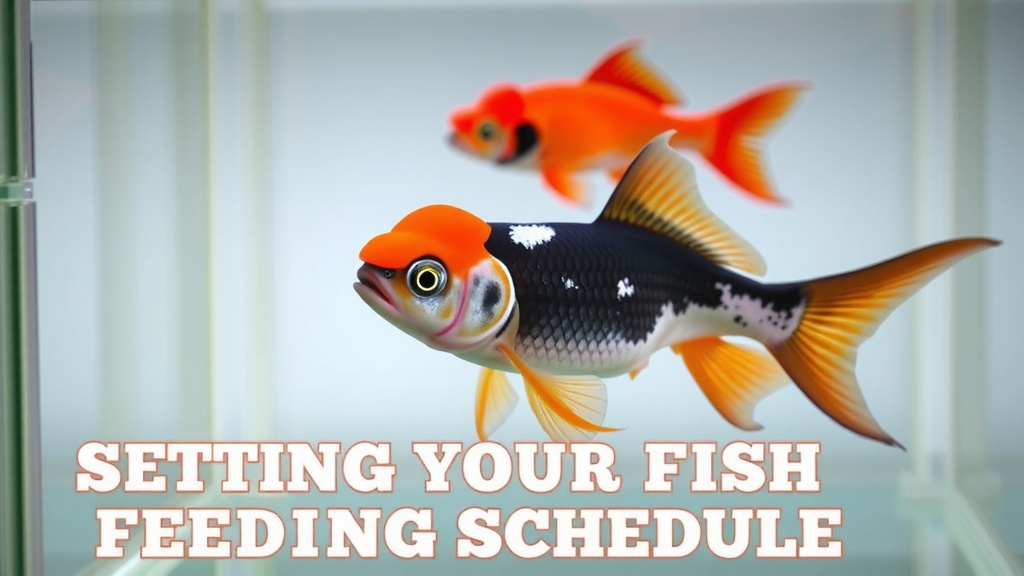
Setting Your Fish Feeding Schedule
When it comes to feeding your fish, consistency is key. Most fish do well with being fed once or twice a day. This mimics their natural feeding patterns in the wild. Think of it like a daily breakfast and maybe a small lunch for your finned friends.
The Two to Three Minute Rule
A good rule of thumb is to give them only what they can consume within two to three minutes. This prevents food from sitting at the bottom of your tank. Uneaten food quickly breaks down. This process pollutes your water. It can also lead to serious health issues for your fish.
Why This Time Limit Matters
Fish can be quite greedy. They often don’t know when to stop. Overfeeding is one of the most common mistakes new fish owners make. It’s better to slightly underfeed than to overfeed. You can always add a tiny bit more if they are still actively searching for food.
Signs Your Fish Are Eating Too Much (or Too Little)
Your fish will often tell you if something is wrong. Look for signs of bloating or buoyancy issues. These can indicate overfeeding. If your fish seem constantly hungry and are scavenging the tank floor aggressively, they might not be getting enough. However, always consider the species’ natural behavior first.
Understanding Your Fish’s Dietary Needs
Not all fish are created equal when it comes to food. Their species plays a huge role in determining their dietary requirements. Some fish are herbivores, meaning they eat plants. Others are carnivores, preferring meat. Many are omnivores, enjoying a bit of both.
Herbivores: The Plant Eaters
Fish like Plecostomus (Plecos) and some types of Tetras are primarily herbivores. They need a diet rich in plant matter. This often means specially formulated algae wafers or vegetable-based flakes. We found that offering too much protein to herbivores can cause digestive problems.
Carnivores: The Meat Lovers
Species such as Bettas, Oscars, and many Cichlids are carnivores. They thrive on protein. Their diet should include high-quality fish pellets, flakes, or frozen foods like brine shrimp or bloodworms. It’s important to source these foods from reputable suppliers to ensure they are safe.
Omnivores: The Best of Both Worlds
Most common aquarium fish, like Goldfish and Guppies, are omnivores. They can digest both plant and animal matter. A good quality flake or pellet food designed for omnivorous fish is usually sufficient. You can supplement their diet occasionally with treats.
Portion Size for Different Species
The amount of food you offer should match the fish’s stomach size. A fish’s stomach is typically only about the size of its eye. This is why small amounts are so important. Feeding them a large flake or pellet might be too much for one meal. Research your specific fish species. We found that a quick Google search with “[fish species name] diet” is very helpful.
Choosing the Right Fish Food
The quality of the food you choose makes a big difference. Not all fish food is created equal. Look for brands that list a specific protein source as the first ingredient. Avoid foods with excessive fillers or artificial colors.
Types of Fish Food
There are several forms of fish food available:
- Flakes: A common staple, good for many surface-feeding fish. They can be messy if overfed.
- Pellets: Sinking or floating pellets are good for bottom-dwellers or fish that prefer a more substantial bite.
- Wafers: Specifically designed for Plecos and other algae eaters.
- Frozen Foods: Such as brine shrimp, bloodworms, and mysis shrimp. These are excellent treats and protein boosts for carnivorous fish.
- Live Foods: Like brine shrimp or daphnia. These can be highly nutritious but carry a risk of introducing parasites if not sourced carefully.
The Importance of Variety
Even with the best quality food, offering variety is beneficial. A varied diet helps ensure your fish get a full spectrum of nutrients. It also keeps their meals interesting. Think of it like you eating the same thing every single day. You’d get bored, and your nutrition might suffer!
Factors Affecting Feeding Frequency
While the general rule is once or twice a day, a few factors might influence this. These include the age of your fish, the type of food, and the tank environment.
Young vs. Adult Fish
Fry (baby fish) and juvenile fish need to eat more often. They are growing rapidly. Many experts suggest feeding fry up to three to four times a day. The portions should be very small. Adult fish have slower metabolisms. They do not require this frequent feeding.
Water Temperature
Fish are cold-blooded. Their metabolism is directly affected by water temperature. In warmer water, their metabolism speeds up, and they may eat more. In cooler water, their metabolism slows down, and they need less food. For most tropical fish, maintaining a stable temperature between 75-80°F (24-27°C) is ideal. Fluctuations can affect their appetite and digestion.
Tank Mates and Competition
If you have a community tank with many fish, feeding can become competitive. Some fish may be shy and not get their fair share. Others might be aggressive feeders. Ensure all fish have a chance to eat. You might need to offer food in different areas of the tank. We found that observing your fish during feeding time is crucial.
Filtration System Strength
A robust filtration system can help manage the waste from food. If your filter is very strong, it can handle a bit more uneaten food. However, this is not an excuse to overfeed. A good filter helps maintain water quality. It doesn’t replace proper feeding habits.
Feeding Checklist for Success
To make sure you’re on the right track, consider this quick checklist:
- Know your fish: Research their specific dietary needs.
- Use quality food: Choose high-protein, species-appropriate options.
- Stick to the time limit: Only 2-3 minutes of eating time.
- Observe your fish: Watch for signs of health or stress.
- Avoid overfeeding: It’s the most common mistake.
- Clean your tank: Regular water changes help manage waste.
Conclusion
You’ve learned the essentials of keeping your fish happy and healthy through proper feeding. Remember, it’s not just about *how often* you feed, but also *how much* and *what* you feed. Sticking to the two-to-three-minute rule and understanding your fish’s specific needs are your best tools. Avoid the common pitfall of overfeeding, which can harm your fish and your tank’s ecosystem. By paying attention to these details, you ensure a vibrant and thriving aquarium life. Your next step is to observe your fish closely after their next meal and adjust their portion if needed.
Frequently Asked Questions
How can I tell if I’m overfeeding my fish?
Look for common signs like bloated fish or fish struggling with buoyancy. You might also notice a lot of uneaten food accumulating on the substrate. Excessive waste can also cloud your water quickly, indicating too much food is being added.
What should I do if my fish seem hungry all the time?
First, confirm you’re feeding the correct amount for their species within the recommended time frame. Some fish are naturally scavengers. If they are still actively searching the tank aggressively after feeding, you might slightly increase the amount, but always do so in very small increments.
Can I feed my fish just once a week?
No, feeding only once a week is generally not sufficient for most pet fish. Fish have different metabolic rates and nutrient needs. Consistent daily feeding, even small amounts, helps maintain their energy levels and overall health.
Is it okay to feed my fish different kinds of food every day?
Variety can be good for fish, but it’s best to stick to a high-quality staple food as their main diet. You can offer different treats or food types occasionally. Too much variety or constantly switching foods can sometimes upset a fish’s digestive system.
How does water temperature affect how often I should feed my fish?
Fish are cold-blooded, so their metabolism is directly linked to water temperature. In warmer water, they digest food faster and may need slightly more food or a more frequent feeding schedule. In cooler water, their metabolism slows, and they require less food.