What Do I Feed My Pet Duck? Healthy Foods & What to Avoid
So you’ve decided to bring home a feathered friend, and now you’re standing in front of your pantry wondering what on earth ducks actually eat. If you’re feeling a bit lost, you’re definitely not alone. Many new duck owners find themselves scratching their heads at feeding time, unsure whether their backyard pal can munch on bread, lettuce, or that leftover pasta from dinner. The truth is, feeding your pet duck properly is one of the most important responsibilities you’ll take on as a duck parent, and it’s easier than you might think once you understand the basics.
Understanding Duck Nutrition: What Your Feathered Friend Really Needs
Before we dive into the specifics of what to feed your duck, let’s talk about what they actually need nutritionally. Unlike your cat or dog, ducks have pretty unique dietary requirements. They’re not picky eaters by nature—in fact, they’re more like tiny aquatic vacuum cleaners, constantly foraging for food in water and on land. However, just because they’ll eat almost anything doesn’t mean they should.
Your pet duck needs a balanced diet that includes protein, carbohydrates, fats, vitamins, and minerals. The right nutrition keeps their feathers glossy, their immune system strong, and their energy levels high. Think of proper duck nutrition as the foundation of a happy, healthy duck that’ll be your companion for many years to come.
The Foundation: Quality Duck Pellets
Let me be straightforward with you—the backbone of your duck’s diet should be quality duck pellets. These aren’t fancy or complicated; they’re simply specially formulated pellets designed specifically for ducks’ nutritional needs. Unlike chicken feed, which is too high in calcium and can cause problems for ducks, duck pellets are perfectly balanced for your bird’s health.
Why Duck Pellets Should Be Your Go-To Choice
Duck pellets contain the right ratios of protein, vitamins, and minerals that your duck needs every single day. When you’re choosing pellets, aim for ones with around 15 to 16 percent protein, which is ideal for adult ducks. If you’re raising ducklings, you’ll want higher-protein pellets—around 20 to 24 percent—because those little guys are growing fast and need extra fuel.
The beauty of duck pellets is that they take the guesswork out of feeding. You’re not left wondering if you’re missing essential nutrients. One scoop in the morning and another in the evening, and you’re giving your duck a solid nutritional base that they can build other foods on top of.
How Much Should You Feed?
A healthy adult duck typically needs about a quarter to a half cup of pellets per day, though this varies based on size and whether they’re supplementing with other foods. If your duck is spending time foraging in grass or water, they’ll naturally eat less pellets because they’re finding food elsewhere. It’s all about balance and observation. Watch your duck’s weight and adjust portions accordingly.
Fresh Vegetables: The Nutritional Powerhouses
Now here’s where feeding your duck becomes genuinely fun. Vegetables are incredible for ducks, and the variety you can offer is honestly impressive. Ducks are natural foragers, and in the wild, they’d be munching on aquatic plants, greens, and all sorts of vegetation throughout the day.
Which Vegetables Are Safe for Ducks?
The good news is that most vegetables are perfectly safe for ducks. Here’s what your duck will absolutely love:
- Lettuce and leafy greens like spinach, kale, and arugula
- Peas and pea shoots, which ducks find irresistible
- Corn, though it should be given in moderation as a treat
- Zucchini and summer squash
- Cucumbers, which are refreshing and hydrating
- Carrots, both raw and cooked
- Pumpkin and winter squash
- Broccoli and cauliflower florets
- Bell peppers in all colors
- Tomatoes, though remove the green parts
You can chop these vegetables into bite-sized pieces, and your duck will happily gobble them up. Fresh vegetables should make up about 20 to 30 percent of your duck’s daily diet, rotating different options to ensure variety and comprehensive nutrition.
Creating a Vegetable Rotation Schedule
Think of your vegetable offerings like a weekly meal plan. Monday might be leafy greens, Tuesday could be peas, Wednesday you go with squash—you get the idea. This rotation keeps things interesting for your duck and ensures they’re getting a wide spectrum of nutrients. Plus, your duck will seem more excited about mealtime when something new appears in their dish.
Fruits: The Occasional Treats
Fruits are where you can really treat your duck, but here’s the thing—they should be occasional treats, not daily staples. Fruits are naturally high in sugars, and while ducks love them, you don’t want to go overboard.
Duck-Friendly Fruits to Offer
Your duck can safely enjoy fruits like watermelon (they especially love cooling off with this in summer), grapes, berries, apples, and pears. Slice them into manageable pieces, remove any seeds from apples and pears, and watch your duck delight in their sweet reward. A small handful of fruit a few times a week is perfect for keeping your duck happy without pushing too much sugar into their system.
Protein Sources Beyond Pellets
Ducks are actually quite omnivorous, and they love protein. In nature, they’d be snapping up insects, small fish, and aquatic invertebrates constantly. You can replicate this natural behavior by offering supplemental protein sources.
Insects and Invertebrates
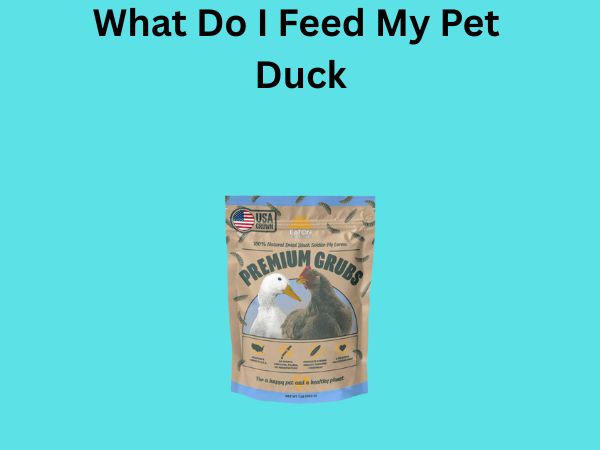
If your duck has access to a yard or outdoor space, they’ll naturally hunt for insects, worms, and snails. This is actually fantastic for them. If you want to supplement, you can offer mealworms, crickets, or earthworms. These are protein-packed treats that’ll have your duck excited at feeding time. Black soldier fly larvae are another excellent option and are increasingly available from online retailers.
Fish and Other Protein Options
You can occasionally offer your duck small fish or fish scraps if you have them. Just make sure they’re not spoiled or contaminated. Cooked eggs are another protein source that ducks genuinely enjoy. Yes, they’re eating their own kind’s eggs, but they don’t seem to mind, and it’s actually nutritious for them.
Grains: A Secondary Food Source
While duck pellets already contain grains, you can occasionally offer additional whole grains as a supplementary food. Oats, barley, and cracked corn are all acceptable. However, here’s where people often go wrong—they think grains should be a primary food source. They shouldn’t be. Grains are more filler than nutrition, so while they’re fine as occasional additions, don’t let them dominate your duck’s diet.
What to Absolutely Avoid: Foods That Are Toxic to Ducks
Now let’s talk about the elephant in the room, or rather, the foods that should never be anywhere near your duck’s bill. Some foods can actually make your duck seriously ill or worse.
Bread: The Number One Mistake
I’m going to say this clearly—stop feeding ducks bread. This is probably the most common mistake duck owners and well-meaning park visitors make. Bread is essentially nutritional junk food for ducks. It fills their bellies without providing any real nutrition, and it can actually lead to a condition called angel wing, which affects their feathers. Plus, moldy bread can be toxic. If you want to give your duck a grain-based treat, crackers or cooked rice are far superior alternatives.
Other Foods to Keep Away From Your Duck
Beyond bread, there are several other foods that pose serious risks:
- Avocado, which contains a toxin called persin that can be harmful to ducks
- Chocolate, which contains theobromine and can be toxic
- Salt and heavily seasoned foods, which can damage their kidneys
- Caffeine in any form, including tea and coffee
- Raw or dried beans, which contain harmful compounds
- Onions and garlic, which can damage their red blood cells
- Moldy or spoiled food of any kind
- Pesticide-treated plants or grass
Basically, if you’re unsure whether something is safe, err on the side of caution and don’t offer it. Your duck’s health isn’t worth the risk.
Water: The Often-Overlooked Essential
Here’s something that catches new duck owners off guard—ducks need constant access to clean water, not just for drinking, but for their overall health and wellbeing. Water is crucial for ducks in ways it isn’t for many other pets.
Why Water Matters Beyond Hydration
Ducks use water to clean their nostrils, eyes, and maintain their feather condition. If you’ve ever watched a duck, you’ve seen them dabble and splash—that’s not just play; that’s essential self-care. While a large pond or kiddie pool is ideal, even a large water container that they can wade in helps tremendously. Change the water daily to keep it fresh and clean.
Feeding Ducklings: Special Considerations
If you’re raising ducklings from a young age, feeding is slightly different. Ducklings need specially formulated duckling starter pellets with higher protein content (20 to 24 percent) because they’re growing so rapidly.
The Duckling Stage Timeline
For the first few weeks, duckling pellets should be their main food. Around week four, you can gradually introduce finely chopped vegetables. By the time they’re eight to ten weeks old, they can transition to adult duck pellets. Throughout this period, they still need access to water for dabbling, and offering small amounts of veggies and treats helps them learn to forage naturally.
Seasonal Feeding Adjustments
Your duck’s dietary needs can shift slightly with the seasons. In summer, when gardens are producing vegetables and ducks have access to more natural foraging opportunities, you might reduce pellet portions slightly. In winter, when fresh vegetation is scarce, you might increase pellets or offer stored vegetables to compensate.
Also, ducks going through molting seasons or sitting on eggs have increased nutritional demands. During these times, offering extra protein sources and slightly increased portions ensures they have the energy they need.
Creating a Feeding Routine Your Duck Will Love
Ducks are creatures of habit, and they thrive on routine. Feeding them at the same time each day helps regulate their digestion and keeps them calm. Morning and evening feeding times work well for most duck owners. This routine also gives you a chance to observe your duck’s health and behavior daily—any changes in eating habits could indicate a health issue.
Monitoring Your Duck’s Health Through Diet
A well-fed duck should have a rounded body, shiny feathers, clear eyes, and good energy levels. If your duck seems lethargic, has dull feathers, or appears overweight or underweight, it’s time to reassess their diet. Keep an eye on their droppings too—healthy duck droppings are generally well-formed and brown or greenish in color. Changes in droppings can indicate dietary issues.
Conclusion
Feeding your pet duck doesn’t have to be complicated or stressful. The simple formula is quality duck pellets as the foundation, supplemented with fresh vegetables, occasional fruits, and protein sources. Avoid the toxic foods we discussed, ensure constant access to clean water, and observe your duck regularly to make sure they’re thriving. Your duck didn’t choose you as their caretaker—you made that choice—so give them the nutrition they deserve. With these guidelines in place, you’re well on your way to being a fantastic duck parent who keeps their feathered friend happy and healthy for years to come.
Frequently Asked Questions About Duck Nutrition
Can I feed my duck regular chicken feed instead of duck pellets?
While it might seem like chicken and duck feed would be similar, they’re actually quite different. Chicken feed contains higher levels of calcium, which can be problematic for ducks and may lead to kidney and bone issues. Duck pellets are specifically formulated for ducks’ unique nutritional requirements, so it’s really worth using the proper feed. The cost difference is minimal, and your duck’s long-term health is worth it.
How often can I give my duck treats, and what’s a reasonable portion size?
Treats should make up no more than 10 to 15 percent of your duck’s daily diet. If you’re offering vegetables, that’s better done daily as they’re nutritious. Fruits and protein treats should be more occasional—maybe a few times a week. As for portion sizes, a small handful of treats is plenty. Your duck’s stomach isn’t huge, and pellets should always remain the bulk of their diet.
Is it safe to let my duck eat plants and algae from my garden pond?
Generally, yes, natural pond plants are fine for ducks to eat and are actually part of their natural diet. However, if your pond has been treated with chemicals, pesticides, or algae treatments, you’ll want to prevent your duck from eating the plants until you’re certain the chemicals have broken down. Always use duck-safe pond treatments if you’re managing a pond specifically for your duck.
What should I do if my duck accidentally eats something toxic?
Contact your veterinarian immediately if you suspect your duck has eaten something harmful. Different toxins have different effects and timeframes, so getting professional advice quickly is crucial. If possible, note what your duck ate and when, as this information helps the vet provide appropriate treatment. Don’t wait to see if symptoms develop—being proactive can mean the difference between a full recovery and serious complications.
Can I feed my duck leftovers from my dinner table?
It depends on what the leftovers are. Unseasoned vegetables, cooked rice, and plain cooked chicken or fish are generally fine. However, anything with salt, spices, oils, or sauces should be avoided. Basically, if it’s heavily seasoned or processed, it’s not appropriate for your duck. When in doubt, stick with foods you know are safe rather than gambling with your duck’s health.
“`