
How to Feed a Pet Leech: Complete Care Guide
Feeding your pet leech is surprisingly straightforward once you know the basics. You’ll primarily feed them blood meals, often sourced from readily available options like live or preserved animal blood. This might sound a bit creepy, but it’s what they need to thrive.
Understanding your leech’s dietary needs ensures their health and longevity. Many keepers find success using a variety of food sources, depending on the specific leech species. Proper feeding prevents health issues and keeps your unique pet happy.
- Leeches eat blood meals.
- Animal blood is a common food source.
- Species dictate specific dietary needs.
- Regular feeding is key to leech health.
Let’s walk through exactly how to offer the right meals for your fascinating pet leech.
Feeding Your Leech Pet: A Practical Guide
You’ve got a leech, and now you’re wondering about its menu. Feeding your leech is less complicated than you might think. It’s all about providing them with the right kind of meal, which, for most pet leeches, means blood.
The specific type of blood and feeding schedule will depend on your leech species. But don’t worry, we’ll break down the best ways to offer food. Getting this right means a happy, healthy leech for you.
Understanding Leech Nutrition Basics
Leeches are natural predators, or in this case, diners. They have adapted to feed on blood from various hosts. In captivity, we aim to mimic their natural diet as closely as possible. This ensures they get the nutrients they need.
Most pet leeches are annelids, meaning they are segmented worms. Their feeding mechanism involves jaws or a proboscis to pierce the skin of a host. Then, they ingest the blood. It’s a pretty efficient system, honed over millennia.
Why Blood is Essential
Blood is rich in iron and proteins, which leeches need to survive and grow. Without regular blood meals, your leech can become weak and stop growing. Think of it like missing meals yourself; you wouldn’t feel your best!
The amount of blood a leech consumes is quite impressive. A single meal can increase their body weight significantly. They can then go for a long time between feedings, sometimes months.
What Kind of Blood Can You Offer?
This is where things can seem a little daunting, but it’s quite manageable. The goal is to provide a safe and nutritious blood source. You have a few options, and the best choice often depends on availability and your specific leech species.
Animal Blood Sources
The most common and recommended food source for pet leeches is animal blood. This can come in a few forms. Many keepers opt for blood sourced from livestock. This is often available from butcher shops or specialized suppliers.
When obtaining blood, ensure it’s fresh and handled hygienically. Improperly stored blood can harbor harmful bacteria, which is bad for both you and your leech. It’s always best to use blood that has been properly collected and stored.
Using Preserved Blood
Preserved animal blood is a convenient option. It’s often sold in liquid or powdered form. These products are specifically treated to remain stable for extended periods. They are a great choice if fresh blood is hard to come by.
Make sure to follow the manufacturer’s instructions for reconstituting or storing preserved blood. Some may need to be diluted or stored at specific temperatures. This ensures the blood is palatable and nutritious for your leech.
Live Blood (Use with Caution)
Some keepers use live blood sources, like small rodents or fish. This is more common for larger or more exotic leech species. However, it comes with ethical considerations and potential risks.
Using live hosts requires careful research into humane practices. You also need to be aware of potential disease transmission. Many experts advise against this method for beginners due to these concerns.
Alternative Food Sources (Rarely Used)
For the vast majority of pet leeches, blood is the only suitable food. However, some very specialized species might have slightly different dietary needs. These are usually not kept by casual hobbyists.
If you have an unusual leech species, consult with a veterinarian specializing in exotic animals or a knowledgeable leech keeper. They can provide species-specific dietary advice. For common pet leeches, stick to blood meals.
How to Offer a Blood Meal
Presenting the blood to your leech requires a gentle touch. You want to make the feeding process as stress-free as possible for your pet. The method can vary slightly depending on how you offer the blood.
Preparing the Food
If you are using preserved blood, you’ll likely need to rehydrate it. Follow the product’s instructions carefully. You want a consistency that your leech can easily consume.
For fresh or previously frozen blood, ensure it is at room temperature. Chilled blood can shock your leech. You might use a small syringe or pipette to offer the meal. This gives you control over the amount given.
The Feeding Process
When it’s time to feed, place the blood near your leech. Some keepers use a small dish or a clean, sterile surface. You can also gently drip the blood near its mouthparts.
Your leech will usually detect the blood and move towards it. They will then attach and begin to feed. It’s fascinating to watch! Avoid disturbing your leech while it’s eating. Let it complete its meal undisturbed.
A successful feeding can take anywhere from 20 minutes to several hours. Once it’s finished, the leech will detach on its own. It will likely appear much larger and more rounded.
Feeding Frequency and Amount
This is a common question, and the answer is: it depends!
Factors Influencing Feeding Schedule
The most significant factor is the species of your leech. Some species require more frequent meals than others. Always research the specific needs of your pet leech.
Temperature also plays a role. Warmer temperatures increase a leech’s metabolism, meaning they digest faster. Colder temperatures slow down digestion. So, you might feed more often in warmer conditions.
The size of the leech matters too. Younger, smaller leeches may need to eat more often than larger, mature ones. They are still growing and developing.
General Guidelines
For many common pet leeches, a feeding once every one to three months is sufficient. Some leeches can go even longer. It’s better to underfeed slightly than to overfeed.
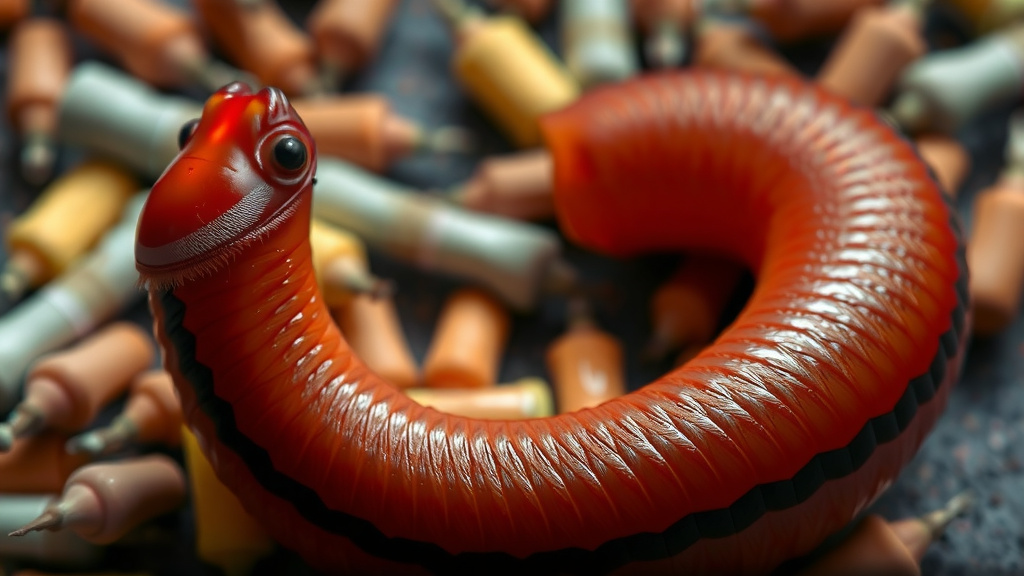
Watch your leech’s appearance. A healthy, well-fed leech will be plump but not excessively bloated. If your leech looks thin and flattened, it’s likely time for a meal. If it’s very round, it might need a longer break.
When offering blood, don’t try to force-feed it. Offer a reasonable amount. If the leech only eats a portion, that’s okay. It can feed again later.
Post-Feeding Care
After your leech has enjoyed its meal, there are a few things to keep in mind. Proper post-feeding care helps ensure healthy digestion and prevents issues.
Digestion Period
Leeches digest their meals slowly. This can take weeks or even months. During this time, your leech will be less active and will appear swollen.
It’s crucial to avoid disturbing your leech during digestion. Keep the water clean, but minimize handling or tank maintenance. Let nature take its course.
Water Quality is Key
Clean water is always important, but it’s especially vital after a feeding. Uneaten blood or waste products can quickly foul the water. This can lead to bacterial growth and harm your leech.
Perform water changes as needed, but gently. Try not to disrupt the digesting leech. If you are housing leeches in a communal tank, monitor for any signs of stress or illness among the group.
Troubleshooting Common Feeding Issues
Sometimes, your leech might be a bit picky or reluctant to eat. Don’t panic; there are usually simple solutions.
Leech Refusing Food
If your leech isn’t eating, first check the temperature of the water. Is it too cold or too hot for the species? Many leeches prefer cooler temperatures for digestion.
Ensure the blood offered is fresh and at the correct temperature. Old or improperly prepared blood can be unappetizing. Also, make sure you aren’t offering food too frequently. Your leech might simply not be hungry.
Leech Not Growing After Feeding
This could indicate an issue with the food source or the leech’s health. Are you certain the blood is nutritious and digestible? Sometimes, leeches might not get a full meal if they detach early.
If your leech seems consistently underweight or isn’t growing over several feeding attempts, it might be a sign of underlying health problems. In such cases, consulting an exotic animal vet is advisable.
Feeding Checklist for Leech Owners
Here’s a quick checklist to help you stay on track with feeding:
- Research your specific leech species’ dietary needs.
- Source high-quality, fresh, or properly preserved blood.
- Offer blood at room temperature, never chilled.
- Feed only when your leech shows signs of hunger.
- Allow your leech to feed and digest undisturbed.
- Maintain pristine water quality, especially post-feeding.
Conclusion
Feeding your pet leech is an achievable task with the right approach. You’ve learned that blood meals are essential and that options like preserved or fresh animal blood are best. Remember to always consider your specific leech species and its needs. Getting the feeding schedule and amount right, coupled with excellent water quality, will keep your fascinating pet healthy and thriving for a long time. Now, go put your newfound knowledge into practice and offer your leech a nutritious meal!
Frequently Asked Questions
How often should I feed my pet leech?
For most common pet leeches, feeding once every one to three months is usually sufficient. Factors like species, temperature, and the leech’s age will influence this. It’s always better to err on the side of feeding less often than too frequently.
What if my leech isn’t eating?
If your leech refuses food, check the water temperature and ensure the blood meal is fresh and at room temperature. You might also be offering food too often; your leech may simply not be hungry. Research your specific species’ preferences for ideal feeding conditions.
Can I feed my leech human blood?
While theoretically possible, feeding human blood to pet leeches is generally not recommended. Sourcing and handling human blood carries significant health risks and ethical concerns. Sticking to readily available animal blood sources is much safer and more practical for leech keepers.
How do I know if my leech has eaten enough?
A well-fed leech will appear plump and rounded after a meal. However, avoid overfeeding, which can cause health issues. If your leech looks thin or flattened, it’s likely hungry. If it’s very full, give it a longer break before the next feeding attempt.
Where can I safely get animal blood for my leech?
You can often find suitable animal blood from butcher shops or specialized online suppliers that cater to exotic pet owners. Preserved blood products are also readily available and convenient. Always ensure the blood is sourced hygienically and handled properly to prevent contamination.