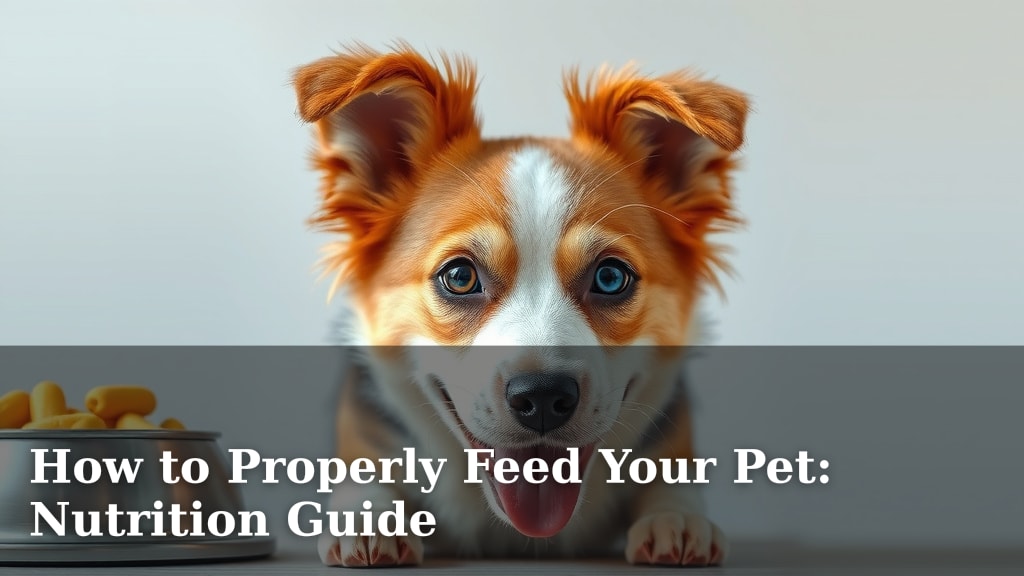
How to Properly Feed Your Pet: Nutrition Guide
Properly feeding your pet means understanding their specific nutritional needs. This involves choosing the right food based on their species, age, size, activity level, and any health conditions. We’ve found that a balanced diet is key to your pet’s overall health and happiness.
Navigating pet food aisles can feel overwhelming. Different brands and formulas exist for every life stage. We’ve researched that focusing on key ingredients and understanding your pet’s unique requirements will help you make the best dietary choices. Your pet’s well-being truly starts with what’s in their bowl.
- Identify your pet’s unique dietary needs.
- Choose age and breed-appropriate food.
- Consider activity level and health status.
- Read ingredient labels carefully.
- Consult your veterinarian for personalized advice.
Let’s walk through exactly how to ensure your furry (or scaly, or feathered!) friend is getting the nutrition they need. We’ll break down the essentials to help you become a pet food pro.
“`htmlNourishing Your Pet: A Guide to Their Best Diet
Choosing the right food for your pet is one of the most important decisions you’ll make. It directly impacts their energy, health, and lifespan. We’ve researched that a balanced diet acts like a well-tuned engine for your pet. It fuels everything they do. This guide will help you understand the key elements of pet nutrition.
Understanding Your Pet’s Unique Nutritional Needs
Every pet is an individual. Their dietary requirements can vary greatly. What works for one dog might not be ideal for another. Factors like species, age, and breed play a big role. We found that understanding these differences helps you avoid common feeding mistakes.
Species-Specific Diets are Essential
This might seem obvious, but it’s worth saying. Cats are obligate carnivores. They need meat to survive and thrive. Dogs, on the other hand, are omnivores. They can digest a wider range of foods. Many experts say feeding a cat dog food can lead to serious health issues (NCBI).
Age Matters: Puppy, Adult, and Senior Nutrition
A growing puppy has different needs than a mature adult or a senior pet. Puppies require more calories, protein, and specific vitamins for development. Senior pets often benefit from diets lower in calories but higher in fiber. They might also need supplements for joint health. We found that using life-stage specific food is a good starting point.
Puppy and Kitten Needs
Young animals are building their bodies. They need nutrient-dense food. Look for formulas specifically labeled for puppies or kittens. These provide the extra energy and building blocks they require. We found that proper early nutrition sets the stage for lifelong health.
Adult Pet Maintenance
Once your pet reaches adulthood, their nutritional needs stabilize. The focus shifts to maintaining a healthy weight and providing consistent energy. Choosing a high-quality adult food that matches their activity level is key. Many vets recommend feeding the same balanced diet consistently.
Senior Pet Considerations
As pets age, their metabolism slows down. They may develop health conditions like arthritis or kidney disease. Senior formulas often have fewer calories to prevent weight gain. They may also include added glucosamine for joints or antioxidants to support aging systems. Always discuss senior nutrition with your vet.
Size and Breed Influence Diet
A Great Dane has vastly different caloric needs than a Chihuahua. Large breeds grow rapidly and are prone to bone and joint issues. Small breeds have faster metabolisms and can benefit from smaller kibble sizes. We’ve researched that breed-specific foods can sometimes address common genetic predispositions.
Decoding Pet Food Labels: What to Look For
Pet food labels can be confusing. But understanding them is vital. It helps you make informed choices. We found that focusing on a few key areas makes reading labels much easier.
Ingredient Quality: The Foundation of Good Nutrition
The first few ingredients on the list are the most prominent. Look for whole, identifiable protein sources like chicken, beef, or fish. Avoid foods where the first ingredient is a vague term like “meat by-products” or “grain fractions.” Many veterinary nutritionists suggest that a named meat source should top the list.
Guaranteed Analysis: Understanding Nutrient Ranges
This section tells you the minimum percentages of protein and fat, and the maximum percentages of fiber and moisture. It’s a useful tool. However, it doesn’t tell you about the *quality* of those nutrients. We found that it’s best used in conjunction with the ingredient list.
AAFCO Statement: Your Assurance of Completeness
Look for a statement from the Association of American Feed Control Officials (AAFCO). It will say something like, “This product is formulated to meet the nutritional levels established by the AAFCO Dog Food Nutrient Profiles for maintenance.” This means the food is complete and balanced for a specific life stage. We found this statement is a reliable indicator of quality.

Key Nutritional Components Every Pet Needs
A balanced diet for your pet includes several essential components. These work together to keep them healthy and active.
Protein: The Building Blocks
Protein is crucial for muscle development, tissue repair, and overall body function. Animal-based proteins are generally more digestible for pets. We found that higher protein levels are often beneficial for active pets or growing youngsters.
Fats: Energy and Essential Fatty Acids
Fats provide concentrated energy. They also carry fat-soluble vitamins (A, D, E, K). Essential fatty acids like Omega-3 and Omega-6 are vital for skin and coat health. We’ve researched that a shiny coat is often a sign of a well-nourished pet.
Carbohydrates: Fueling Activity
Carbohydrates provide energy. They also contribute fiber, which aids digestion. Complex carbohydrates from sources like sweet potatoes or brown rice are often preferred over simple sugars. We found that the amount of carbs needed varies by pet and their activity level.
Vitamins and Minerals: The Supporting Cast
These micronutrients are essential for countless bodily processes. They support everything from bone health to immune function. A good quality commercial pet food will be fortified to meet these needs. We found that specific deficiencies can lead to serious health problems.
Practical Feeding Tips for Healthier Pets
Beyond choosing the right food, how you feed your pet matters too. These simple tips can make a big difference.
Portion Control is Key
It’s easy to overfeed, especially with treats. Too much food leads to obesity. Obesity is linked to many health issues, including diabetes and heart disease. Always follow the feeding guidelines on the food packaging. We recommend measuring food precisely.
Treats in Moderation
Treats are great for training and bonding. But they should make up no more than 10% of your pet’s daily caloric intake. Many owners underestimate how many treats their pet consumes. We found that choosing healthy, low-calorie treats is a wise choice.
Fresh Water Always Available
Hydration is non-negotiable. Ensure your pet always has access to clean, fresh water. Check and refill their water bowl multiple times a day. Some pets prefer filtered water or water fountains. We found that dehydration can happen quickly and be very dangerous.
| Meal | Time | Food Type | Approximate Amount | Notes |
|---|---|---|---|---|
| Morning Meal | 7:00 AM | High-Quality Dry Kibble | 1.5 – 2 cups | Adjust based on calorie content of food. |
| Evening Meal | 6:00 PM | High-Quality Dry Kibble | 1.5 – 2 cups | Can mix in a small amount of wet food for palatability if desired. |
| Treats | Throughout the day | Healthy Dog Treats / Small pieces of safe fruit/veg | Max 10% of daily calories | Use for training or rewards. |
Know When to Seek Professional Help
Your veterinarian is your best resource. They can assess your pet’s individual needs. They can also diagnose and manage any health conditions affecting their diet. We found that a yearly check-up should include a discussion about your pet’s nutrition.
Becoming a savvy pet feeder isn’t complicated. It just requires a little knowledge and attention. By focusing on quality ingredients and your pet’s specific needs, you’re giving them the best chance for a long, happy, and healthy life. Here’s a quick checklist to help you get started:
- Confirm your pet’s species, age, and breed.
- Check the AAFCO statement on food packaging.
- Read the first few ingredients carefully.
- Measure food portions accurately.
- Always provide fresh water.
- Consult your vet with any questions.
Conclusion
You’ve learned that feeding your pet right is a key part of showing them love. Understanding their specific needs for species, age, and size makes a big difference. You now know how to read labels for quality ingredients and the AAFCO statement. You’re equipped to manage portions and provide constant fresh water. Your vet remains your best partner in this journey. Take the next step by reviewing your current pet food and schedule. Make one small, informed change today for a healthier, happier companion.
Frequently Asked Questions
How do I know if my pet’s current food is good enough?
We found that a good indicator is your pet’s overall health. Look for a shiny coat, good energy levels, and healthy digestion. Always check for the AAFCO statement on the packaging to ensure it’s complete and balanced. Discussing your current food with your veterinarian is also a great way to confirm its suitability.
Can I feed my dog cat food or vice versa?
No, you should never feed your dog cat food or your cat dog food. We research that cats are obligate carnivores with very different nutritional requirements than dogs. Feeding them the wrong type of food can lead to serious health problems over time. Always choose food formulated for your pet’s specific species.
What does “grain-free” mean for my pet’s diet?
Grain-free diets exclude grains like corn, wheat, and soy. While some pets do well on these diets, research suggests they aren’t necessary for all dogs. For some breeds, a connection between certain grain-free diets and heart issues has been observed. It’s best to discuss grain-free options with your veterinarian before switching.
How much should I really be feeding my pet?
You’ll find feeding guidelines on your pet’s food bag, but these are just a starting point. We recommend measuring food precisely using a standard measuring cup. Your pet’s exact needs depend on their age, activity level, and metabolism. Monitoring their weight and adjusting portions accordingly is essential.
Are expensive pet foods always better?
Not necessarily. We found that quality is more important than price alone. Focus on the ingredient list and the AAFCO statement rather than just the brand name. A well-formulated, moderately priced food can be just as good, if not better, than a premium-priced option for your pet.