How Often Should You Feed Pet Birds? Expert
Feeding your pet bird the right amount is key to their health. Most pet birds need to be fed two to three times a day. This schedule ensures they get the nutrients they need. It also helps prevent obesity or undernourishment. Always offer fresh food and water at each feeding time.
The exact frequency can depend on your bird’s species, age, and activity level. Smaller birds may need more frequent, smaller meals. Larger birds might eat less often but need more substantial portions. We found that observing your bird’s eating habits can tell you a lot. Pay attention to their energy levels and droppings for clues.
- Feed most pet birds 2-3 times daily.
- Offer fresh food and water each time.
- Species, age, and activity affect feeding needs.
- Observe your bird for health cues.
Let’s get into the specifics of how often you should be feeding your feathered friend and what to watch out for.
What’s the Right Feeding Schedule for Your Pet Bird?
Figuring out how often to feed your bird is a common question for new and experienced bird owners alike. The good news is that a consistent schedule is generally best. For most pet birds, feeding them two to three times a day is the sweet spot. This frequency helps keep their tiny digestive systems happy and prevents them from getting too hungry or overeating.
Think of it like this: your bird is a small creature with a fast metabolism. They need regular fuel to keep their energy up and their bodies running smoothly. So, aiming for a morning meal and an evening meal, with perhaps a smaller midday snack, is a great starting point. We found that consistency is key – your bird will start to expect their meals around the same times each day, which can reduce stress for them.
Species-Specific Feeding Needs
While two to three meals a day is a good general rule, you can’t just apply it to every single bird. Different species have evolved in different environments. They have different dietary needs and eating habits. A tiny finch has very different requirements than a large macaw. It’s important to research your specific bird’s species.
Small Birds: Frequent, Smaller Meals
Smaller birds, like budgies (parakeets), finches, and canaries, often have quicker metabolisms. They can benefit from more frequent, but smaller, servings of food. Imagine a hummingbird; they need constant energy. While your budgie isn’t a hummingbird, their small size means they can digest food relatively quickly.
For these little guys, you might find yourself offering food more than three times a day. Some owners opt for a system where their food dishes are available for a certain period. For example, put fresh food out in the morning and remove it after a few hours. Then, offer another fresh serving in the evening. This way, they always have access to nourishment without the food sitting out too long and spoiling. We found that observing their eating patterns helps determine the ideal timing.
Medium to Large Birds: Less Frequent, More Substantial Meals
On the other end of the spectrum, you have larger birds like cockatiels, conures, African greys, and even Amazons and macaws. These birds can often do well with two main meals a day. Their digestive systems are a bit more robust. They can handle larger quantities of food in one sitting. Think of it like a person eating breakfast and dinner rather than constant snacking.
For larger birds, it’s common to provide a generous portion in the morning and another in the evening. You might leave the food available for a longer period, perhaps for a few hours, but it’s still important to remove uneaten fresh food to prevent spoilage. Some owners provide a base diet of pellets or seeds and then supplement with fresh fruits and vegetables at specific times. This ensures a balanced intake without overwhelming their system.
Age and Activity Level Play a Role
Just like humans, a bird’s life stage and how active they are can change their dietary needs. You wouldn’t feed a baby bird the same way you feed an adult bird. And a bird who spends hours flying around their large aviary will need different fuel than one who mostly lounges in a smaller cage.
Young, Growing Birds
Baby birds, or juveniles still undergoing rapid growth, usually need more food. Their bodies are building muscle, bone, and feathers. Many young birds are still being hand-fed by their parents or you. If you’re hand-feeding, you’ll be offering meals quite frequently, following specific guidelines for the species and age. This might be every few hours.
Once they transition to solid foods, they might still benefit from slightly more frequent meals than an adult. Their metabolism is still working overtime. We found that ensuring they have constant access to nutritious food during this critical development phase is vital for their long-term health. This is especially true for species that are slow to mature.
Active vs. Sedentary Birds
An active bird needs more calories to fuel their movements. If your bird has a large cage, enjoys supervised out-of-cage time for flying, or engages in lots of training and play, they’ll burn more energy. This means they might need slightly larger portions or more consistent access to their food.
Conversely, a bird that is less active, perhaps due to age, health, or a smaller living space, will require fewer calories. Overfeeding an inactive bird can lead to weight gain and health issues. Obesity is a real concern for pet birds. It can contribute to liver disease, heart problems, and other ailments (American Veterinary Medical Association). So, tailoring the amount to their activity level is smart.
What About Treats and Supplements?
Treats are fun for bonding, but they aren’t a meal replacement. You should offer treats sparingly. They should make up a very small portion of your bird’s overall diet. Too many treats can unbalance their nutrition and lead to health problems.
Supplements, like vitamins or calcium, are only needed if your bird has a specific deficiency or a special condition. Many commercial bird foods, especially high-quality pellets, are already fortified. Always consult with an avian veterinarian before adding any supplements to your bird’s diet. They can tell you if it’s necessary and the correct dosage. We found that relying on a balanced diet is usually sufficient for most healthy birds.
Observing Your Bird: Your Best Indicator
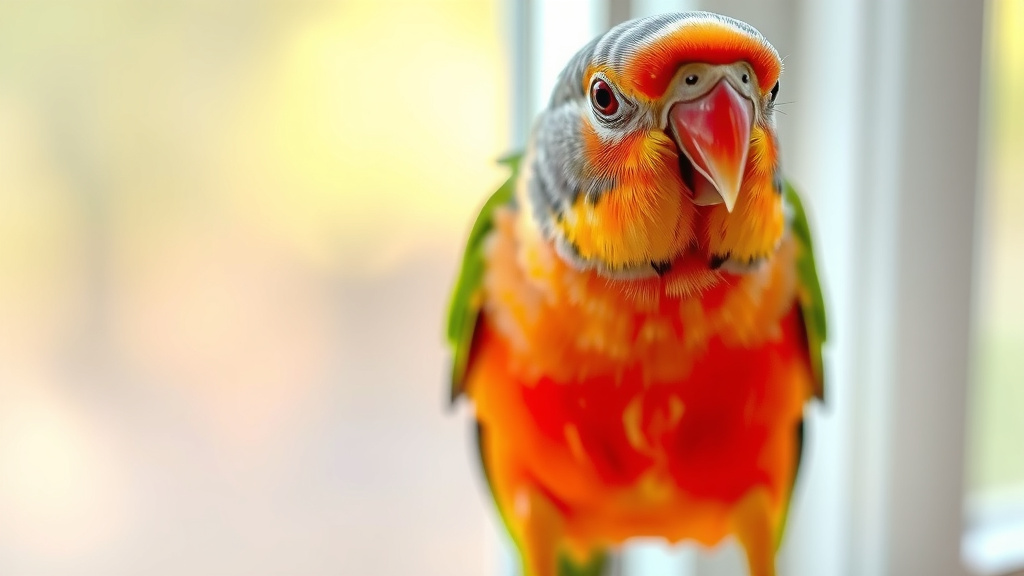
Ultimately, the best way to know if your feeding schedule is working is to watch your bird. Are they bright-eyed and active? Do they seem content and not constantly begging for food? Or are they lethargic, looking thin, or perhaps constantly overeating?
Pay attention to their droppings. Healthy droppings are a good sign of a healthy digestive system. If you notice changes in their droppings – like watery consistency, unusual color, or a lack of the three components (feces, urates, urine) – it could indicate a dietary issue or illness. Your bird’s veterinarian is your best resource for understanding what is normal for your specific pet.
Creating Your Bird’s Feeding Routine: A Checklist
- Research your bird’s specific species for tailored dietary needs.
- Establish a consistent feeding time each day, usually morning and evening.
- Offer fresh food and water at every meal, removing old food promptly.
- Adjust portion sizes based on your bird’s age, size, and activity level.
- Limit treats to a small part of their daily intake.
- Monitor your bird’s health and behavior for any signs of issues.
Conclusion
You’ve learned that feeding your pet bird isn’t one-size-fits-all. The general rule of two to three meals a day is a great starting point. But remember to consider your bird’s unique species, age, and how active they are. Observing your bird’s behavior and droppings is your most reliable guide. By paying attention, you can fine-tune their feeding schedule to ensure they thrive.
Your next step is to review your current feeding routine. Does it align with your bird’s specific needs? Make any necessary adjustments to give your feathered friend the happiest, healthiest life.
Frequently Asked Questions
Can I just leave food out all day for my bird?
For many birds, leaving food out all day isn’t ideal. It can lead to overeating and obesity, especially for larger birds. It also increases the risk of food spoiling, which can make your bird sick. It’s better to offer fresh food at set times.
How do I know if I’m feeding my bird too much or too little?
You can tell by observing your bird’s body condition and energy levels. Are they lean and active, or are they overweight and lethargic? Also, watch their droppings for consistency and health. If you’re unsure, consulting an avian vet is always a good idea.
Should I feed my bird the same thing at every meal?
Variety is important for a balanced diet, but consistency in your feeding *schedule* is key. You can offer different healthy options, like fresh fruits, vegetables, and formulated pellets, at your established meal times. Just ensure the overall diet is nutritious.
What’s the best time of day to feed my bird?
Most owners find that a morning feeding and an evening feeding work best. This mirrors a natural foraging pattern. The exact times can be flexible, but try to stick to a consistent schedule so your bird knows when to expect their meals.
Do I need to give my bird supplements?
Generally, a high-quality, species-appropriate diet should provide all the necessary nutrients. Supplements are typically only needed if your bird has a diagnosed deficiency or a specific health condition. Always talk to your avian veterinarian before giving your bird any supplements.