How to Choose a Pet Water Fountain: 2026 Guide
The best pet water fountain for your cat or dog is one that matches your pet’s drinking style, holds enough water for your household, and is easy to take apart for cleaning. We found that stainless steel models with a simple pump are the most reliable choice for most pet owners.
Your pet needs fresh, moving water to stay hydrated and avoid kidney issues. But with so many fountains on the market, it’s easy to get overwhelmed by filters, pumps, and fancy features. The right fountain keeps water clean, runs quietly, and won’t become a breeding ground for bacteria. Your pet’s health and your sanity both depend on picking a fountain that’s simple to maintain.
- Material matters: Choose stainless steel or ceramic over plastic to avoid scratches that hide bacteria.
- Size it right: Match the water capacity to your pet’s drinking habits and how often you can refill it.
- Pump noise: Look for a quiet, submersible pump so it won’t scare skittish pets or keep you up at night.
- Cleaning ease: Pick a fountain that comes apart completely with no hard-to-reach crevices.
- Filter system: Make sure replacement filters are affordable and easy to find.
Below, we break down everything you need to know about choosing the perfect pet water fountain, from materials to maintenance, so you can make a confident pick for your furry friend.
Picking the Right Pet Water Fountain for Your Furry Friend
Your cat or dog needs steady access to clean water, and a fountain can make that happen. We found that the best approach is to match the fountain to your pet’s specific habits and your home setup. Start with the material, then move to size, pump noise, and cleaning ease.
When you break it down, the decision comes down to a few key factors. We’ve researched what works best for most households and what to watch out for before you click “buy.”
Why Material Is Your First Big Decision
The material of the fountain determines how long it stays hygienic and how much work you’ll put into cleaning it. Stainless steel and ceramic are the top choices for health-conscious pet owners. Plastic is cheaper, but it has a serious downside.
Plastic surfaces get tiny scratches over time. Those scratches become perfect hiding spots for bacteria and slime. Even if you scrub hard, you can’t get into those micro-grooves. Many experts point to plastic as a common trigger for feline acne and skin irritation in cats (Cornell University College of Veterinary Medicine).
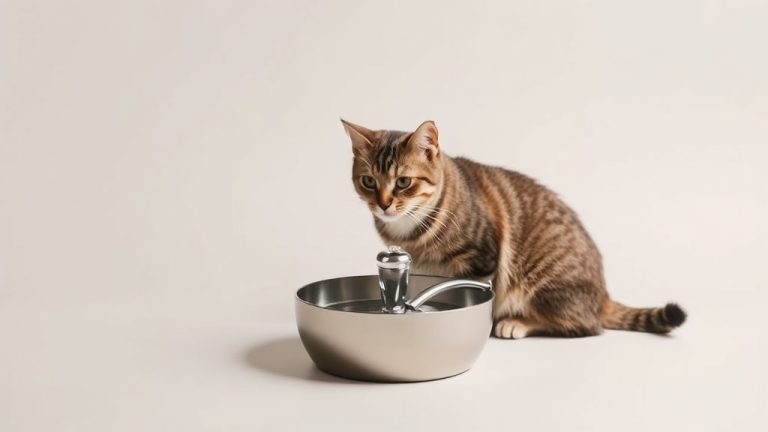
Stainless steel resists scratches and is naturally more hygienic. It’s also durable and won’t break if you knock it over. Ceramic is heavier and stays put, but it can chip or crack if dropped. We found that stainless steel offers the best balance of safety, durability, and easy cleaning for most owners.
What About Plastic Fountains?
If you already have a plastic fountain and your pet is healthy, you don’t need to panic. Just check the surface regularly. Run your finger along the inside. If it feels rough or scratched, it’s time to upgrade. Replace plastic fountains every year or sooner if you see cloudiness or scratches.
Some pets refuse to drink from metal because it’s cold or makes noise. If that’s your pet, choose a high-quality BPA-free plastic model and clean it more often. We recommend cleaning plastic fountains at least twice a week to reduce bacterial buildup.
Matching the Size to Your Pet’s Drinking Habits
Size matters more than you might think. A fountain that’s too small will run dry quickly, and the pump can burn out. A fountain that’s too large takes up floor space and holds water that might go stale. Match the capacity to how much your pet drinks daily.
Most cats drink about 3.5 to 4.5 ounces of water per 5 pounds of body weight each day (National Research Council). Dogs need roughly 1 ounce of water per pound of body weight. A small cat might only need a 50-ounce reservoir. A large dog, like a Labrador, needs a fountain holding at least 100 ounces.
Consider your schedule too. If you travel often or work long hours, choose a larger reservoir. That way, your pet always has water even if you’re late getting home. Bigger is usually safer unless you live in a tiny apartment.
Think About Multiple Pets
Do you have two cats or a cat and a dog? They’ll drink from the same fountain, but they’ll also splash more. A larger capacity prevents the pump from running dry. We found that households with multiple pets do best with a fountain holding at least 80 ounces.
Some fountains come with different drinking zones. A dog-friendly model has a wider bowl. A cat-friendly model has a gentle stream. If you have both, look for a fountain with multiple flow settings so everyone can drink comfortably.
Keeping the Noise Down for Skittish Pets
Loud pumps scare pets. A nervous cat might avoid the fountain entirely if it hums or gurgles loudly. That defeats the whole purpose. You need a fountain that runs quietly enough to hear a pin drop in a silent room.
Submersible pumps are the quietest option. They sit fully underwater, which muffles the motor sound. We found that most modern fountains with submersible pumps operate below 40 decibels. That’s about the same as a soft whisper or a library. Some models even advertise a near-silent operation for noise-sensitive pets.
Check reviews specifically for pump noise complaints. Some fountains start quiet but get louder as the pump collects debris. A good filter and regular cleaning keep the pump running smoothly and quietly.
Flow Type Matters: Streams, Bubbles, or Still Water
Cats and dogs have different drinking preferences. Some love a gentle stream they can lap from. Others prefer a bubbling dome or a flat surface. Watch how your pet drinks before you choose a flow style.
Flowing stream fountains mimic a faucet. They’re great for cats that like to drink from the sink. Bubbling fountains create a small pool on top, which works well for dogs that like to lap. Some fountains offer both options, letting you switch based on your pet’s mood.
If your pet likes to paw at water or tip bowls over, choose a fountain with a low, stable base. Heavy ceramic or wide stainless steel bases resist tipping. A wider drinking bowl also reduces whisker fatigue in cats, which makes them drink more happily.
Cleaning Ease: The Difference Between Daily Use and a Dusty Shelf
A fountain that’s hard to clean will end up in the trash. It’s that simple. You need to take the whole thing apart to scrub every piece. Look for a fountain with minimal parts and no hidden crevices.
Most quality fountains come apart into the reservoir, the pump, and the filter housing. Each piece should be dishwasher-safe or easy to scrub by hand. We found that fountains with wide openings are much easier to clean than those with narrow necks. You can actually reach your hand inside to wipe down the interior.
Avoid fountains with complex tubing or small plastic connectors. Those parts trap slime and are nearly impossible to clean thoroughly. If you can’t clean it in under five minutes, it’s not the right fountain for you.
How Often Should You Clean the Fountain?
Experts recommend cleaning the fountain and replacing the water every two to three days. The pump and filter should be rinsed at least once a week. Monthly, do a deep clean with a mild soap and a soft brush to remove any biofilm.
You don’t need harsh chemicals. Warm, soapy water works well. Avoid bleach or strong detergents because they can leave harmful residue. White vinegar works as a natural descaling agent, but make sure you rinse thoroughly before refilling.
If you notice a slippery film on the surfaces, that’s biofilm. It’s a sign you’re not cleaning often enough. Biofilm can make your pet sick if left untreated, so stay on top of your cleaning schedule.
Filter Systems Explained in Plain English
Filters do more than just catch hair and debris. They remove odors, soften the water, and help reduce bacteria growth. But not all filters are created equal. Understand what each filter does before you buy.
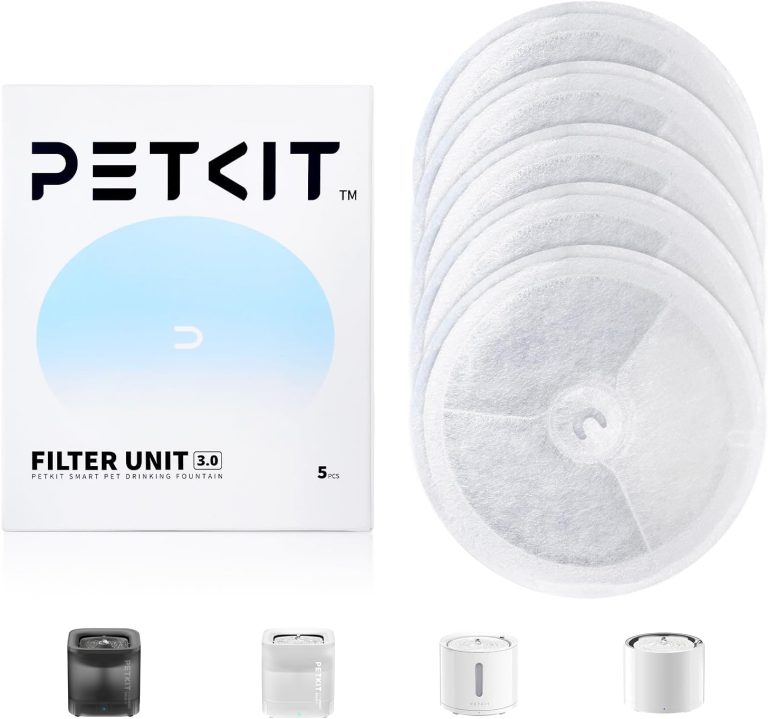
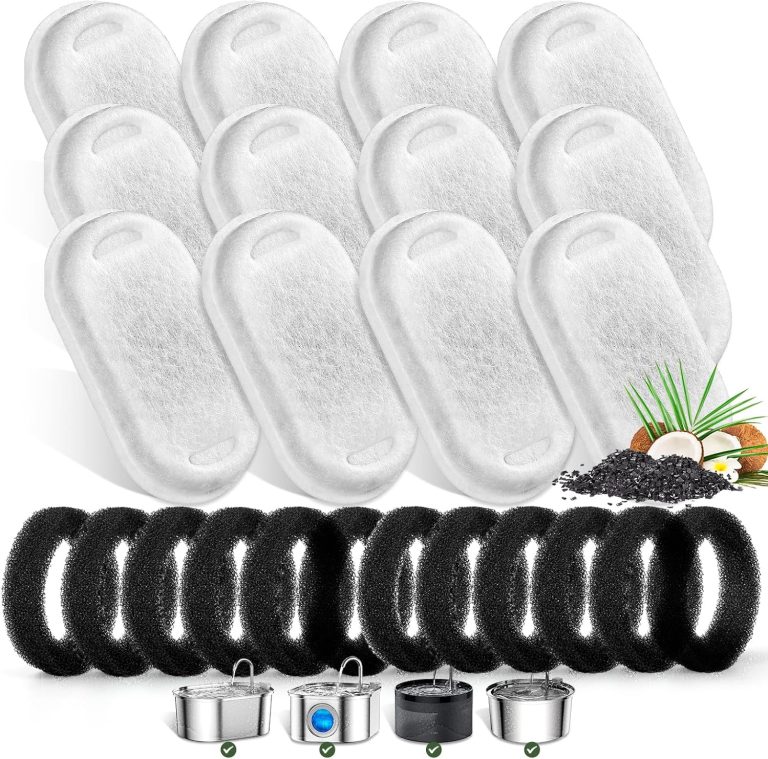
Most fountains use a multi-layer filter with activated carbon. The carbon absorbs bad tastes and odors, which encourages your pet to drink more. Some filters also include ion-exchange resin to soften hard water and reduce scale buildup. A foam layer catches larger particles like food and hair.
Filter replacement costs add up over time. We found that some brands charge nearly as much for a year of filters as they do for the fountain itself. Check the price and availability of replacement filters before you commit to a model.
How Often to Replace Filters
Most manufacturers recommend replacing filters every two to four weeks. However, this depends on how many pets use the fountain and how much hair they shed. Smell is a good indicator. If the water starts to smell even after a rinse, it’s time for a new filter.
Buying filters in bulk usually saves money. Some brands offer subscription plans that deliver filters every month. That can be convenient, but make sure the brand is reliable and the filters are high quality. Generic filters often don’t fit well or don’t filter as effectively, so stick with the brand’s own filters when possible.
Special Considerations for Cats vs. Dogs
Cats and dogs have different drinking styles and different needs. A fountain that works great for a cat might frustrate a large dog. Think about your pet’s size and behavior before you choose.
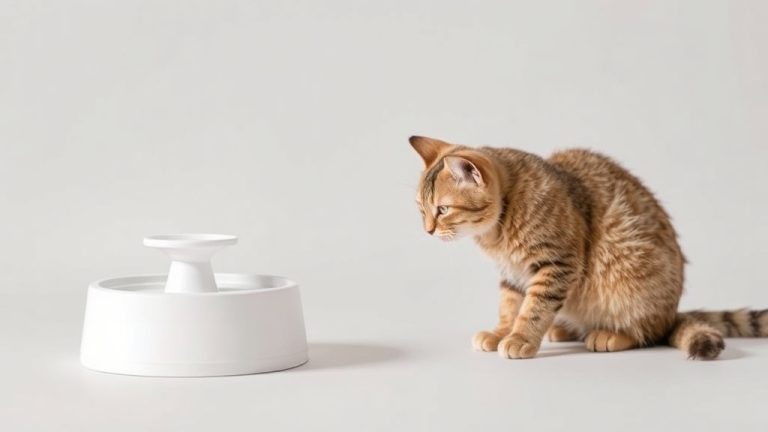
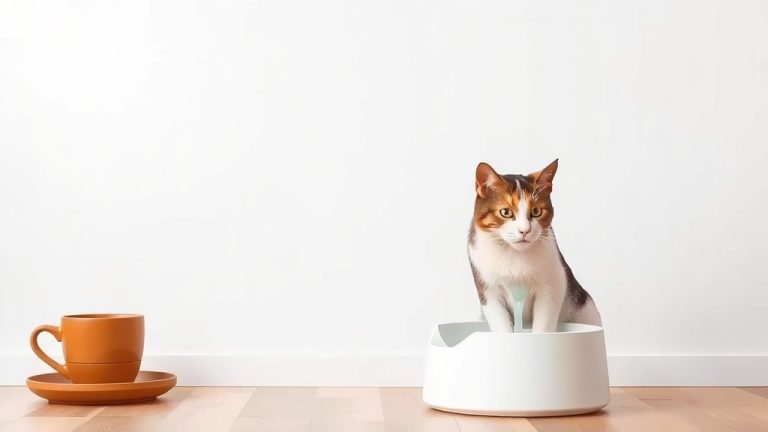
Cats prefer shallow water that doesn’t touch their whiskers. They also like a quieter, more delicate stream. Look for a fountain with a gentle flow and a shallow drinking area. Some cat fountains have a flower-petal design that keeps the water surface small, which reduces evaporation and noise.
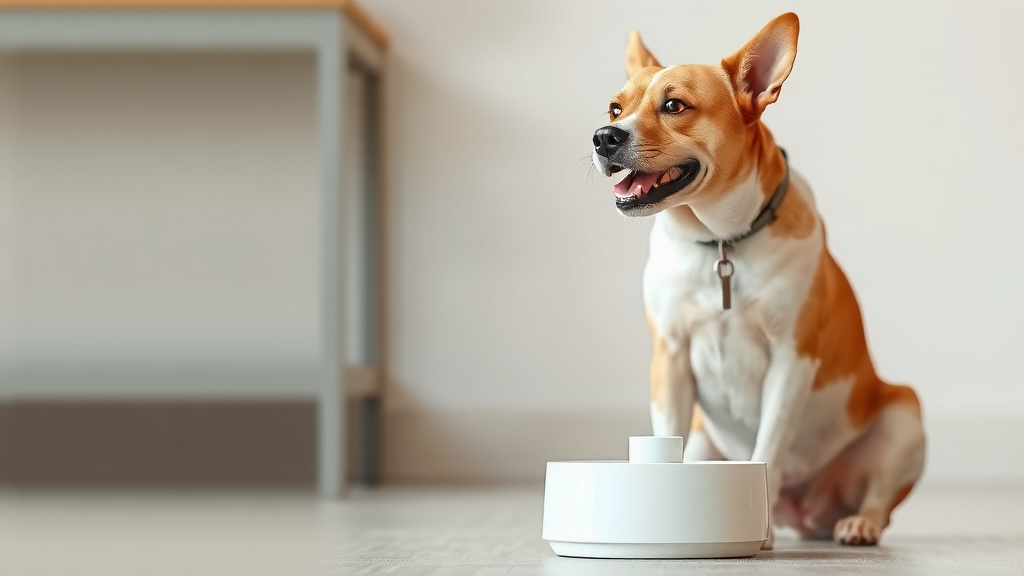
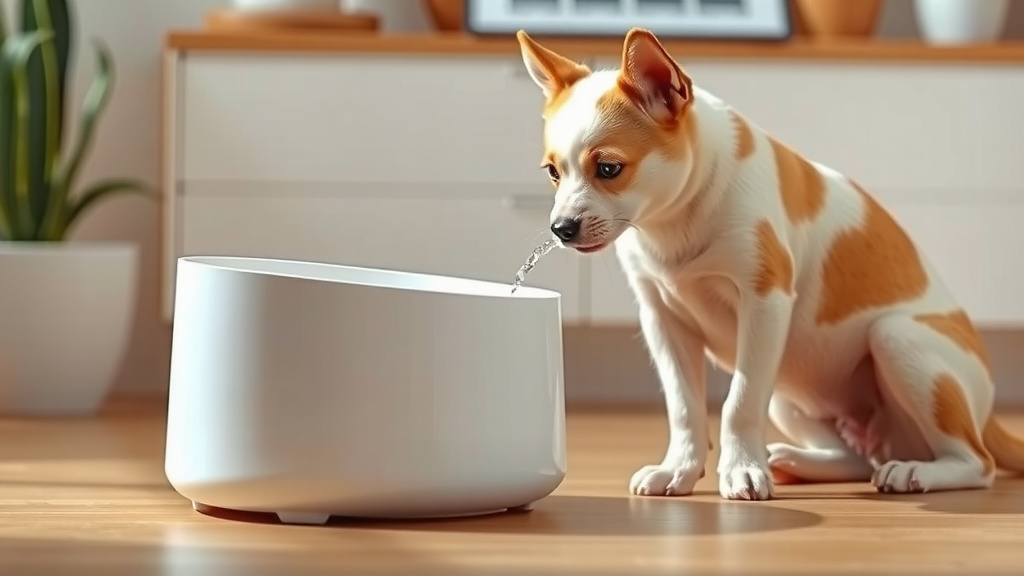
Dogs need a larger surface area to lap water comfortably. A deep bowl with a strong stream works well for most dogs. However, some dogs splash a lot. A fountain with a splash guard or a high rim can keep your floors dry.
What About Multi-Pet Households?
If you have both cats and dogs, choose a fountain with a generous capacity and adjustable flow. Many fountains now come with two drinking zones: a raised stream for cats and a wide bowl for dogs. This design lets each pet drink in their preferred style without getting in each other’s way.
Watch out for territorial behavior. Some pets guard the fountain. Place it in a neutral area where all pets can access it without feeling trapped. You might need more than one fountain if your pets don’t get along. Multiple water sources are always a good idea anyway, especially in large homes.
Power and Safety Features Worth Paying For
Fountains need electricity to run. Most use a low-voltage adapter that plugs into a wall outlet. Some newer models are cordless and run on batteries, which is great for homes without nearby outlets. Check the cord length to make sure it can reach your desired spot.
Look for a fountain with a low-water shutoff feature. This automatically turns off the pump when the water level gets too low, preventing the pump from burning out. It’s a small feature that can save you money on replacements.
Also check if the pump is easy to access and remove. A pump that’s buried deep in the fountain is frustrating to clean. A top-accessible pump makes weekly maintenance quick and painless.
Warranty and Customer Support
Even the best fountains can have issues. A broken pump or a cracked base can happen. Check the warranty before you buy. Most reputable brands offer at least a one-year warranty. Some offer two or three years on the pump.
Read reviews about customer support. If a brand is hard to reach or doesn’t honor warranties, that’s a red flag. We found that brands that sell replacement parts separately are easier to maintain long-term. You can replace just the pump instead of buying a whole new fountain.
Our Final Checklist for Choosing a Fountain
Before you make your decision, run through this quick checklist. If your choice checks all these boxes, you’ve found a winner. If it misses on more than one, keep looking.
- Material: Stainless steel or ceramic, not scratched plastic.
- Capacity: Holds at least 50 ounces for cats, 100 ounces for dogs.
- Noise level: Runs quietly with a submersible pump.
- Cleaning ease: Comes apart into few pieces, dishwasher-safe.
- Filter cost: Replacement filters are affordable and in stock.
- Safety: Has low-water shutoff and a stable base.
Take your time with this decision. A good fountain lasts for years and keeps your pet healthy. A bad one ends up in the garage, collecting dust. Your pet depends on you to make the right call.
Once you find the right one, your pet will thank you with healthier drinking habits and fewer trips to the vet. And you’ll thank yourself for not having to refill a bowl three times a day.
Conclusion
Choosing the right pet water fountain comes down to three things: material, size, and how easy it is to clean. You want stainless steel or ceramic, a reservoir big enough for your pet’s daily needs, and a simple design that comes apart without a fight. A quiet pump and affordable filters keep the fountain running smoothly for years.
Start by measuring how much your pet drinks each day. Then, pick a fountain that holds at least twice that amount. That gives you a buffer for hot days or busy schedules. Match your top two priorities from the checklist, order the fountain, and set a recurring reminder to clean it every few days. Your pet will drink more, stay healthier, and you will stop worrying about hydration. Make the switch this week.
Frequently Asked Questions
Can my pet get sick from a dirty water fountain?
Yes, a dirty fountain can make your pet sick. Bacteria and biofilm build up on the surfaces and in the pump. This can cause digestive issues or urinary tract infections.
Clean the fountain every two to three days. Rinse the pump weekly and replace filters on schedule. If you see a slippery film, clean immediately.
How long does a pet water fountain pump usually last?
Most quality pumps last between one and two years with regular cleaning. Debris and mineral buildup are the main reasons pumps fail early. Rinse the pump weekly and descale it monthly with white vinegar.
If your fountain gets louder over time, the pump likely needs a deep clean. Keep a spare pump on hand so you can swap it out quickly.
Is a ceramic or stainless steel pet fountain better for allergies?
Stainless steel is often better for pets with allergies or sensitive skin. It has a non-porous surface that doesn’t harbor bacteria or allergens. Plastic is the most common trigger for feline acne and skin irritation.
Ceramic is also non-porous and safe, but glazes can chip over time. If you have a pet with skin issues, stainless steel is your safest bet.
Should I leave the pet fountain running at night?
Yes, leave the fountain running at night unless it keeps you awake. Cats and dogs are often more active at dawn and dusk. They need fresh, moving water during those hours.
If pump noise bothers you, place the fountain on a soft mat to absorb vibrations. Choose a model rated below 40 decibels so it stays whisper-quiet while you sleep.
Why does my cat drink more from the sink than the fountain?
Your cat may prefer the sink because the stream feels different or the water tastes fresher. Some cats are picky about the flow style or the material of the fountain. Try switching to a fountain with a gentle stream setting.
Run your finger along the inside of the fountain to check for scratches or residue. Clean it thoroughly and change the filter. Your cat might just need a fresh start.