Clean Cat Water Fountain Motor: Step-by-Step Guide
The easiest way to clean a cat water fountain motor is to disassemble the pump, soak it in a vinegar and water solution, and scrub it with a soft brush every one to two weeks. This simple routine prevents slimy biofilm and keeps your cat drinking fresh, flowing water. A clean motor also makes the fountain run quieter and last much longer.
Your cat’s fountain motor works hard around the clock, and it constantly gets coated with saliva, fur, and mineral deposits from tap water. We found that most fountain failures happen because owners only clean the basin and forget the motor inside. That tiny pump is the heart of the whole system, so giving it some regular attention saves you from buying a replacement fountain.
- Unplug the fountain and remove the motor from the housing.
- Disassemble the pump to access the impeller and magnetic rotor.
- Soak all parts in a 1:1 white vinegar and water solution for 15-20 minutes.
- Scrub gently with a soft toothbrush to remove buildup without damaging the parts.
- Rinse thoroughly with clean water and reassemble before refilling.
Below, we walk you through each step in detail, including the best cleaning supplies and a few common mistakes to avoid. Let’s get that motor spinning like new.
Keeping Your Cat’s Fountain Motor in Top Shape
You probably think about your cat’s water freshness, not the motor’s inner workings. Yet research and experience show that maintenance is simple once you get the routine down. We found that a regular weekly look inside the pump prevents almost all major failures. It takes about ten minutes once you know what you are doing.
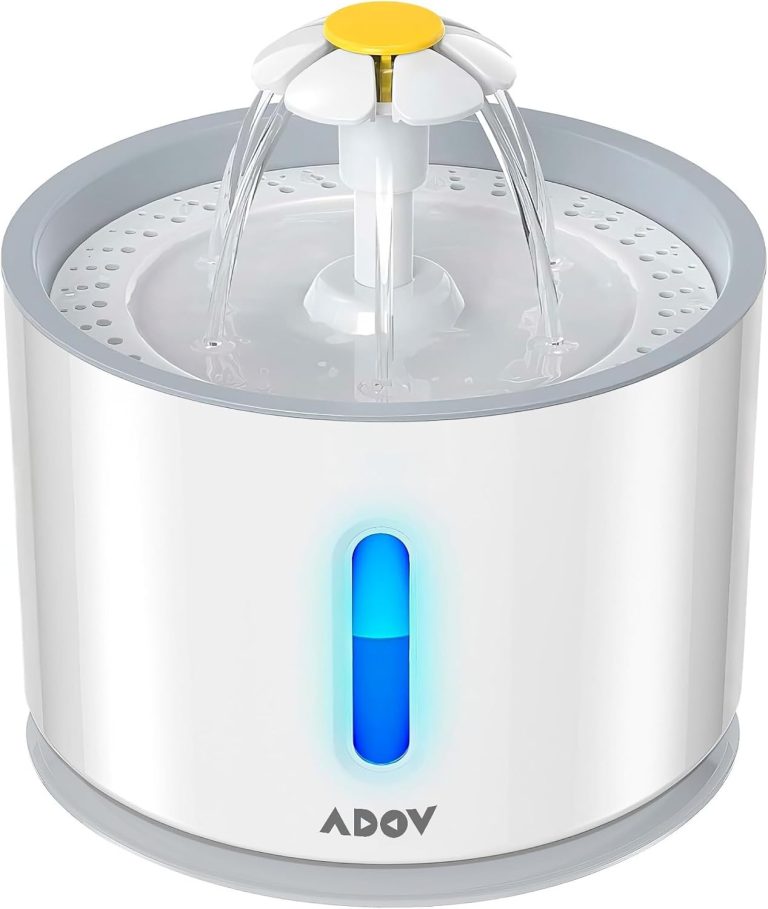
The motor is a small magnetic pump. It has a spinning piece called an impeller. That impeller pulls water up and pushes it out the spout. When fur and slime wrap around it, the motor works harder and eventually stops. Your job is to keep that spinning part free from gunk.
What You Need Before You Start
Gather your supplies first. This keeps the process quick and stress-free for you and your cat. You likely have most of these items at home already.
- White vinegar (plain, not apple cider)
- Soft toothbrush or small cleaning brush
- Cotton swabs for tiny crevices
- Clean dish soap (mild, unscented is best)
- A bowl or container for soaking
- Clean, dry towel
That is genuinely all you need. You don’t need fancy enzyme cleaners. Many pet brands sell pump cleaning kits, but vinegar works just as well for a fraction of the cost. We found that common household vinegar tackles mineral scale and biofilm effectively.
Why Vinegar is the Safe Choice
Vinegar is gentle on plastic parts. Harsh chemicals can crack or warp the pump housing over time. Research from veterinary sources highlights that residue-free cleaning agents are vital for pet health. If you don’t rinse well, soap residue can irritate your cat’s stomach. Vinegar rinses away cleanly with water.
If you have hard water, you might need a longer soak. Hard water leaves white chalky scale on the motor. That scale acts like sandpaper on the spinning parts. A soak in undiluted vinegar works best for stubborn mineral crust. Just be careful to give everything a very thorough rinse afterward.
Step-by-Step Motor Cleaning Routine
This is the heart of the whole process. We found that following the same order every time makes it faster. You also reduce the chance of losing small parts. Start by unplugging the fountain completely. Then follow the steps below.
Step 1: Remove the Motor from the Housing
Take apart the fountain basin. Find the small rubber cap or holder where the pump sits. Gently pull the motor up and out. Some fountain models have a pre-filter sponge wrapped around the motor. Slide that sponge off and set it aside for a separate cleaning later.
You might hear a little water slosh out. That is normal. Place the motor on your towel. Look for the small rubber gasket on the bottom. Pop that off and keep it safe. You’ll need it when you reassemble everything.
Step 2: Open Up the Pump Chamber
Most motors have a small lid that clips on or twists off. This lid covers the impeller and the rotor. Press down gently on the clip tabs and lift the lid straight up. Some lids have a few screws to remove. Only do this if you see visible screws.
Inside, you’ll see the colored impeller piece. This has tiny magnets inside it. Pull the impeller straight up and out. The metal shaft that holds it may look rusty. That’s usually just mineral stain, not real rust. Set all these pieces aside in your soaking bowl.
Dealing with the Small Rubber Gaskets
There is a tiny rubber ring or washer somewhere in the pump. This stops water from leaking into the electric part. Keep it in a safe spot. If you lose that small O-ring, the motor will leak and die quickly. A good trick is to put all small rubber parts into the closed soak bowl so they don’t roll off the counter.
Step 3: Soak Everything in Vinegar Solution
Fill your bowl with equal parts warm water and white vinegar. Submerge the pump base, the lid, the impeller, and the metal shaft. Let everything soak for 15 to 20 minutes. Do not exceed 30 minutes. We found that longer soaks can soften the plastic and cause cracks.
During the soak, the vinegar breaks down the slimy bio-film. It also dissolves hard water scale. Gently swirl the bowl a couple of times to dislodge loose debris. You’ll see cloudy water, which is proof that the gunk is releasing.
Step 4: Scrub Without Damaging the Parts
Take the pieces out one at a time. Use your soft toothbrush to scrub the impeller blades carefully. Work under warm running water. Pay special attention to the small slots on the pump base. Fur tends to wrap tight around the center post. That’s usually the main cause of a quiet motor that stops.
Use a cotton swab dipped in the vinegar to clean the tiny hole where the shaft sits. Don’t force anything. The plastic is brittle, especially after a year of heavy use. If you have a stubborn black buildup that doesn’t come off, soak it for a few more minutes and try again.
Cleaning the Pre-Filter Sponge and Basin
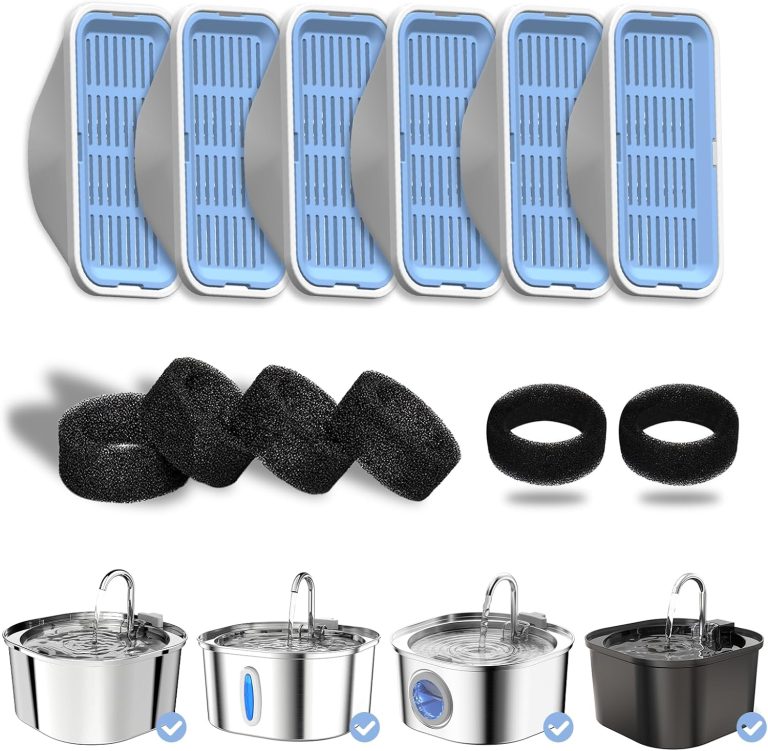
The motor does not work alone. It relies on a clean pre-filter sponge. This sponge catches fur and big debris before they hit the motor. Clean this sponge every time you clean the motor. Squeeze it out under running water until the water runs clear.
Once a month, replace that sponge entirely. Research suggests that worn-out sponges harbor bacteria that can make cats sick. We found that most brands sell replacement filter sets for around ten dollars. They are worth the small cost for your cat’s safety.
Clean the basin with mild dish soap and warm water. You don’t need to scrub the basin with vinegar, but doing both at once is efficient. Rinse the basin several times until you no longer feel any slippery film.
Mistakes That Kill Fountain Motors
You might be doing a good cleaning routine, but one small mistake could damage the motor anyway. We found that many users accidentally break their pumps during maintenance. Knowing what to avoid is just as important as the cleaning itself.
- Do not run the motor without water. It will burn out within minutes and ruin the pump permanently.
- Do not use bleach or ammonia. These harsh chemicals can damage the plastic and leave toxic residue for your cat.
- Do not use hard brushes or steel wool. These will scratch the impeller and make it noisy forever.
- Do not boil the motor or any plastic parts. High heat will warp them and break the seals.
- Do not soak the motor overnight. Long exposure to liquid can seep into the electrical wiring.
- Do not force the impeller back in. If it doesn’t slide easily, check that the shaft is aligned properly.
How Often Should You Clean the Motor?
There is no single rule for every cat home. The right frequency depends on your cat’s hair length and your water type. We found that cats with long fur need weekly motor cleaning. Short-haired indoor cats in apartments may be fine with a cleaning every two weeks.
Hard water needs more frequent attention too. If you see white powder on the spout after just a few days, your water is heavy in minerals. Clean the motor every seven days in that case. If your cat drools while drinking, that also adds extra protein buildup to the motor.
Set a phone reminder every Sunday morning. Better yet, make the cat fountain cleaning part of your regular cleaning day. When it becomes a habit, it takes very little thought or effort. Your cat rewards you with proper hydration, which prevents future expensive vet bills.
Reassembling the Pump the Right Way
Now comes the tricky part: putting it back together. Start with the metal shaft. Slide it into the center hole of the pump base. Place the impeller over the shaft, making sure the magnetic side faces the correct way. If the impeller clicks and drops into place, you are on the right track.
Replace the small rubber gasket or O-ring exactly where you found it. Then clip the lid back on. Run a little water over the motor to check that it spins smoothly. Give the impeller a gentle spin with your finger. If it rotates freely with no noise, you’re good. If it wobbles, take it apart and check the shaft alignment.
Finally, install the motor back into the fountain housing. Put the pre-filter sponge around it, insert the pump correctly, and refill the basin with fresh, cool water.
Troubleshooting a Motor That Still Won’t Work
Sometimes you clean everything perfectly, but the motor stays quiet. Do not panic. Most cases are simple fixes. First, check that the impeller is really spinning when you plug the fountain in. If nothing moves, unplug it and try spinning the impeller manually a few times to loosen any hidden gunk.
If the motor hums but pushes no water, there might be an air bubble trapped inside. Pour a small cup of water directly into the pump chamber before turning it on. This primes the pump and starts the water flow instantly. Many users find this solves the problem on the first try.
If the motor still refuses to work, inspect the wiring for wear. Look for cracks or frayed cables. This is a serious safety hazard. Do not try to patch the cable with tape. Replace that fountain immediately to avoid an electrical short.
Signs That It’s Time to Replace the Motor
With regular care, a good motor lasts one to two years. But every part has a lifespan. We found that noisy humming that continues even after cleaning is a big warning sign. The internal bearings are likely worn out from constant use. No amount of scrubbing fixes that.
Leaking water from the base is another clear indicator. The rubber seals eventually wear down and lose their shape. If you see moisture around the plug area, retire that pump right away. Water and electricity mix dangerously, and protecting your family and your cat matters more than saving a few bucks.
Buy a replacement pump that matches your fountain’s brand and model number. You can often find the model number printed on the side of the motor casing. Take that number to an online pet supply store or your local shop. Standard replacement pumps cost between ten and thirty dollars. That is much cheaper than replacing your entire fountain.
Quick Cleaning Checklist
Keep this list handy near your sink. Print it out and stick it inside your kitchen cabinet for easy reference. Use the same checklist every single time so you never miss a step.
- Unplug the fountain from the wall outlet first.
- Disassemble the pump and remove the impeller and metal shaft.
- Soak all small parts in a warm vinegar and water mixture for fifteen minutes.
- Scrub gently with a soft toothbrush to remove all sticky slime and fur.
- Rinse every part under running water until all vinegar smell is gone.
- Reassemble and test the motor in a cup of water before placing it back into the fountain.
Stick to this routine and you are protecting your cat from dehydration and urinary issues. A fresh flow of water encourages drinking, and drinking more water supports kidney health for years to come. That little motor deserves your attention, and your cat will thank you with purrs and healthy licks.
Conclusion
You don’t need to be handy to keep that motor running smoothly. The whole job takes about ten minutes every week or two. Just unplug, pull apart, soak in vinegar, and scrub away the slime. That simple habit beats buying a new fountain every year.
Your cat relies on you for clean water. A quiet, spinning motor means fresh flow around the clock. We found that owners who stick to a regular cleaning schedule rarely face breakdowns. So set that phone reminder for Sunday morning and give that tiny pump some love. You’ll save money, and your cat gets the hydration they need to stay healthy.
Frequently Asked Questions
Can I use dish soap instead of vinegar to clean the motor?
Yes, but only in a pinch. Mild, unscented dish soap works fine for removing surface slime. However, soap leaves a residue that’s hard to rinse fully from small pump parts. Vinegar dissolves mineral scale better and rinses completely clean. We recommend vinegar as your go-to for the best results every time.
Why does my cat water fountain motor get slimy so fast?
Cat saliva contains proteins that create the perfect breeding ground for bacteria. That biofilm builds up quickly when the fountain runs constantly. Warm water and trapped fur speed things along too. Cleaning every seven to ten days prevents that slick film from taking hold. If you notice slime within three days, your water may be high in minerals or your cat drools while drinking.
Is it okay to put the motor parts in the dishwasher?
No, never put motor parts in the dishwasher. The high heat and harsh detergent will warp the plastic and ruin the rubber seals. The water jets can also bend the impeller blades. Stick to hand washing with vinegar and a soft brush. That gives you full control and keeps everything safe from heat damage.
What should I do if my motor smells like burnt plastic?
That smell usually means the motor ran dry at some point. The internal parts overheated and melted slightly. Once you smell burning plastic, the damage is likely done. We found that cleaning won’t fix this issue. You need a replacement pump right away. Running a damaged motor is a fire hazard, so don’t wait.
Can I clean the pump while the fountain is plugged in?
Absolutely not. Water and electricity don’t mix, and you risk serious injury. Always unplug the fountain completely before touching any part of the motor. Even a few drops of water on a live connection can cause a short circuit. Make unplugging your very first step, every single time.