How to Clean a Cat Water Fountain Filter
The easiest way to clean your cat water fountain filter is to rinse it under warm running water every 2 to 4 weeks. This simple step removes slimy buildup, fur, and debris that can clog the filter and reduce water flow. Do this during your regular fountain cleaning routine to keep the water fresh and your cat drinking more.
Your cat’s fountain filter works hard to trap hair, food particles, and bacteria that can make the water taste stale. When it gets dirty, the pump works harder and the water can develop a funky smell. We found that cleaning the filter is often the most overlooked step, yet it takes less than five minutes. With just a few basic tools, you can extend the life of your filter and keep your cat happily hydrated.
- Rinse the filter under warm water every 2-4 weeks to remove surface gunk.
- Use a soft toothbrush to gently scrub away stubborn buildup.
- Never use soap or detergent on the filter—it can harm your cat.
- Soak the filter in a vinegar-water solution for deep cleaning once a month.
- Replace the filter completely every 2-4 weeks for charcoal filters, or follow the brand’s schedule.
Below, we break down exactly how to clean every type of fountain filter and which cleaning mistakes you should avoid to keep your cat safe.
The Right Way to Clean a Cat Water Fountain Filter
You don’t need fancy supplies to get the job done. A clean filter means fresher water and a happier cat. We found that most people skip this step because they think it’s complicated. It is not. Let’s walk through the simple process from start to finish.
First, unplug the fountain and take it apart. Remove the pump, the filter, and any foam pieces. Set the filter aside and give the rest a good scrub with warm water and a gentle dish soap. Rinse everything thoroughly so no soap residue remains.
Now, turn your attention to the filter itself. Run it under warm tap water in the direction of the water flow. Your filter will have arrows or markings on it. Hold it under the stream for about 30 seconds. This dislodges loose hair and surface gunk.
Supplies You Will Need for Filter Cleaning
Gather these items before you start. This keeps the process quick and stress-free.
- Warm running water
- Soft-bristled toothbrush (dedicated to pet items)
- White vinegar or lemon juice
- A small bowl for soaking
- Clean towel or paper towel
You do not need any special chemical cleaners. In fact, you should avoid them entirely. Soap residue can irritate your cat’s stomach and make them stop drinking.
Step-by-Step Filter Rinsing Technique
Hold the filter under warm water, not hot. Hot water can break down the charcoal and the fibers inside.
Use your fingers to gently press on the filter material while rinsing. This helps push out trapped debris. We found that running water from the bottom side of the filter works best for most models. Check your fountain manual if you are unsure about the flow direction.
Keep rinsing until the water runs clear. The water will look dirty at first, then gradually clean up. This usually takes one to two minutes. Give the filter a gentle squeeze at the end to remove excess water.
Deep Cleaning the Filter with a Vinegar Soak
A quick rinse handles surface dirt, but bacteria can hide deeper inside the filter material. Many cat owners notice a funky smell after a few weeks. That smell is bacteria building up in the filter pores.
We recommend a monthly deep soak to kill bacteria and neutralize odors. This process is safe and simple. The acid in vinegar breaks down mineral deposits and slime that plain water cannot touch.
Mix one part white vinegar with three parts warm water in a bowl. Submerge the filter completely. Let it soak for 15 to 20 minutes. Do not soak longer than that, because the vinegar can start eating away at the filter’s structure.
Why Vinegar Works Better Than Bleach
Bleach and harsh chemicals are toxic to cats. Even a tiny residue can make your cat sick. Vinegar is safe, natural, and food-grade. It kills most common bacteria without leaving harmful traces behind (NCBI research shows vinegar’s antimicrobial properties).
After the soak, rinse the filter thoroughly under warm water again. Give it a gentle squeeze. Now it is ready to go back into the fountain.
Alternative Soaks for Stubborn Gunk
Sometimes vinegar is not enough. Especially if your fountain has heavy mineral buildup from hard water. Lemon juice works the same way as vinegar and leaves a fresher scent.
Mix lemon juice with warm water at a 1:3 ratio. Soak the filter for 10 minutes. Rinse well. Your fountain will smell citrusy and clean. Many experts say this is a great option for owners who dislike the smell of vinegar.
Just avoid baking soda, which can get trapped in the filter fibers and change the water pH. Stick with vinegar or lemon juice for safe cleaning.
Cleaning Different Types of Fountain Filters
Not all filters are built the same. Your fountain may use one or two different types of filtration media. Each requires slightly different care.
Foam Filters and Pre-Filters
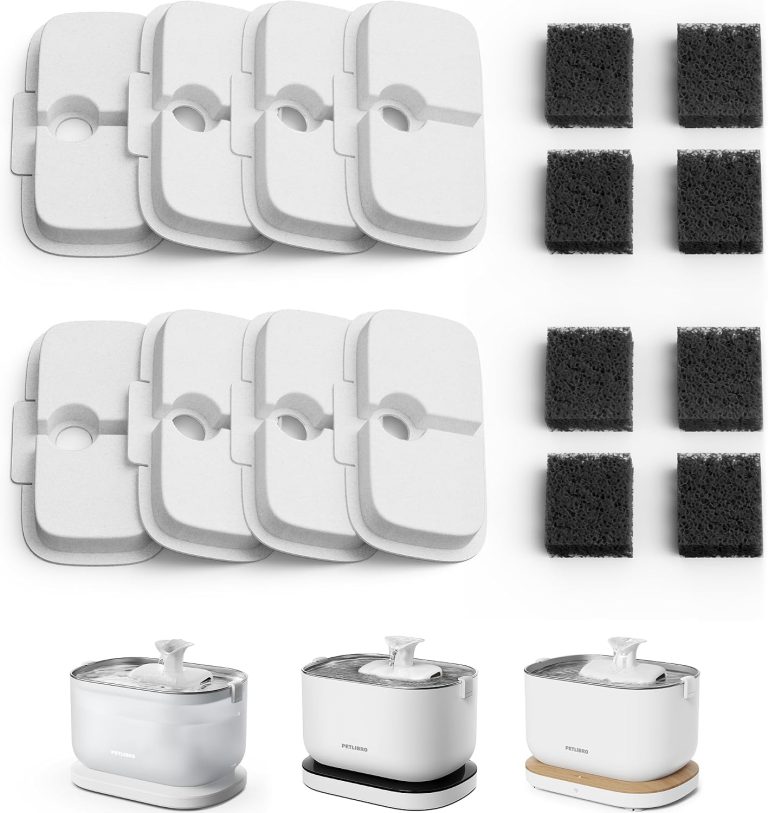
Foam filters are the sponge-like pieces that catch hair and large debris. These are usually gray or black. They last longer than charcoal filters and need less maintenance.
Rinse foam filters under warm water and squeeze them repeatedly. The foam expands and contracts, pushing debris out of the pores. You can clean these every week during your regular fountain refresh.
If the foam starts to fall apart or loses its shape, toss it. A broken foam filter lets hair slip through and clog your pump.
Charcoal or Carbon Filters
Charcoal filters contain activated carbon, which removes odors and bad tastes. These cannot be cleaned indefinitely. The carbon becomes saturated after about two to four weeks of constant use.
You can rinse charcoal filters to extend their life by a few days. But once the charcoal is full, it stops working. A rinsed charcoal filter that no longer removes smell needs replacing.
We found that most manufacturers recommend monthly replacement for charcoal filters. Check your specific brand’s manual for exact timing. Replace them sooner if your cat’s water starts tasting stale.
Ion Exchange Resin Filters
Some premium fountains use ion exchange resin to soften water and remove heavy metals. These look like tiny clear or white beads inside a mesh pouch.
Resin filters do not respond well to vinegar soaks. The acid can damage the resin beads. Just rinse these under warm water and reinsert them. They typically need replacement every two to three months.
Note these filters are rare in budget fountains. If you are unsure, look at the material list in your fountain packaging.
Common Mistakes That Ruin Filters Fast
You might be cleaning your filter wrong without knowing it. Here are the biggest mistakes we see from cat owners every day.
- Using soap or dish detergent on the filter, which leaves toxic residue
- Scrubbing too hard and tearing the filter material
- Letting the filter air dry completely before reinserting, which breeds bacteria
- Soaking in vinegar too long, which dissolves the filter structure
- Ignoring the pump cleaning, which makes the filter work overtime
- Waiting more than four weeks between filter rinses
Mistake number one is the most dangerous. Soap residue can upset your cat’s stomach and make them avoid the fountain altogether. Always use plain water for filters.
How to Tell When a Filter Needs Replacement
Cleaning only goes so far. Eventually, every filter must be swapped out. Here are the signs that your filter is done.
| Sign | What It Means |
|---|---|
| Water flows slowly or trickles | Filter is clogged beyond cleaning |
| Strange smell after rinsing | Charcoal has reached its limit |
| Discoloration that stays after soaking | Filter material is breaking down |
| Fountain water tastes bad to your cat | Carbon is saturated and useless |
| Filter falls apart in your hands | Needs immediate replacement |
If you notice any of these problems, stop cleaning and grab a fresh filter. Cleaning a dead filter wastes your time and does nothing for your cat.
The Rule of Thumb for Filter Life
When in doubt, replace more often. Filters are inexpensive compared to vet bills from dehydration-related issues. Many guidelines point to monthly replacement as a safe standard for most cat fountains (Cornell Feline Health Center).
If you have multiple cats sharing one fountain, replace filters every two weeks. The extra fur and saliva overload the filter quickly. Your cats will notice the difference in water taste.
Monthly Maintenance Checklist for a Clean Fountain
Use this checklist during every deep clean. It takes about 10 minutes total and keeps your fountain running smoothly.
- Unplug the fountain and take apart all removable pieces
- Disassemble the pump and scrub the impeller shaft
- Rinse the filter under warm water in the direction of flow
- Soak the filter in vinegar-water solution for 15 minutes
- Scrub all parts with warm soapy water and rinse thoroughly
- Reassemble and refill with fresh water before plugging back in
Print this checklist or save it on your phone. We found that having a routine makes it impossible to forget. Your cat will thank you with better drinking habits and fewer urinary issues.
What to Do When Your Cat Stops Drinking
A clogged or dirty filter can make water taste terrible. If your cat suddenly ignores the fountain, check the filter first. Rinse it and see if the flow improves. If your cat still refuses, replace the filter and clean the entire fountain.
Some cats are picky about cleanliness. They will literally hold their nose at a fountain that has not been serviced. We found that a fresh filter solves 90 percent of cat fountain refusal problems.
Pair the clean filter with fresh, cool water. Fill the reservoir to the max line. Cats prefer moving water that is cold, so add an ice cube or two in summer. Watch your cat drink again within a few hours. This simple maintenance habit makes all the difference for your pet’s long-term health. For more on why fountains encourage drinking, see our guide to cat water fountain benefits.
Always keep spare filters on hand. That way, cleaning day becomes a seamless swap instead of an emergency shopping trip. Your wallet and your cat will both appreciate the prep.
Conclusion
Keeping your cat’s fountain filter clean is one of the easiest ways to protect their health. A five-minute rinse every couple of weeks makes a huge difference in water quality. Your cat will drink more, and you will avoid costly pump replacements.
We found that the biggest mistake is overcomplicating this task. You do not need harsh chemicals or fancy tools. Warm water, a soft brush, and a monthly vinegar soak are all it takes.
Make it your next step: add a recurring reminder on your phone for filter cleaning day. Pair that with a fresh filter swap every month, and your cat will stay happily hydrated year-round.
Frequently Asked Questions
How often should I clean my cat water fountain filter?
Rinse the filter every two to four weeks during your regular fountain cleaning. A quick rinse removes surface slime and fur. Deep soak filters with vinegar once a month to kill bacteria. Replace charcoal filters every two to four weeks if you have a multi-cat home.
Can I use dish soap to clean the fountain filter?
No, you should never use soap or detergent on any filter. Soap residue is toxic to cats and can cause stomach upset. Warm water alone is safe for filters. If you must scrub fountain parts with soap, rinse them thoroughly before reassembling.
Why does my cat water fountain filter turn brown so fast?
Brown discoloration usually comes from hard water minerals, cat saliva, or food particles. It can also mean the carbon inside is saturated and releasing trapped debris. If rinsing does not lighten the color, replace the filter immediately. Using filtered water in the fountain can slow this process down.
Do I need to replace the filter if I clean it regularly?
Yes, cleaning only extends the filter’s life for a short time. Charcoal filters stop absorbing odors after about a month. Foam filters last longer but eventually degrade. We recommend keeping spare filters on hand so you can swap them without delay.
Can I clean my cat fountain filter in the dishwasher?
Do not put filters in the dishwasher. The heat and detergent will destroy the filter material. Dishwasher soap can also leave a toxic residue. Stick with hand washing under warm running water. This takes less than two minutes and keeps your cat safe.