7 Ways to Clean a Cat Water Fountain
The best way to clean a cat water fountain is to take it apart completely and wash every piece with hot, soapy water at least twice a week. You should never put the pump or motor in the dishwasher. We found that a simple mix of warm water and mild dish soap removes the slimy biofilm that builds up quickly.
A dirty fountain can breed bacteria and mold, which might make your cat sick or cause them to stop drinking. This reduces the whole point of a fountain, which is to encourage better hydration. Using the right filter replacement schedule matters just as much as the cleaning routine itself. Many experts say that a clean fountain is the number one way to keep your pet healthy and happy.
- Take the fountain apart fully to clean hard-to-reach spots.
- Wash all parts with hot, soapy water twice per week.
- Never put the pump motor or electrical parts in the dishwasher.
- Use a small brush to scrub away slime and fur buildup.
- Replace the carbon filter every two to four weeks for best results.
Below, we break down exactly how to deep clean every type of fountain, step by step, so you can get it done in under ten minutes. Let’s walk through the simple process together so your cat always has fresh, flowing water.
Your Simple Step-by-Step Cleaning Routine
You can get your fountain sparkling clean in under ten minutes once you build the habit. We found that breaking the task into small, repeatable steps makes it feel way less like a chore. Let’s walk through each stage so you never miss a spot.
Gather Your Cleaning Supplies First
You do not need fancy products. Most households already have everything on hand. We found that sticking to simple tools protects your fountain and keeps your cat safe.
- Mild dish soap without strong fragrances or dyes
- A soft sponge or microfiber cloth
- Cotton swabs or pipe cleaners for tiny holes
- A small bottle brush or old toothbrush for corners
- A bowl or bucket for rinsing
- White vinegar for monthly deep descaling
Stay away from bleach, harsh chemicals, and abrasive scrubbers. These can scratch plastic. Scratches create tiny hiding spots for bacteria and make cleaning harder over time.
Unplug and Disassemble Every Single Part
Before you touch water, always unplug the fountain. We found that people often skip this step and then accidentally get the motor wet. Pull apart every piece you can, including the pump, filter, and any tubing.
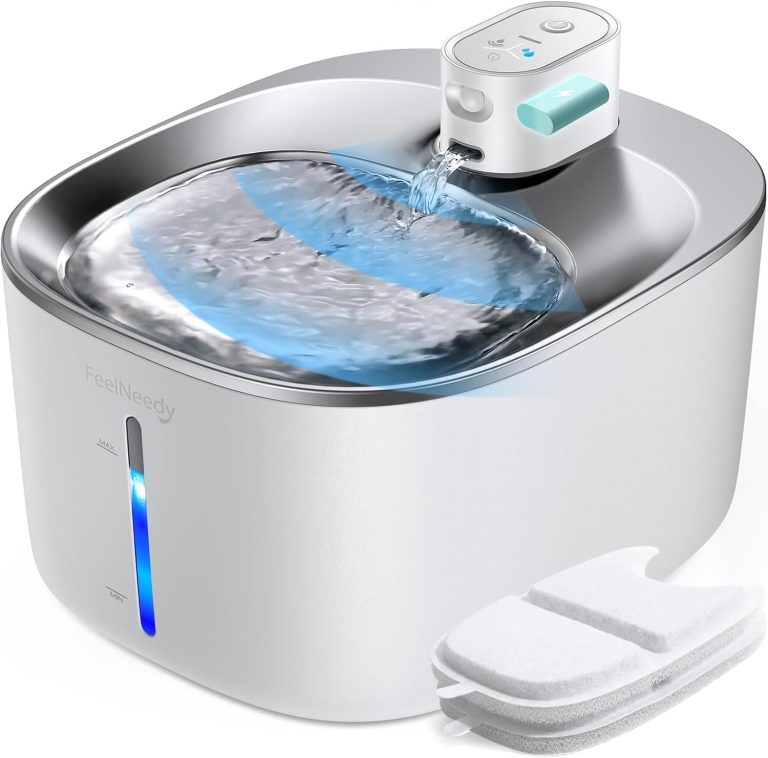
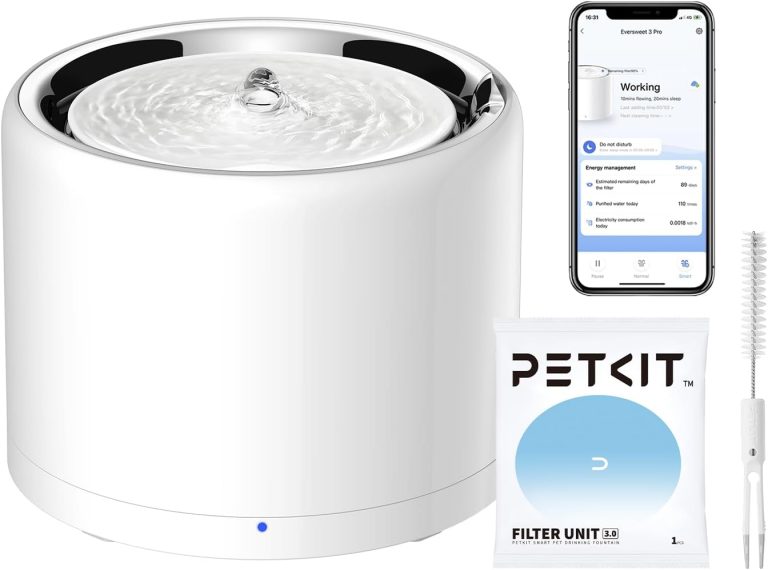
Check your manual if you’re unsure which parts detach. Most fountains come apart into three main sections: the water reservoir, the top lid or tray, and the pump assembly. Separate the filter from its holder and set it aside.
Why Full Disassembly Matters
Biofilm, that slippery slime, loves to hide in crevices. If you only wipe the outside, bacteria stay alive in the pump housing. We found that taking everything apart is the only way to break the slime cycle completely.
Wash All Plastic and Ceramic Parts by Hand
Fill your sink with warm water and add a few drops of mild dish soap. Soak every non-electrical part for about five minutes. This softens the slime and makes scrubbing much easier.
Use your sponge or brush to clean each piece gently. Pay special attention to the corners and seams. Rinse every part thoroughly under running water until the soapy residue is completely gone. Leftover soap can foam up in the fountain and irritate your cat’s stomach.
Handling Stubborn Mineral Buildup
Hard water leaves white scale deposits on plastic parts over time. Soak those parts in a 50/50 mix of white vinegar and warm water for 15 to 30 minutes. The vinegar dissolves minerals without scratching surfaces. Rinse well afterward to remove any vinegar smell.
Cleaning the Pump Without Ruining It
The pump is the heart of your fountain, and it needs special care. We found that most pump failures come from people skipping this step. A clogged pump stops water flow, which defeats the whole purpose of the fountain.
Do not submerge the pump’s electrical plug or cord in water. Instead, wipe the outside with a damp cloth. Remove the pump cover and use a small brush or cotton swab to gently clean the impeller area. That’s the little spinning part inside.
Run clean water through the pump’s inlet and outlet ports to flush out debris. If you see fur wrapped around the impeller, carefully remove it with tweezers. Many experts say that a weekly pump rinse extends its life significantly.
What About the Dishwasher?
We get it, the dishwasher feels convenient. However, the heat and harsh detergent can warp plastic and ruin the motor. Never put the pump, the electrical cord, or any part with wiring in your dishwasher. Hand washing is the only safe method for pump components.
Choosing the Right Filter and Replacement Schedule
Filters do more than just catch fur. They remove impurities and keep the water tasting fresh. We found that a dirty filter makes the whole fountain smell funky, and cats are extremely picky about smell.
How Often Should You Swap Filters?
Most manufacturers recommend changing the carbon filter every two to four weeks. Your mileage may vary based on how many cats you have and how often they drink. We found that a good rule of thumb is to replace it at least once a month without fail.
| Filter Type | Recommended Replacement | Signs It Needs Changing |
|---|---|---|
| Carbon filter | Every 2–4 weeks | Water has a funky odor or stale taste |
| Foam pre-filter | Every 2–3 weeks | Visible fur and debris clogging the surface |
| Ion-exchange resin | Every 1–2 months | White scale builds up quickly inside the fountain |
Mark your calendar or set a phone reminder. We found that people who track filter changes have healthier cats and buy fewer replacement parts over time.
Rinsing Filters Between Changes
Give your filter a quick rinse under cool water every time you clean the fountain. This removes loose debris and keeps the filter working efficiently between full replacements. Do not scrub the filter with soap; it can break down the carbon’s effectiveness.
Weekly vs. Monthly Deep Cleaning Plan
Different schedules serve different purposes. You need both a quick weekly refresh and a deeper monthly reset. We found that splitting the work this way keeps your fountain consistently safe without burning you out.
Quick Weekly Refresh (Twice a Week)
- Unplug and empty old water
- Wipe all surfaces with hot, soapy water
- Rinse the pump and scrub the inlet holes
- Rinse the filter under cool water
- Refill with fresh, room-temperature water
This quick pass takes about five minutes. We found that doing this small routine on a schedule, like every Sunday and Wednesday, prevents nasty slime from ever taking hold.
Monthly Deep Clean
Once a month, go the extra mile. Disassemble everything and soak all plastic parts in vinegar solution to remove scale. Scrub every nook and cranny with a toothbrush. Inspect the pump impeller for wear or trapped hair. Replace the filter at this time.
This deep clean keeps mineral deposits from choking your pump. Many experts say that a monthly descale is the difference between a fountain lasting one year versus three years.
Drying and Reassembling Your Fountain Correctly
After cleaning, you might be tempted to put everything back together immediately. Hold on. We found that moisture left inside the pump or tubing encourages mold growth. Air drying is a critical step that people often skip.
Let Every Part Air Dry Completely
Place all washed parts on a clean dish rack or towel. Let them dry completely for at least 30 minutes. If you are in a rush, pat parts dry with a lint-free cloth and then let the pump sit out for a few extra minutes.
Do not assemble a wet pump. Tiny water droplets can linger in the motor housing. Over time, that trapped moisture shortens the pump’s lifespan.
Reassemble in the Right Order
Start by placing the pump in its designated spot at the bottom. Connect any tubing securely. Snap the reservoir or lid back into place. Insert a fresh or rinsed filter. Then, slowly pour fresh water into the designated fill area.
Plug the fountain in and let it run for a minute. Check that water flows smoothly without sputtering. If you hear a gurgling noise, check that the pump sits flat and the water level is high enough.
What Water Should You Use in Your Cat’s Fountain?
You cleaned everything, so do not ruin it with bad water. We found that tap water works fine for many households, but there are a few factors to consider. Hard tap water leaves mineral scale faster, which means more cleaning for you.
Filtered vs. Tap vs. Distilled
Filtered tap water is a great middle ground. It removes chlorine and some minerals that cause buildup. Bottled spring water also works well. Avoid distilled water; it lacks essential minerals that are actually good for your cat’s health, according to veterinary nutrition guidelines.
If your tap water is very hard, consider using filtered water to reduce scale. We found that this simple switch cuts your vinegar deep-cleaning frequency in half.
Signs Your Fountain Needs Immediate Attention
Sometimes, even with a regular schedule, things go wrong. We found that cats are excellent indicators of water quality. A healthy fountain means a hydrated cat, but certain signs should trigger an immediate cleaning session.
- Your cat suddenly stops drinking from the fountain
- The water looks cloudy or smells musty
- You see pink or brown slime on any surface
- The pump makes a loud grinding or buzzing noise
- Water flow has slowed down noticeably
If you spot any of these, do a full deep clean right away. A loud pump usually means hair is wrapped around the impeller. Cloudy water means biofilm is already forming. Tackle these signs fast, and your fountain will stay in top shape.
Keeping Your Cat Happy With Fresh Flowing Water
After you finish cleaning, place the fountain back in its usual spot. Cats love routine. We found that if you move it around, some cats get confused and drink less. Fill it to the recommended line and let the water circulate for a few minutes before your cat drinks.
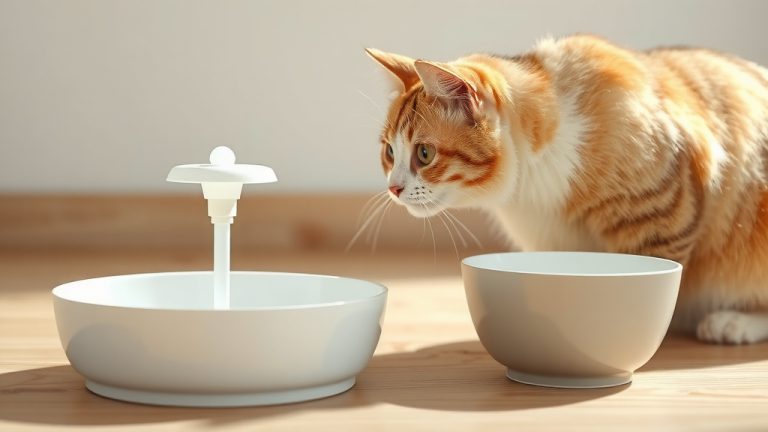
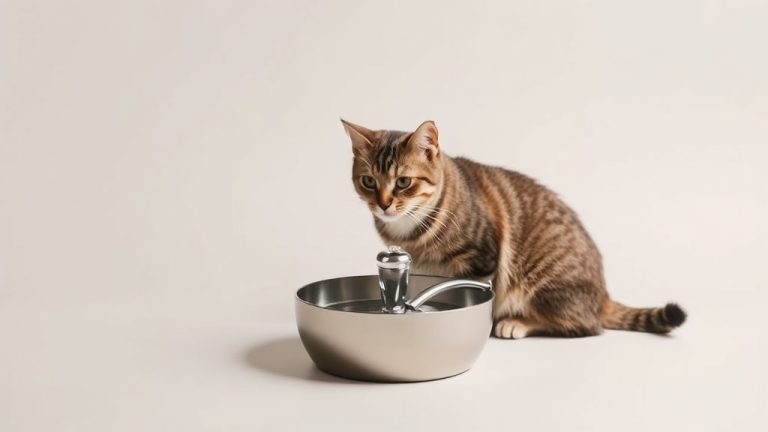
Watch your cat approach the clean fountain. They might sniff around first and then take a long, satisfying drink. That little moment makes all the cleaning worth it. You are not just maintaining a gadget; you are actively protecting your furry friend’s health and happiness.
Conclusion
Keeping your cat’s water fountain clean doesn’t have to be a dreaded chore. Once you build a simple twice-weekly routine, the whole process takes under ten minutes. You protect your cat from harmful bacteria and slimy mold that can make them sick. Remember to hand wash all plastic parts, never put the pump in the dishwasher, and swap the filter at least once a month.
Your cat relies on you for fresh, flowing water every single day. A clean fountain encourages them to drink more, which supports their kidney health and overall happiness. So grab your dish soap and a soft brush right now. Set a reminder on your phone for your next cleaning day. Your furry friend will thank you with every happy sip.
Frequently Asked Questions
How often should I actually clean my cat’s water fountain?
We recommend a full cleaning at least twice a week. This stops slimy biofilm from forming in the pump and on the plastic surfaces. If you have multiple cats, you might need to clean every other day.
Can I clean my cat fountain with apple cider vinegar instead of white vinegar?
White vinegar is better for descaling mineral buildup. Apple cider vinegar contains sugars and can leave behind a sticky residue. That residue can attract bacteria and mold over time.
Is it safe to use a bottle brush on the fountain pump?
A soft bottle brush is fine for the pump housing, but use it gently. For the tiny impeller area, we suggest a cotton swab or pipe cleaner. Those smaller tools protect the delicate motor parts from damage.
Why does my cat’s water fountain get slimy so fast?
Slime is a natural biofilm that bacteria and minerals create in wet environments. Warm room-temperature water speeds up its growth. Your cat’s saliva also adds organic material, which accelerates the slime build-up.
Can I leave the filter in while cleaning the fountain?
No, always remove the filter before cleaning. Soap residue can damage the carbon inside the filter. You should never soak your filter in soapy water because it breaks down its filtering power.